
Insecta · Lepidoptera
Monarch Butterfly
Danaus plexippus
POUCO PREOCUPANTEAlso known as: Milkweed, Milkweed Butterfly, Milkweed [butterfly], Monarch, Monarch or Milkweed
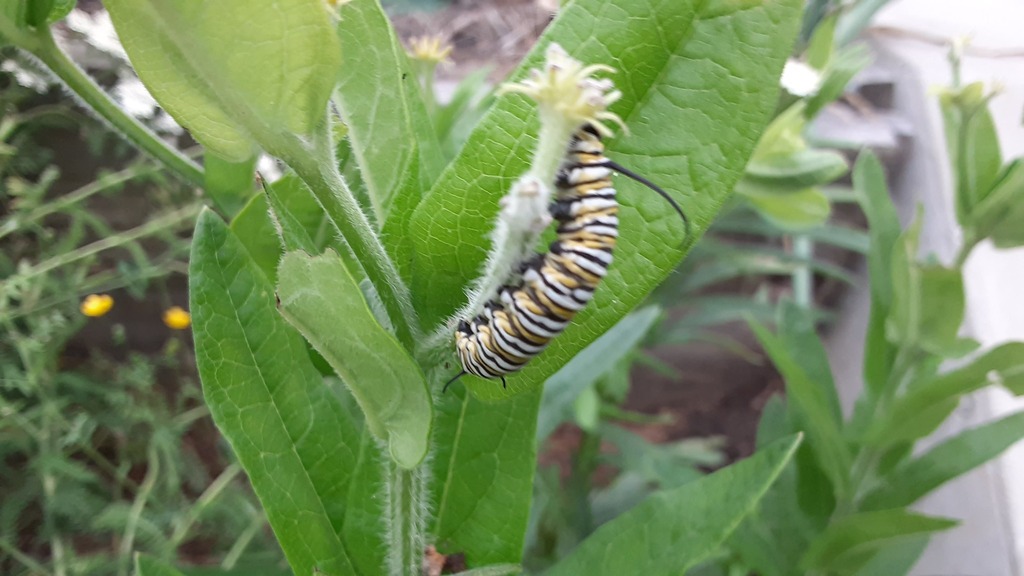
© mayfly1963 · iNaturalist · CC BY 4.0
Scientific Classification & Quick Facts
Classification
At a Glance
The Monarch Butterfly is one of nature’s most conspicuous travellers—a delicate orange and black winged insect instantly recognizable across continents. Found across 12 countries, predominantly throughout North America, this species (Danaus plexippus) holds the distinction of performing one of the longest animal migrations on Earth, a journey spanning thousands of kilometres across multiple generations. Despite its fragile appearance, the Monarch is classified as Least Concern by conservation authorities, yet its populations face mounting pressures from habitat loss and climate disruption along established migration corridors.
What makes the Monarch particularly compelling is not merely its visual impact or migratory prowess, but the intricate relationship between this butterfly, its larval host plants, and the landscapes it traverses. Understanding the Monarch reveals fundamental truths about ecological interdependence, chemical ecology, and the vulnerability of even abundant species when critical habitat vanishes.
Identification and Appearance
The Monarch butterfly is one of the most recognisable insects in North America, instantly identifiable by its striking orange and black wing pattern. Adults display bright reddish-orange forewings and hindwings with bold black veins and white spots along the edges. This coloration serves as a warning to potential predators that the butterfly is toxic, having accumulated cardiac glycosides from milkweed plants during its larval stage.
The wings are relatively large in proportion to the body, giving the Monarch a distinctive silhouette in flight. The dark body is covered in fine scales, and the antennae are long and slender. Both wings are primarily orange with a black border around the outer edge, interrupted by white spots that are particularly prominent on the hindwings.
Sexual Dimorphism
Male and female Monarchs can be distinguished by several features. Males typically display two black dots on each hindwing and two black lines on the hindwing veins, which are absent in females. Males also tend to be slightly smaller than females. Additionally, males possess scent glands that help them attract mates during courtship displays.
Distribution and Habitat
Danaus plexippus, the Monarch butterfly, is found across 12 countries spanning North America, Central America, South America, Europe, and Oceania. GBIF records show the United States dominates observations with 223 documented records, reflecting the species’ stronghold in its native range. Mexico follows with 28 records, while Australia and New Zealand represent significant populations in the Southern Hemisphere with 25 and 8 records respectively.
The species also occurs in Colombia, Spain, Costa Rica, Peru, the Turks and Caicos Islands, and Ecuador, though with substantially fewer observations. This wide distribution reflects both natural range expansion and human-mediated introductions, particularly to Australia and New Zealand where the butterfly has become established in recent centuries. The presence across such diverse regions suggests the Monarch’s capacity to adapt to varied climates and landscapes.
Seasonal data reveal a striking pattern: GBIF records peak dramatically in January with 300 observations, while all other months show zero records in the available dataset. This concentration suggests these records may correspond to overwintering populations or aggregations in specific locations during the winter months, though the complete absence of records for February through December warrants caution in interpretation. Elevation data are not currently available in the dataset, preventing detailed assessment of the species’ vertical range preferences across its global distribution.
Biology and Behaviour
Behavior
Monarch butterflies are highly migratory insects, undertaking one of the longest insect migrations on Earth. In North America, populations travel up to 3,000 kilometres between their breeding grounds in the northern United States and Canada to overwintering sites in Mexico and California. This multi-generational journey is guided by environmental cues including temperature, day length, and the position of the sun. Unlike most butterfly species, individual monarchs can live 6–8 months during the migratory generation, compared to just 2–6 weeks for non-migratory summer generations.
Monarchs are diurnal and highly active during warm, sunny conditions. They fly with a distinctive, slow-fluttering wing beat and rely on thermoregulation—basking with wings open in cool mornings to warm their flight muscles before taking flight. Males patrol open areas searching for females, while females spend considerable time locating suitable host plants for egg-laying. Both sexes feed on nectar flowers, and males engage in puddling behavior, gathering in damp soil or sand to absorb minerals and water that they transfer to females during mating.
Diet
Adult monarch butterflies feed exclusively on flower nectar, visiting a wide range of blooming plants throughout their range. They favour asters, zinnias, milkweed species, thistles, and verbena, using their long, coiled proboscis to extract nectar from floral tubes. Nectar provides the carbohydrates and energy needed for flight, reproduction, and migration.
Caterpillars, by contrast, are obligate specialists that feed only on milkweed plants (genus Asclepias). This dependence on milkweed is essential to their survival and defence strategy: the plants’ cardiac glycotoxins accumulate in caterpillar tissues and persist into the adult butterfly, rendering both larvae and adults toxic to most predators. The bright orange-and-black warning coloration advertises this toxicity to avian and invertebrate predators.
Reproduction
Monarchs breed seasonally, with multiple generations per year in their northern range. Males locate females through visual cues and pheromone detection, engaging in aerial courtship before landing on vegetation to mate. Copulation lasts several hours, during which males transfer not only sperm but also a nutrient-rich spermatophore that females use to fuel egg production.
Females lay eggs singly on milkweed leaves, depositing 300–500 eggs over their lifetime. Eggs hatch within 3–5 days. Caterpillars undergo five instars (growth stages) over 10–14 days before forming a chrysalis. Development from egg to adult takes approximately 30 days under favourable conditions. The final generation of the year—the migratory generation—develops with an extended juvenile period that delays reproductive maturity until after overwintering, enabling the long southbound migration.
Conservation and Threats
Danaus plexippus holds a conservation status of Least Concern on the IUCN Red List, though this classification masks significant regional declines and ongoing population volatility. The overall population trend is increasing, yet this masks a complex picture: the western population declined by 95 percent before rebounding slightly, with the Western Monarch Thanksgiving Count recording 335,479 individuals in 2022—still far below historical numbers.
Key Threats
Habitat loss on breeding grounds in the United States stands as the primary driver of monarch decline. The rapid adoption of herbicide-tolerant genetically modified corn and soybeans—now representing 89% and 94% of U.S. production respectively—has devastated milkweed populations, the sole host plant for monarch caterpillars. This habitat degradation occurs across the species’ critical breeding range, compounding losses at overwintering sites in Mexico.
Insecticide exposure poses a second major threat, with monarchs encountering pesticides on both breeding and migration routes. Climate change introduces multiple stressors: rising temperatures may expand milkweed and monarch breeding ranges northward into Canada, but this also forces monarchs to travel longer distances to reach their Mexican overwintering grounds, increasing mortality during migration. Warmer temperatures also increase toxic cardenolide concentrations in milkweed leaves, poisoning caterpillars. Additional threats include the invasive swallow-wort (Cynanchum louisea and Cynanchum rossicum), which monarchs lay eggs upon despite its toxicity to larvae, and disease, particularly the protozoan parasite Ophryocystis elektroscirrha.
Conservation Efforts
Protection of overwintering habitat in Mexico has proven essential, yet recent research underscores that breeding habitat restoration in the United States remains the critical bottleneck for population recovery. The U.S. Fish and Wildlife Service recognizes the species as facing compounded threats requiring coordinated action across habitat types and jurisdictions.
Community-led initiatives, particularly Monarch Watch and the Monarch Joint Venture, have mobilized widespread habitat restoration through the planting of “Monarch Waystations”—native milkweed and nectar plants established in gardens, parks, and agricultural margins. These efforts directly counter habitat loss by creating breeding and refueling corridors along migration routes.
Cultural Significance
The monarch butterfly holds profound significance as a symbol of ecological interconnection and natural resilience. Its famous multi-generational migration extending from Mexico to Canada represents one of nature’s most visible phenomena, captivating public attention and inspiring conservation awareness. The species’ annual journey across borders and ecosystems has made it an iconic ambassador for pollinator protection and international environmental cooperation, highlighting how single species can unite people across nations in shared conservation purpose.
In recent years, the monarch has become emblematic of broader pollinator decline and habitat loss. Dramatic recent declines in the size of monarch butterfly roosts during fall migration have elevated the species’ profile in conservation discourse. The United States Fish and Wildlife Service’s December 2024 proposal to list the monarch butterfly as a threatened species underscores its cultural importance as a bellwether for ecosystem health. The species exemplifies the need for coordinated conservation efforts for all pollinators across the nation, transforming it from a biological curiosity into a focal point for environmental policy and public engagement.
Fun Facts
Monarch butterflies are among the most recognizable insects in the Americas, yet they hold several surprising secrets that defy common assumptions about their ecology and behaviour.
- Despite being celebrated as pollinators, monarch butterflies are not especially effective at pollinating milkweeds—the very plants their caterpillars depend on for survival. Their inefficiency at this task highlights how their primary relationship with milkweeds is nutritional rather than mutualistic.
- The viceroy butterfly is a Müllerian mimic of the monarch, meaning both species are toxic and have evolved similar warning coloration to reinforce predator avoidance. The viceroy is smaller and can be distinguished by an extra black stripe running across each hindwing.
- Monarch butterflies go by several alternative common names, including “wanderer” and “black-veined brown,” reflecting their widespread distribution and the distinctive pattern of dark veins that traverse their wings.
- A monarch’s wingspan ranges from 8.9 to 10.2 centimetres (3.5 to 4.0 inches), making them large enough to be spotted easily but not so enormous as to be cumbersome during their multi-generational migration spanning thousands of kilometres.
- The monarch’s black, orange, and white wing pattern is one of nature’s most effective warning signals, instantly recognizable to humans and predators alike as a symbol of toxicity derived from their milkweed host plants.
- Individual monarchs live only 2 to 6 weeks during the breeding season, yet the migratory generation—born in late summer—lives 6 to 8 months, allowing a single butterfly to complete the entire round-trip migration between Mexico and Canada.
- Monarchs navigate their migration using both the position of the sun and Earth’s magnetic field, an internal compass so precise that it guides them to specific mountain forests in Mexico that individual butterflies have never visited before.
Conservation Status
LC · NT · VU · EN · CR · EW · EX
Photo Gallery
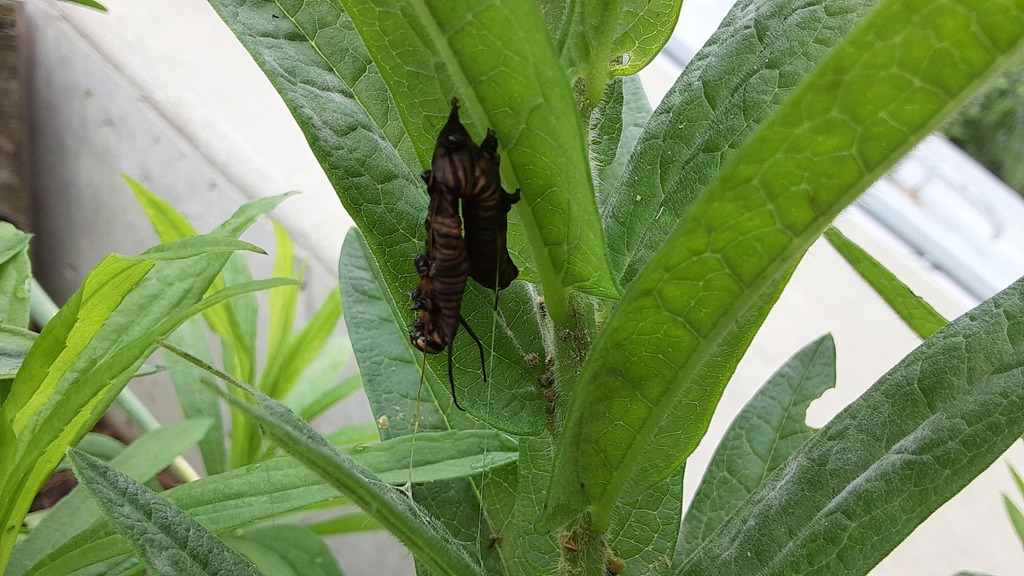
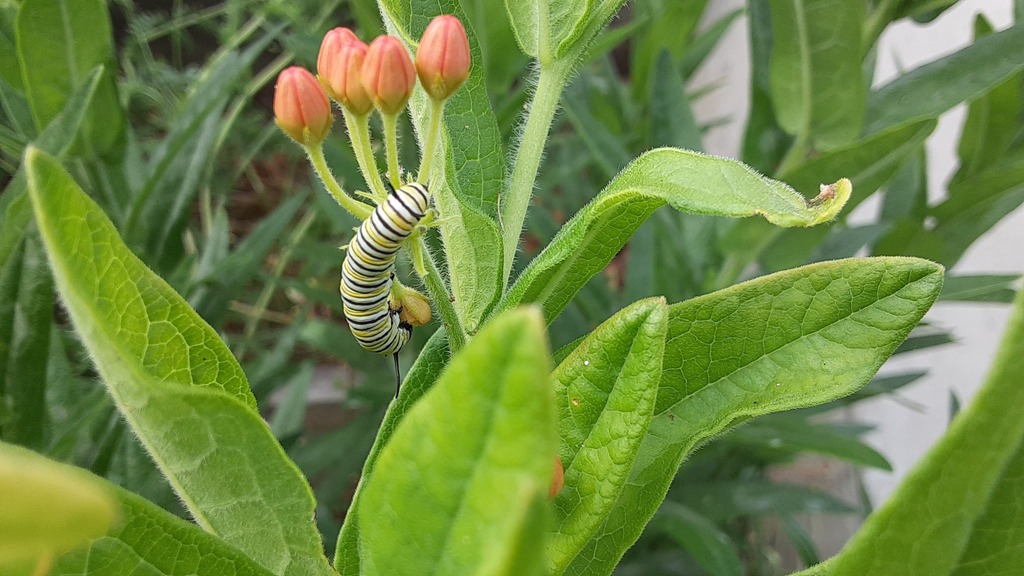
mayfly1963 · CC BY 4.0
Related Species

Was this profile helpful?