
Mammalia · Artiodactyla
White-tailed Deer
Odocoileus virginianus
Also known as: American Deer, Cerf De Virginie, Ciervo, Ciervo De Cola Blanca, Clavium
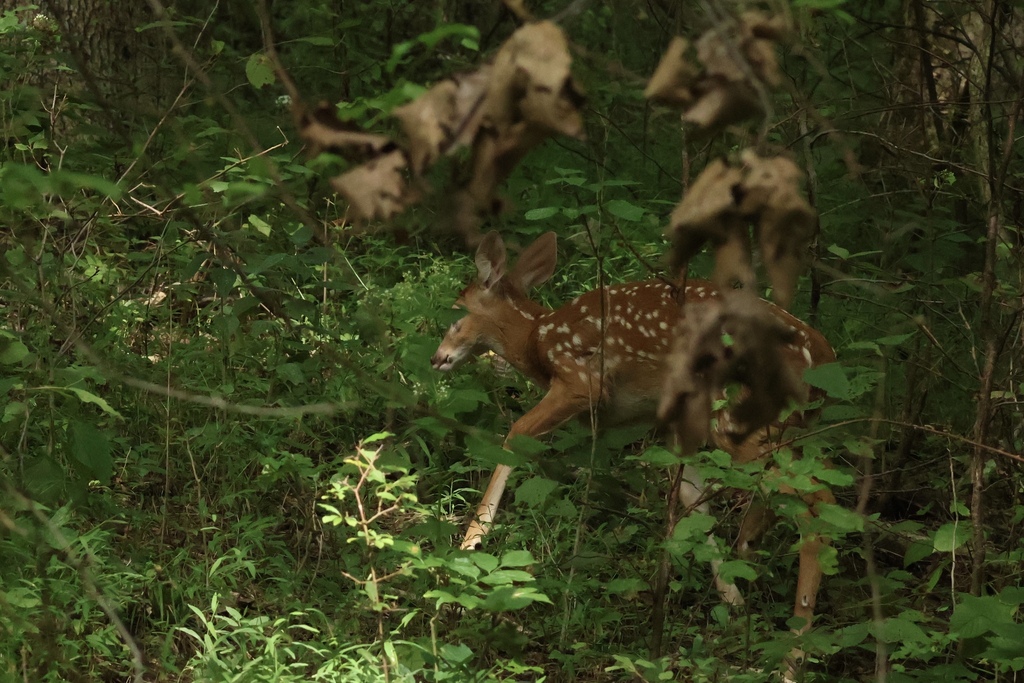
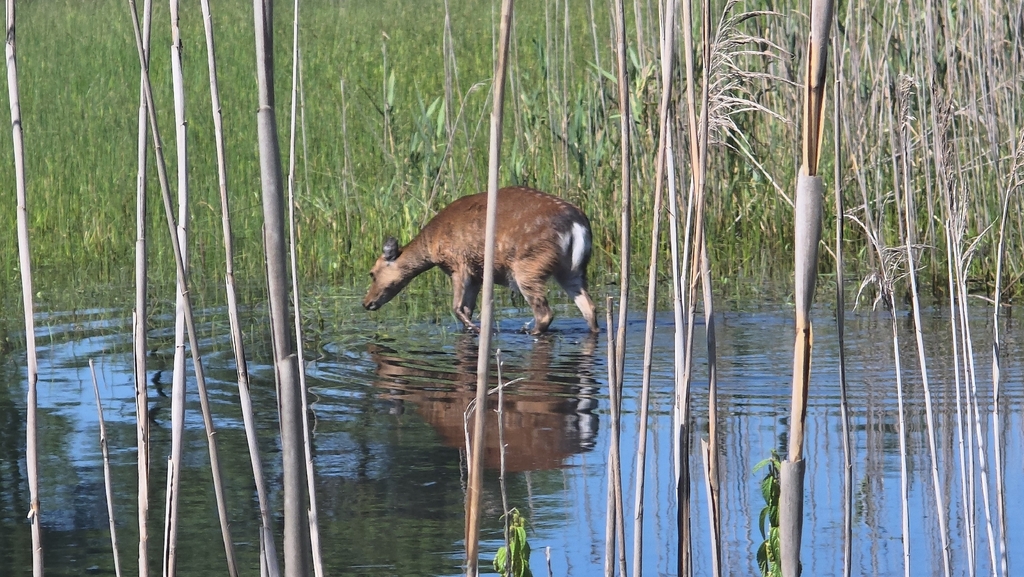
© Darren Johnson · iNaturalist · CC BY-NC-ND 4.0
Scientific Classification & Quick Facts
Classification
At a Glance
The white-tailed deer bounds through forests and grasslands across the Americas with a distinctive flash of its pale tail—a signal that has made this cervid one of the most recognizable mammals in North America. From its scientific name Odocoileus virginianus to its ecological role as both prey and competitor, this species commands attention wherever it roams. With a presence confirmed across at least four countries, the white-tailed deer has proven itself one of the continent’s most adaptable and successful large mammals.
Listed as Least Concern by the International Union for Conservation of Nature, Odocoileus virginianus exemplifies modern wildlife resilience. Its classification within the family Cervidae places it alongside elk and moose, yet the white-tailed deer has thrived in landscapes reshaped by human development—from suburban gardens to recovering forests. Understanding this species reveals how a mammal can flourish in a changing world while simultaneously reshaping ecosystems around it.
Identification and Appearance
Odocoileus virginianus is a medium-sized cervid with a body length of 1.5 to 2 metres and a weight ranging from 57 to approximately 62 kilograms. The species displays striking seasonal coat changes: a reddish-brown coloration in spring and summer transitions to a grey-brown pelage during fall and winter. This shift helps the animal blend with its environment across different seasons, providing effective camouflage as vegetation changes throughout the year.
Distinctive Features
The white-tailed deer is instantly recognizable by the white underside of its tail, which gives the species its common name. When alarmed or threatened, the animal raises its tail vertically, exposing the white underside as a visual alarm signal to alert other deer and warn potential predators that they have been detected. This distinctive behavior is coupled with the tail’s high visibility, making it an effective predator deterrent mechanism.
Sexual Dimorphism
Males typically exceed females in size and weight, though both sexes share the same coat coloration and tail pattern. The most obvious sexual dimorphism occurs in the development of antlers in males, which are absent in females. Antler growth follows a seasonal cycle, with males growing larger and more elaborate racks as they mature and enter the rutting season.
Distribution and Habitat
Odocoileus virginianus occurs across four countries: the United States, Canada, Mexico, and Finland. The species is overwhelmingly abundant in the United States, with 262 recorded sightings, making it the primary center of distribution. Canada supports a secondary population with 31 sightings, while Mexico and Finland have minimal documented presence with 4 and 3 sightings respectively.
Within North America, white-tailed deer inhabit diverse landscapes ranging from deciduous and mixed forests to agricultural areas, scrubland, and suburban regions. The species demonstrates remarkable ecological flexibility, occurring from sea level to high elevations across varied climates. Population density peaks during January, suggesting concentrated sightings during winter months when animals may be more visible or actively seeking resources in response to seasonal conditions. This seasonal pattern reflects the species’ behavioral shifts as it navigates colder months and reduced food availability across its range.
The presence of white-tailed deer in Finland represents a notable geographic extension beyond the species’ native range, likely resulting from historical introductions or deliberate reintroduction programs. This peripheral population underscores the species’ adaptability to temperate climates well outside its historical distribution in the Americas.
Biology and Behavior
Behavior
White-tailed deer are primarily crepuscular, most active during dawn and dusk when they forage and move between feeding and bedding areas. They are generally solitary or found in small groups, though herds may form during winter when multiple individuals yard together in dense brush or coniferous cover for protection and easier movement through snow. Males become highly territorial during the rutting season, marking territory with scent glands and engaging in aggressive displays with other males using their antlers.
These deer rely heavily on their keen senses—particularly smell and hearing—to detect predators and navigate their environment. When threatened, they bound away at high speed and flash their distinctive white tail as a warning signal to other deer nearby. They are highly adaptable animals, thriving in forests, shrublands, agricultural areas, and increasingly in suburban and urban environments where natural predators are absent.
Diet
White-tailed deer are herbivores with a diverse diet that shifts seasonally. In spring and summer, they browse on shoots, leaves, and forbs, supplemented with fruits and agricultural crops when available. Autumn feeding focuses on acorns, nuts, seeds, and remaining vegetation as they build fat reserves for winter. During winter, they rely on woody browse—buds, twigs, and bark—from shrubs and trees, with coniferous needles and evergreen vegetation becoming critical food sources in regions with heavy snow.
Deer are selective feeders, preferring high-quality forage but capable of consuming a wide range of plant material. In agricultural landscapes, they frequently damage crops including corn, soybeans, and vegetables. Their feeding pressure can significantly impact forest regeneration and understory plant composition in areas where deer populations are high.
Reproduction
White-tailed deer breed in autumn, with the peak rut typically occurring from October to November in northern populations. Males compete fiercely for mating opportunities, engaging in sparring matches and pursuing females across large distances. Females come into estrus for brief periods and may cycle multiple times if not impregnated during early cycles.
After a gestation period of approximately 200 days, does give birth to one to three fawns, usually in late spring or early summer. Twin fawns are most common in healthy populations with abundant nutrition. Fawns remain hidden in vegetation for their first weeks, nursed by their mother, and gradually transition to solid food while remaining dependent for several months. Young deer typically separate from their mothers in late autumn or early winter, with yearling females often remaining near their mother’s home range while yearling males disperse to establish new territories. The lifespan in the wild typically reaches 10–15 years, though individuals may survive to 20 years or more in protected settings.
Conservation and Threats
Odocoileus virginianus holds a conservation status of Least Concern on the IUCN Red List, reflecting its widespread distribution and stable-to-increasing populations across North America. The species faces no immediate threat of extinction and has demonstrated remarkable recovery from historical overhunting, making it one of the most successful large mammal conservation stories on the continent.
The population trend for white-tailed deer is increasing in many regions, particularly in eastern and midwestern North America where habitat restoration and regulated hunting programmes have allowed populations to rebound significantly since the early 20th century. Current abundance far exceeds pre-colonial levels in some areas, creating new management challenges rather than conservation concerns.
Threats
While white-tailed deer themselves face minimal threat, their overabundance in certain regions now creates ecological and agricultural problems. Dense populations damage forest regeneration, reduce plant diversity in understory communities, and increase crop losses in agricultural areas. Vehicle collisions with deer also pose a public safety risk, with hundreds of thousands of accidents reported annually in North America.
Conservation Efforts
Legal protections and hunting regulations remain the primary conservation tools, though for this species the focus has shifted from protecting population size to managing population density. Most jurisdictions employ regulated hunting seasons and harvest quotas to maintain sustainable population levels. Habitat management initiatives continue to support both deer and overall forest health, balancing the needs of the species with ecosystem integrity.
Cultural Significance
The white-tailed deer has occupied a central place in human societies across North America for thousands of years. Indigenous peoples relied on the species for food, hides for clothing and shelter, and bones and antlers for tools and weapons. This deep historical relationship shaped settlement patterns, trade networks, and seasonal migrations across the continent long before European contact.
In European colonial America, white-tailed deer became synonymous with wilderness and abundance, featuring prominently in early settler narratives and landscape descriptions. The species later became embedded in American identity as a symbol of wild nature and self-reliance, appearing in literature, art, and regional traditions. Hunting white-tailed deer evolved into a major recreational and cultural practice, particularly in rural areas, where it remains a significant tradition tied to family, community, and land stewardship.
Today, white-tailed deer hold dual status in modern culture: they are valued as game animals, cultural icons, and symbols of wildlife restoration, yet also viewed as agricultural and ecological challenges in regions where populations have become overabundant. This complex relationship reflects broader human attitudes toward wildlife management and coexistence with nature.
Fun Facts
White-tailed deer are among the most successful large mammals on Earth, having colonized an extraordinary range of ecosystems across the Americas. Their adaptability and ecological flexibility make them one of nature’s greatest terrestrial success stories.
- White-tailed deer thrive across ecosystems ranging from arid grasslands to tropical rainforests in the Amazon and Orinoco basins, demonstrating exceptional ecological flexibility across extreme habitat types and climate zones.
- Multiple subspecies have adapted specifically to high-elevation Andean terrain, allowing them to colonize mountainous environments typically challenging for large herbivores and showing their capacity for rapid evolutionary specialization.
- Their success as the most widely distributed mainland ungulate herbivore in the Americas surpasses that of many other large mammals, making them one of the world’s most successful terrestrial species by geographic range.
- White-tailed deer can survive in habitats as different as scorching deserts and humid tropical forests, a range of environmental tolerance that exceeds most other hoofed mammals across similar latitudes.
- The species’ continental spread from North America through Central America to South America demonstrates how a single generalist herbivore can dominate diverse continents where competing ungulates may struggle to adapt.
- White-tailed deer populations have recovered from near extinction in the early 1900s to become so abundant in some regions that they now reshape forest ecosystems through overgrazing, reversing their historical conservation trajectory.
Photo Gallery
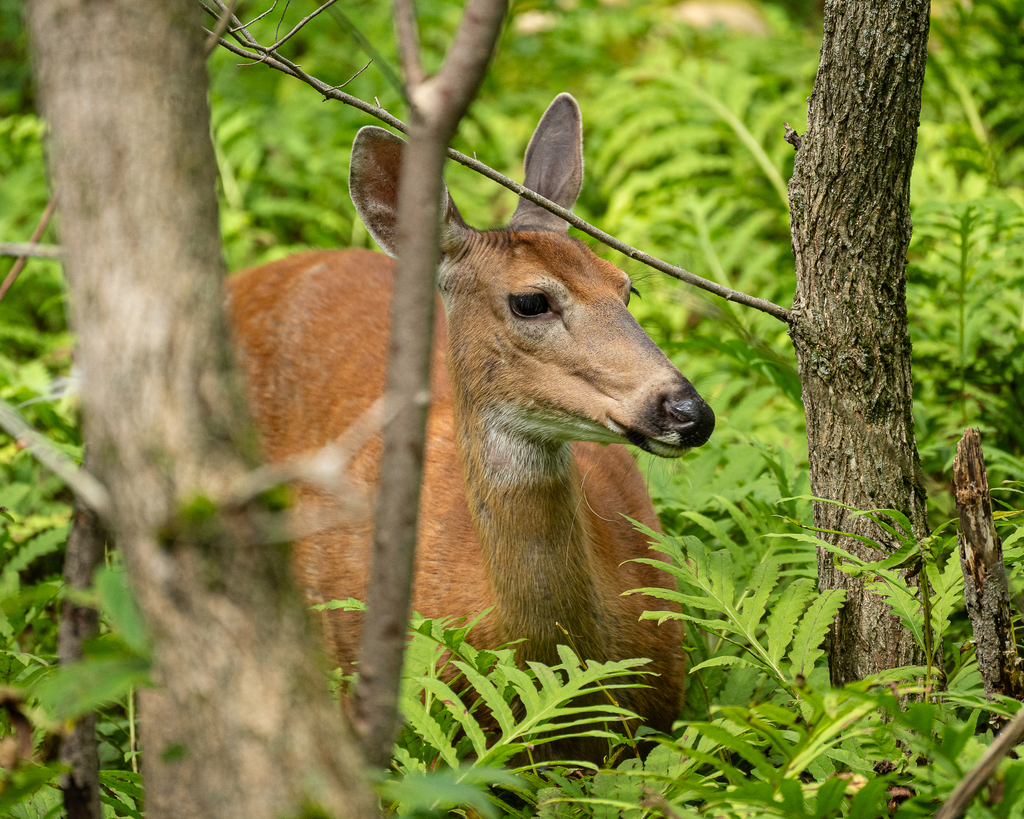
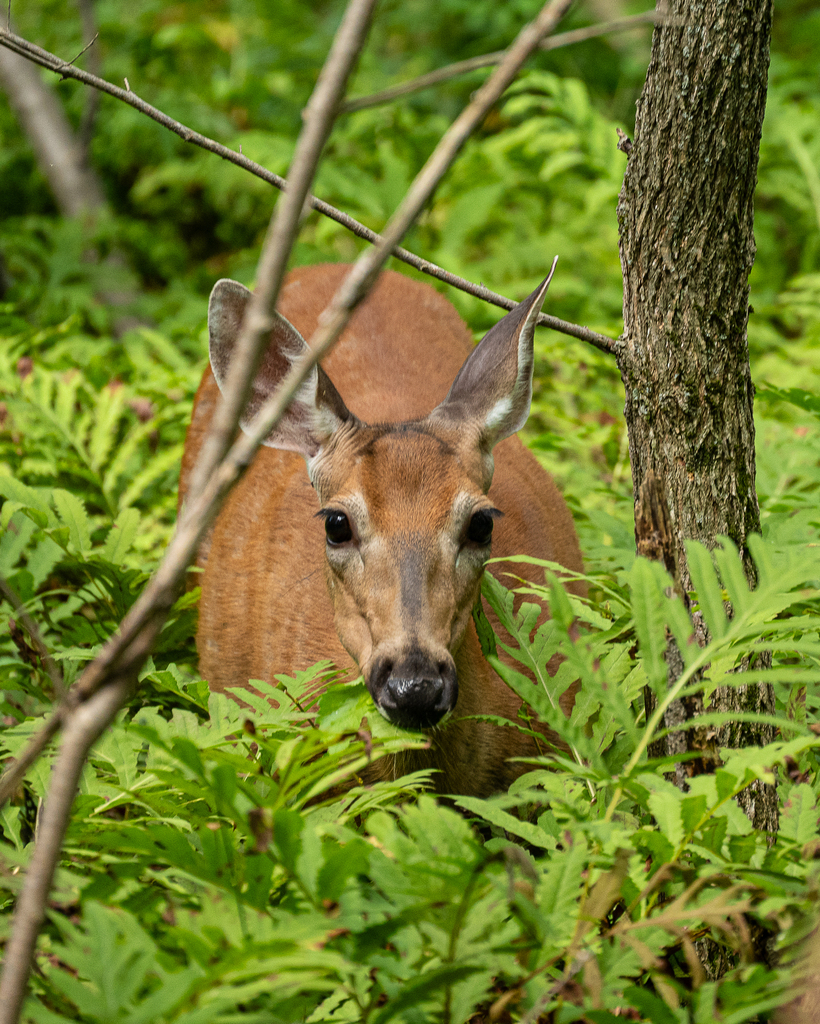
Darren Johnson · CC BY-NC-ND 4.0
Related Species


Was this profile helpful?