
Mammalia · Artiodactyla
Red Deer
Cervus elaphus
Least ConcernAlso known as: Barbary Red Deer (barbarus), Bukhara Red Deer (bactrianus), Caspian Red Deer / Maral (maral), Ciervo Ibu00e9rico, Elaphoid
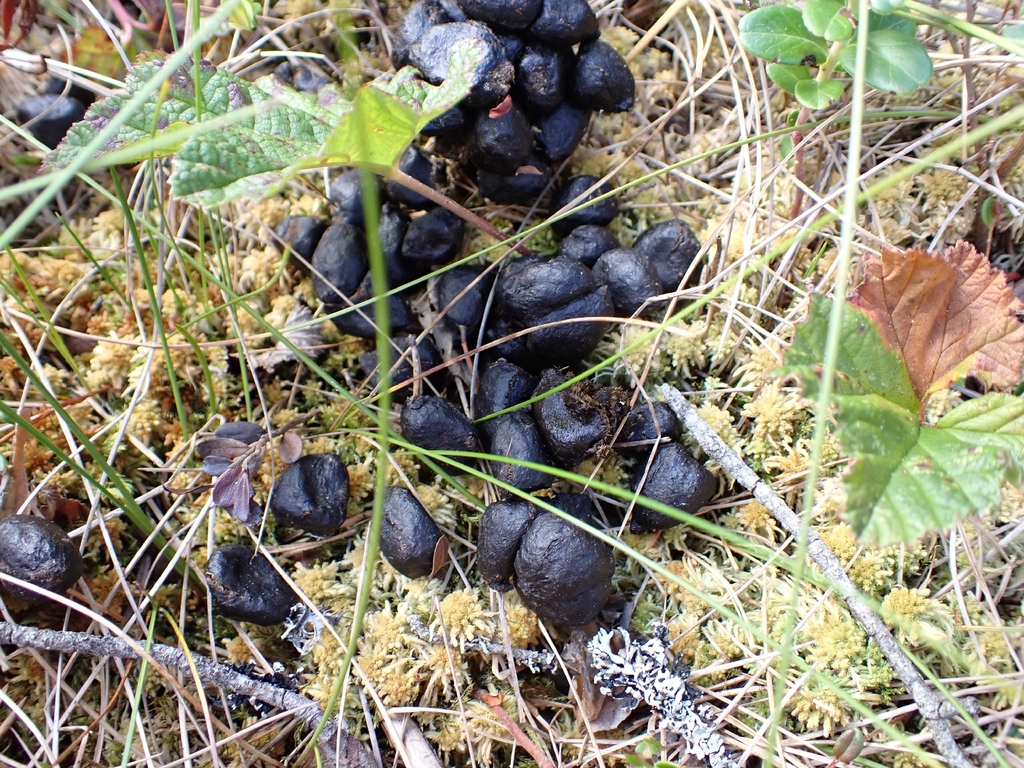
© Johan Adler · iNaturalist · CC BY 4.0
The red deer is one of the largest deer species in the world, a magnificent cervid instantly recognizable by its reddish-brown coat and, in males, the impressive crown of antlers that grows anew each year. Found across Europe, western Asia, and North Africa, and introduced to regions as distant as New Zealand and Australia, Cervus elaphus has become a symbol of wild woodlands and moorlands throughout its vast range. The species thrives in 22 countries worldwide and maintains a Least Concern conservation status, a testament to its adaptability and resilience in the face of habitat change and human pressure.
Red deer occupy diverse habitats from temperate forests to open moorland, grazing on grasses, heather, and browse with equal efficiency. Their presence shapes entire ecosystems: their browsing patterns influence plant communities, their movements disperse seeds, and their culled populations provide food for predators and scavengers. Understanding this species offers insight into how large herbivores navigate modern landscapes where wild space is increasingly fragmented by human settlement and land use.
Identification and Appearance
Cervus elaphus, the red deer, ranks as the fourth-largest living deer species, surpassed only by the moose, elk, and sambar deer. Adults typically weigh around 67 kg, though regional subspecies vary significantly in size and build. The species is a ruminant with an even number of toes on each hoof—a trait shared with camels, goats, and cattle—allowing it to digest tough plant material in two distinct stomach chambers.
Red deer display a rich coat that ranges from reddish-brown to dark brown, darkening considerably in winter. European populations carry a relatively long tail compared to their Asian and North American counterparts, a distinction that aids identification across geographic populations. Subtle but consistent differences in body size and antler morphology separate the various subspecies; the Corsican red deer represents the smallest form, inhabiting Corsica and Sardinia, while the Caspian red deer stands as the largest subspecies.
Sexual Dimorphism
Male red deer grow noticeably larger and heavier than females and develop impressive branched antlers that they shed and regrow annually. Females lack antlers and maintain a more graceful build suited to swift movement through woodland. This striking sexual dimorphism extends beyond size to behavior and seasonal coat changes, with males displaying darker pelage during the rutting season.
Distribution and Habitat
Cervus elaphus is found across 22 countries, with the highest concentration of recorded sightings in North America and Northern Europe. The United States dominates the global record count with 120 observations, followed by Denmark (58), Norway (32), Spain (20), and Sweden (18). Smaller populations are documented in Canada, the United Kingdom, Germany, Russia, and Poland, indicating a widespread but discontinuous distribution pattern across temperate and boreal regions.
Regional presence
In North America, red deer populations are established primarily through introduced populations, with the United States supporting the largest documented population. Northern Europe remains a stronghold for the species, particularly in Scandinavia where Denmark and Norway host substantial herds. The presence in Spain and southwestern European regions reflects both native and reintroduced populations, while eastern European records in Russia and Poland represent the species’ historical range limits.
Observational data show a marked peak in January, with 300 recorded sightings concentrated in that month, suggesting either seasonal migration patterns, increased visibility during winter months, or heightened observer activity during the calving and early winter period. The absence of records in other months likely reflects data collection gaps rather than complete absence from the landscape.
Biology and Behavior
Behavior
Red deer are highly social animals that form herds ranging from a few individuals to several hundred, depending on season and habitat availability. Mature stags and hinds (females) typically segregate for much of the year, with stags forming bachelor groups and hinds gathering with calves and younger animals. Herds are most consolidated during winter when food is scarce, forcing groups into closer proximity. Daily activity patterns are crepuscular—red deer are most active at dawn and dusk—though they will feed and move throughout the day, particularly in winter when energy demands are high.
Communication within herds relies heavily on vocalizations and body language. Stags produce deep roars and bellows, especially during the autumn rut (breeding season), to establish dominance and attract females. Hinds make softer contact calls and alarm barks to warn the herd of danger. Red deer are capable of sustained running when threatened, though they favor dense woodland as an escape route. During the rut, stags engage in dramatic fights, clashing antlers to determine mating rights; these contests can result in serious injuries or death, particularly when competitors are evenly matched.
Diet
Red deer are obligate herbivores with a diet that varies seasonally based on vegetation availability. In spring and summer, they graze on grasses and herbaceous plants, preferring nutrient-rich new growth. As autumn approaches, they shift to browsing woody vegetation, heather, and mast crops such as acorns and beechnuts. During harsh winters, red deer consume bark, twigs, and conifer shoots—resources of lower nutritional value but vital for survival when other food is unavailable. In agricultural regions, they readily damage crops and strip young tree bark, making them significant pests in some areas.
Reproduction
Red deer breeding is synchronized to specific seasons: the rut occurs in autumn (September to October in temperate regions), triggered by shortening day length and hormonal changes. Stags compete intensely for dominance and mating access to hinds, with successful males capable of servicing multiple females. Following a gestation period of approximately 230 to 240 days, hinds give birth to a single calf (rarely twins) in late spring or early summer, typically between May and June. This timing ensures calves are born when vegetation is abundant, maximizing their nutritional resources during critical early growth.
Calves remain hidden in dense vegetation for their first few weeks of life, relying on their mother’s milk and camouflage coloration to avoid predators. Hinds are fiercely protective, attacking any perceived threat to their young. Calves are weaned at around four to five months of age but may remain with their mother through the following winter. Red deer reach sexual maturity at two to three years old, though younger stags rarely breed successfully until they achieve sufficient size and dominance. The species has a lifespan of up to 31.5 years in protected settings, though wild populations typically show shorter lifespans due to predation, disease, and starvation.
Conservation and Threats
Cervus elaphus, the Red Deer, holds a conservation status of Least Concern on the IUCN Red List, reflecting its broad geographic range and stable to increasing populations across much of its distribution. This status indicates that the species faces no immediate risk of extinction at a global scale and does not qualify for higher threat categories. However, this assessment masks significant regional variation: some populations thrive under active management, while others face localized pressures that warrant continued monitoring and targeted intervention.
Red Deer populations are increasing in many parts of their range, particularly in Europe where reintroduction and rewilding programmes have expanded their presence into historically suitable habitats. The species’ capacity to recover from past overhunting demonstrates its resilience and adaptability. In other regions, however, population dynamics remain complex and dependent on local land management practices and human tolerance.
Threats
Although Red Deer are not facing extinction-level pressures, they encounter habitat fragmentation in fragmented landscapes and competition with livestock in agricultural regions. Hybridization with introduced sika deer poses a genetic threat in certain areas, particularly in parts of Ireland and Britain, where sika populations have expanded. Overabundance in some regions—driven by hunting restrictions or landscape changes—can lead to overbrowsing that damages forest regeneration and vegetation structure, creating tension between conservation goals and land management objectives.
Conservation Efforts and Legal Protections
Red Deer benefit from a patchwork of national and regional protections. In many European countries, they are legally protected or managed under strict hunting regulations that maintain sustainable harvest levels. Large-scale reintroduction and rewilding initiatives, particularly across Scotland and parts of continental Europe, have restored populations to landscapes where they were extirpated centuries ago. These programmes integrate Red Deer into broader ecosystem restoration goals, recognizing their role as landscape engineers that shape vegetation and soil structure.
Managing Red Deer populations remains a balancing act. In areas where populations have grown too large, culling programmes reduce browsing pressure and restore woodland health. In regions with recovering populations, translocation and habitat restoration create corridors that reconnect fragmented populations and enhance genetic diversity. International cooperation through hunting regulations and cross-border management agreements helps maintain viable populations across political boundaries.
Cultural Significance
The cultural notes provided for Cervus elaphus contain no documented information about the species’ role in human culture, mythology, folklore, art, cuisine, medicine, or symbolism. Without verified data on specific cultural associations, historical uses, or symbolic meanings across different societies, a reliable account of the red deer’s cultural significance cannot be constructed.
To complete this section comprehensively, primary sources documenting the species’ appearance in folklore, religious traditions, hunting heritage, or artistic representation would be required. If such information becomes available, this section can be expanded with specific examples and evidence.
Fun Facts
Red deer are among the most widely distributed large mammals on Earth, yet many aspects of their biology and history remain surprising to those who encounter them. Below are some of the most intriguing facts about this adaptable cervid.
- Red deer are the only living deer species that naturally inhabit Africa, where they occur in the Atlas Mountains of Northern Africa, making them uniquely positioned among all cervid species on the continent.
- Male red deer carry two distinct common names depending on age and context: stags (the general term) and harts (traditionally used for mature males), while females are uniformly called hinds—reflecting centuries of specialized hunting and rural terminology.
- Red deer have been successfully introduced to at least eight countries across multiple continents, including Australia, New Zealand, Peru, Uruguay, Chile, and Argentina, demonstrating their remarkable ability to establish populations far outside their native range.
- Their native geographic range spans an extraordinarily wide expanse, stretching from Western Europe through the Caucasus Mountains, Anatolia, Iran, and into Western Asia, showcasing their adaptability across vastly different climates, elevations, and vegetation types.
- Red deer stags undergo dramatic seasonal changes in their antlers, which are shed and regrown annually—a costly physiological investment that reflects their competitive mating system and dominance hierarchies within populations.
- Unlike many ungulates, red deer are highly vocal animals that use a variety of calls including roars, barks, and bleats to communicate across forested and mountainous terrain, with stags’ rutting calls audible for distances exceeding one kilometre.
- Red deer populations exhibit flexible social structures that shift with season and resource availability, transitioning from large mixed-sex herds in winter to smaller, segregated groups during the breeding season when territorial behavior intensifies.
Ecology
Habitats
Diet
Behavior
Conservation Status
LC (Least Concern) · NT · VU · EN · CR · EW · EX
Photo Gallery
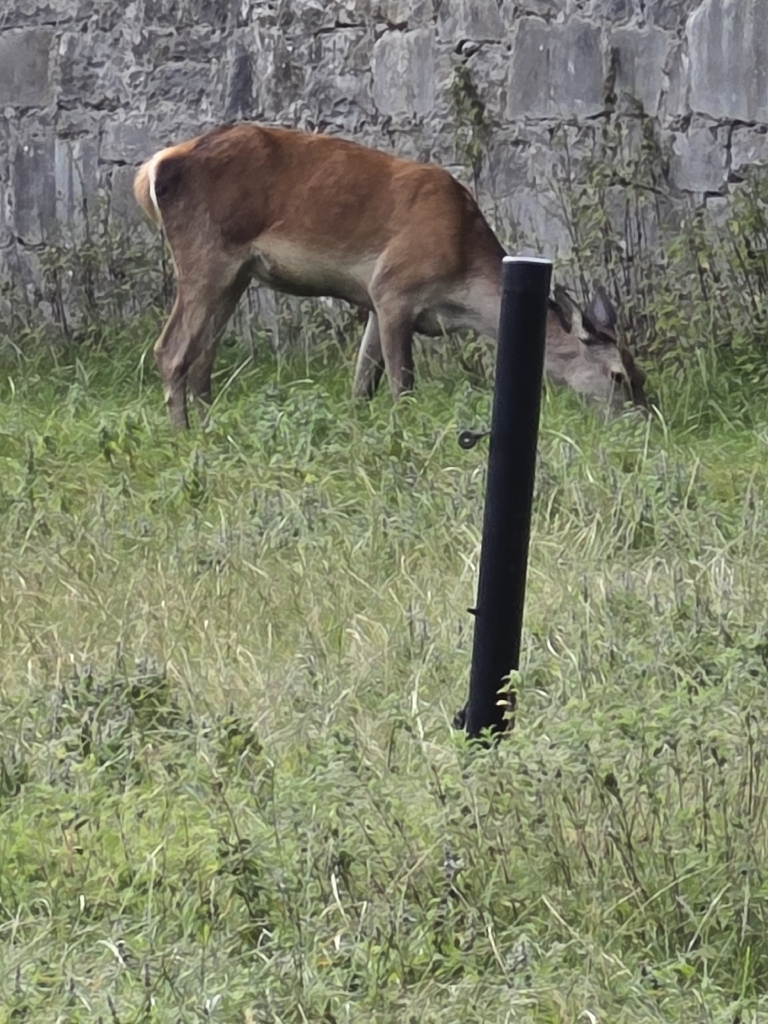
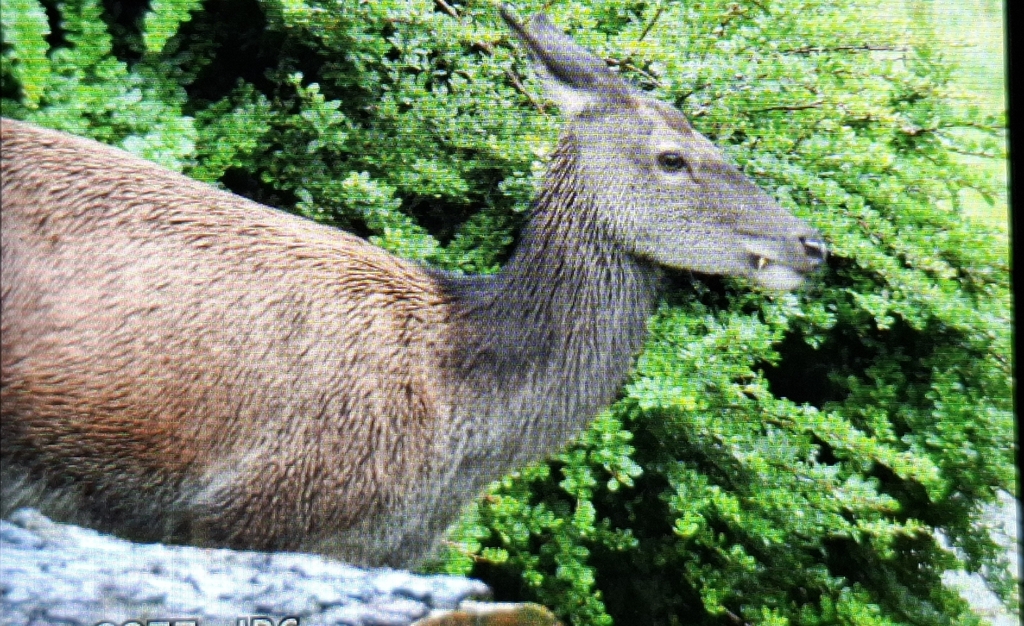
Johan Adler · CC BY 4.0
Related Species

Was this profile helpful?