
Mammalia · Carnivora
Red Fox
Vulpes vulpes
Least ConcernAlso known as: American Cross Fox, Arctic Marble Fox, Cross Fox, Domestic Fox, Domesticated Fox
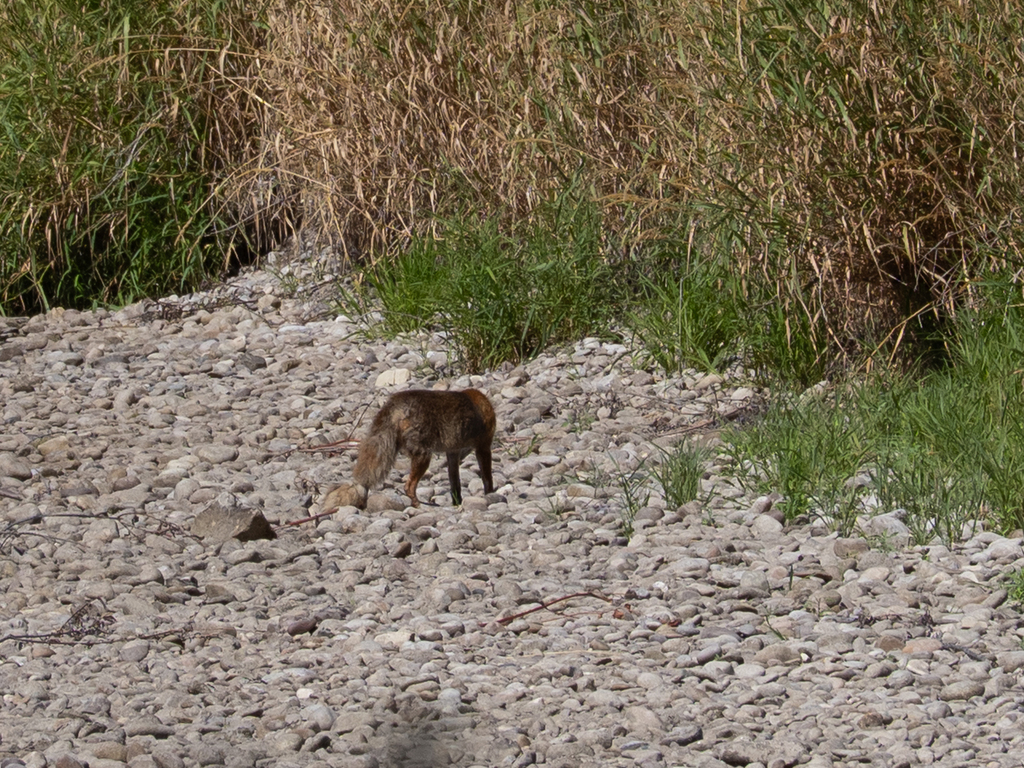
© Aubin NORMAND · iNaturalist · CC BY 4.0
The red fox is one of the most successful and widespread carnivores on Earth. With its russet coat, black ear tips, and white-tipped tail, Vulpes vulpes cuts an instantly recognizable silhouette across temperate and boreal landscapes. Found across 27 countries—spanning Europe, Asia, North America, and Australia—this adaptable predator thrives in forests, grasslands, farmland, and urban gardens with equal aplomb.
Classified as Least Concern by the International Union for Conservation of Nature, Vulpes vulpes remains stable despite centuries of persecution and habitat change. Its survival owes much to exceptional dietary flexibility—from small rodents and rabbits to fruit, insects, and human refuse—and a remarkable ability to exploit fragmented or human-dominated landscapes. What truly sets this species apart is not merely its geographic range, but its capacity to coexist with humans in ways few wild carnivores manage, making it both a symbol of wilderness and an increasingly familiar neighbor in suburbs and cities worldwide.
Identification and Appearance
Vulpes vulpes is a medium-sized canid with a distinctive lean build and proportionately long tail. The body is notably elongated with relatively short limbs, giving the animal a low-slung, graceful silhouette. The tail is particularly characteristic, measuring approximately 70 percent of the head and body length and extending to the ground when the animal stands at rest. This bushy tail serves as both a balance organ during rapid turns and a visual signal to other foxes.
Adults typically stand 35 to 50 centimetres tall at the shoulder. The coat is predominantly russet-red or orange-red on the dorsal surface, with white underparts extending from the chin down the belly and inner legs. The tail tip is characteristically white, and the backs of the ears are black. The legs and feet are often darker than the main body, ranging from dark brown to black. A dark stripe—sometimes called the “spine line”—may run along the back from the shoulders to the tail base. Facial markings include black tear-marks running from the eyes to the muzzle, and the muzzle itself tapers to a sharp, pointed snout. The ears are large, triangular, and held erect, with dense fur covering them both inside and out.
Individual variation occurs across the global range; some populations exhibit darker, more heavily furred individuals, particularly in northern regions where heavier coats provide insulation. Maximum body mass reaches approximately 4.6 kilograms, though this varies geographically. The species can live up to 21.3 years in captivity, though wild individuals typically live considerably shorter lifespans. Sexual dimorphism is subtle, with males generally being slightly larger than females, though field identification of sex is difficult without handling the animal.
Distribution and Habitat
Vulpes vulpes has an extensive global distribution spanning 27 countries across multiple continents. The species is most abundant in Australia, with 92 documented records, followed by the United States (53 records) and Germany (31 records). Substantial populations also occur in the United Kingdom, Israel, Finland, Canada, Russia, Italy, and Spain, reflecting its remarkable adaptability to diverse climates and landscapes.
The red fox occupies a wide range of ecological niches from temperate to boreal regions. Its presence in countries spanning from Mediterranean climates to subarctic zones demonstrates exceptional habitat flexibility. The species thrives in mixed agricultural landscapes, grasslands, woodlands, and urban environments, colonizing both rural and suburban areas with relative ease.
Observations show a pronounced seasonal pattern, with peak activity recorded in January. This concentration in winter months aligns with the species’ breeding season and increased visibility during snowy conditions in northern regions, though the species remains active year-round across its range. The global distribution reflects both natural range expansion and human-mediated introductions, particularly in Australia and parts of North America, where the species has become established outside its native Eurasian and North African range.
Biology and Behavior
Behavior
Red foxes display flexible social organization, establishing either stable home ranges in fixed territories or living as itinerants with no permanent base. They mark their territories using urine, a behavior that intensifies seasonally and differs between males and females. These foxes are primarily nocturnal and crepuscular, hunting most actively during dawn and dusk hours. Social bonds are reinforced through grooming interactions, particularly between pair-bonded individuals.
Daily activity revolves around hunting, resting in dens or shelter, and maintaining territorial boundaries. Red foxes are adaptable in their habitat use, thriving in forests, farmland, mountains, and increasingly in urban areas where they scavenge from human refuse. In areas with stable food supplies, they establish smaller territories; in resource-poor regions, they range more widely.
Diet
Red foxes are opportunistic omnivores with a highly flexible diet. Small mammals, particularly rodents like voles and mice, form the primary food source in most regions. They also hunt rabbits, hares, and other small vertebrates. Seasonal availability drives dietary shifts: insects, berries, and plant matter become important during summer and autumn, while carrion supplements winter feeding.
Urban populations exploit food waste and pet food left outside homes, reducing hunting pressure. Red foxes also scavenge kills from larger predators and consume bird eggs and chicks when available. This dietary flexibility allows them to persist in diverse environments and survive periods of prey scarcity.
Reproduction
Red foxes breed once annually, with mating occurring between December and February in the Northern Hemisphere. Gestation lasts approximately 51–53 days, and females typically produce litters of 4–6 kits, though litter size varies with food availability and female condition. Both parents contribute to rearing offspring: the male brings food to the lactating female and later helps teach kits hunting skills.
Kits are born blind and helpless in underground dens or burrows. They emerge above ground at 3–4 weeks of age and are weaned by 8–10 weeks. Independence is achieved around 6–7 months, though juveniles may remain with parents into autumn before dispersing to establish their own territories. Lifespan in the wild averages around 3–4 years, though individuals have been recorded living over 21 years in protected or captive settings.
Conservation and Threats
Vulpes vulpes holds the classification of Least Concern on the IUCN Red List, reflecting its widespread distribution, ecological adaptability, and stable to increasing populations across much of its range. This status indicates the species faces no immediate risk of extinction and is not subject to significant population-level threats at a global scale.
The red fox’s success as a conservation status is underpinned by its remarkable ability to thrive in human-modified landscapes. Urban and suburban expansion, rather than threatening the species, has often expanded suitable habitat where foxes exploit food sources including refuse, small mammals, and vegetation. Populations are increasing in many regions, particularly in Europe and parts of North America, where the species has benefited from reduced persecution and legal protections in several jurisdictions.
Threats and Management
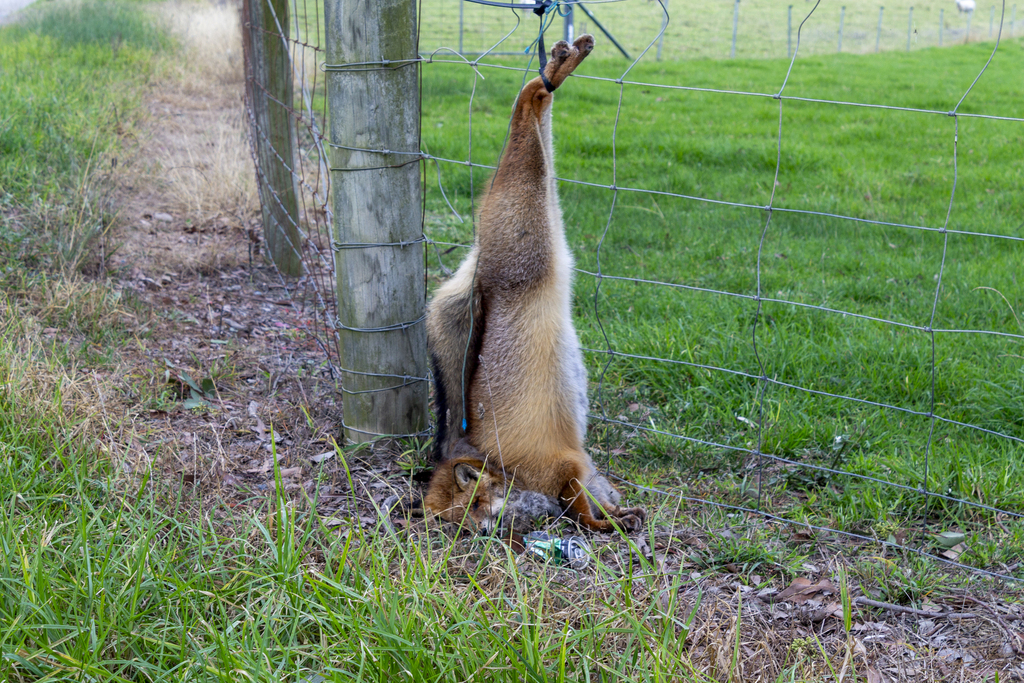
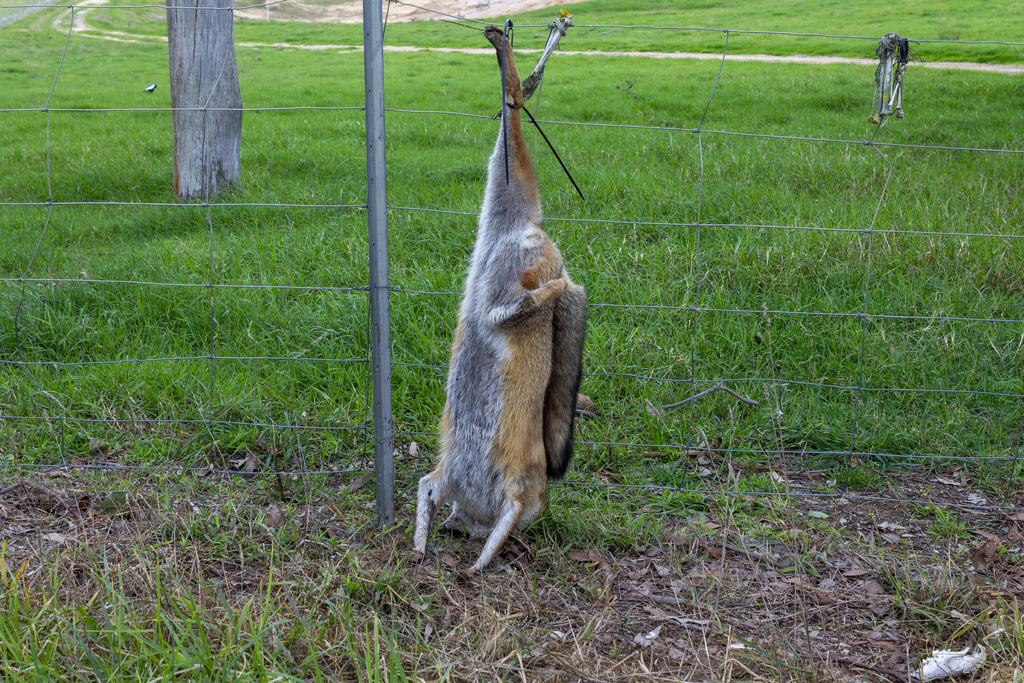
Although the species faces no universal threats, regional pressures exist. In areas where the red fox is considered agricultural or game pest, culling programs and poisoning campaigns continue, though these have localized rather than population-wide impacts. Vehicle strikes represent a significant source of mortality in developed regions, particularly in landscapes bisected by major roads. Habitat loss remains relevant in fragmented agricultural systems, though the fox’s generalist nature minimizes this risk compared to specialist predators.
Legal protections and hunting regulations vary widely by jurisdiction. In the European Union, the species receives protection under various national wildlife laws, while in North America, regulated hunting and trapping seasons aim to manage populations while allowing sustainable harvest. Disease transmission, including rabies and mange, can affect local populations but does not threaten the species globally.
Fun Facts
The red fox is one of nature’s great survivors, thriving from Arctic tundra to city suburbs. Despite being introduced to new continents and listed among the world’s worst invasive species, it remains one of the most successful carnivores on Earth.
- Largest of the true foxes: While smaller than wolves and coyotes, the red fox outsize all other members of the genus Vulpes, earning it the title of largest true fox in the world.
- A hitchhiker with human civilization: The red fox’s range has expanded dramatically alongside human settlement and agricultural development, following us into new territories as we reshape the landscape.
- An invasive success story in Australia: Introduced to Australia in the 1870s, red foxes now prey on native small and medium-sized rodents and marsupials, making them one of the country’s most damaging introduced predators despite their relatively recent arrival.
- Paradoxically protected: Despite being listed among the world’s 100 worst invasive species, the red fox maintains a conservation status of Least Concern on the IUCN Red List—a reflection of its remarkable adaptability and population stability across its range.
- Urban hunters with acute hearing: Red foxes can hear a mouse squeak from 100 metres away and use Earth’s magnetic field to hunt beneath the snow, making them formidable predators in both rural and city environments.
- Solitary foragers with family bonds: Although typically solitary hunters, red foxes form stable pair bonds and den family groups, with offspring sometimes remaining to help raise the next generation.
Conservation Status
LC (Least Concern) · NT · VU · EN · CR · EW · EX
Photo Gallery
Aubin NORMAND · CC BY 4.0
Related Species
Was this profile helpful?