
Mammalia · Carnivora
Gray Wolf
Canis lupus
Least ConcernAlso known as: American Wolf, Arctic Wolf, Black Wolf, Common Wolf, Grey Wolf

© Sarah Clark-George · iNaturalist · CC BY 4.0
The gray wolf is one of the most widely distributed carnivores on Earth, commanding respect across arctic tundra, boreal forests, and temperate grasslands alike. Its haunting howl—a sound that has shaped human culture and mythology for millennia—serves as a reminder of the wild places where this apex predator still roams. Found across 44 countries spanning the Northern Hemisphere and beyond, Canis lupus has proven remarkably adaptable, surviving in environments as harsh as the Arctic Circle and as varied as the deserts of the Arabian Peninsula.
Despite centuries of persecution and habitat loss, gray wolves remain classified as Least Concern on the IUCN Red List, a testament to both their ecological resilience and the growing recognition of their ecological importance. Their recovery in parts of North America and Europe has sparked intense scientific interest and heated public debate, making them a focal point for conservation biology and wildlife management worldwide. Understanding the biology, behavior, and needs of gray wolves is essential not only for their long-term survival but for the health of entire ecosystems they inhabit.
Identification and Appearance
Canis lupus, the gray wolf, is the largest living member of the family Canidae. It is distinguished from coyotes and jackals by its broader snout, shorter ears, shorter torso, and longer tail. The animal is slender yet powerfully built, with a large, deeply descending rib cage, a sloping back, and heavily muscled neck that give it an imposing silhouette.
Size and Build
Gray wolves are formidable predators by canid standards. Adults typically weigh between 23 and 80 kilograms, though weights vary considerably by geographic population and sex. Body length ranges from 0.87 to 1.3 metres, with shoulder height between 0.6 and 0.9 metres. The wolf’s legs are notably longer than those of other canids, an adaptation that enables swift movement and the ability to traverse deep winter snow across much of its range. This elongated frame, combined with its muscular build, makes the gray wolf an efficient pursuit predator.
Coat and Coloration
The wolf’s fur is dense and layered, providing insulation in harsh climates. Coloration varies geographically and individually, ranging from pale cream and white to dark gray, brown, and black, often with grizzled or mottled patterns across the back and sides. Many individuals display darker fur along the spine and lighter underparts. The dense outer guard hairs shed seasonally, and wolves undergo a complete coat renewal each year to maintain thermal protection.
Gray wolves typically live up to 20.6 years in protected populations, though wild individuals often have shorter lifespans due to predation, starvation, and human-caused mortality. Sexual dimorphism is present, with males generally larger and heavier than females, though both sexes share the same basic body structure and adaptations.
Distribution and Habitat
Canis lupus occurs across 44 countries on multiple continents, reflecting its historical status as one of the world’s most widely distributed carnivores. GBIF records show India, Germany, and Belgium lead the observation counts, with 41, 30, and 28 records respectively. However, these data likely represent museum specimens, historical records, and reintroduction sites rather than current wild populations.
The species maintains strongholds in Russia (14 records), the United States (17 records), and parts of the Middle East including Iran and Israel. Secondary populations are documented in Australia (20 records), Thailand (20 records), and Egypt (11 records)—distributions that likely reflect captive animals, zoos, or historical occurrence data rather than established wild breeding populations. The concentration of records across such disparate regions highlights how museum collections and citizen science platforms capture both past and present occurrences of this wide-ranging predator.
Observation data peaks sharply in January, with 300 records concentrated in that month and no records for any other month in the dataset. This unusual temporal pattern suggests the data may reflect a specific survey effort, institutional collection period, or reporting bias rather than natural seasonal movement. Without detailed elevation data available, current records do not establish specific altitudinal preferences, though Canis lupus historically occupied habitats ranging from tundra and boreal forests to temperate woodlands and semi-arid regions across the Northern Hemisphere.
Biology and Behavior
Behavior
Gray wolves are highly social animals that live and hunt in organized packs, typically consisting of a breeding pair (the alpha male and female) and their offspring from multiple years. Pack size ranges from 2 to 15 individuals, though larger groups can form in areas with abundant prey. Within the pack, a clear social hierarchy maintains order during hunts, feeding, and denning. Wolves are primarily nocturnal and crepuscular, intensifying their activity during dawn and dusk when prey is most active.
Packs establish and defend territories that can span 50 to 1,300 square kilometers depending on prey density and habitat. Territorial boundaries are marked with urine, scat, and howling—a behavior that serves both to communicate across distances and to warn rival packs away from occupied land. Wolves are renowned for their coordinated hunting strategy: they work together to pursue prey, often taking turns running at quarry to exhaust it before closing in for the kill. This cooperation is fundamental to their success in hunting large ungulates like moose and bison that no individual wolf could subdue alone.
Diet
Gray wolves are obligate carnivores that hunt large ungulates as their primary food source. Moose, elk, bison, and mule deer form the backbone of their diet in most ecosystems. A single wolf consumes approximately 5 to 7 kilograms of meat per day, though they are capable of eating up to 15 kilograms in one feeding session after a successful hunt. Between kills, wolves may go several days without food, relying on stored body reserves.
Wolves also take smaller prey including beaver, rodents, and birds when large game is scarce or difficult to acquire. In some regions, salmon provide an important seasonal food source. Carrion and anthropogenic food sources (livestock, garbage) supplement wild prey, particularly in areas near human settlements. Pack members share kills according to social rank, with the alpha pair typically feeding first, though they often allow nursing females and pups to eat before lower-ranking adults.
Reproduction
Gray wolves breed once per year, typically between January and March in the Northern Hemisphere. Only the alpha pair reproduces in most packs; subordinate females are suppressed from breeding through a combination of social stress and pheromonal inhibition from the alpha female. After a gestation period of approximately 63 days, the female gives birth to a litter of 4 to 6 pups (range 1 to 11) in a den or sheltered location.
Pups are born blind and helpless, remaining in the den for 8 to 10 weeks before emerging. All pack members participate in raising the young: they regurgitate pre-chewed meat to feed pups, babysit them during hunts, and teach them hunting and social skills through play. Pups are weaned at 8 to 9 weeks but continue to depend on the pack for food and protection. Young wolves typically remain with their natal pack for 1 to 3 years before dispersing to find mates and establish new territories. In the wild, gray wolves typically live 6 to 8 years, though individuals can reach 20.6 years in protected populations with minimal human-caused mortality.
Conservation and Threats
Canis lupus holds a Least Concern status on the IUCN Red List, reflecting its wide distribution across the Northern Hemisphere and its ability to persist in diverse environments. This classification indicates the species is not currently at high risk of extinction globally, though regional populations face distinct pressures.
The global population of gray wolves is increasing in many areas, a result of reintroduction programmes, legal protections, and habitat recovery in parts of North America and Europe. This positive trend demonstrates the species’ capacity to recover when human persecution ceases and suitable habitat remains available. However, this improvement masks significant regional variation—some populations thrive while others remain critically small or isolated.
Threats
The primary threat to gray wolves is habitat loss and land conversion driven by agricultural expansion. As farmland replaces forests and grasslands, wolves lose both hunting grounds and denning sites, forcing them into closer contact with livestock and human settlements. This fragmentation isolates populations, reducing genetic diversity and increasing vulnerability to local extinction.
Beyond habitat loss, gray wolves face persecution from ranchers and hunters in many regions. Lethal control programmes, legal hunting seasons, and poaching remain significant sources of mortality, particularly where livestock depredation occurs or cultural attitudes toward predators remain hostile. Vehicle strikes also cause notable deaths in areas where wolf ranges overlap with road networks.
Conservation Efforts
Legal protections vary dramatically by jurisdiction. In much of Europe and North America, gray wolves enjoy legal protection or strictly regulated hunting. The Gray Wolf Recovery Program in the United States, which reintroduced wolves to Yellowstone National Park and the Southwest, represents one of conservation’s most successful large predator recoveries. Similar reintroduction initiatives operate across Europe, with wolves naturally recolonising former ranges in countries including Germany, Poland, and France.
International cooperation through wildlife treaties and transboundary conservation agreements helps maintain viable wolf populations across national borders. Educational programmes and compensation schemes for livestock losses aim to reduce human-wildlife conflict and shift public perception toward coexistence.
Cultural Significance
The gray wolf has occupied a prominent place in human mythology and symbolism across cultures spanning its historical range. Ancient Greek tradition associated wolves with Apollo, the god of light and order, while Romans connected the species with Mars, their deity of war and agriculture. The Romans also wove wolves into their foundational mythology: the legend of Romulus and Remus, the city’s legendary founders, centers on their rescue and nurturing by a she-wolf—a narrative immortalized in the famous Capitoline Wolf sculpture from the 13th century. Norse mythology featured wolves prominently as well, including the feared giant wolf Fenrir and Geri and Freki, the loyal companions of the god Odin.
Across Asia, wolves held distinct symbolic weight in different traditions. In Chinese astronomy, the wolf represents the star Sirius and serves as guardian of the heavenly gate. Conversely, Chinese culture traditionally associated wolves with negative human traits—greed and cruelty—using wolf-related epithets to describe vices such as cruelty (“wolf’s heart”), mistrust (“wolf’s look”), and sexual excess (“wolf-sex”). In both Hinduism and Buddhism, by contrast, wolves appear as mounts for protective deities, reflecting their role as powerful and valued spiritual forces.
Fun Facts
- Wolves are the largest wild members of the Canidae family, yet they have distinctly shorter muzzles and less pointed ears than their smaller relatives like coyotes and jackals. This unique combination of size and softer facial features sets them apart in their own subfamily.
- Despite their substantial size differences, wolves can interbreed with both coyotes and golden jackals to produce fertile offspring. This genetic compatibility reveals how recently these species diverged evolutionarily, even though they occupy very different ecological niches.
- Arctic wolves have evolved pale white coats as camouflage in snowy environments, but this is just one variation among more than thirty recognized subspecies—including the domesticated dog and the Australian dingo, both now considered descendants of Canis lupus. This extraordinary diversity reflects wolves’ ability to adapt to nearly every terrestrial habitat on Earth.
- Wolves possess longer tails and shorter torsos compared to other Canis species, giving them a distinctive silhouette that aids in balance during high-speed pursuits across varied terrain. This body proportioning makes them uniquely suited for long-distance hunting across open landscapes.
- A wolf’s howl can be heard up to 10 kilometres away and serves multiple purposes: coordinating pack movements, establishing territory, and strengthening social bonds. Each wolf has a unique howl signature, much like a fingerprint, allowing pack members to recognize individuals across distances.
- Wolves hunt cooperatively in packs with a hierarchical structure, but contrary to popular myth, they do not have a violent “alpha” that fights for dominance. In wild packs, the breeding pair leads through experience and respect, with younger wolves learning hunting strategies through observation.
Ecology
Habitats
Diet
Behavior
Conservation Status
LC (Least Concern) · NT · VU · EN · CR · EW · EX
Photo Gallery
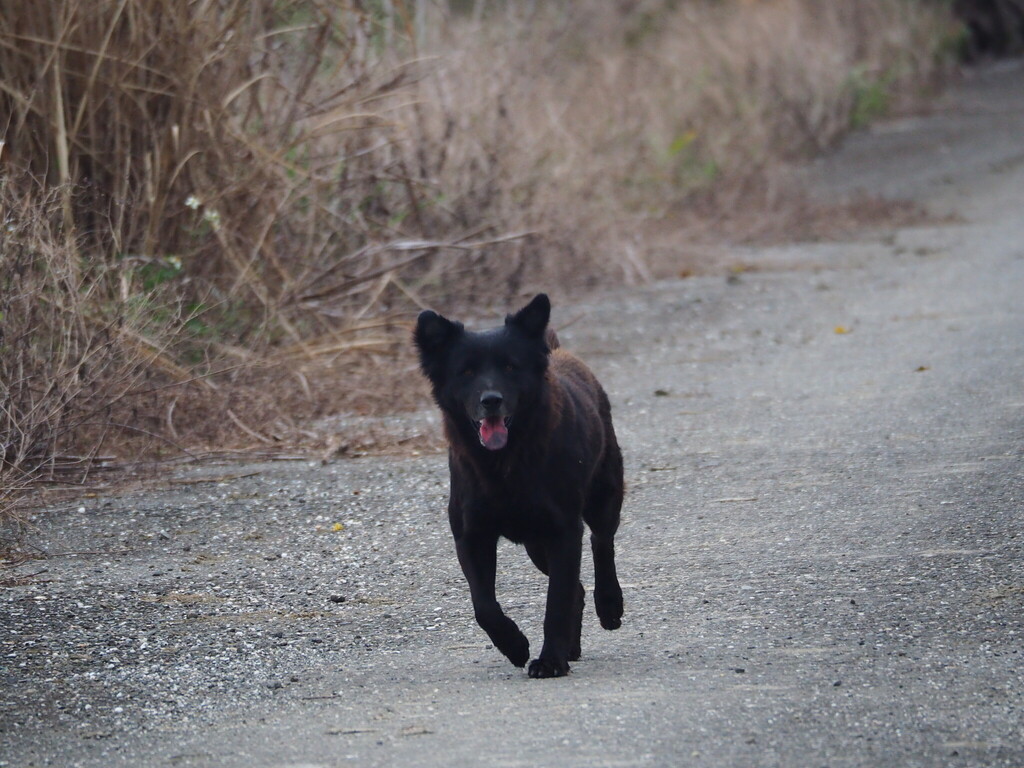
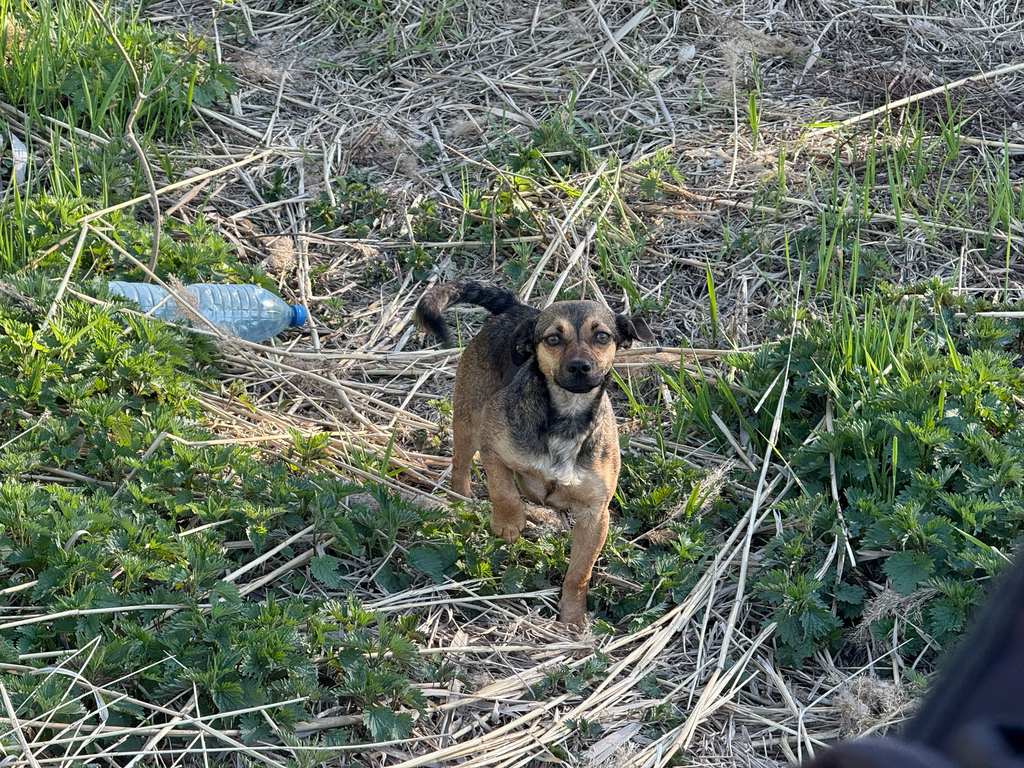
Sarah Clark-George · CC BY 4.0
Related Species
Was this profile helpful?