
Agaricomycetes · Boletales
Scaber Stalk
Leccinum scabrum
Also known as: Blushing Bolete, Brown Birch Bolete, Brown Birch-Bolete
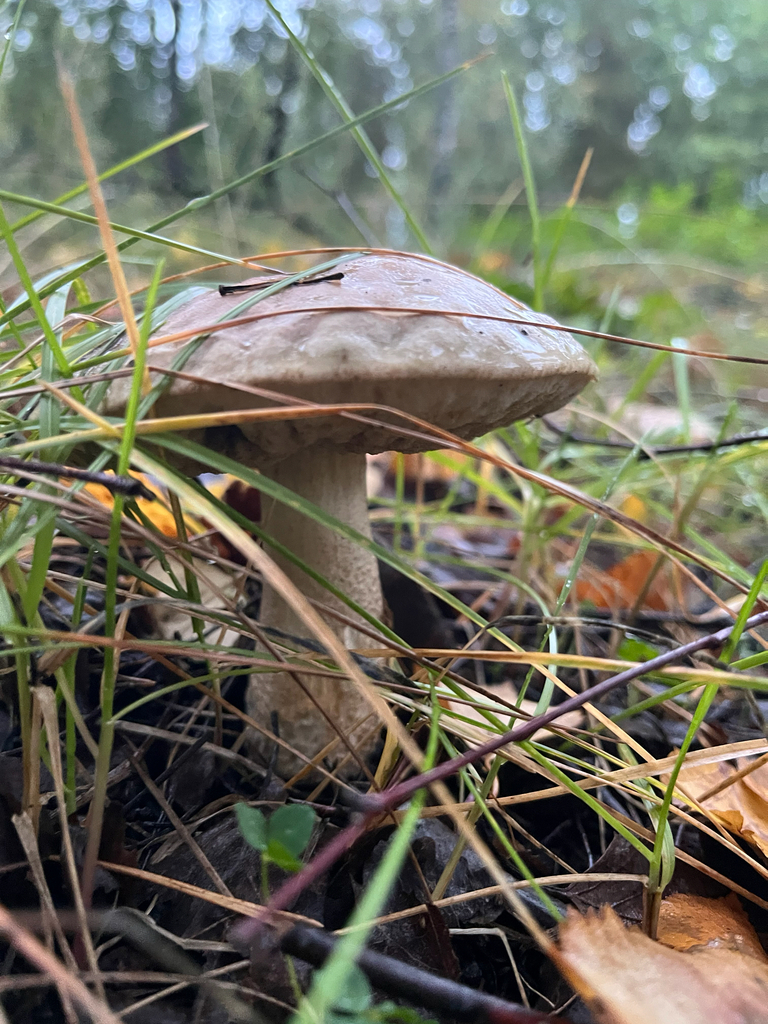
© florarium · iNaturalist
Scientific Classification & Quick Facts
Classification
Known For
Detailed measurements for this species are still being verified.
Leccinum scabrum, commonly known as the Scaber Stalk, is a distinctive bolete fungus recognised by the rough, scabby texture that adorns its stem—a feature that gives the species both its scientific epithet and vernacular name. This fungus belongs to the family Boletaceae, a group celebrated among mycologists and foragers alike for their fleshy fruiting bodies and ecological importance. Found across at least 22 countries worldwide, the Scaber Stalk occupies a significant place in temperate and boreal ecosystems.
Despite its wide geographic distribution, relatively little is formally documented about the ecology and conservation needs of this species. The Scaber Stalk exemplifies a broader knowledge gap in mycology: while some fungi have been extensively studied, countless species remain understudied in the scientific literature, their roles in forest health and nutrient cycling only partially understood.
Identification and Appearance
Cap and General Structure
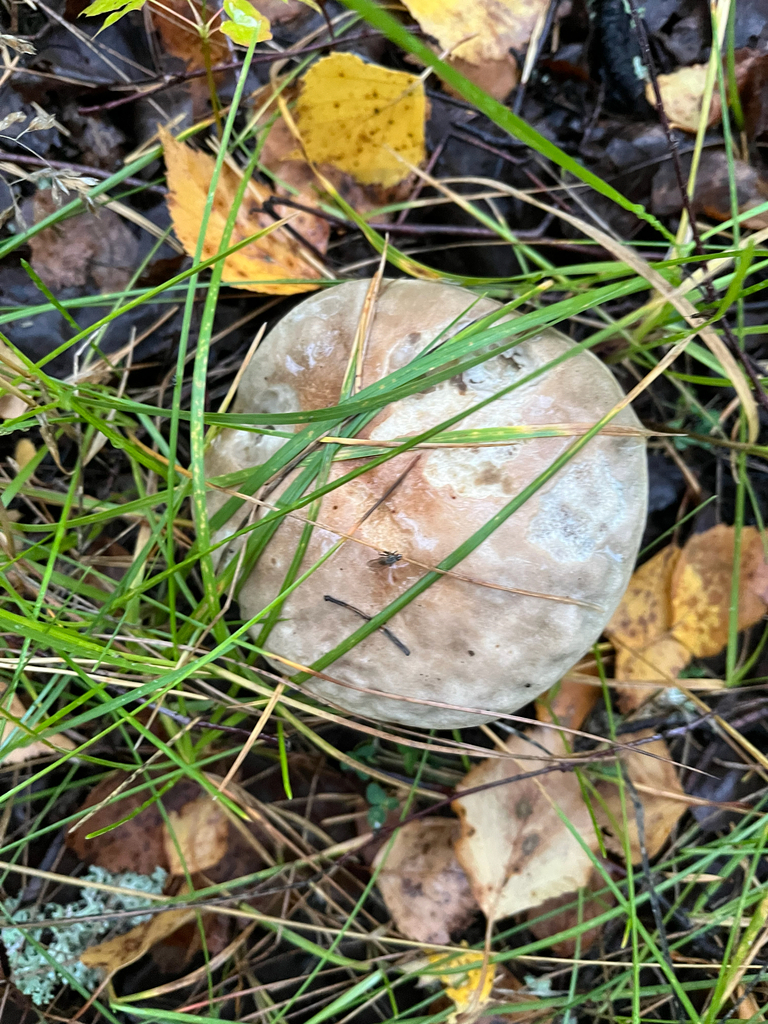
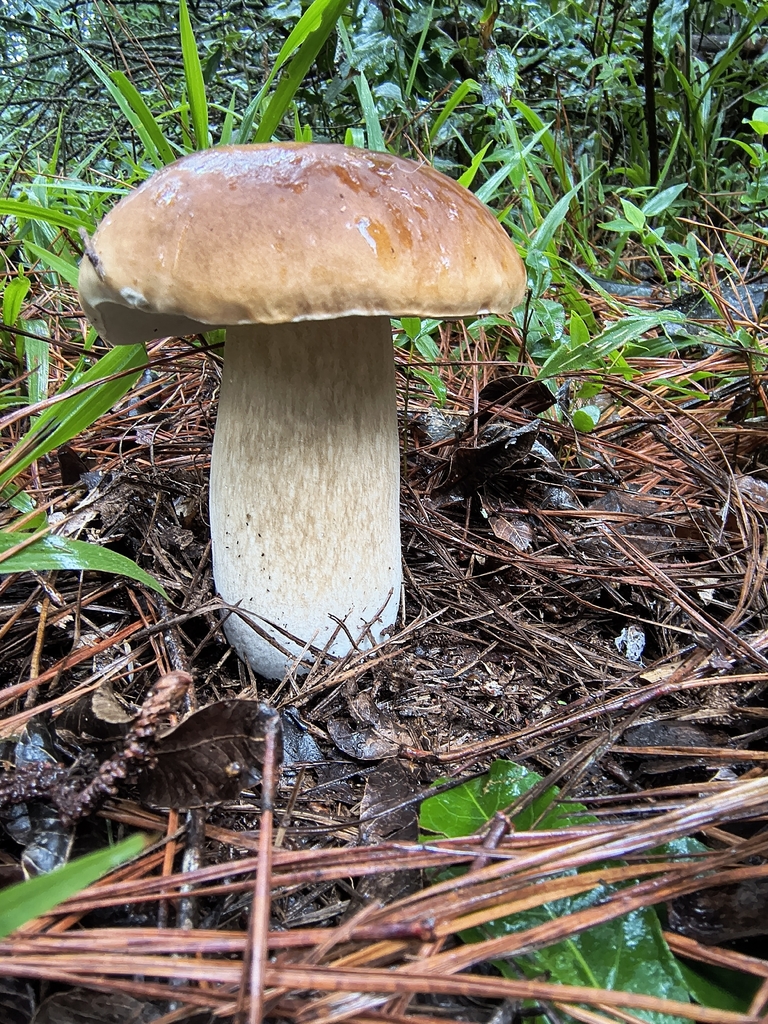
The cap of Leccinum scabrum ranges from 4 to 10 centimetres in width and begins convex before gradually flattening with age. The surface colour is tan to brownish, often with a distinctly lighter margin that becomes more prominent as the mushroom matures. This colour contrast between the cap centre and edge is a reliable identifying feature in the field.
Stem and Distinctive Features
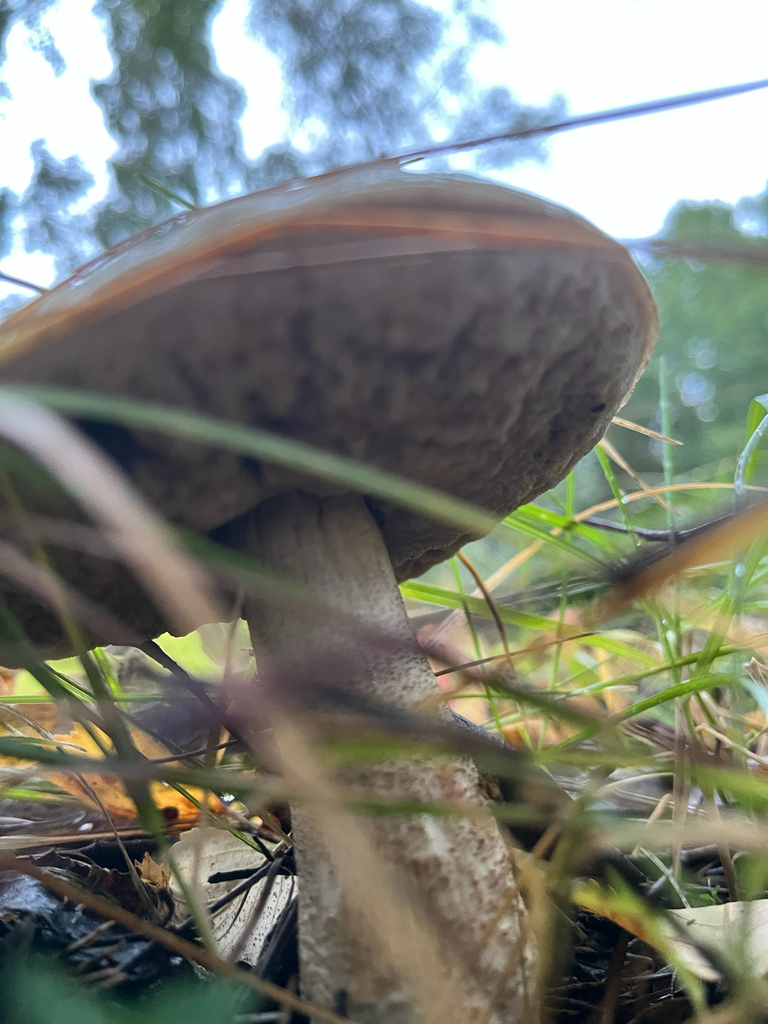
The stem bears the characteristic that gives this species its common name: prominent dark scabrous (rough, scaly) spots or granules that cover its lower portion. These scale-like structures are dark brown to blackish and stand out sharply against the paler background of the stem, making them highly distinctive. The rough texture of these granules is the key diagnostic feature separating L. scabrum from related species in the genus.
Flesh and Spore-bearing Surfaces
The flesh is white and firm, turning slightly greyish or pinkish when cut or bruised—a trait common to many Leccinum species. The pores on the undersurface are pale initially, gradually darkening to yellow or grey-brown as the mushroom ages, and bruise readily when handled. These colour changes in both flesh and pores are natural aging processes and do not indicate toxicity in this edible species.
Distribution and Habitat
Leccinum scabrum, the Scaber Stalk, has a predominantly temperate distribution across the Northern Hemisphere and Southern Hemisphere, with records from 22 countries worldwide. New Zealand dominates the occurrence data with 148 records, followed by Norway (35), Russia (33), Sweden (23), and Finland (17). The species also appears in Australia (15), Chile (4), the United States (4), Kazakhstan (3), and the Czech Republic (3), indicating a broad ecological tolerance for cool to temperate climates.
The fungus shows a marked seasonal pattern, with fruiting concentrated between February and July in the Southern Hemisphere and April to July in the Northern Hemisphere. Peak fruiting occurs in July, when the most observations are recorded. The absence of records from August through January suggests this species requires specific moisture and temperature conditions that develop during spring and early summer months.
Specific elevation data is not available for this species. However, its presence across both lowland and montane regions in New Zealand, Scandinavia, and Russia indicates it tolerates a wide range of altitudes wherever suitable host trees and soil conditions exist. The species forms mycorrhizal associations with birch and other deciduous or mixed forest trees, making it a woodland fungus rather than a grassland or alpine specialist.
Ecology and Lifecycle
Lifecycle
Leccinum scabrum begins its life as vegetative mycelium spreading through soil and organic matter, where it forms symbiotic relationships with tree roots. When environmental conditions align—typically cool, moist weather in late summer through autumn—the fungus produces fruiting bodies. These mushrooms emerge from the forest floor over a period of weeks, with individual specimens appearing in successive flushes as long as moisture persists.
Once mature, the mushroom releases millions of microscopic spores from the pores beneath its cap. Wind and water currents carry these spores across the landscape, where they settle on suitable substrates. Spore germination occurs when conditions are favourable, and new mycelium begins colonizing fresh wood or forest soil, completing the cycle.
Ecological Role
Leccinum scabrum is a mycorrhizal fungus, forming beneficial associations with birch trees and occasionally other Betulaceae species. The fungal mycelium connects to tree roots, exchanging nutrients absorbed from soil in return for carbohydrates produced by the tree’s photosynthesis. This relationship enhances nutrient uptake for the host tree, particularly nitrogen and phosphorus, allowing both organisms to thrive in nutrient-poor environments.
In forest ecosystems, this species also contributes to organic matter cycling. As fruiting bodies age and decay, they return nutrients to the soil, enriching it for subsequent plant growth and microbial communities. The scaber stalk thus functions as both a symbiotic partner and a participant in nutrient recycling.
Uses
Leccinum scabrum is edible and widely consumed across northern Europe, particularly in Scandinavian and Eastern European cuisines. The mushroom has a firm, pale flesh and a mild flavour, making it suitable for sautéing, stewing, or pickling. Many foragers value it as a reliable autumn harvest, and it appears regularly in regional markets where mushroom collecting traditions remain strong.
The species has no known medicinal applications, though it contains typical fungal nutrients including proteins, vitamins, and minerals. No toxic compounds have been documented in this species, making it a safe choice for consumption after proper identification and cooking. Like all wild mushrooms, thorough cleaning and adequate heat treatment are essential before eating.
Conservation and Threats
Leccinum scabrum, the Scaber Stalk, has not been formally assessed for the IUCN Red List, meaning its global conservation status remains unclassified. No official population size or trend data is currently available from major biodiversity databases. This absence of formal assessment does not indicate that the species is thriving—rather, it reflects the limited resources devoted to monitoring fungal conservation worldwide. Many mushroom species, even those of ecological or cultural importance, lack the systematic monitoring applied to vertebrate and plant taxa.
The Scaber Stalk is widely distributed across temperate regions of Europe and North America, where it fruits in association with birch and other hardwood trees. Its reliance on healthy, mature forest habitats—particularly those with intact mycorrhizal networks—means it is potentially vulnerable to large-scale habitat loss and degradation. Intensive forestry practices, including clear-cutting and monoculture replanting, can disrupt the fungal communities on which this boletus depends. Climate change and altered precipitation patterns may also affect fruiting phenology and recruitment success, though specific impacts remain poorly documented.
Threats and Conservation Efforts
The primary threats to Leccinum scabrum stem from habitat loss and fragmentation. Conversion of mixed deciduous forests to agricultural land or urban development reduces the availability of suitable host trees and the undisturbed soil conditions required for mycelial growth. Commercial harvesting pressure, particularly in regions where the species is prized as an edible mushroom, can potentially reduce local fruiting bodies if collection is unsustainable, though the resilience of the mycelium itself to harvesting is not well understood.
Currently, no specific conservation programmes or legal protections target the Scaber Stalk. The species is not listed under European or North American protected species regulations. However, its conservation is indirectly supported through broader woodland protection initiatives and the designation of forest reserves that maintain old-growth or native forest structure. Supporting the creation and management of mixed-species woodlands—particularly those containing birch, oak, and other hardwoods—provides indirect protection for this fungus and thousands of other woodland fungi.
Fun Facts
- The scaber stalk was originally classified as Boletus scaber before taxonomists reclassified it into the genus Leccinum, reflecting evolving understanding of bolete relationships and evolutionary history. This kind of taxonomic reassignment is common as molecular data refines fungal classification systems.
- Its distinctive rough, scabby stem texture—which gives the species its common names of scaber stalk, rough-stemmed bolete, and birch bolete—is a defining identification feature that makes it instantly recognizable in the field. No other common bolete in temperate regions has quite the same granular, speckled stem appearance.
- The scaber stalk belongs to the family Boletaceae, a lineage of fungi with a specialized anatomy: they produce spores in tubes beneath the cap rather than gills, allowing them to release millions of spores through vertical pores. This tube-based system is mechanically more efficient at spore dispersal than traditional gill structures.
- Despite being edible, the scaber stalk requires thorough cooking to be safe for consumption, as raw flesh contains compounds that can cause gastrointestinal upset in some individuals. Proper preparation—peeling the outer skin and boiling or roasting—neutralizes these irritants and makes the mushroom safe to eat.
- The scaber stalk forms mycorrhizal relationships specifically with birch trees, meaning it cannot fruit without the presence of living birch roots in the soil. This tight ecological partnership explains why these mushrooms appear reliably in birch woodlands and parks where their host trees thrive.
- Young specimens have white pores that gradually darken to gray and eventually black with age, providing a useful age indicator for foragers trying to select mushrooms at their peak texture and flavor. This color shift happens over just a few days of maturation.
Photo Gallery
florarium ·
Related Species
Was this profile helpful?