
Agaricomycetes · Boletales
Scutiger Bolete
Leccinum
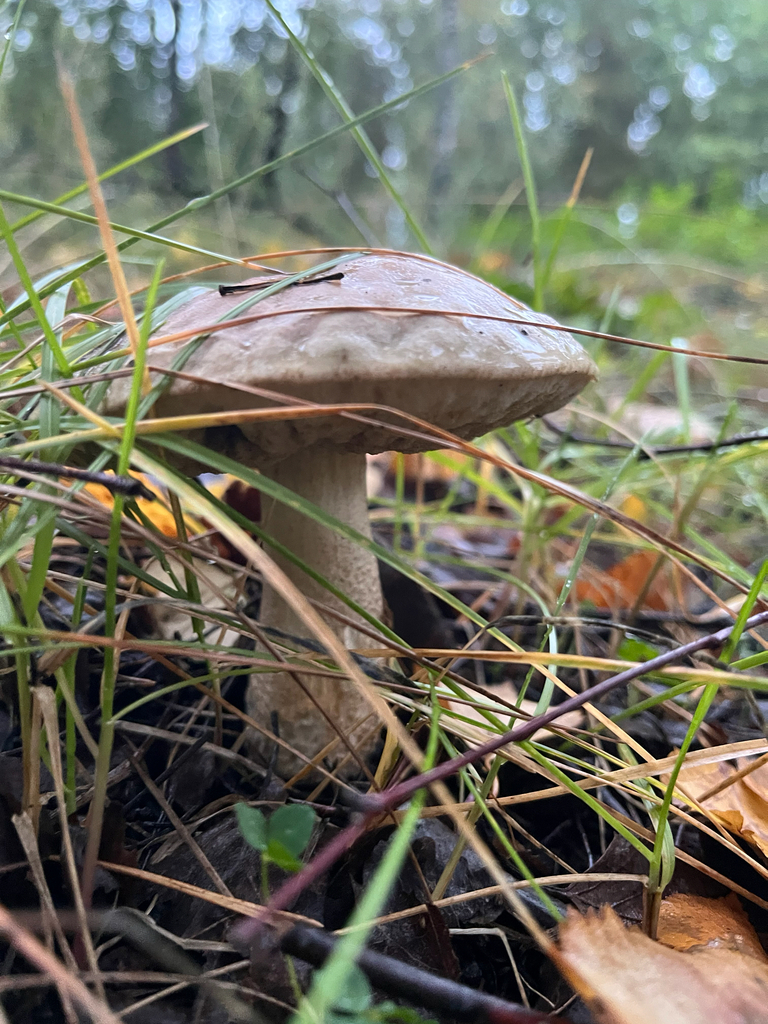
© florarium · iNaturalist
Scientific Classification & Quick Facts
Classification
Known For
Full profile in progress — check back soon.
The Scutiger Bolete, scientifically known as Leccinum, belongs to the family Boletaceae—a lineage of fungi renowned for their fleshy fruiting bodies and distinctive pored undersides. Found across 18 countries worldwide, this genus represents a widespread and ecologically significant group of forest-dwelling mushrooms. The genus name itself derives from the Latin word for a small shield, a reference to the characteristic appearance of these boletes in nature.
Members of Leccinum are woodland specialists, often forming complex relationships with trees through mycorrhizal associations—a partnership where fungal mycelium exchanges nutrients with tree roots. Their fruiting bodies typically emerge in autumn, displaying the robust construction and earthy colors typical of bolete fungi. Understanding the distribution and ecology of this genus remains important for mycologists and forest ecologists alike, particularly as global woodland habitats continue to shift.
Identification and Appearance
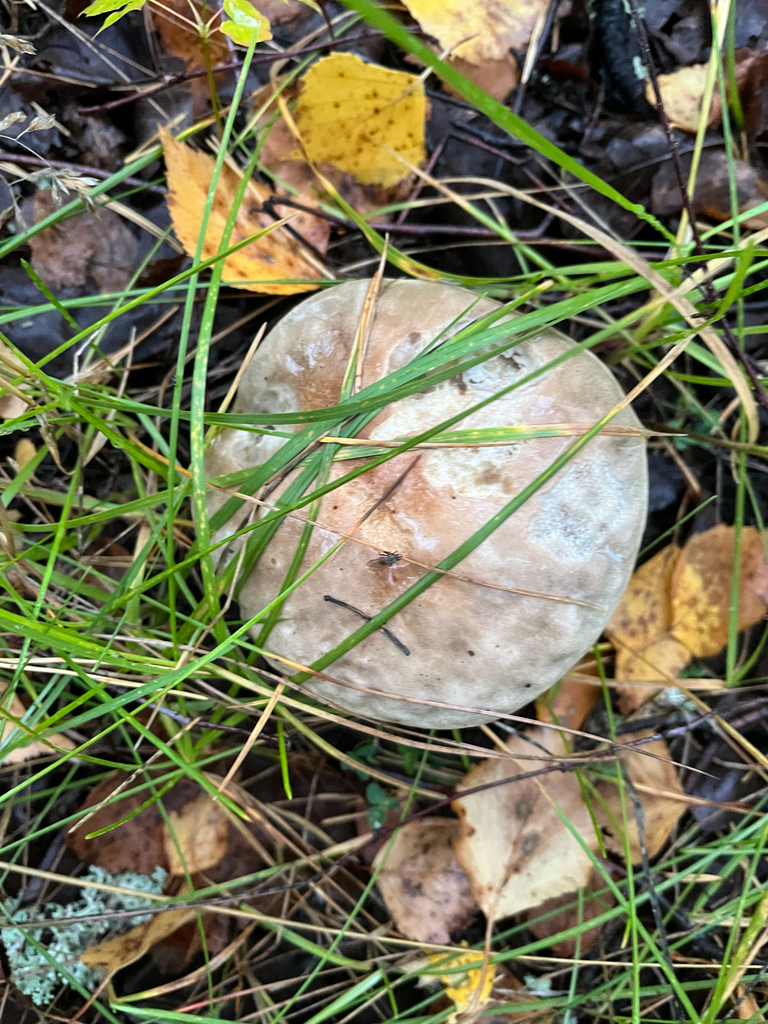
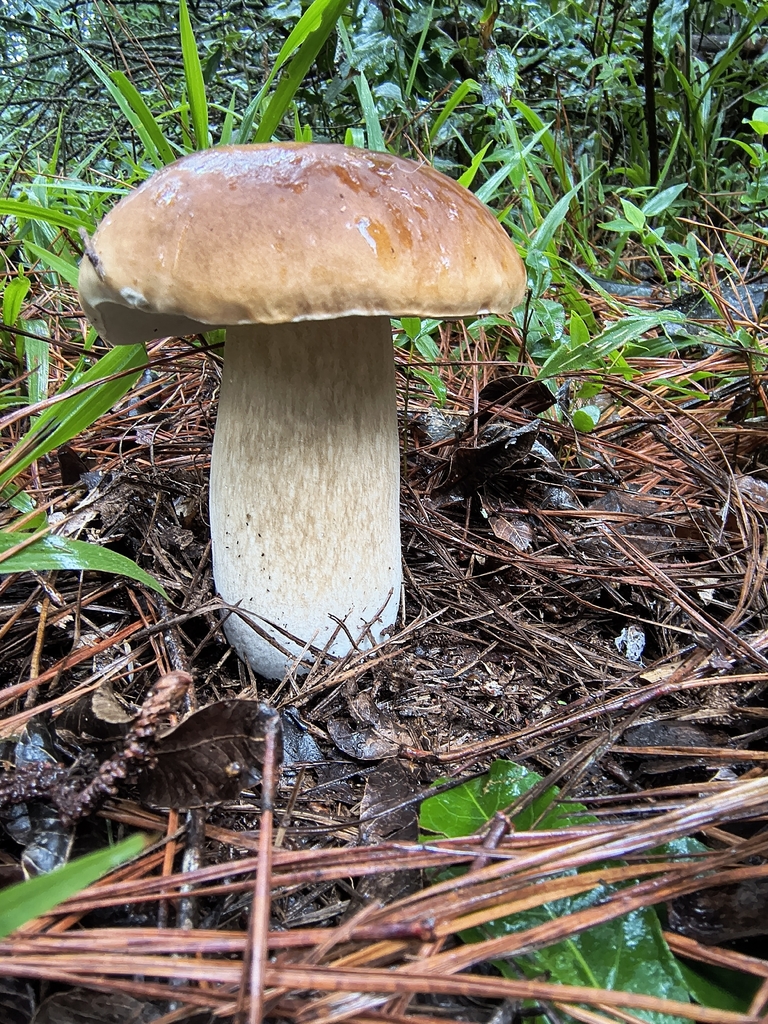
Leccinum species are distinctive boletes characterized by a slender, elongated stipe adorned with prominent brown to black, scab-like scales running lengthwise along its surface. The stipe is typically white or cream-colored and notably longer than the diameter of the cap, giving these mushrooms their characteristic tall, elegant proportions. The cap itself is often convex and pale to tan in color, though this varies among species within the genus.
Cap and Hymenophore
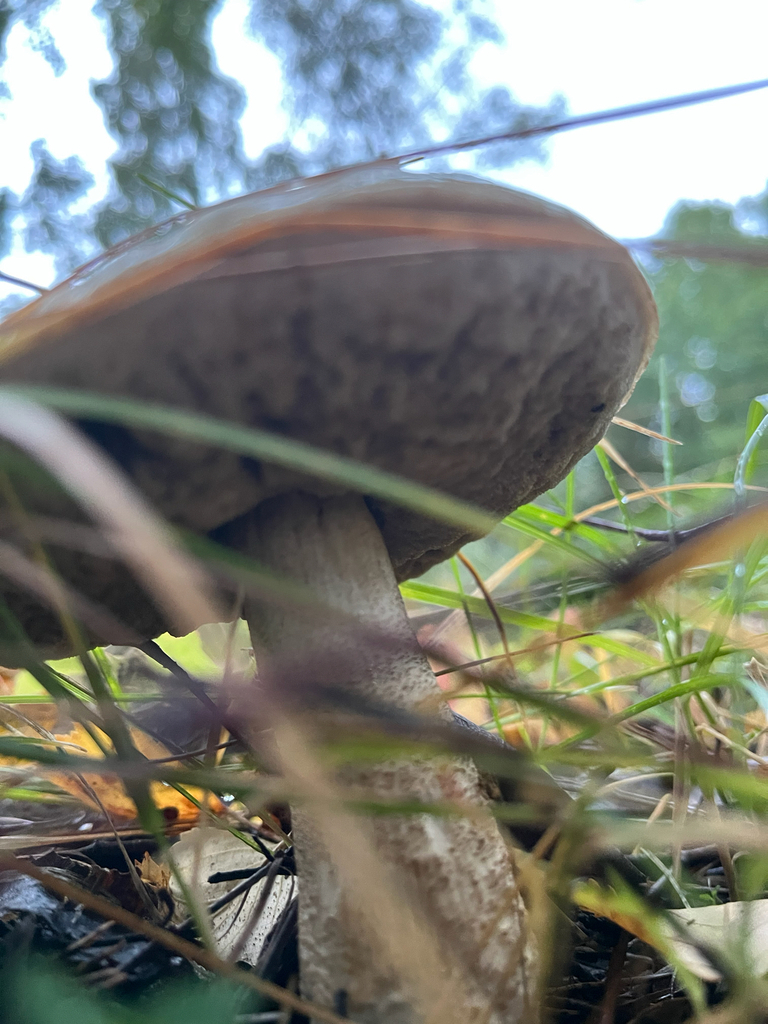
The hymenophore (the spore-bearing underside) is colored yellow or off-white and consists of thin, ventricose tubes that extend longer than the thickness of the cap itself. The tubes terminate in small, regular pores that add to the delicate appearance of the undersurface. This tubing arrangement is more developed relative to cap thickness than in many other boletes, creating a distinctive proportional feature useful for field identification.
Stipe and Bruising Characteristics
The stipe’s defining feature is the arrangement of scab-like scales that cover its surface—these range from brown to nearly black and are distributed in distinct longitudinal patterns. When the mushroom is injured or handled, the stipe flesh reacts in one of two ways: it either remains unchanged in color, or it stains blue or red, depending on the species. The basidiospores are notably long and smooth compared to those of other mushroom genera, a characteristic visible only under microscopic examination but important for definitive species identification.
Distribution and Habitat
Leccinum (Scutiger Bolete) has been recorded across 18 countries, with a heavily skewed distribution toward the Southern Hemisphere. New Zealand dominates the occurrence record with 241 observations, followed distantly by Australia (16 records) and the United States (10 records). Smaller populations appear in Russia, Chile, Costa Rica, Kazakhstan, South Africa, Spain, and Hungary, suggesting a scattered global presence beyond its primary stronghold.
The genus shows a pronounced and distinct seasonal pattern in the Northern Hemisphere and Southern Hemisphere. Peak fruiting occurs in April—autumn in the Southern Hemisphere—when the majority of observations are recorded. A secondary flush appears in February and March, while the genus is entirely absent from records during June through November. This stark seasonal window indicates that Leccinum has tightly constrained fruiting phenology, likely tied to specific soil temperature and moisture regimes associated with autumn conditions in temperate regions.
Specific elevation data are not currently available for this genus. Similarly, detailed habitat classifications have not been standardized in available records. The widespread occurrence across geographically and ecologically distinct regions—from New Zealand’s forests to North American woodlands and Central Asian steppes—suggests Leccinum occupies diverse ecological niches, though the exact substrate preferences and forest associations remain incompletely documented in current biodiversity databases.
Ecology and Lifecycle
Lifecycle
Leccinum species begin their lifecycle as vegetative mycelium—a network of fungal threads extending through soil and wood. This mycelial stage is long-lived and may persist for years, forming intimate connections with host tree roots. When environmental conditions favour fruiting (typically during wet autumn months in temperate regions), the mycelium channels nutrients and water into fruiting bodies, which emerge above ground as the distinctive boletes we recognise as mushrooms.
The fruiting body develops a cap and spongy pores beneath, lined with thousands of basidia. Each basidium produces microscopic spores that are released into the air when mature. Wind and air currents disperse these spores widely, allowing them to settle in new locations where conditions permit germination. Successful spore germination requires appropriate moisture, temperature, and proximity to compatible host trees—the spore germinates and establishes new mycelial colonies that may eventually fruit years later.
Ecological Role
Leccinum species are ectomycorrhizal fungi, forming obligate partnerships with trees rather than acting as decomposers. The fungal mycelium wraps around fine tree roots, extending the plant’s absorptive surface and improving nutrient uptake. In return, the tree supplies the fungus with sugars produced through photosynthesis. This mutualistic relationship is essential for many trees, particularly in nutrient-poor soils where mycorrhizal partnerships enhance survival and growth.
Most Leccinum species are specialist associates, forming relationships with a single host genus. L. atrostipitatum partners exclusively with birch (Betula), while L. vulpinum associates only with pines (Pinaceae). This host specificity reflects deep coevolution and means these fungi are keystone components of their respective woodland ecosystems. L. aurantiacum and L. scabrum are notable exceptions, partnering with multiple tree genera including birch, poplar, and oak, allowing them to fruit across a wider range of habitats.
Uses
Several Leccinum species, particularly L. scabrum and L. quercinum, are harvested as edible mushrooms in Europe, Asia, and North America. These boletes are prized for their firm texture and mild flavour. In China and other regions, they have a long culinary tradition and are marketed fresh or dried. Proper identification is essential, as some Leccinum species may cause gastrointestinal upset in sensitive individuals.
Beyond culinary use, Leccinum mushrooms have been investigated for potential bioactive compounds, though commercial medicinal applications remain limited. Their ecological importance as mycorrhizal partners outweighs their direct human value—protecting their habitat and host trees ensures these fungi continue to support forest health and productivity.
Conservation and Threats
Leccinum, commonly known as Scutiger Bolete, has not been formally assessed by the IUCN Red List. This absence of a formal conservation status reflects the limited research attention fungi species receive globally compared to plants and animals. Without systematic monitoring data, population trends and size estimates remain unknown for this genus.
Threats
The primary threat to fungal species like Leccinum is habitat loss and degradation. These fungi form mycorrhizal associations with trees—particularly birch and other hardwoods—meaning they depend on the persistence of their host species and the integrity of forest ecosystems. Deforestation, urban expansion, and land-use conversion directly reduce the availability of suitable woodland habitat where these fungi can establish and fruit.
Climate change poses an emerging threat through altered precipitation patterns and temperature shifts that may disrupt the synchronisation between fungal fruiting bodies and their ecological timing. Pollution of soils and air, along with intensive forestry practices that simplify stand structure, further diminish the complex soil conditions mycorrhizal fungi require to thrive.
Conservation Efforts
No specific legal protections or targeted conservation programmes for Leccinum are widely documented. However, protection of broadleaf and mixed woodlands benefits this genus indirectly. Many European countries include fungal species in broader biodiversity protection frameworks, and some regions designate old-growth forests or nature reserves where these fungi persist undisturbed.
Fun Facts
- The genus name Leccinum derives from the Italian word Leccino, which translates to “rough-stemmed bolete”—a direct reference to the fungi’s most distinctive feature, the scabers covering their stalks.
- Scabers are small, rigid projections that give Leccinum species their characteristically rough texture, making them instantly recognizable compared to the smooth stems of most other boletes in the forest.
- Leccinum was not formally recognized as its own genus until the last century; for decades, these fungi were classified within the broader genus Boletus before taxonomists established it as a distinct group.
- The genus contains approximately 135 described species, with the strongest diversity in north temperate regions where they fruit abundantly in association with trees across boreal and temperate forests.
- Many Leccinum species form mutualistic relationships with specific trees—some associate exclusively with birches, others with pines or aspens—making them valuable indicators of forest composition and health.
- Despite their abundance and widespread edibility in some cultures, Leccinum species require careful preparation; several must be parboiled to remove toxins before consumption, and some individuals may trigger gastrointestinal upset even after cooking.
Photo Gallery
florarium ·
Related Species
Was this profile helpful?