Agaricomycetes · Agaricales
Death Cap
Amanita phalloides
Also known as: Deathcap, The Death Cap
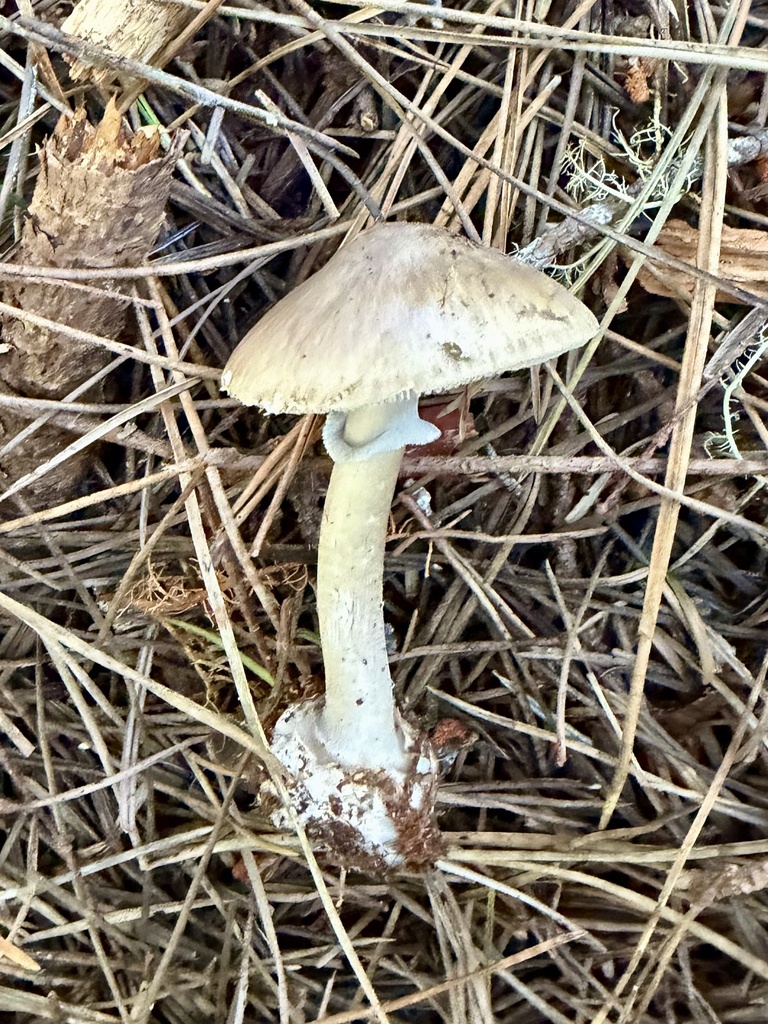
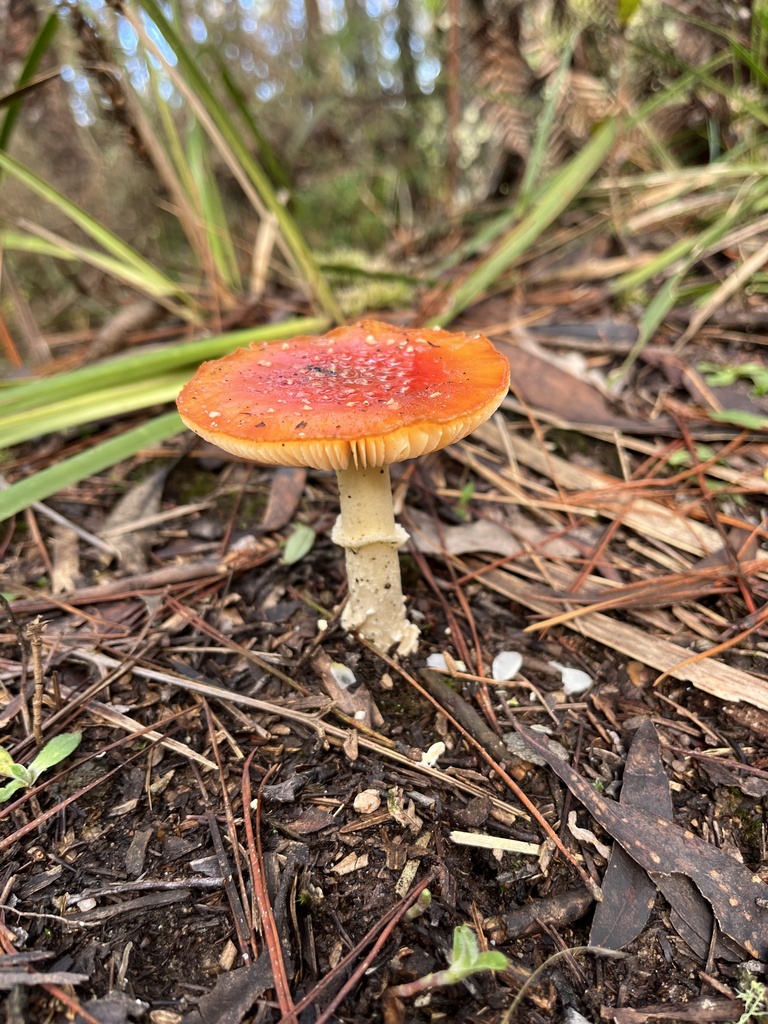
© Dutza K. · iNaturalist · CC BY 4.0
Scientific Classification & Quick Facts
Classification
Known For
Detailed measurements for this species are still being verified.
Amanita phalloides, the Death Cap, is among the most lethal organisms on Earth. A single mushroom contains enough toxin to kill an adult human, yet it kills silently—the first symptoms often arrive only after irreversible damage has been done. Found across at least 9 countries worldwide, this fungus ranks as the deadliest mushroom species globally and remains responsible for the majority of fatal fungal poisonings in humans.
What makes the Death Cap so dangerous is not aggression but chemistry. Its toxins—particularly amatoxins—disable cellular machinery at the molecular level, attacking protein synthesis in liver and kidney cells. The mushroom produces these compounds not as a defence mechanism but simply as part of its natural biochemistry, a biochemistry that happens to be catastrophically poisonous to humans. Understanding this species requires examining both its biology as a fungus and its devastating impact when encountered in the wild.
Identification and Appearance
Amanita phalloides is a large, imposing fungus with a distinctive fruiting body that can be mistaken for edible species—a dangerous confusion that has claimed countless lives. The cap ranges from 5 to 15 centimetres across and is initially rounded and hemispherical, flattening with age. The colour palette is deceptively variable: pale-green, yellowish-green, olive-green, or bronze are typical, though a white form also occurs. The margins are often paler than the centre and may display darker streaks, a feature that varies among individual specimens.
The gills are white and free (not attached to the stem), remaining pristine throughout the mushroom’s life. Below the gills sits a distinctive white cup-like structure called the volva, which is partially buried in soil and represents the remnant of the universal veil. The stem is white, slender, and rises from this cup, typically 8 to 13 centimetres in height. A thin, delicate white ring (annulus) encircles the upper stem. These features—the free white gills, the volva, and the ring—are critical identification markers that distinguish the death cap from safe species, though the similarity to certain edible mushrooms remains dangerously close.
Distribution and Habitat
Amanita phalloides has established a widespread presence across multiple continents, with the highest concentration of records in North America. The United States dominates observations with 235 records, followed by New Zealand (25), Australia (24), South Africa (6), Argentina (4), and Chile (3). Smaller populations have been documented in Portugal, Spain, and Uruguay. This non-native fungus appears to have dispersed far from its native European range, likely through the movement of infected soil and tree roots associated with horticultural trade.
The fungus fruits during spring months in its introduced range, with May representing the clear peak of fruiting activity (113 records). A secondary pulse occurs in April (46 records), while smaller numbers emerge in January through March. No fruiting has been recorded between June and December in the available dataset, suggesting that introduced populations follow a restricted seasonal cycle compared to their native European phenology.
Specific elevation data is not available for the recorded occurrences, though A. phalloides typically associates with oak, chestnut, and other broadleaf trees in both native and introduced regions. The species is a mycorrhizal partner with tree roots, meaning its distribution depends entirely on the presence of compatible host trees. In North America and Australasia, established populations cluster near urban and suburban areas where European ornamental trees have been planted, particularly in cooler temperate zones.
Ecology and Lifecycle
Lifecycle
Amanita phalloides begins its life as microscopic spores dispersed through the air from the gills of mature fruiting bodies. These spores germinate in suitable soil conditions and develop into threadlike mycelium, which grows through the soil and leaf litter in search of compatible tree roots. Once contact is established with a host tree, the mycelium forms an ectomycorrhizal partnership—a mutually beneficial relationship where the fungus wraps around the root tips and extends into the soil, increasing nutrient and water uptake for the tree while receiving carbohydrates in return.
Fruiting bodies emerge from the mycelium typically in autumn, pushing through soil and organic matter as pale, bulbous structures enclosed in a universal veil. As the mushroom expands, this veil ruptures, leaving a distinctive cup-like structure (the volva) at the base and often fragments across the pale cap. The fruiting body matures over days to weeks, during which the gills beneath the cap develop and produce millions of spores. Once mature, spores are released into the air by the slightest breeze or vibration, completing the cycle and dispersing the fungus across new territories.
Ecological Role
Amanita phalloides functions as an ectomycorrhizal partner to a wide range of tree species, both hardwoods and conifers. In its native European range, it associates most commonly with oaks but also with beeches, chestnuts, horse-chestnuts, birches, filberts, hornbeams, pines, and spruces. In introduced regions such as coastal California, it has adapted to associate with native coast live oaks and other species present in its new environment. The fungus enhances the host tree’s nutrient acquisition, particularly nitrogen and phosphorus, while the tree supplies the fungus with photosynthetically derived sugars essential for growth and reproduction.
Through this mycorrhizal network, A. phalloides also connects multiple trees, facilitating nutrient transfer between them and contributing to forest soil structure and health. The presence of its fruiting bodies indicates a functioning mycorrhizal network beneath the soil surface. However, in areas where it has become established outside its native range, it competes with native fungal partners and may alter forest dynamics by preferentially associating with introduced tree species over native ones.
Uses
Amanita phalloides has no culinary or medicinal applications. It is not used intentionally in any food tradition or pharmaceutical preparation. The fungus is studied primarily by mycologists and toxicologists to understand its biochemistry and the mechanisms of its deadly toxins, which include amatoxins and phalloidins. Some research has examined whether compounds derived from A. phalloides might have potential therapeutic applications in cancer treatment, but these remain laboratory investigations with no established clinical use.
Conservation and Threats
Amanita phalloides, the Death Cap, does not currently hold an official IUCN Red List conservation status. This absence of formal classification reflects the species’ ecological success rather than any conservation concern. The fungus is not endangered, threatened, or in decline—quite the opposite. Population trends show a steady increase, particularly in regions where it has been introduced beyond its native range in Europe.
The species’ expansion is driven by its capacity to form mycorrhizal associations with a wide range of tree species, especially oaks. As humans have transported oak trees and other host plants around the world for forestry and ornamental purposes, A. phalloides has travelled with them. This passive dispersal has established populations across North America, South Africa, Australia, and parts of Asia, where the fungus now thrives in both native and planted woodlands.
Conservation Efforts and Legal Status
Few jurisdictions have implemented specific legal protections for A. phalloides, as the primary conservation concern is not the species’ survival but rather public safety and the protection of native mycological communities. Some regions have issued advisories discouraging its introduction or recommending caution in oak tree imports from areas where the fungus is established. Conversely, no major conservation programmes exist to preserve or propagate Death Cap populations, nor would such efforts be broadly supported given the species’ toxicity.
The real conservation challenge is ecological: in regions where A. phalloides has become invasive, it may compete with native fungi for resources and alter the mycorrhizal communities that support local plants. Managing this balance—preventing further spread while respecting the fungus’s ecological role in already-colonized areas—remains an ongoing concern for mycologists and forest managers.
Fun Facts
- The death cap originated in Europe but has spread globally since the late twentieth century, hitchhiking on the roots of non-native oak, chestnut, and pine trees planted around the world. This fungus did not travel by spore alone—human horticulture became its unwitting transportation system.
- Its cap colour is deceptively variable and includes pure white forms, overturning the common assumption that death caps are always greenish-brown. This variability makes visual identification dangerously unreliable, even for experienced foragers.
- The death cap forms a mutually beneficial partnership called ectomycorrhiza with broadleaved trees, extending their roots and improving nutrient uptake in exchange for sugars. This ecological role, despite the fungus’s lethality to humans, actually aids tree establishment in regions where it has been introduced.
- Large fruiting bodies appear in summer and autumn, but the toxin amatoxin—one of nature’s most potent poisons—remains fully deadly even after thorough cooking, boiling, or drying. No culinary technique can render this mushroom safe to eat.
- A single death cap fruiting body contains enough amatoxin to kill multiple adult humans, yet the mushroom’s flavour is reportedly mild and pleasant, making accidental poisoning particularly treacherous.
- The amatoxin in Amanita phalloides works by blocking a critical enzyme in cells, causing organ failure over several days; symptoms often improve briefly before the poison triggers irreversible liver and kidney damage.
- The fungus produces two distinct classes of toxins—amatoxins and phallotoxins—working in tandem to attack human cells, a dual-toxin strategy that makes antidotes extraordinarily difficult to develop.
Ecology
Edibility
Photo Gallery
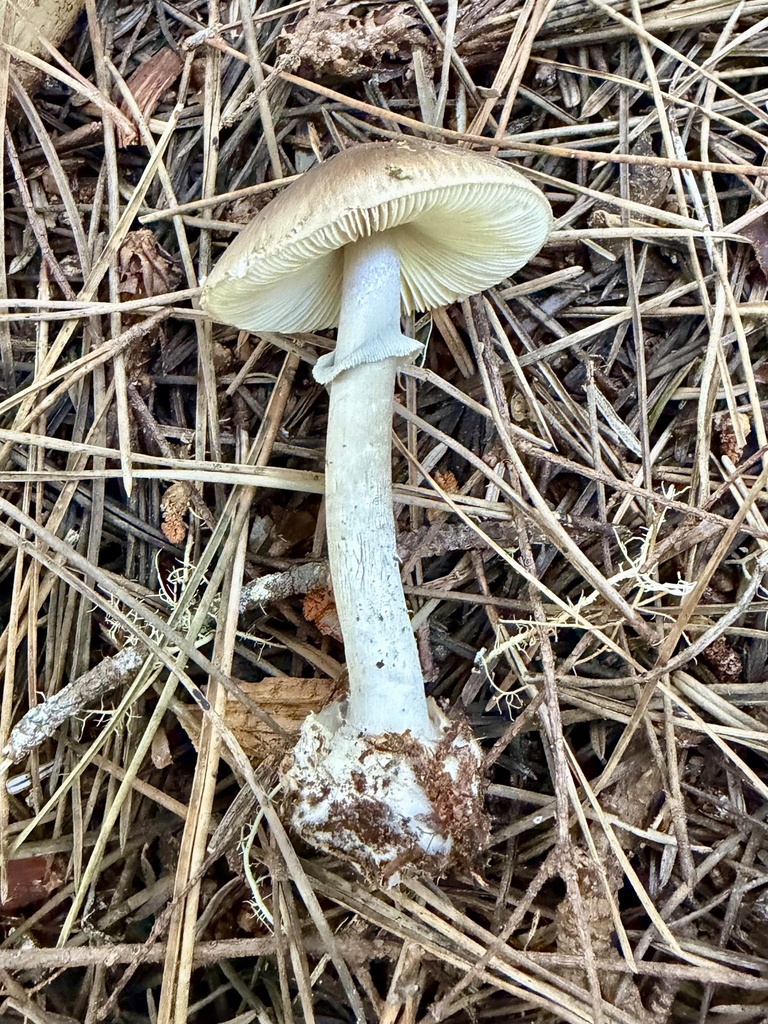
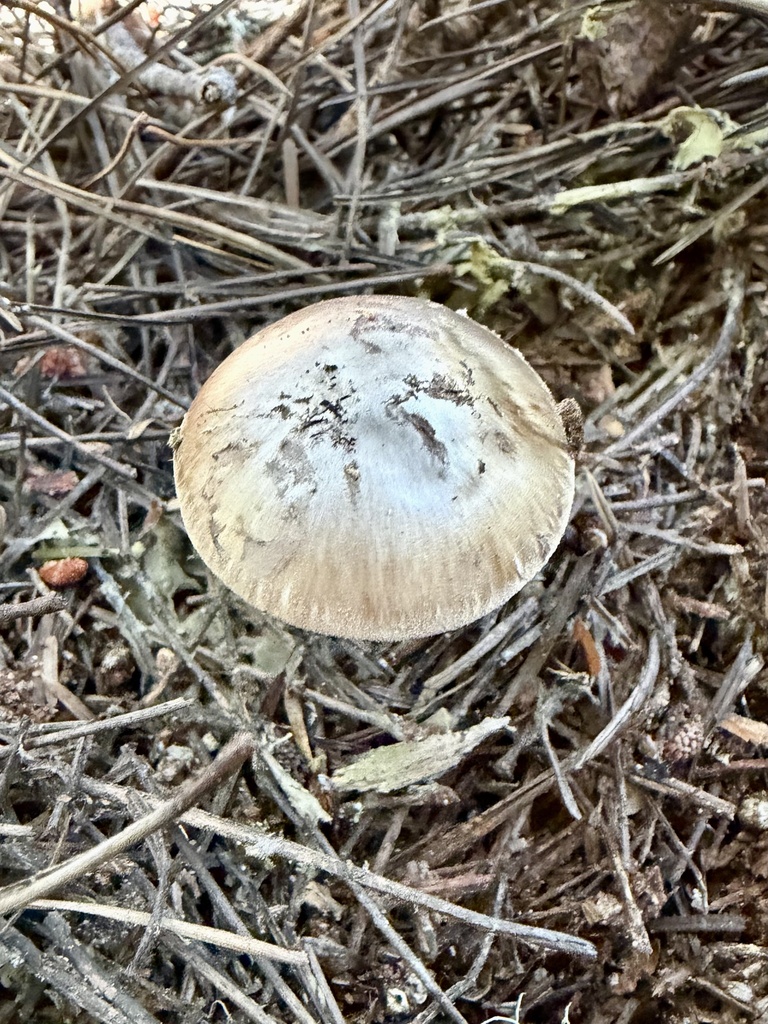
Dutza K. · CC BY 4.0
Related Species
Was this profile helpful?