
Magnoliopsida · Vitales
Grapevine
Vitis vinifera
Least ConcernAlso known as: Common Grapevine, European Grape, European wine grape, Grape, Grape-Vine
© Vladislav Isaev · iNaturalist · CC BY 4.0
Scientific Classification & Quick Facts
Classification
Known For
Detailed measurements for this species are still being verified.
Vitis vinifera, the grapevine, is one of the most economically important plants in human history. Cultivated for over 8,000 years, this woody perennial climber has shaped civilizations through wine production, fresh fruit consumption, and culinary tradition across six continents. Found wild and domesticated throughout temperate regions, the grapevine occurs in at least 37 countries and remains central to agriculture, gastronomy, and cultural identity worldwide.
Today, Vitis vinifera is classified as Least Concern by the IUCN, reflecting its successful establishment across diverse growing regions and its resilience as a cultivated crop. Yet the species faces ongoing challenges from pests, diseases, and climate variability that demand continued scientific attention. Its dual role—as both a wild species with ecological significance and a global agricultural commodity—makes the grapevine a uniquely fascinating subject for understanding how humans have transformed a plant to fit their needs while preserving its biological integrity.
Identification and Appearance
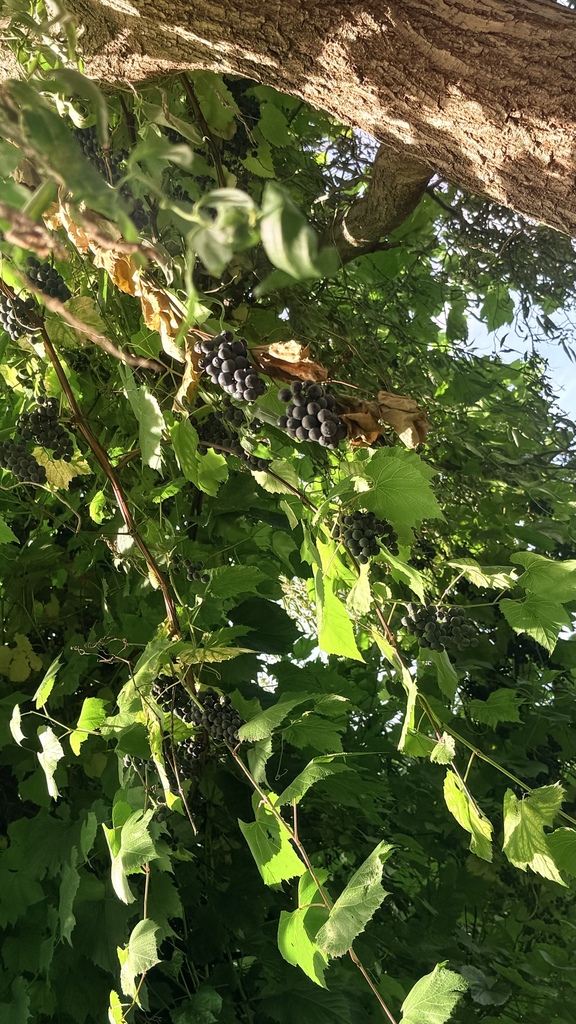
Vitis vinifera is a vigorous woody liana that grows 12–15 metres tall at a rapid rate. The plant attaches itself to supports via specialized tendrils, allowing it to climb and sprawl across trellises, arbours, and natural structures with ease.
Foliage and Bark
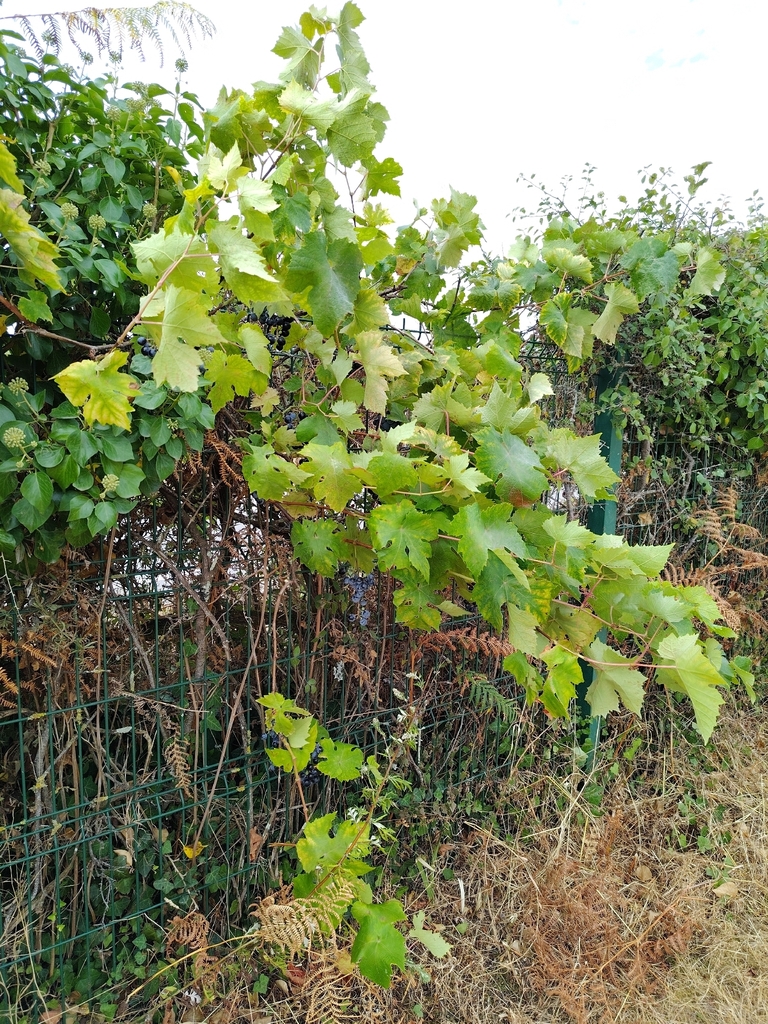
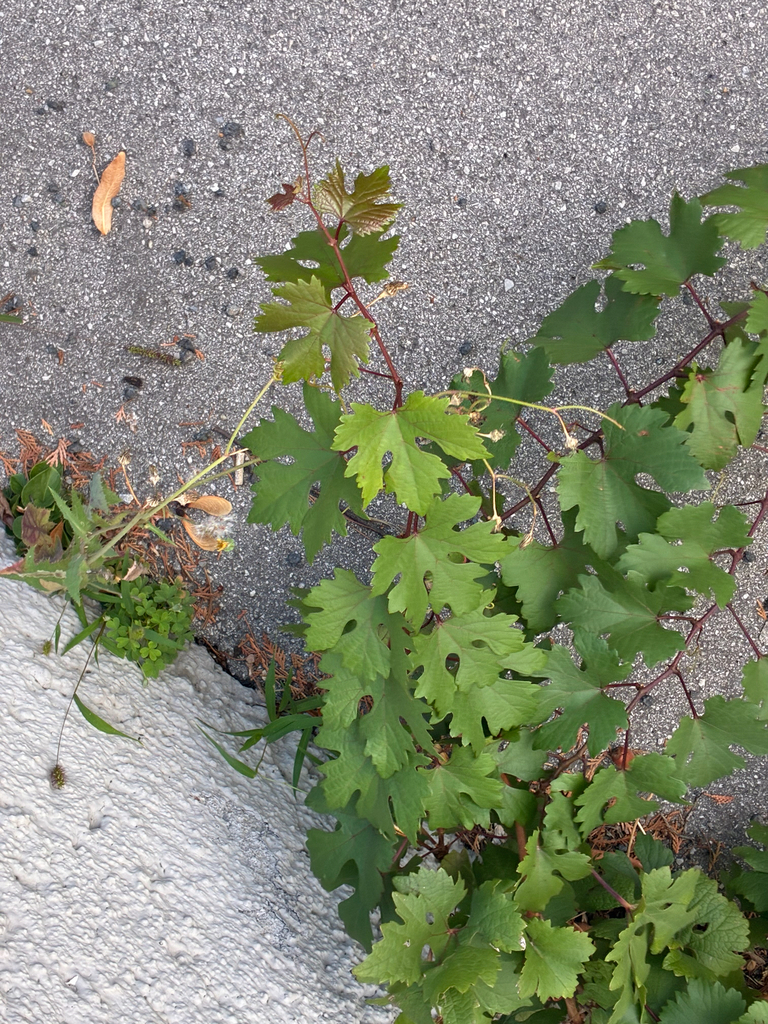
The leaves are the most recognizable feature: alternate, palmately lobed, and deciduous, with three to five sharply pointed lobes. Individual leaves measure 5–20 centimetres in length and breadth and have a distinctive heart-shaped base. The leaf margins are coarsely prickly-toothed. The upper surface is glossy dark green, while the underside is light green; the foliage is typically hairless. The bark is flaky and develops a distinctive texture as the vine matures.
Flowers and Growth Structure
The vine produces small green inflorescences that develop into fruit clusters. New growth emerges from the tips of existing twigs—a branching pattern typical of vigorous lianas. The plant’s rapid growth rate and ability to produce extensive vegetative matter make it particularly valuable for both ornamental and agricultural purposes.
Distribution and Habitat
Vitis vinifera is cultivated across 37 countries worldwide, with the heaviest concentration in Europe. Spain leads with 52 documented records, followed closely by France (48), Belgium (35), and Portugal (17). The species also appears in significant numbers across the Southern Hemisphere—New Zealand (14), Chile (11)—and in Central Europe, including Austria (12), Sweden (12), and the Netherlands (11). This wide distribution reflects both the species’ economic importance as the primary source of wine and table grapes, and its adaptation to diverse climatic regions.
Observations show a pronounced seasonal pattern, with activity peaking in May (79 records) and June (79 records), reflecting the grape vine’s growing and flowering period in the Northern Hemisphere. Activity remains moderate through July (59 records) before declining sharply in August and remaining absent through December. This pattern aligns with the phenology of the species in temperate regions, where spring growth and early summer flowering represent the most visible and documented phases of the annual cycle.
The species thrives in temperate climates where summer warmth and adequate growing season length support fruit ripening. Although specific elevation data is not available, Vitis vinifera cultivation ranges from near sea level to upland vineyard regions across Europe and beyond, demonstrating considerable flexibility in altitude tolerance. The absence of data on preferred habitat types reflects the species’ status as a domesticated crop, where cultivation occurs in vineyards, orchards, and gardens rather than in wild or naturally occurring ecosystems.
Growth and Cultivation
Growth
Vitis vinifera, the common grapevine, is a perennial woody climbing vine that can reach substantial heights when given support. In cultivation, vines are typically trained to heights of 2–3 metres, though they naturally grow much taller in wild or unconstrained settings. The plant produces thick, corky stems with tendrils that wind around available structures, allowing it to ascend trees and trellises with vigour. Leaves are broadly palmate, deeply lobed, and emerge in spring, creating dense canopy cover that persists through the growing season.
Flowering and Fruiting
Grapevines flower in late spring to early summer, producing small, inconspicuous greenish flowers arranged in loose panicles. Flowers are typically hermaphroditic, capable of self-pollination, though wind and insect pollination also occur. Fruits develop as clusters of berries, each containing seeds surrounded by a thin skin and fleshy interior. Berry colour, size, and flavour vary enormously among cultivars—ranging from pale green to deep purple—and ripening occurs in late summer to autumn depending on variety and climate. A mature vine can produce fruit for 50 years or longer, making it a long-lived productive plant.
Cultivation
Grapevines thrive in temperate climates with adequate sunlight; they require a minimum of six hours of direct sun daily for optimal fruit development and sugar accumulation. Well-drained soil is essential to prevent root rot, though the vine tolerates a wide pH range and is not demanding of soil fertility. Once established, grapevines show considerable drought tolerance and require minimal watering in regions with moderate rainfall, making them suitable for Mediterranean and continental climates. Regular pruning is necessary to manage growth, encourage fruiting on new wood, and maintain plant health.
Training systems vary widely—from simple head pruning for wine production to elaborate cordons and pergolas for ornamental or table-grape cultivation. Hardiness depends on cultivar; traditional European wine varieties tolerate winters to approximately −15 °C, while some cold-hardy hybrids withstand considerably lower temperatures. Spring frost damage to young shoots is a common risk in cool regions, and fungal diseases such as powdery and downy mildew require management through good air circulation, appropriate fungicide use, or disease-resistant rootstock selection. Pest pressure from phylloxera, Japanese beetles, and other insects varies by region and farming system.
Conservation and Threats
Vitis vinifera, the common grapevine, holds a conservation status of Least Concern on the IUCN Red List. This classification reflects the species’ global distribution, cultivation across numerous continents, and stable to increasing population trends. The grapevine is one of the most widely domesticated and economically important plant species in the world, with populations expanding rather than contracting.
The widespread cultivation of grapevines for wine production, table grapes, and dried fruits has ensured the species’ security from extinction. Unlike wild plants confined to small ranges, V. vinifera exists in cultivated forms across diverse climates and regions—from Mediterranean vineyards to cooler temperate zones—making it resilient to localized environmental changes. However, individual vineyard ecosystems and wild populations of grapevine relatives face pressures from habitat loss and agricultural intensification.
Threats and Conservation Efforts
While the species itself faces no imminent threat, cultivated grapevines encounter challenges from pests, diseases, and changing climate conditions. Fungal infections, phylloxera infestations, and viral diseases can damage vineyards, prompting growers to adopt integrated pest management and disease-resistant rootstocks. Drought stress in traditional wine-growing regions, particularly the Mediterranean, poses emerging risks as climate patterns shift.
Grapevine conservation is primarily managed through agricultural stewardship and germplasm preservation. Seed banks and specialized collections, such as those maintained by research institutions and wine regions, preserve genetic diversity within the species and its wild relatives. These collections serve dual purposes: ensuring the resilience of future crops and protecting the genetic heritage against unforeseen threats.
Cultural Significance
The grapevine has shaped human civilization for over 8,000 years, woven into the fabric of agriculture, religion, and daily life across Mediterranean and temperate regions. Its domestication marks one of humanity’s earliest and most consequential plant cultivations, directly enabling the production of wine, one of history’s most traded and culturally significant beverages. Beyond fermented drink, fresh grapes and dried fruit have sustained populations and featured prominently in trade networks that connected continents and cultures.
In Western religious and mythological traditions, the grapevine carries profound symbolic weight. Biblical texts reference vineyards extensively, positioning the vine as a symbol of prosperity, God’s covenant, and human spiritual cultivation. Ancient Greek and Roman cultures elevated wine to religious ceremony, associating it with Dionysus and Bacchus respectively, deities whose festivals and rites centred on grape cultivation and wine production. Artistic depictions of grapevines and grape clusters appear in mosaics, frescos, and sculptures spanning millennia, embedding the plant in visual culture from antiquity through the Renaissance.
The grapevine’s economic and social impact extends beyond symbolism into the structure of European society itself. Monastic communities across medieval Europe maintained extensive vineyards, using wine production to fund their institutions and preserve agricultural knowledge. Viticulture shaped land ownership, trade patterns, and regional identity—many wine-producing regions remain economically and culturally defined by their viticultural heritage. The plant’s requirements for specific soil and climate conditions created distinctive agricultural landscapes and fostered regional pride tied directly to local grape varieties and winemaking traditions that persist today.
Fun Facts
Vitis vinifera is one of humanity’s oldest domesticated plants, yet it hides remarkable diversity and surprising geographic origins that challenge common assumptions about where wine grapes truly come from.
- Between 5,000 and 10,000 documented varieties of Vitis vinifera exist globally, yet fewer than 100 account for the vast majority of commercial wine production worldwide. This staggering genetic wealth remains largely untapped.
- The native range of Vitis vinifera spans from Morocco and Portugal in the west all the way to northern Iran in the east—a distribution far broader than most people realize, encompassing three continents.
- Wild grapevines naturally occur in Central Europe and southern Germany, far north of the Mediterranean region most associate with viticulture today. This northern frontier of the species’ native habitat is often overlooked in popular wine history.
- Grapevine leaves are nutritionally dense and widely consumed in Mediterranean and Middle Eastern cuisines (dolma in Greek and Turkish cooking), yet this culinary use barely registers in Western wine culture despite the plant’s global prominence.
- A single grapevine can live for over 100 years, with some ancient specimens in Europe exceeding 300 years old and still producing fruit—remarkable longevity for a cultivated crop.
- The roots of Vitis vinifera can penetrate soil to depths of 6 metres or more, allowing the plant to access water and minerals far below the reach of most competing vegetation.
- Phylloxera, a tiny aphid from North America, nearly destroyed European vineyards in the 19th century by feeding on grapevine roots, prompting the wholesale grafting of Vitis vinifera onto American rootstock—a solution still used today on most commercial vineyards.
Ecology
Growing Conditions
Edibility
Conservation Status
LC (Least Concern) · NT · VU · EN · CR · EW · EX
Photo Gallery
Vladislav Isaev · CC BY 4.0
Related Species

Was this profile helpful?