
Magnoliopsida · Sapindales
Sycamore Maple
Acer pseudoplatanus
Least ConcernAlso known as: False Planetree, Great Maple
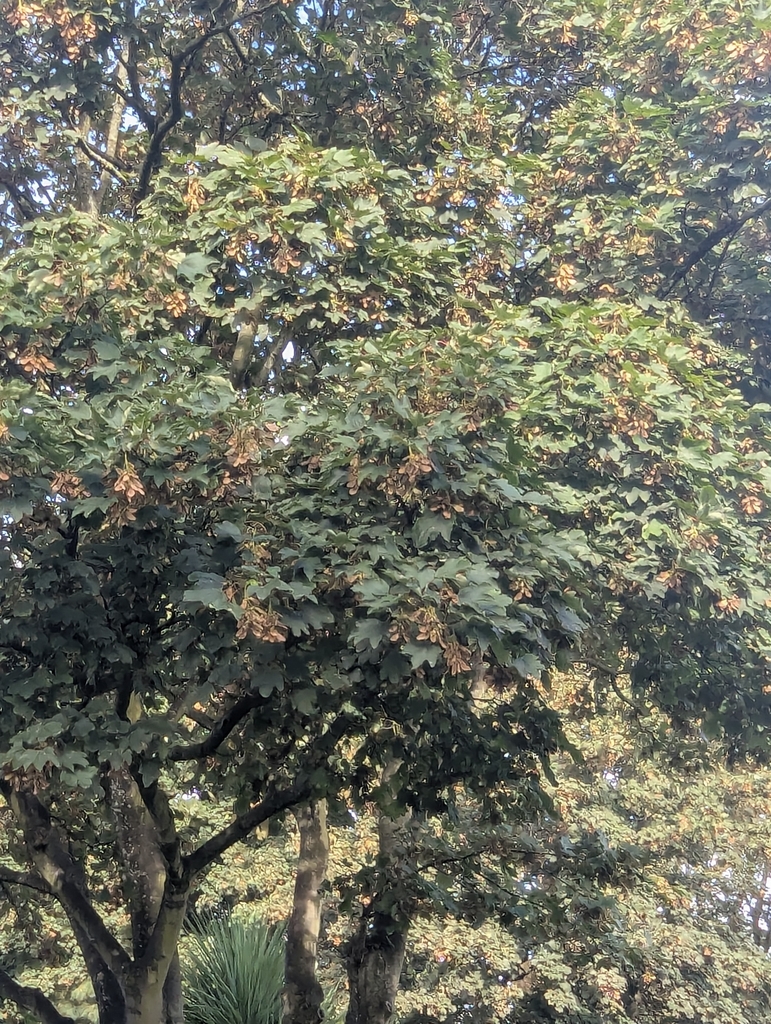
© Owen and Carol Fawcett. · iNaturalist · CC BY 4.0
Scientific Classification & Quick Facts
Classification
Known For
Detailed measurements for this species are still being verified.
Acer pseudoplatanus, the Sycamore Maple, is a large deciduous tree with deeply lobed leaves and distinctive winged fruits that helicopter through autumn air. Native to central and southern Europe, this species has become one of the most widespread and recognizable maples across temperate regions worldwide, thriving in forests, parks, and urban landscapes alike. Its robust constitution and rapid growth have made it a favourite for both timber production and ornamental planting, though this very success has raised ecological questions in regions where it now dominates beyond its native range.
What makes the Sycamore Maple particularly noteworthy is its ecological duality: it is simultaneously valued for shade, food production for wildlife, and wood products, yet controversial as a competitor that can suppress native understory vegetation and alter forest composition in non-native habitats. Its tolerance for pollution, poor soils, and urban conditions has cemented its place in cities from London to Toronto, where it often outcompetes native species. Understanding this tree’s biology and behavior is essential for anyone engaged in forestry, conservation, or landscape management.
Identification and Appearance
Acer pseudoplatanus, the Sycamore Maple, is a large deciduous tree reaching 20 to 35 metres in height at maturity. It develops a broad, domed crown with sturdy branching that creates a distinctive rounded silhouette in the landscape.
Bark and Trunk
Young trees display smooth, grey bark that gradually becomes rougher and more fissured as the tree ages. With maturity, the bark breaks up into irregular scales, revealing pale-brown to pinkish inner bark beneath. This textural transformation is one of the most reliable ways to distinguish older sycamore maples from younger specimens in the field.
Leaves and Seasonal Appearance
The sycamore maple is named for its large, broad leaves, which resemble those of the London plane tree. The foliage is palmately lobed with five to seven prominent lobes, and the leaves emerge in spring with a distinctive appearance before maturing to their characteristic form. In autumn, the foliage turns yellow and brown before dropping, typical of deciduous maples. The flowers are small and greenish, appearing in spring before the leaves fully develop, while the distinctive paired winged fruits (samaras) mature through summer and autumn, eventually dispersing by wind.
Distribution and Habitat
Acer pseudoplatanus, the Sycamore Maple, is a widely distributed tree across temperate Europe and western Asia. Native to mountainous regions from central France through the Alps and into the Balkans, it has become naturalized across much of northern and central Europe, particularly in the British Isles and Scandinavia. The species thrives in cool, moist climates and has established populations far beyond its original range through both deliberate cultivation and natural dispersal.
This maple grows across a broad elevational spectrum, from lowland valleys to high mountain slopes. In its native alpine and sub-alpine zones, it occupies forests between 600 and 2,000 metres, though planted specimens occur at lower elevations throughout Europe. The tree prefers well-drained soils with adequate moisture and tolerates partial shade, making it common in mixed deciduous and mixed coniferous woodlands.
Sycamore Maple establishes itself readily in disturbed sites, hedgerows, and secondary forests. Its capacity to colonize new habitats has made it conspicuous in urban parks and as a street tree across temperate regions. The species shows no marked seasonal restriction in occurrence; it remains present year-round in areas where it is established, with growth and reproduction following the standard phenology of deciduous temperate trees.
Growth and Cultivation
Growth
Acer pseudoplatanus, commonly known as Sycamore Maple, is a large deciduous tree that typically reaches 20–35 metres in height at maturity, with some specimens exceeding 40 metres in ideal conditions. The crown is dense and broadly spreading, creating substantial shade beneath the canopy. The trunk develops into thick, grayish-brown bark that becomes fissured and scaly with age, giving mature trees a characteristically robust appearance. This species is vigorous and long-lived, capable of persisting for 300 years or more in favorable growing conditions.
Flowering and Fruiting
Sycamore Maple produces clusters of small yellow-green flowers that emerge in spring as the new foliage unfolds. The flowers are wind-pollinated and appear in pendulous panicles, creating a subtle but distinctive display before the leaves fully develop. Following pollination, the tree produces paired winged fruits called samaras or “helicopters,” which mature to a pale tan or greenish color and are dispersed by wind in late summer and autumn, often traveling considerable distances from the parent tree.
Cultivation
This species is remarkably adaptable and tolerates a wide range of soil conditions, though it performs best in fertile, well-drained soils with moderate moisture. It is hardy across much of temperate Europe and thrives in full sun to partial shade. Once established, Sycamore Maple shows good resilience to wind exposure and urban pollution, making it valuable in both woodland and landscape settings. The tree requires minimal pruning beyond removing dead or crossing branches, though younger trees benefit from formative pruning to develop a strong structure.
Sycamore Maple regenerates readily from seed and from vegetative sprouts at the base of cut trees, a trait that has contributed to its naturalization beyond its native European range in parts of North America and other temperate regions. Establishment of young trees is typically straightforward from nursery stock planted in autumn or early spring. Once the root system is well-developed, the species exhibits good independence and requires supplemental watering only during prolonged dry spells in its first growing season.
Conservation and Threats
Acer pseudoplatanus, the Sycamore Maple, holds a conservation status of Least Concern (LC) on the IUCN Red List. This classification indicates that the species faces no immediate risk of extinction and maintains stable populations across its range. The wide geographic distribution and established presence in both native and introduced regions support this favourable status.
Threats
No specific quantified threats have been formally documented for Sycamore Maple populations. The species demonstrates resilience in a variety of climatic and soil conditions, contributing to its overall stability. However, like many tree species, Acer pseudoplatanus may face indirect pressures from habitat loss, climate variability, and competition in certain regions where invasive management or land-use change occurs.
Conservation Efforts
Formal conservation programmes specifically targeting Sycamore Maple are not widely documented, reflecting the species’ robust conservation status. The tree is not subject to harvesting restrictions or international trade regulations that would warrant dedicated protection frameworks. Its widespread cultivation in parks, gardens, and forestry settings across Europe and beyond ensures genetic diversity and reduces extinction risk through multiple populations in varied environments.
Fun Facts
Acer pseudoplatanus has earned a reputation as one of Europe’s toughest trees, thriving where other large deciduous species struggle. Despite its misleading common names across different regions, this Central European native has become deeply woven into the landscapes and cultures of the British Isles and beyond.
- The sycamore maple is notably tolerant of wind and coastal exposure, making it unusually hardy for a large deciduous tree in harsh maritime environments where salt spray and gales would fell most other species.
- Despite being a maple species, sycamore maple is a broad-leaved deciduous tree that sheds all its leaves seasonally—a trait unusual among maples adapted to exposed coastal conditions.
- The species produces distinctive winged seeds called samaras or “helicopters” that spin as they fall, allowing wind to carry them far from the parent tree and colonise new areas rapidly.
- Sycamore maple is native to Central Europe and Western Asia, yet it has become so established in Britain and Ireland that many people mistakenly believe it is native to those islands.
- The bark of mature sycamore maples develops an attractive mottled pattern as outer plates peel away to reveal pale inner wood beneath, creating a naturally peeling appearance that intensifies with age.
- Sycamore maple wood is dense, fine-grained, and pale in colour, making it valued for musical instruments, veneers, and turning—a quality recognised by woodworkers for centuries.
- The tree’s ability to thrive in poor soils and regenerate from coppice (cut stems) has made it a favoured choice for woodland restoration and storm-damaged landscapes across temperate Europe.
Conservation Status
LC (Least Concern) · NT · VU · EN · CR · EW · EX
Photo Gallery
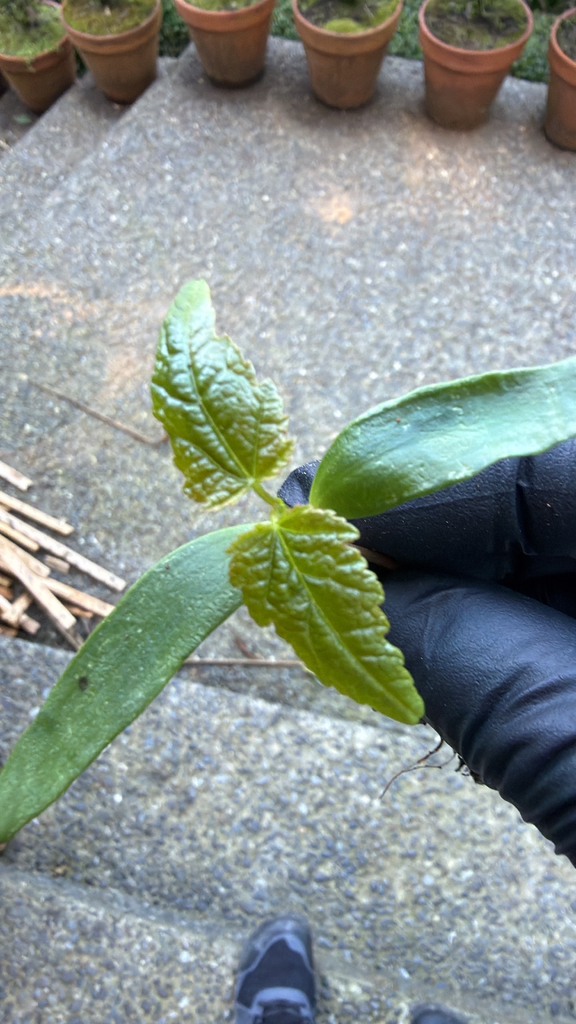
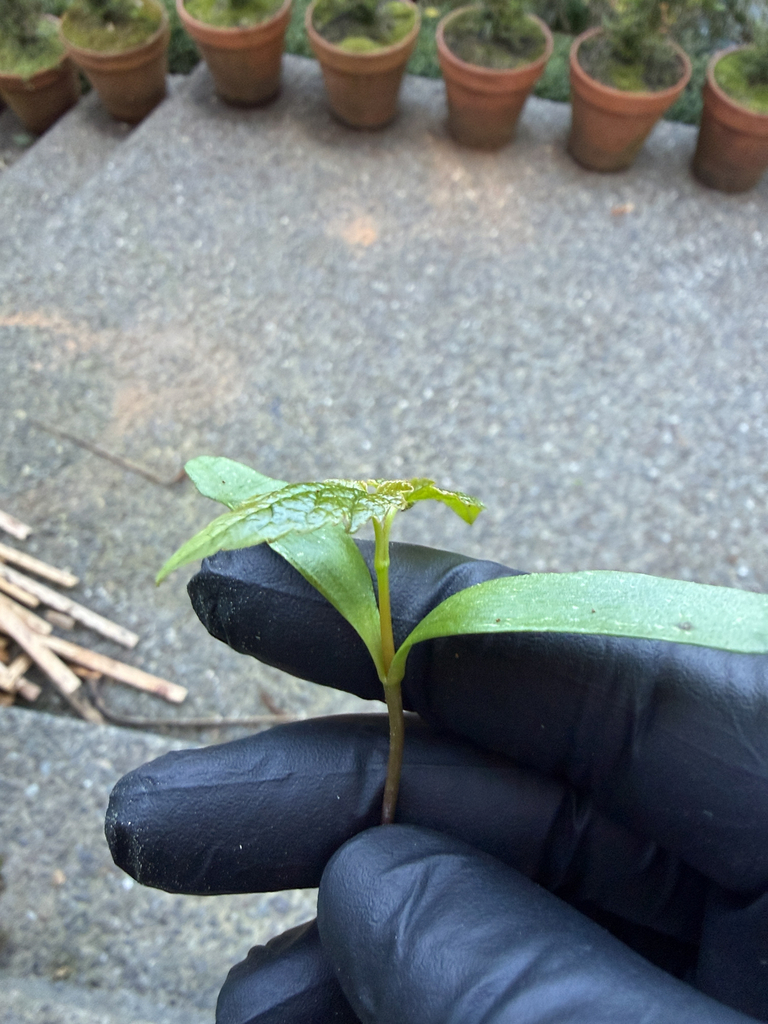
Owen and Carol Fawcett. · CC BY 4.0
Related Species
Was this profile helpful?