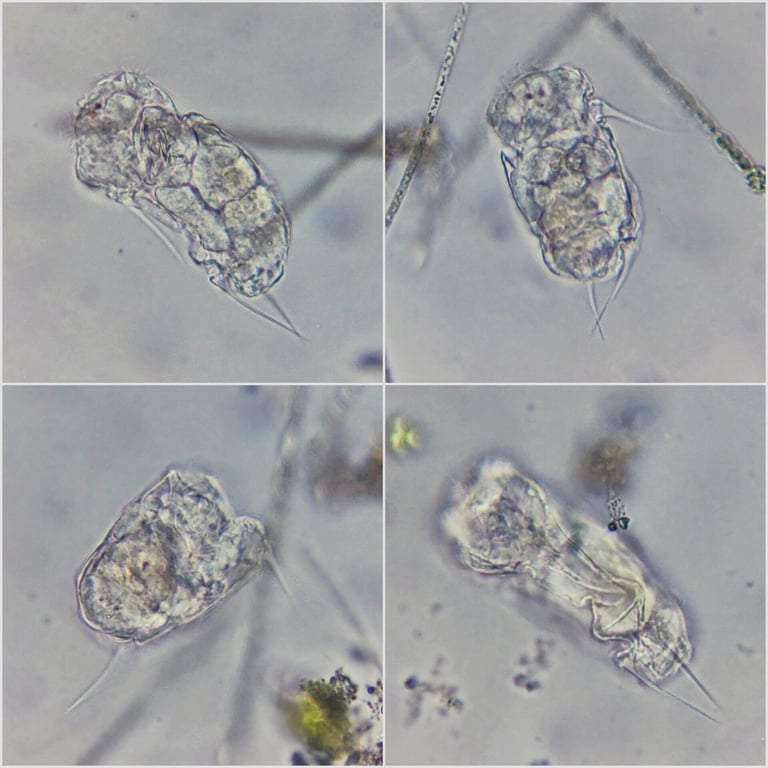
Filinia cornuta belongs to a group of animals so small that most people never notice them, even though they drift through the same ponds and lakes we swim in every summer.
This species is a rotifer, a member of the phylum Rotifera within the class Eurotatoria and family Trochosphaeridae, placed in the order Flosculariaceae. Rotifers are microscopic, mostly aquatic invertebrates that form a key part of freshwater zooplankton, and Filinia cornuta lives among this community in freshwater bodies.
Because it is so small and easily overlooked, Filinia cornuta is one of many organisms that quietly sustain aquatic food webs without drawing much attention from outside the scientific community studying plankton.
Distribution and Habitat
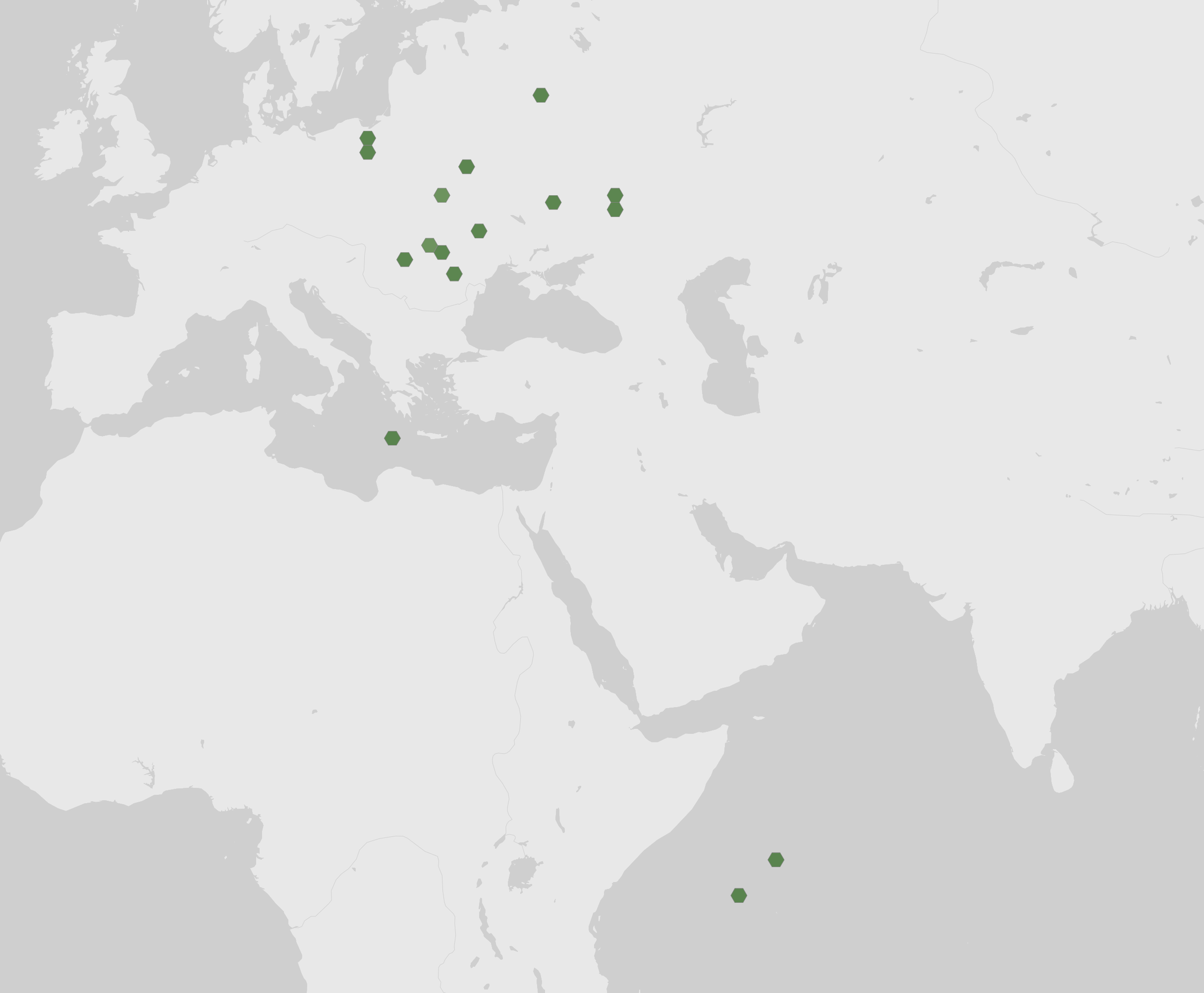
Records of Filinia cornuta come from freshwater environments, where it lives as part of the planktonic community drifting in open water.
Monthly observation data show occurrences scattered across the year with a clear concentration in early summer: counts rise to 9 in July, following smaller peaks of 2 in March and April, and taper to 1–2 in August and September. No observations are recorded from October through February or in May and June, suggesting the species is detected mainly during the warmer months.
These figures come from presence observations rather than systematic population surveys, so they cannot be read as a measure of abundance or a complete picture of the species' range. They indicate only when and where the organism has been recorded, not how many individuals were present or where else it may occur undetected.
Cultural Significance
Filinia cornuta, a microscopic freshwater rotifer, has no documented folklore, symbolism, or artistic tradition associated with it. As a planktonic organism far too small to see without magnification, it has not entered human cultural life in the way that larger, more visible animals have.
Its significance remains ecological rather than cultural: it plays a role in freshwater plankton communities that scientists study, but no historical, religious, or culinary use of the species is recorded.
Ecology
Habitat
- Freshwater
Behavior
- Aquatic
Photos
SourcesGBIFiNaturalistWikidata