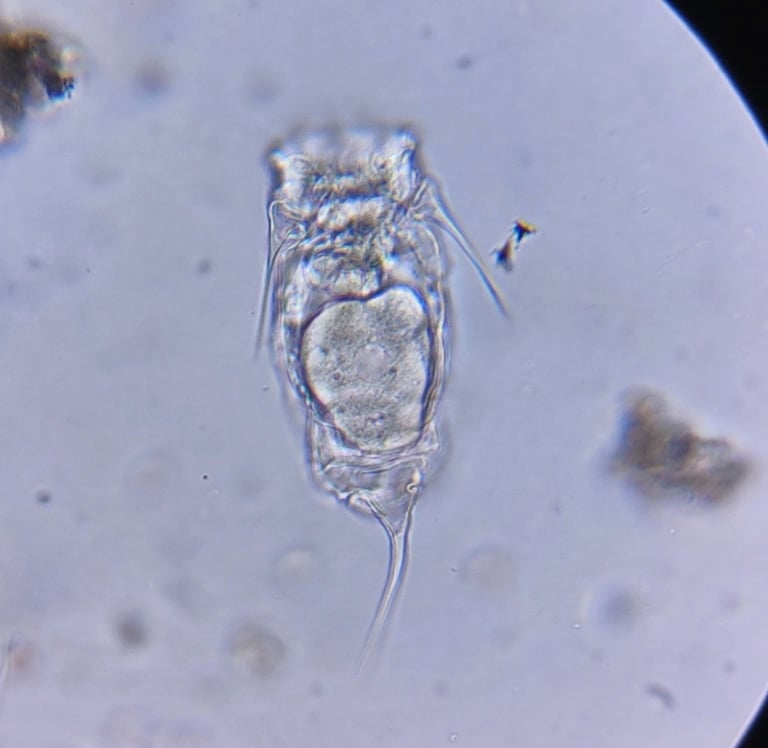
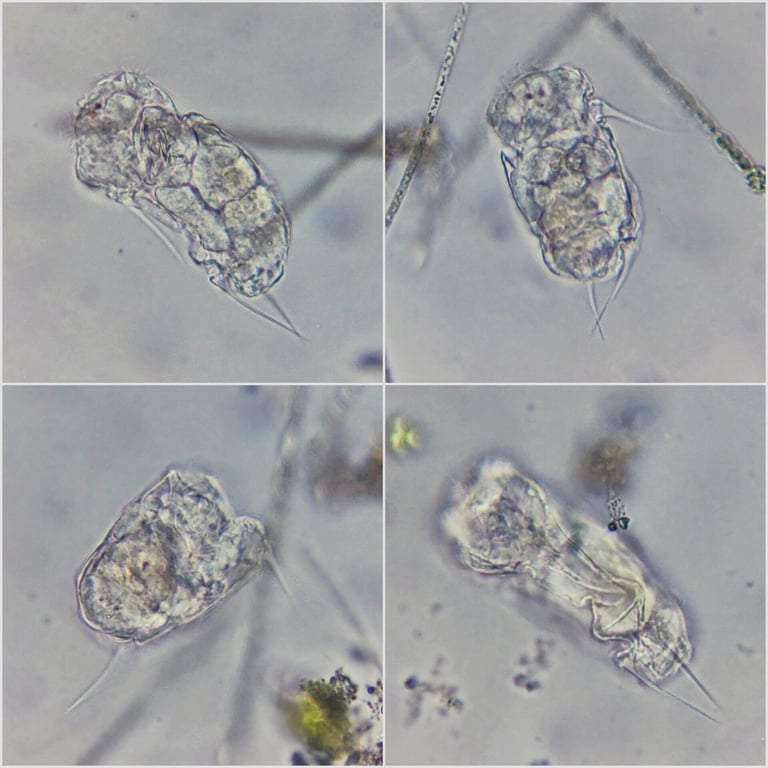
Filinia limnetica (Zacharias, 1893) belongs to one of the animal kingdom's oldest and most successful microscopic lineages, the rotifers, or wheel animals, named for the crown-like ring of cilia many species use to swim and feed.
This species sits within the phylum Rotifera, class Eurotatoria, order Flosculariaceae, and family Trochosphaeridae. Members of this group live suspended in the water column of lakes, ponds, and other freshwater bodies, forming part of the plankton that underpins many freshwater food webs.
Because of its tiny size, Filinia limnetica is rarely noticed by anyone without a microscope, yet its presence in a body of water says something about the conditions and productivity of that habitat at the time it was found.
Distribution and Habitat
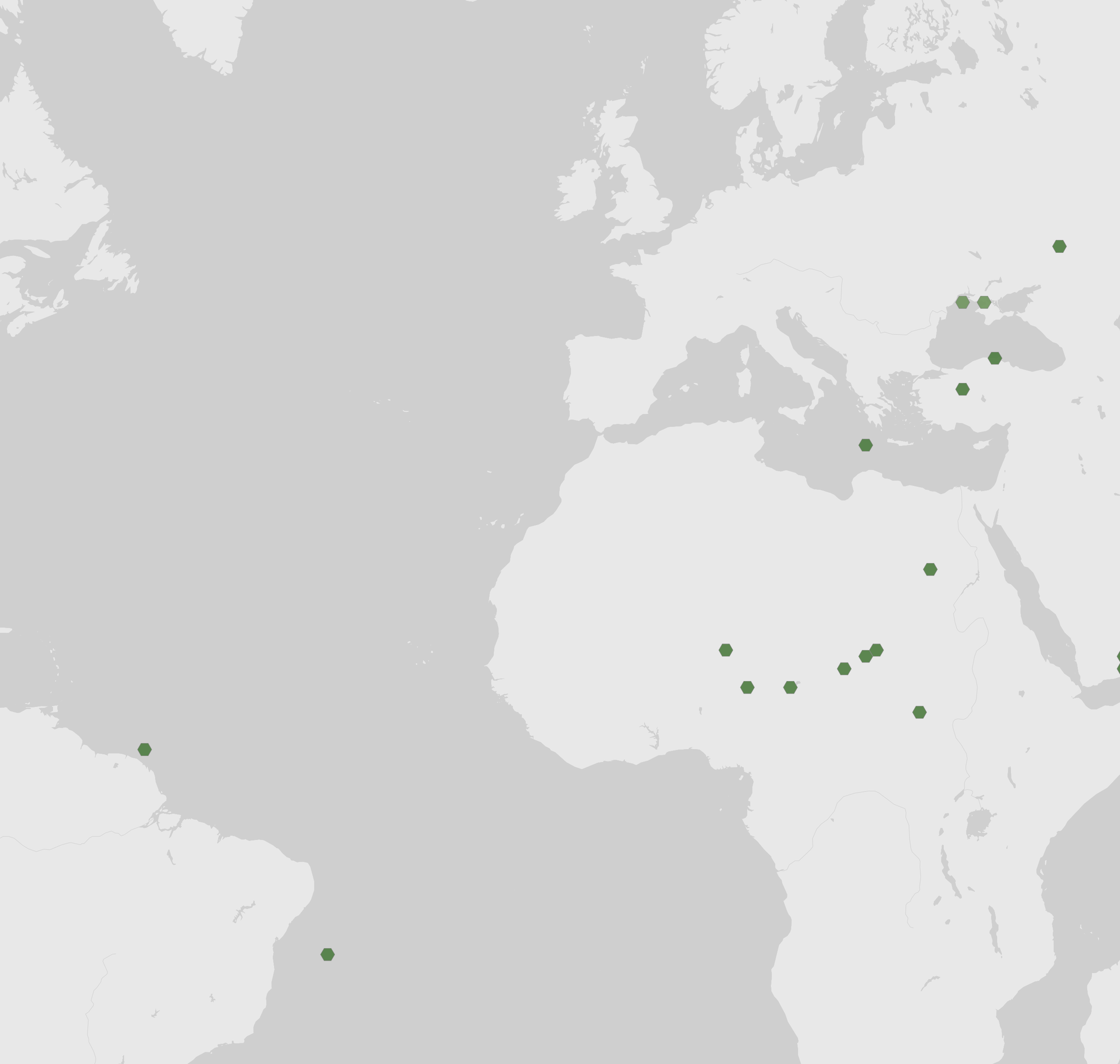
Recorded observations of Filinia limnetica come from freshwater habitats, consistent with its identity as a planktonic rotifer. Occurrence data for the species is limited to presence records rather than systematic surveys of its full range, so the geographic extent of the species cannot be characterized in detail from this information alone.
Monthly observation counts show a distinct seasonal pattern. Records are scarce or absent from November through April, with only a single observation in January and none in February, March, April, November, or December. Numbers begin rising in May and climb through the summer, reaching their highest point in September with 14 recorded observations, following closely elevated counts of 9 in both June and July.
This pattern suggests the species is most detectable in freshwater plankton communities during the warmer months, tapering off sharply once autumn advances into October and beyond. As these figures reflect presence observations rather than abundance or population size, they should be read as an indication of seasonal detectability rather than a measure of how many individuals are present at any given time.
Cultural Significance
No documented folklore, symbolism, or human use is recorded for Filinia limnetica. As a microscopic planktonic rotifer identifiable only under magnification, it has not entered written mythology, art, or cultural tradition in the way that larger or more visible freshwater organisms sometimes have.
Available notes touching on similarly named subjects, such as water nymphs or the linden tree, concern entirely different organisms and traditions and have no documented connection to this species.