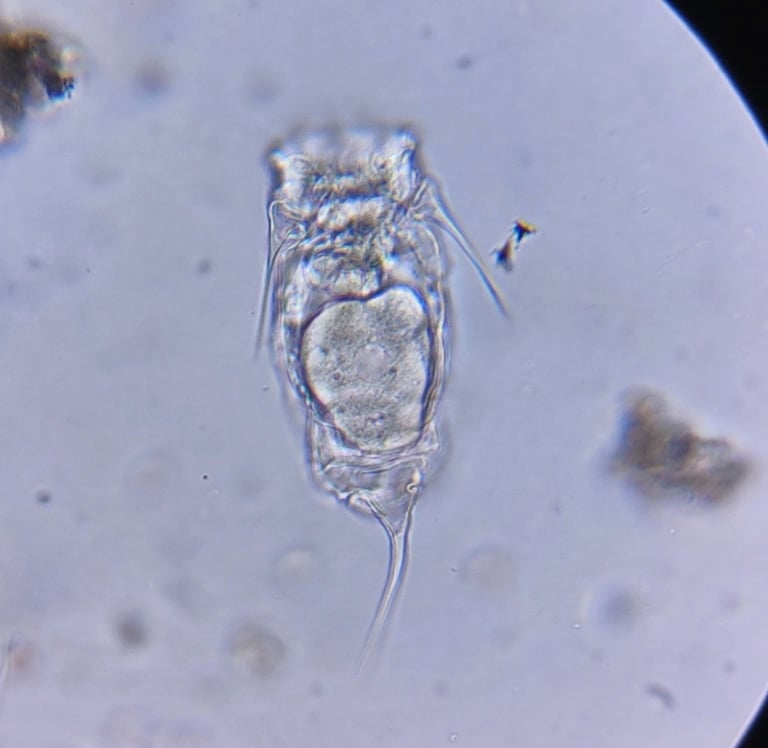
Filinia minuta (Smirnov, 1928) is a microscopic rotifer, a member of the phylum Rotifera within the class Eurotatoria. It belongs to the order Flosculariaceae and the family Trochosphaeridae, placing it among the diverse group of tiny, mostly aquatic invertebrates known for their wheel-like ciliated feeding organs.
Like other members of its genus, it lives as part of the freshwater zooplankton, too small to be seen without magnification. Its taxonomic position links it to a wider group of rotifers that play a role in aquatic food webs as consumers of algae and organic particles.
Because so little specific data exists for this species, much of what is known about Filinia minuta comes from its classification alongside better-studied relatives in the genus Filinia.
Distribution and Habitat
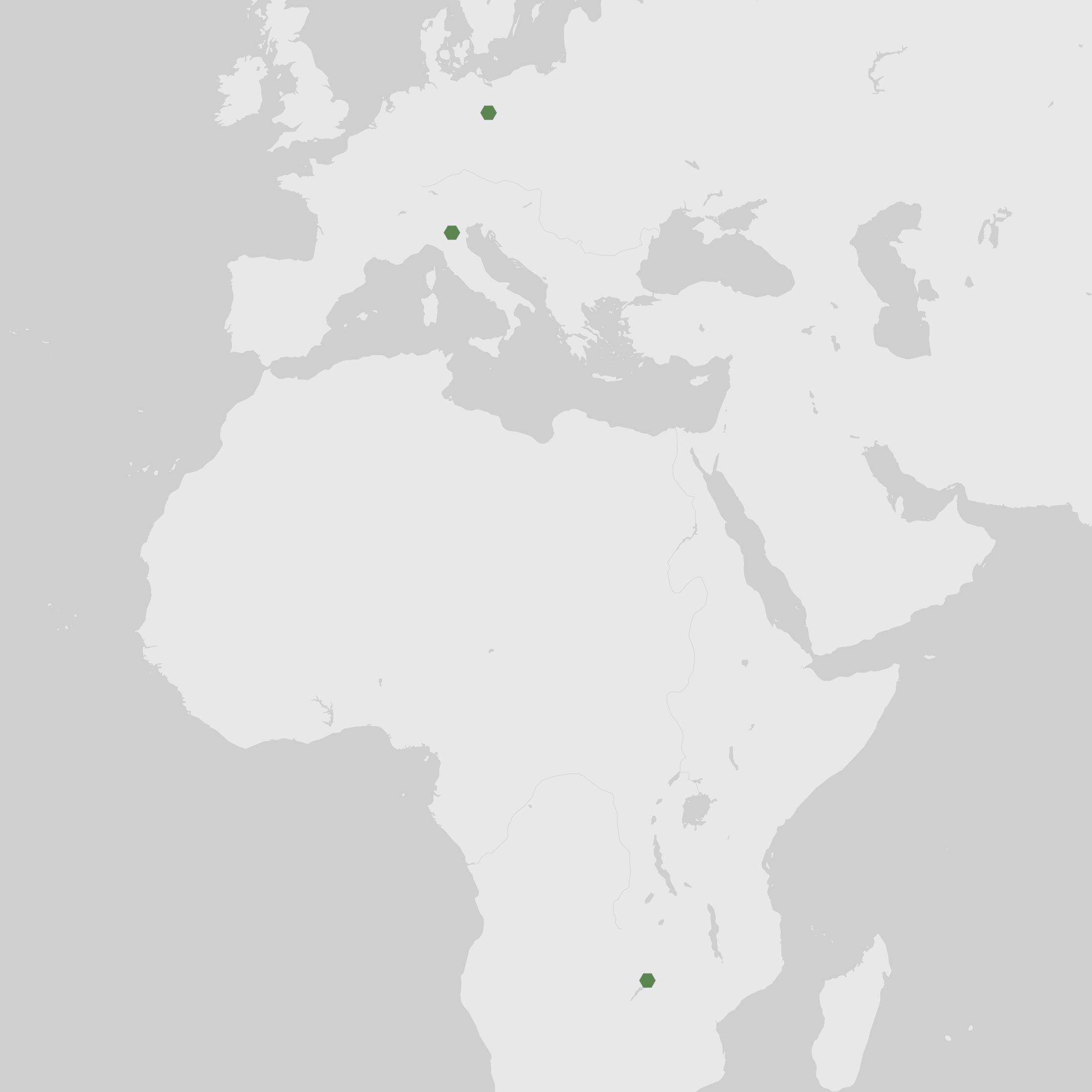
Records of Filinia minuta are sparse, and the available observation data reflects only where the species happened to be recorded, not its full range or abundance. A single documented observation falls in July, offering no basis for describing a broader seasonal pattern.
Given that GBIF occurrence data represents presence only, this scarcity of records likely reflects how rarely this small rotifer is sampled or identified rather than a genuinely restricted distribution. Rotifers in general, and Filinia species in particular, are typically associated with freshwater habitats such as ponds, lakes and other still or slow-moving bodies of water.
No detailed information on continents, countries or specific water bodies is available for this species, so its full geographic distribution remains poorly documented.
Cultural Significance
No documented cultural, symbolic or economic significance exists for Filinia minuta. As a microscopic freshwater rotifer studied primarily in scientific contexts, it has not entered folklore, art or human use in any recorded way.
Its relevance remains confined to taxonomy and aquatic ecology rather than to human culture or tradition.
Ecology
Habitat
- Freshwater
Photos
SourcesGBIFiNaturalistWikidata