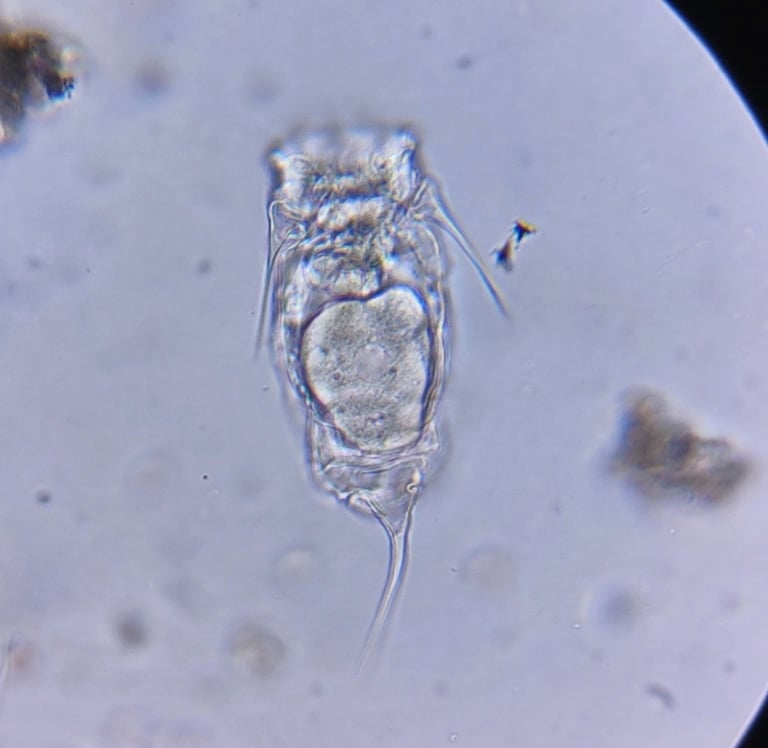
Filinia novaezealandiae carries the Latin word for New Zealand in its own name, a nod to the country where Russell Shiel and La-orsri Sanoamuang first described it in 1993.
The species is a rotifer, one of the microscopic, mostly freshwater invertebrates that make up the phylum Rotifera. It sits within the class Eurotatoria, the order Flosculariaceae, and the family Trochosphaeridae, grouping it among the free-swimming "wheel animals" that drift through pond and lake plankton.
Its formal description is recent by taxonomic standards, and much of its biology and range remain sparsely documented, leaving room for future observers to add to what little is known.
Distribution and Habitat
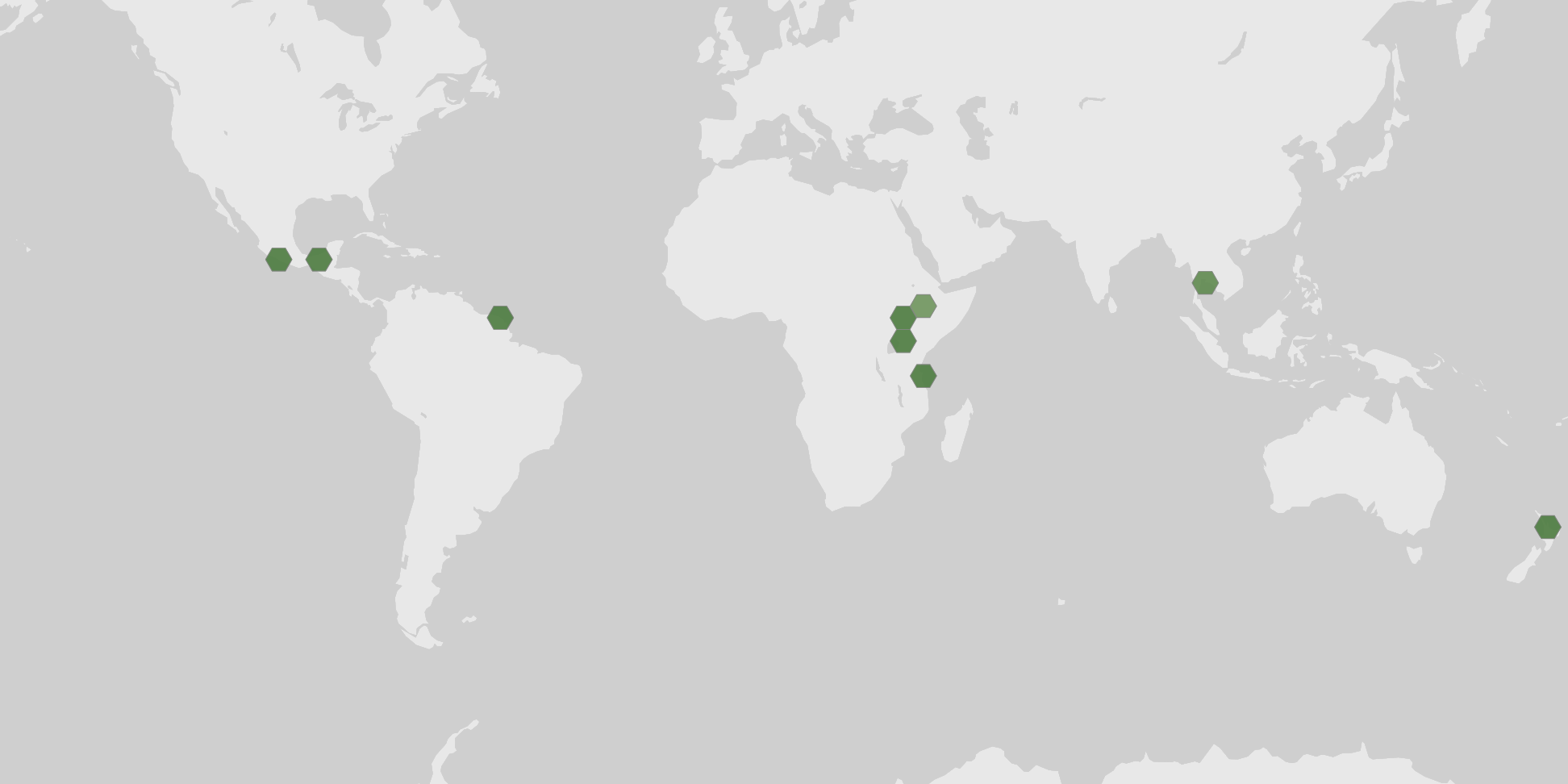
Occurrence records for Filinia novaezealandiae are few and scattered across the year, with observations noted in March, April, July, and December. December carries the highest count of the months recorded, but these are presence observations only, not measures of abundance or a complete picture of the species' range.
The species' name points to New Zealand, suggesting the country played a role in its original description and early records. Beyond that, the available data do not specify particular water bodies, regions, or habitat types where it has been found.
Because rotifers of this kind are typically part of freshwater plankton communities, any presence records likely reflect sampling of lakes, ponds, or other still or slow-moving freshwater bodies, though the context here does not confirm this directly.
The sparse and uneven spread of observations across only four months of the year, rather than a steady year-round pattern, may reflect limited sampling effort as much as any true seasonal pattern in the species' presence.
Cultural Significance
No documented cultural or traditional significance is recorded for Filinia novaezealandiae itself. The species shares part of its name with New Zealand, a country whose Maori traditions include vivid mythology of beings such as the taniwha and the patupaiarehe, but those stories describe legendary creatures of the land and water rather than microscopic rotifers, and no source connects this species to them directly.
Any cultural resonance the name might suggest is coincidental rather than documented, and the species remains known primarily through scientific description rather than folklore, art, or human use.