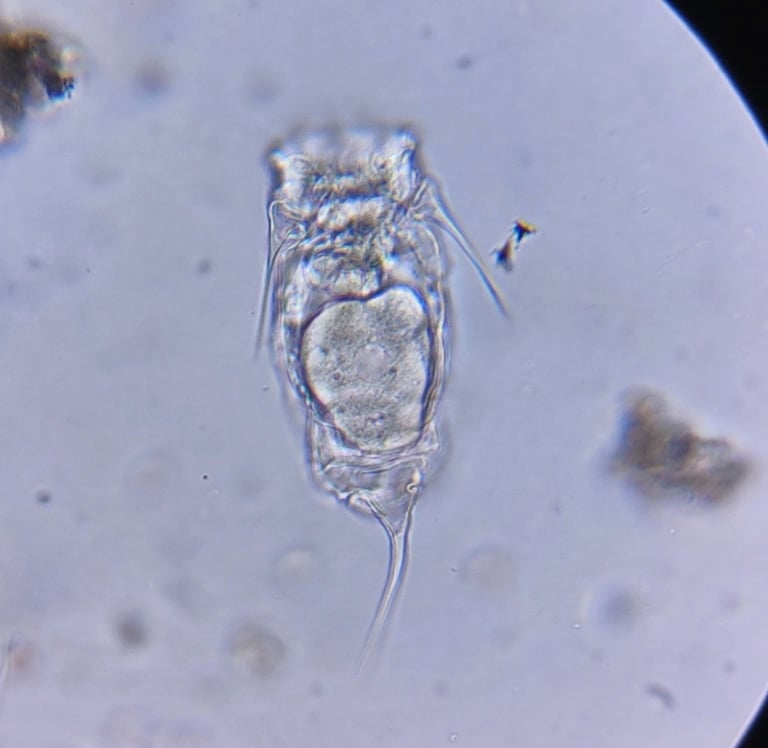
Filinia passa (Müller, 1786) belongs to one of the animal kingdom's oldest and most overlooked lineages: the rotifers, or phylum Rotifera. It sits within the class Eurotatoria, order Flosculariaceae, and family Trochosphaeridae, a placement that groups it with other microscopic, wheel-bearing invertebrates.
As a member of this group, Filinia passa lives its entire life at a scale invisible to the naked eye, drifting or swimming through water using specialized structures rather than legs or fins. Rotifers like this species form an essential, if easily missed, layer of aquatic life wherever they occur.
What makes species like Filinia passa worth attention is less their size than their role: minute organisms such as these underpin food webs that larger, more familiar animals ultimately depend on.
Distribution and Habitat
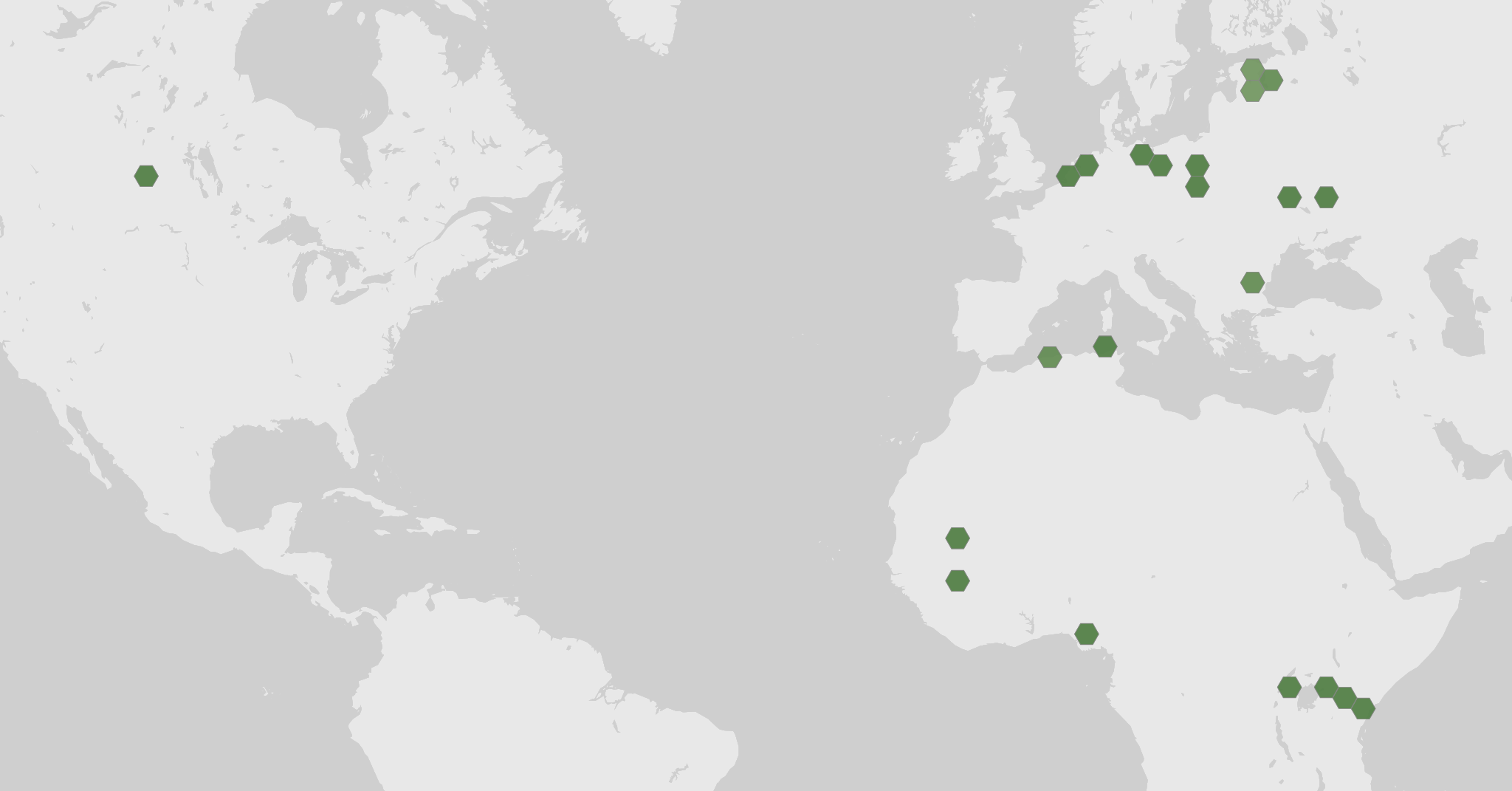
Occurrence records for Filinia passa, drawn from presence observations rather than systematic surveys, show a distinct seasonal pattern across the year. Sightings are lowest from December through February, dropping to zero in December and staying at just one or two records in January and February, before rising steadily through spring and summer.
The clearest peak appears in September and October, when monthly observation counts reach nine in both months, the highest of the year. A smaller rise also occurs in June and July, with counts of six and seven, before a brief dip in August.
These patterns should be read with caution: GBIF-style occurrence counts reflect when and where observers happened to record the species, not its true abundance or the full extent of its range. A peak in September and October likely reflects a period when the species is more detectable or more frequently sampled, rather than proof of a population surge, and the absence of December records does not necessarily mean the species is absent then.
Cultural Significance
No documented folklore, mythology, or symbolic role connects Filinia passa to human culture. As a microscopic planktonic rotifer, it lies far outside the kinds of creatures typically featured in traditional storytelling, which tends to center on visible, larger-bodied animals and supernatural beings rather than organisms only visible under a microscope.
The available cultural material associated with this species' broader region concerns folk beliefs about mythical creatures and spirits, traditions that reflect community heritage and identity but that make no reference to rotifers or to Filinia passa specifically. No known culinary, artistic, or economic use of this species has been recorded either.