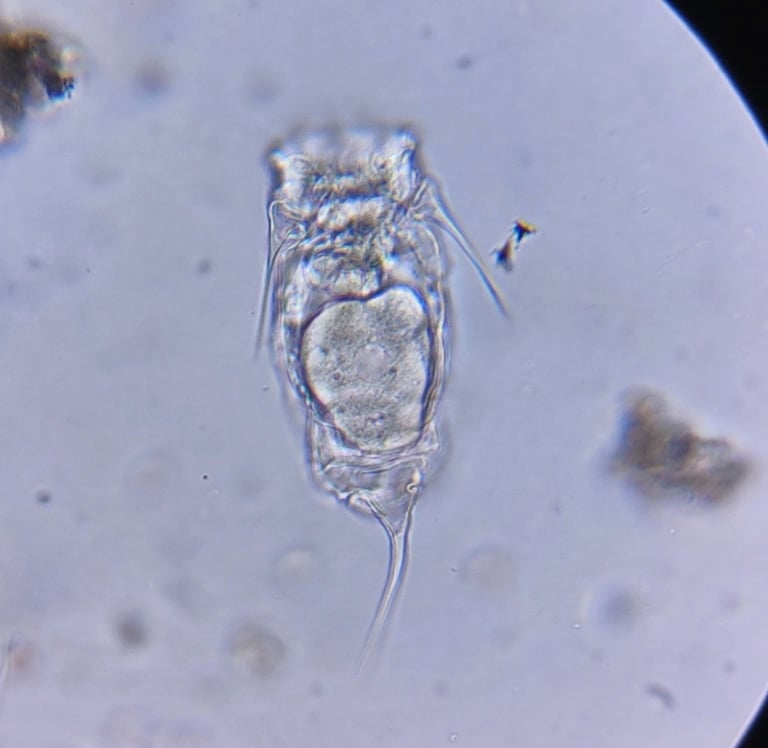
Filinia saltator belongs to Rotifera, a phylum of microscopic aquatic animals often called wheel animals for the ciliated crown they use to feed and swim.
Classified within the class Eurotatoria, order Flosculariaceae, and family Trochosphaeridae, this species sits among a lineage of planktonic rotifers.
Though tiny and easily overlooked, Filinia saltator is part of the largely invisible world of zooplankton that underlies aquatic food webs.
Distribution and Habitat
Observation records for Filinia saltator show occurrences spread unevenly across the year, with counts rising to a high of seven in August and six in March, based on monthly GBIF occurrence data.
Other months, including February, April, July and October, show no recorded observations at all, while June and November register several sightings each.
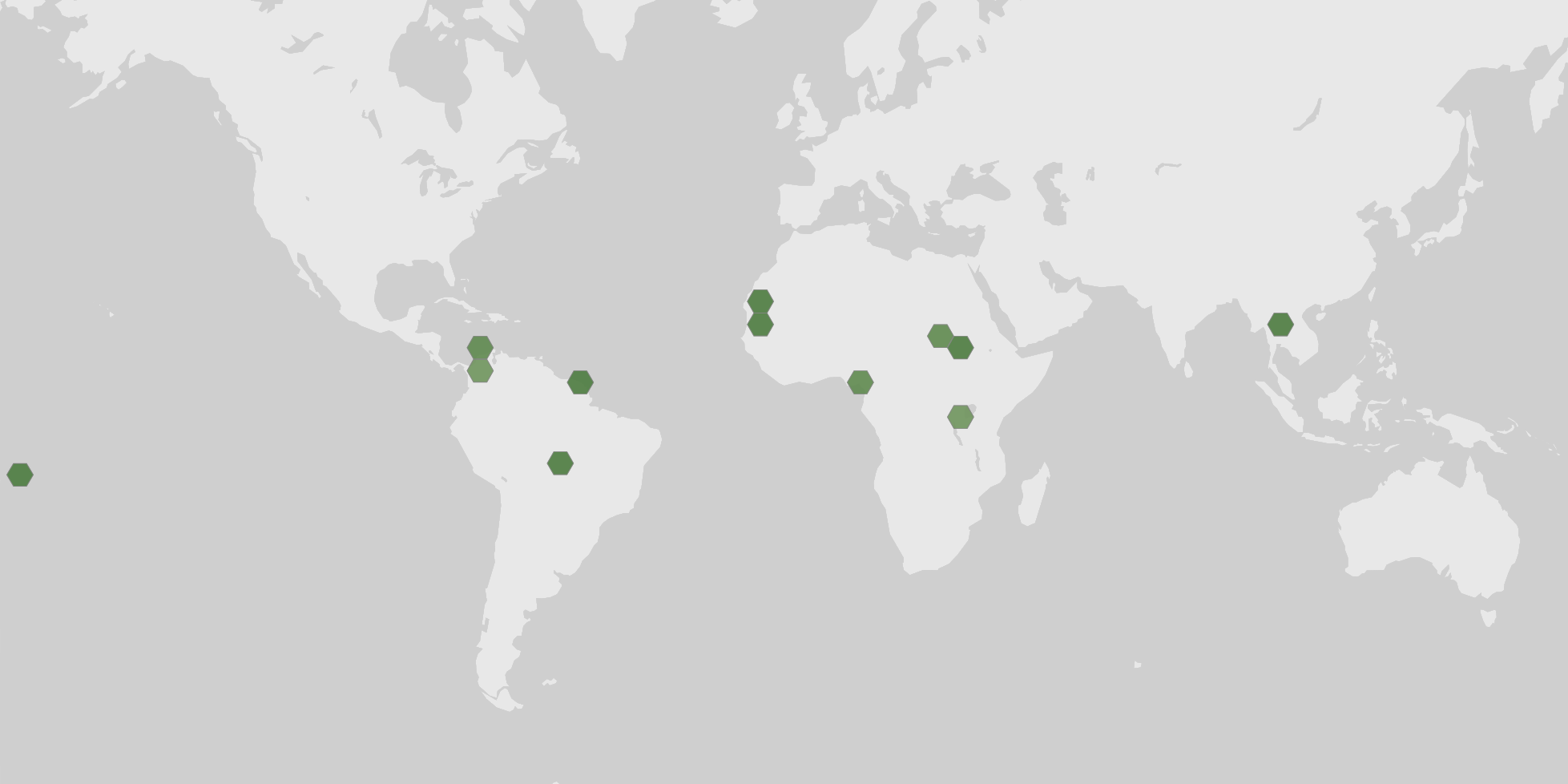
These figures are presence records only, not measures of abundance or population size, and they do not describe this species' complete native range.
The pattern hints at possible seasonal peaks in detection during spring and late summer, though the sparse and uneven counts make any firm conclusion about true seasonality uncertain.
Cultural Significance
No documented mythology, folklore, or human use specifically involves Filinia saltator, a microscopic rotifer rarely encountered outside specialized aquatic surveys.
The name Filinia bears no connection to the Greek Oceanid Philyra or to the folkloric traditions recorded in Philippine mythology; these are unrelated bodies of legend that make no reference to this rotifer.
As a result, the species' significance remains confined to its ecological role in freshwater plankton communities rather than any recorded cultural or symbolic meaning.