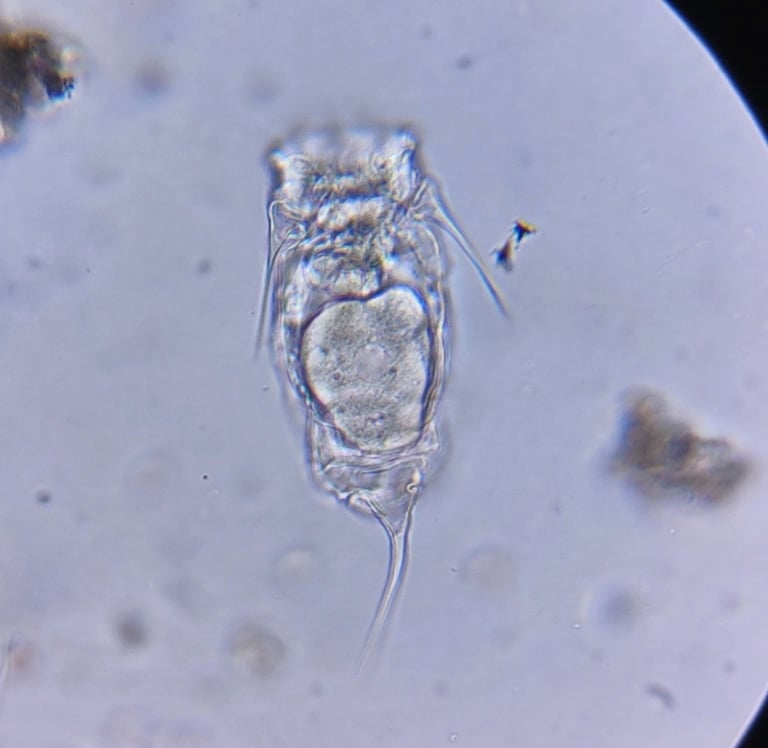
Filinia terminalis (Plate, 1886) is a microscopic member of the rotifers, a group of tiny aquatic invertebrates too small to see without a microscope. It belongs to the class Eurotatoria and sits within the family Trochosphaeridae, part of the order Flosculariaceae, in the phylum Rotifera.
As a rotifer, it lives its entire life cycle among plankton, drifting or swimming through water using the ciliated crown that gives the group its name. Little else about its natural history is captured in the available records, but its place within this ancient and widespread animal lineage makes it part of a group found in freshwater habitats across the globe.
For readers curious about the hidden diversity of freshwater ecosystems, Filinia terminalis is a reminder that entire animal phyla exist at a scale invisible to the naked eye, each with its own taxonomy and distribution worth documenting.
Distribution and Habitat
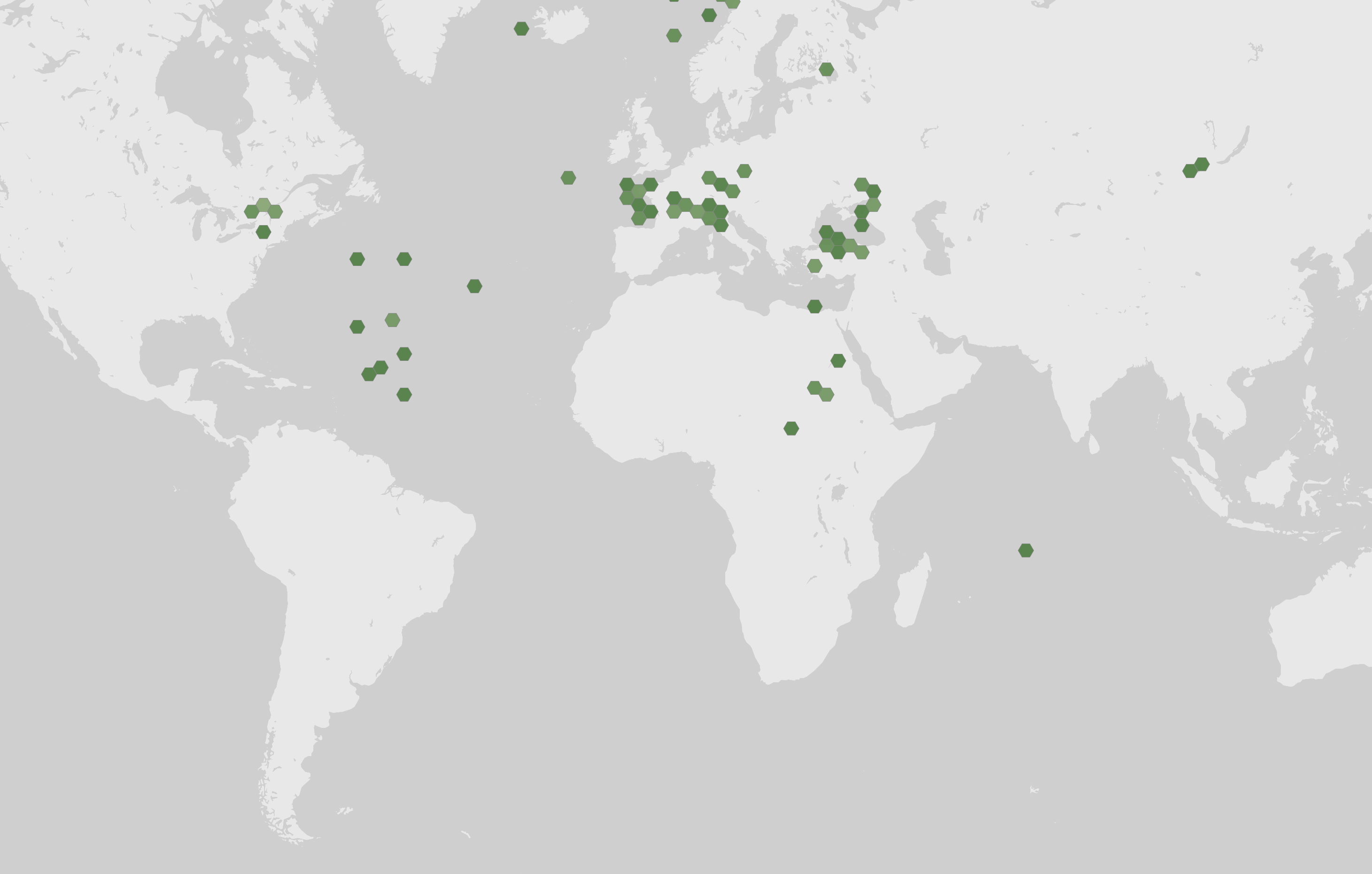
Records of Filinia terminalis come from presence observations rather than systematic range surveys, so they show where the species has been detected rather than its full distribution or abundance. Available monthly observation counts range from a low of 8 to a high of 42 sightings, with the strongest concentration of records appearing from June through September and peaking in September at 42 observations.
This pattern suggests the species may be more frequently detected or more active in late summer and early autumn, though the data reflect observation effort and detectability as much as true seasonal presence. Counts drop sharply by November and December, falling to 22 and then 8, which could point to reduced activity, reduced sampling, or both during the colder months.
Because these figures are occurrence records rather than population counts, they cannot be used to estimate how common the species is or to define the boundaries of its range. They offer only a rough seasonal signal of when the species has been most often recorded.
Photos
SourcesGBIFiNaturalistWikidata