Fumaria muralis, known as common ramping-fumitory or wall fumitory, is a flowering herb in the poppy family, Papaveraceae. It is native to western Europe and northwestern Africa, where it grows in temperate and Mediterranean regions.
The plant is a true weed of open ground. It is most often found on pastures, roadsides, gardens, footpaths, and coastal shrublands, where it colonizes bare patches.
Identification and Appearance
The flowers are the easiest way to recognize Fumaria muralis. Each pink corolla is tipped dark red or purple, and the petals measure about 9–12 mm, or 0.35–0.47 in, long.
The stems start upright and then sprawl or climb. They are weak, many-branched, hairless, and can reach up to 1000 mm, or 39.4 in, long.
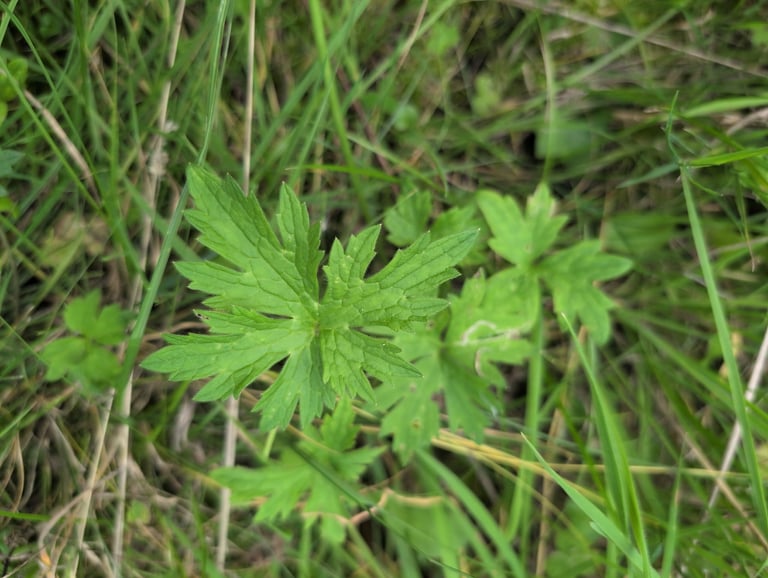
The leaves are green to gray-green or blue-green and finely divided. Early leaves are simple with three hairless leaflets, while mature leaves are deeply lobed with three or more leaflets.
Similar species include Fumaria officinalis, which has smaller purplish pink flowers with more numerous flowers per inflorescence, and Fumaria bastardii, which has smaller sepals and strongly wrinkled fruits.
Distribution and Habitat
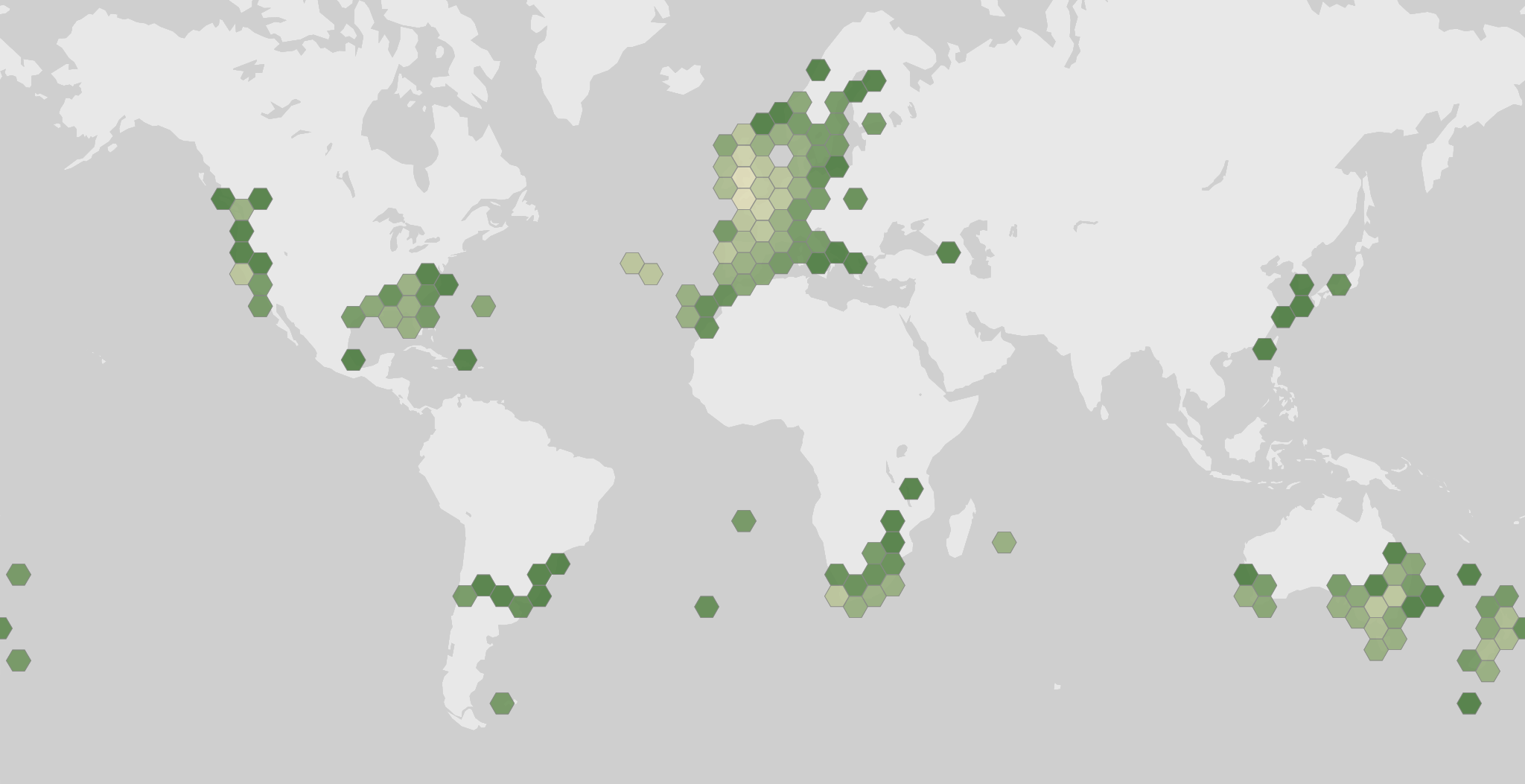
Fumaria muralis is native to temperate and Mediterranean regions of western Europe and western North Africa. Its native range includes Macaronesia, Portugal, France, Belgium, Germany, the United Kingdom, Ireland, and Norway.
Outside its native range, it is present in Spain, the Netherlands, Denmark, Japan, New Zealand, Australia, South Africa, and the United States.
The species prefers open, bare patches. It is considered a weed of pastures, roadsides, gardens, footpaths, coastal shrublands, and disturbed areas.
Growth and Form
Fumaria muralis is an annual plant. It completes its life cycle within a single growing season, and its stems sprawl or climb from an upright start.
The stems are weak and branch many times, reaching up to 1000 mm, or 39.4 in, long.
Ecology and Relationships
The flowers of Fumaria muralis attract a range of insects. Bees in the order Hymenoptera are the main visitors, including Eucera longicornis, Bombus terrestris, and leafcutter bees of the genus Megachile.
Flies and beetles also visit the flowers, though less often. Bee flies in the genus Bombylius and hoverflies in the genus Eristalis are occasional visitors.
The species grows best on open, disturbed ground, where it has little competition from taller vegetation.
Photos
Photographs from via iNaturalist, licensed under CC0 1.0., by zebedeugalinha via iNaturalist, licensed under CC BY 4.0., by Brendan Petrassi via iNaturalist, licensed under CC BY 4.0., by smathichong via iNaturalist, licensed under CC BY 4.0., by Shaun via iNaturalist, licensed under CC BY 4.0., by Kevin Jäger via iNaturalist, licensed under CC BY 4.0., by SatNavSaysStraightOn via iNaturalist, licensed under CC BY 4.0., by Álvaro Ibaceta R. via iNaturalist, licensed under CC BY 4.0., by Mike Bowie via iNaturalist, licensed under CC BY 4.0., and by Ferncliffe forest wilding via iNaturalist, licensed under CC BY 4.0., credited on each photo.
Ecology and classification
Growth habit
- Herb
Classification
- Phylum
- Tracheophyta
- Class
- Magnoliopsida
- Order
- Ranunculales
- Family
- Papaveraceae
- Genus
- Fumaria
- Species
- Fumaria muralis
Sources
- GBIF Species names and classification
- iNaturalist Photos
- Wikidata Common names and conservation status
- Wikipedia Summary extract
- Plants of the World Online Native range, life form and climate (WCVP)
- GloBI What it eats, what eats it, parasites and pollinators
- DoPI
- EuPPollNet