Alpine saw-wort is a perennial flowering plant of the daisy family, Asteraceae. It ranges from Europe across to Siberia and China.
The species is a herb of mountain and open ground across a broad temperate band of Eurasia. Its name, Saussurea alpina, reflects its preference for high, cool country.
The plant is worth a closer look because it links two very different groups of animals. Wild bees visit its flowers, while birds feed on the plant, which makes it a small but busy piece of its habitat.
Distribution and Habitat
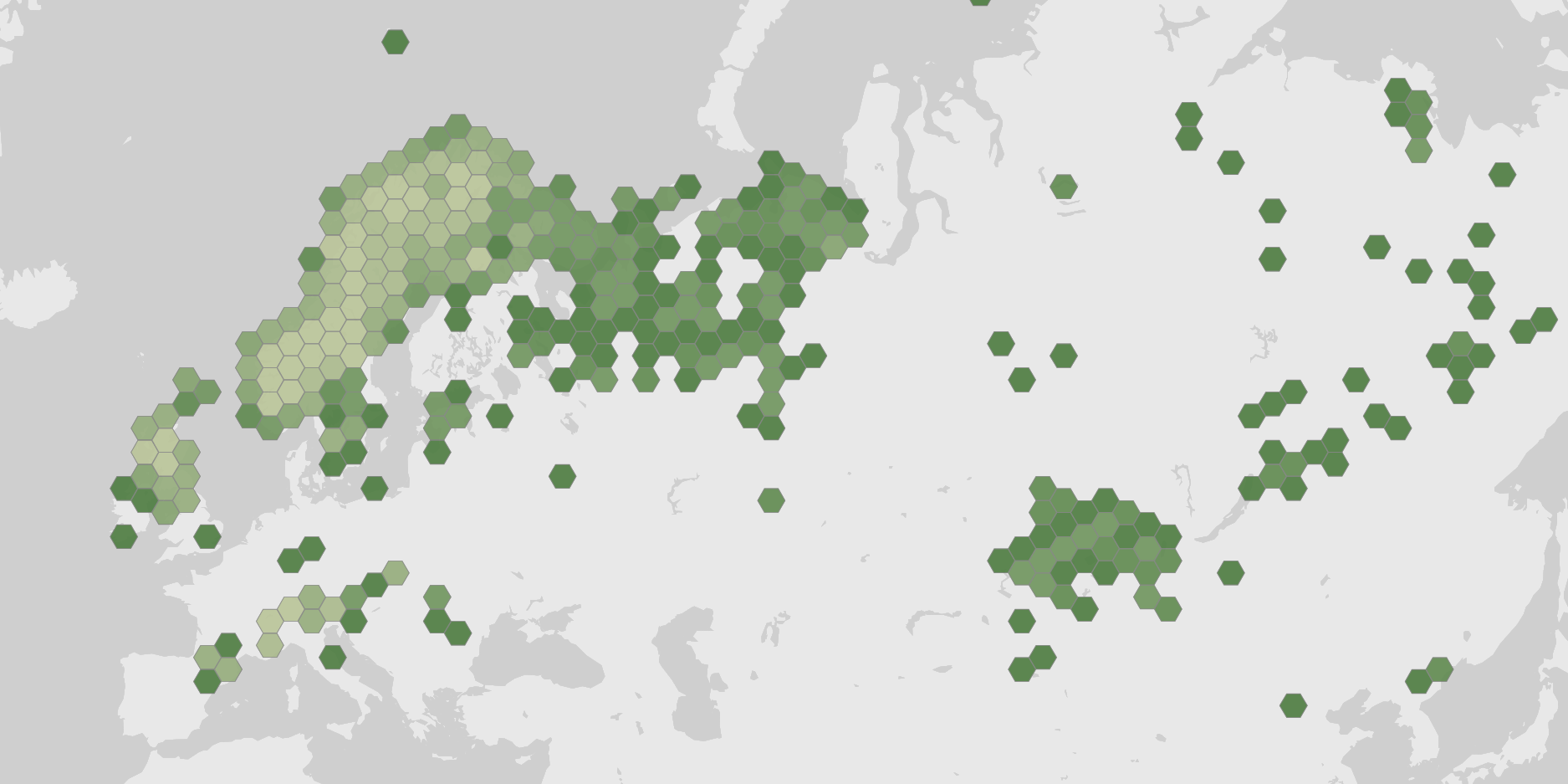
Saussurea alpina grows across a wide temperate range that runs from Europe to Siberia. Its native records span much of central and northern Europe, including Britain, Ireland, Scandinavia, France, Germany, Italy, Spain, and Poland, and extend east through European Russia, the Urals region, West Siberia, and into Mongolia and northern Xinjiang in China.
The plant is found in several parts of Siberia, including Krasnoyarsk, Irkutsk, Tuva, Buryatiya, and Yakutiya. Records also come from Central Asia, including Tadzhikistan and Altay.
Observations peak sharply from late May to July. Counts are highest in June and July, with the largest number in June, while very few records fall between October and February. This pattern reflects when people see the plant rather than its full abundance.
Growth and Form
Saussurea alpina is a perennial herb, so it lives for several years and regrows from the same root system each season. Its growth is herbaceous, with soft stems rather than woody trunks, and it returns each year from the base.
Ecology and Relationships
The flowers of Saussurea alpina are visited mainly by wild bees, especially mining bees of the genus Andrena, along with some hoverflies and other small flies. Wild bees such as Hylaeus nigritus also come to its blooms.
Seed-eating birds are the most common animal partners. Finches, buntings, and larks feed on the plant, and game birds such as the rock partridge and mallard also appear among its consumers. Pigeons, geese, and some moths and beetles feed on it less often.
The plant is part of a food web that spans open alpine and grassland habitats, where birds and insects depend on its flowers and seeds.
Photos
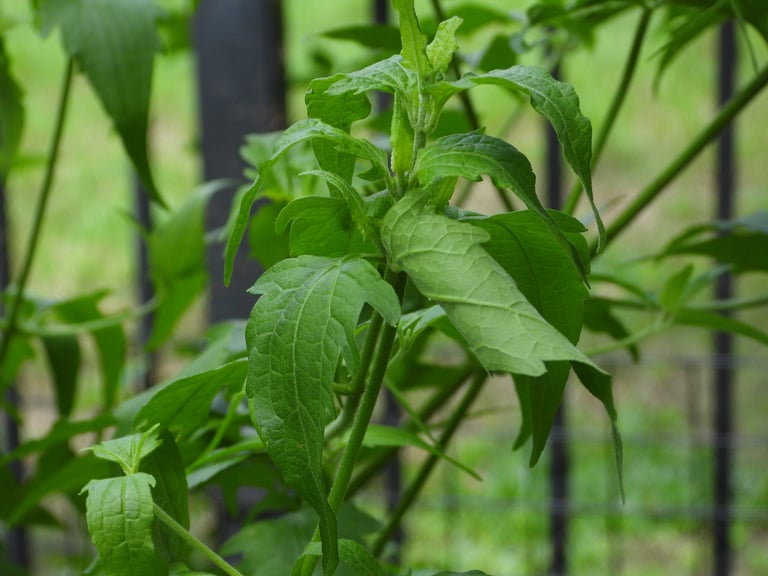
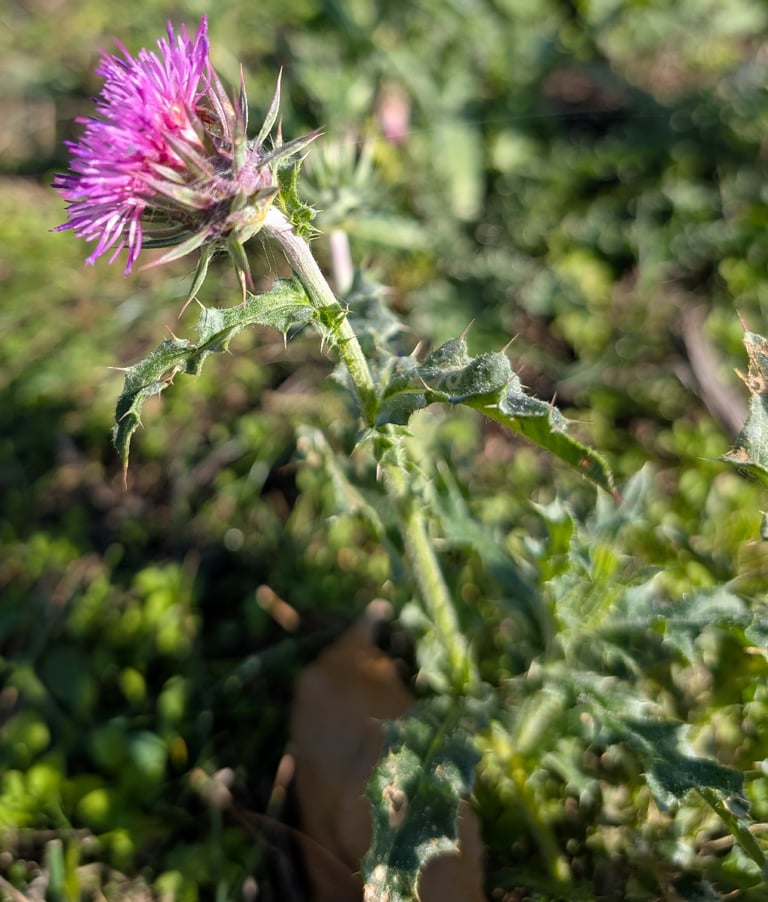
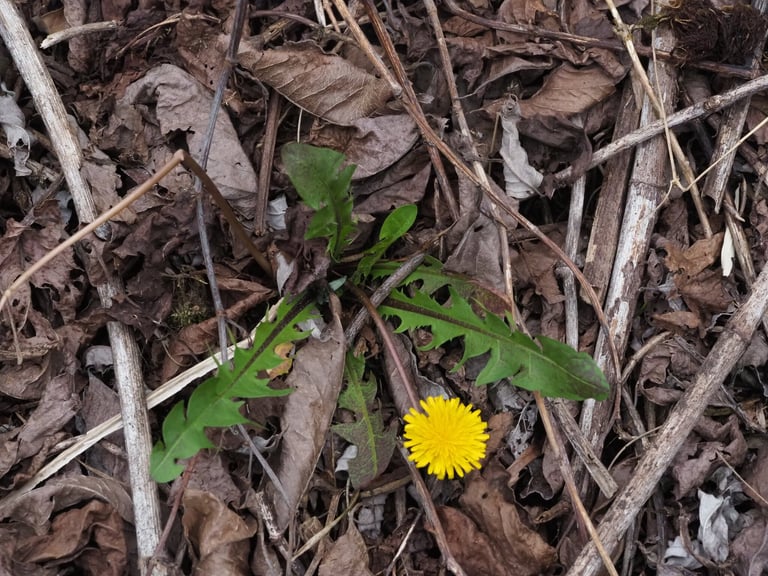
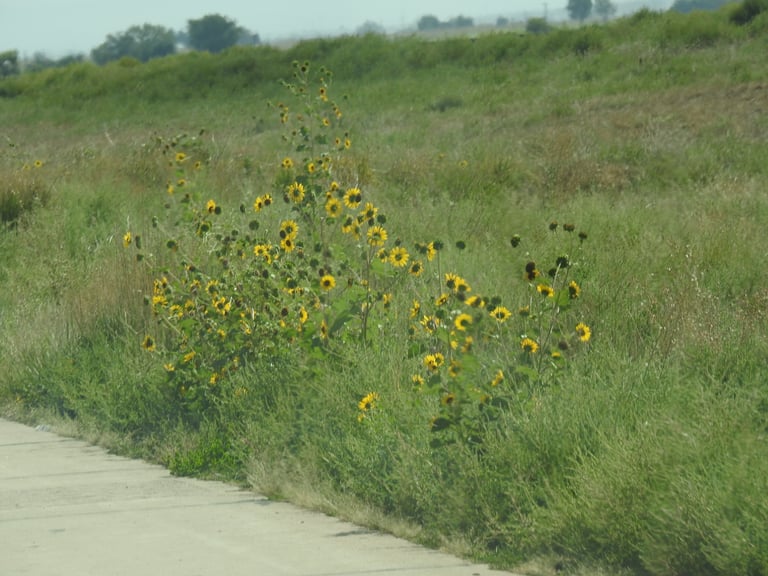
Photographs from via iNaturalist, licensed under CC0 1.0., by Urgamal Magsar via iNaturalist, licensed under CC BY 4.0., by Alexey Shkolikov via iNaturalist, licensed under CC BY 4.0., by Saskia Kollegger via iNaturalist, licensed under CC BY 4.0., by Tom W via iNaturalist, licensed under CC BY 4.0., by agujaceratops via iNaturalist, licensed under CC BY 4.0., by V_Nebenfuehr via iNaturalist, licensed under CC BY 4.0., by Ingvild Riska via iNaturalist, licensed under CC BY 4.0., by Jay Różycka via iNaturalist, licensed under CC BY 4.0., by Flavien Saboureau via iNaturalist, licensed under CC BY 4.0., and by Terry Instone via iNaturalist, licensed under CC BY 4.0., credited on each photo.
Ecology and classification
Classification
- Phylum
- Tracheophyta
- Class
- Magnoliopsida
- Order
- Asterales
- Family
- Asteraceae
- Genus
- Saussurea
- Species
- Saussurea alpina
Sources
- GBIF Species names and classification
- iNaturalist Photos
- Wikidata Common names and conservation status
- Wikipedia Summary extract
- Plants of the World Online Native range, life form and climate (WCVP)
- GloBI What it eats, what eats it, parasites and pollinators
- trophiCH