Few animals pack a complete body plan—mouth, gut, muscles, and reproductive organs—into a creature smaller than a grain of sand, but rotifers like Hexarthra polychaeta do exactly that. The species was formally described by Bennetch in 1981 and belongs to one of the animal kingdom's oldest and most successful microscopic lineages.
Taxonomically, Hexarthra polychaeta sits within the phylum Rotifera, class Eurotatoria, order Flosculariaceae, and family Hexarthridae. This places it among a group of animals defined less by size than by a distinctive ciliated feeding structure that has let rotifers thrive across aquatic environments for millions of years.
Detailed ecological and conservation data for this particular species remain scarce, which is itself worth noting: many members of the microscopic world that quietly shape freshwater ecosystems are still known chiefly through their formal scientific description rather than through field studies of their daily lives.
Distribution and Habitat
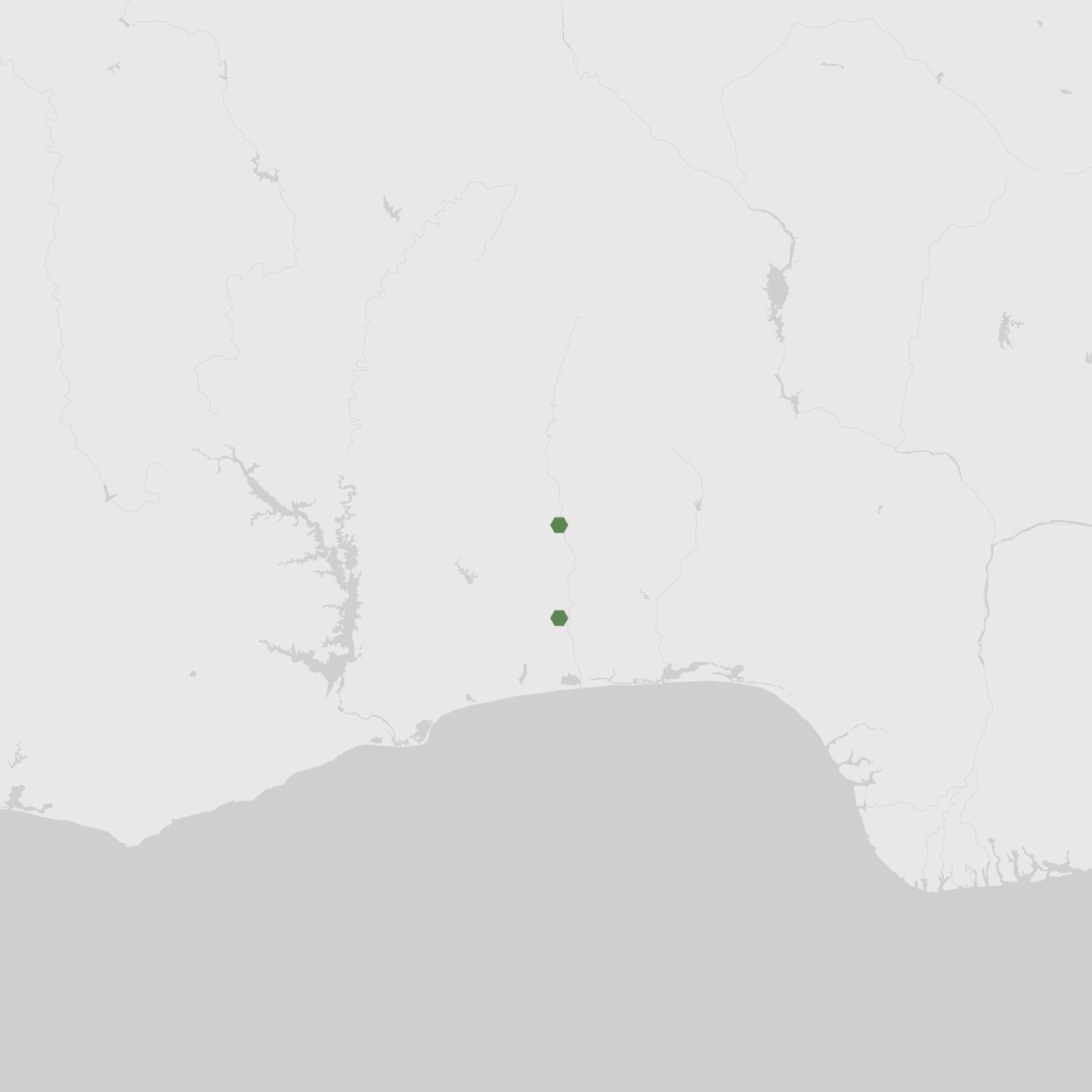
Occurrence data for Hexarthra polychaeta currently shows no recorded observations across any month of the year, meaning no seasonal pattern of presence can be identified from the available records. As the underlying data reflects presence observations rather than abundance or a complete range map, this absence should be read as a gap in documented sightings rather than evidence that the species is rare or absent from any particular region.
No specific habitat information is available in current records for this species. Broader patterns of where it lives, and the environments it depends on, are not yet documented in the sources behind this entry.
Cultural Significance
Unlike the large, visible animals that have long inspired carvings, frescoes, and mythological figures across human cultures, Hexarthra polychaeta is a microscopic rotifer with no documented presence in art, folklore, or symbolic tradition. Its significance lies almost entirely in the scientific realm, as a formally described component of freshwater microfauna rather than a figure in human storytelling.
No specific cultural or traditional human use of this species is recorded in available sources.