Hexarthra polyodonta was first described by Hauer in 1957 and placed within the family Hexarthridae, part of the vast and largely invisible phylum Rotifera. Its full classification runs from kingdom Animalia through phylum Rotifera, class Eurotatoria, and order Flosculariaceae down to its own genus and species.
Rotifers like this one are microscopic aquatic animals, most no larger than a fraction of a millimeter, that make up one of the most diverse but least visible branches of animal life. Little detailed information exists about the specific ecology or conservation status of Hexarthra polyodonta, which is typical for species in this understudied group.
What makes species like this worth reading about is precisely their obscurity: they represent a vast, mostly undocumented slice of biodiversity that persists in ponds, lakes, and other water bodies largely unnoticed by anyone outside specialist science.
Distribution and Habitat
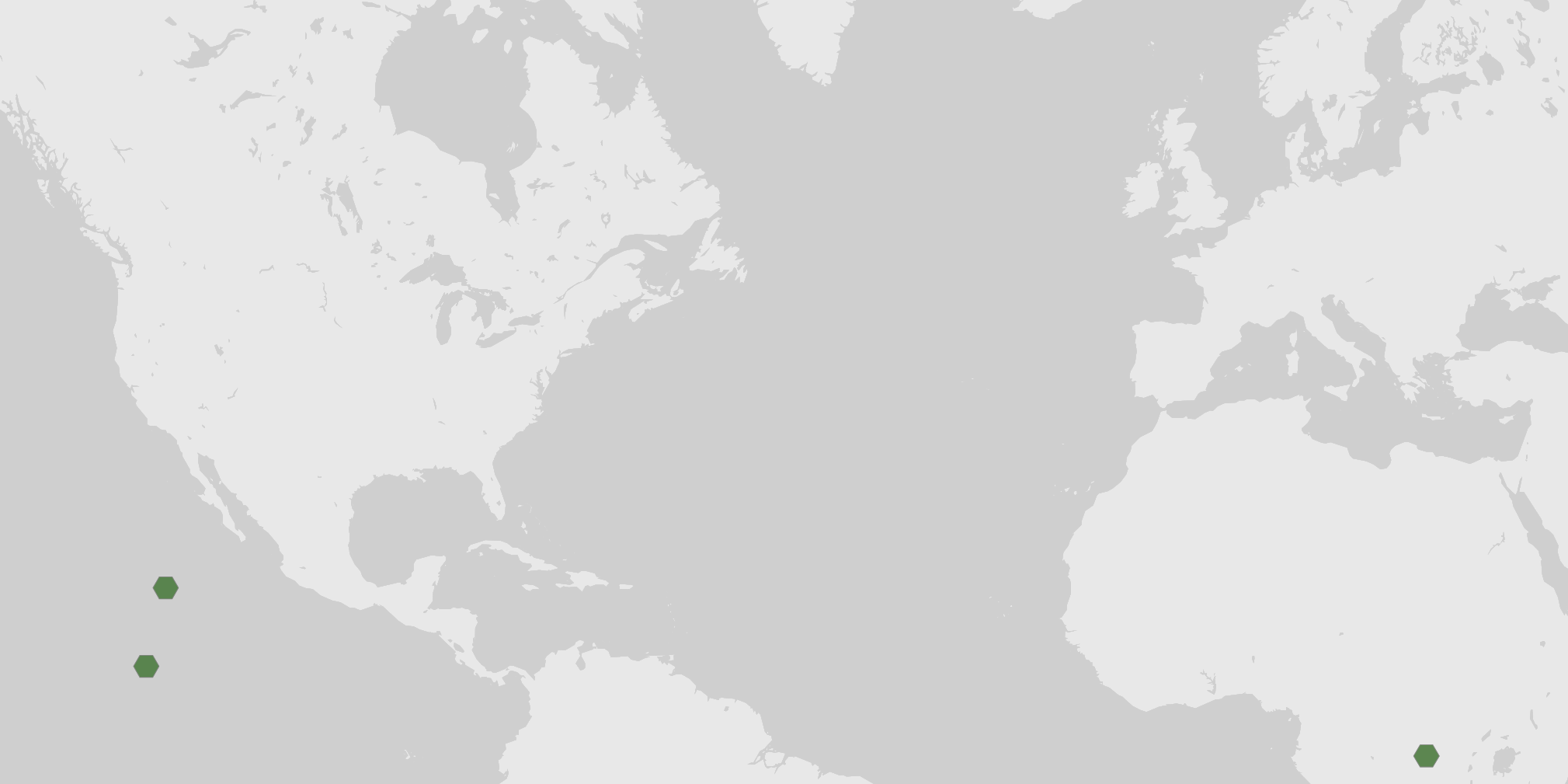
Occurrence records for Hexarthra polyodonta are sparse and scattered across the year, with no observations reported during December, January, or February. Presence data begin to appear in April and continue through November, suggesting the species is active or at least detectable across spring, summer, and autumn in the waters it inhabits.
The clearest concentration of records falls in July and August, when observation counts reach their highest point in the available data. This pattern may reflect a period of greater activity or visibility for the species, though it could equally reflect when observers happen to sample the water bodies where it lives.
These figures come from presence records rather than systematic population surveys, so they indicate only when and where the species has been detected, not how abundant it is or the full extent of its range. As with many microscopic rotifers, Hexarthra polyodonta likely persists in freshwater habitats that are undersampled compared to larger, more visible organisms.
Cultural Significance
As a microscopic organism known almost exclusively through scientific observation, Hexarthra polyodonta has no documented role in mythology, folklore, art, cuisine, or trade. Its significance lies within biodiversity monitoring and taxonomic research rather than in human tradition or symbolism.