Lepista irina is regarded by many foragers as a choice edible mushroom, placing it among the more desirable finds in its family, the Tricholomataceae.
It belongs to the order Agaricales within the phylum Basidiomycota, part of the broad group of gilled fungi that includes many familiar mushrooms. No conservation assessment is available for this species, so its population status remains undocumented.
What makes Lepista irina worth a closer look is its reputation among mushroom hunters, a reputation built on both its edibility and its distinctive silky-capped appearance.
Fruiting Body and Identification
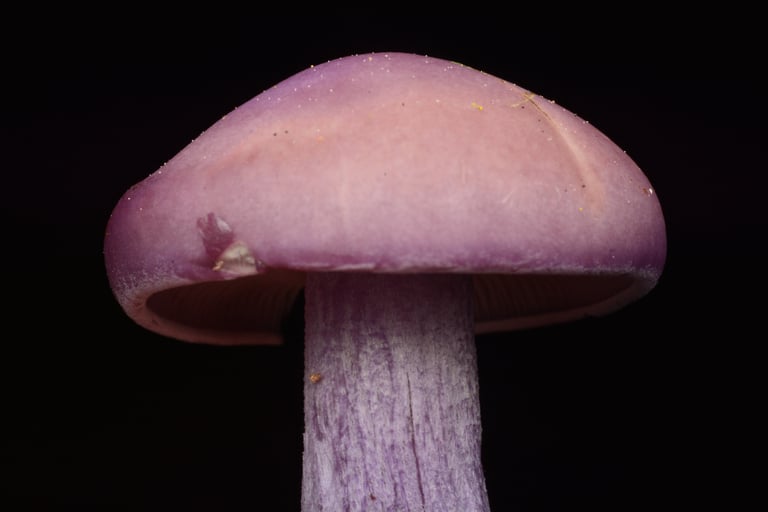
The most notable identifying feature of Lepista irina is its large, silky white cap, paired with a thick, sturdy stalk. This combination gives the mushroom a robust, substantial appearance in the field.
Beyond these traits, detailed information on gill structure, spore print color, flesh texture, or scent is not available in current records. Foragers relying on visual identification alone should be cautious, since the description here is limited to the cap and stalk characteristics.
No lookalike species are documented in the available information, so no comparison can be offered.
Distribution and Habitat
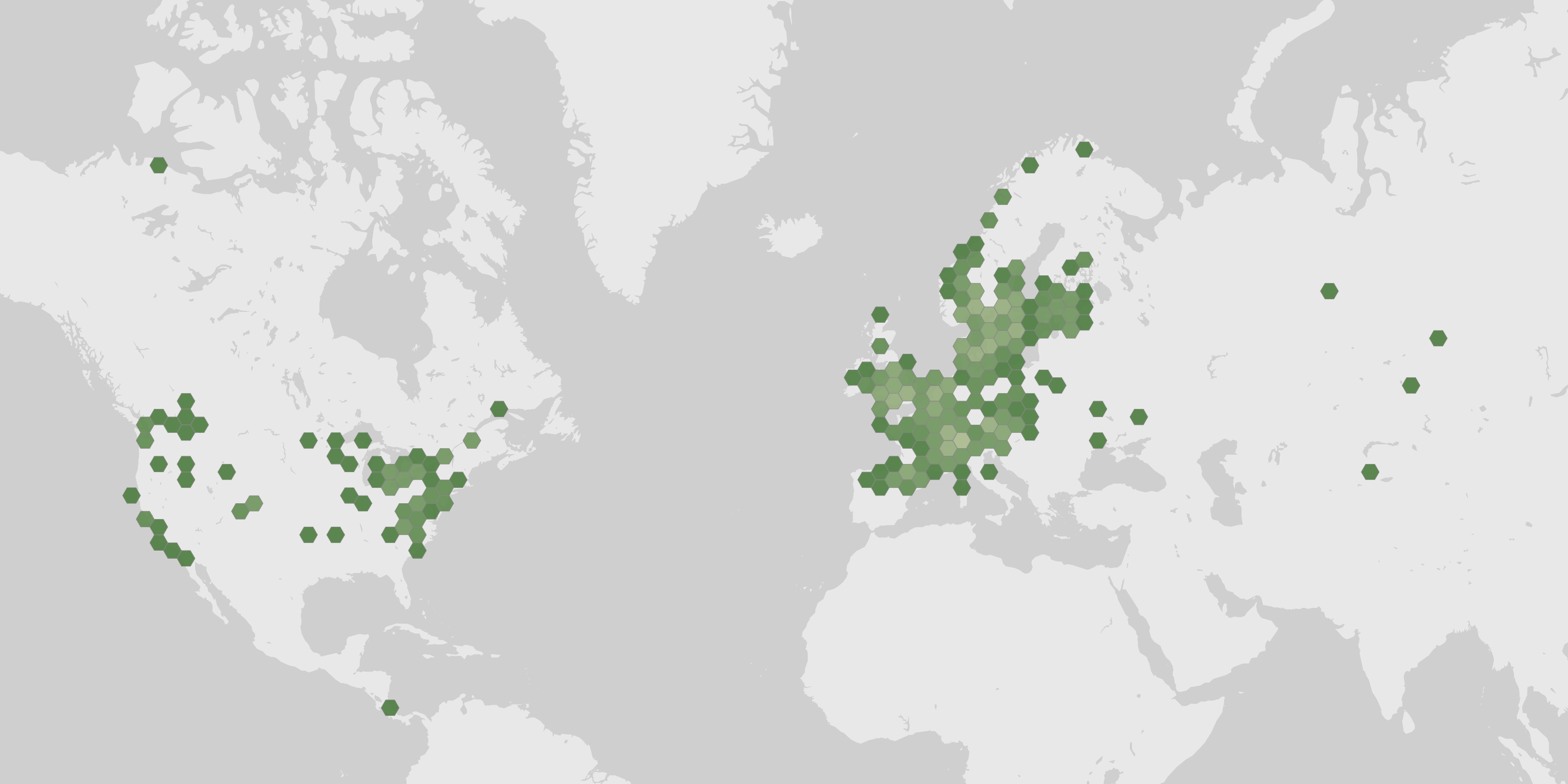
Observation data for Lepista irina shows a strong seasonal pattern, with sightings rising sharply through the summer and peaking dramatically in September, when recorded observations reach their highest point of the year. Counts remain elevated in August and October before dropping off through the winter and early spring months.
This pattern suggests the species is most commonly encountered in late summer and autumn, though the underlying data reflects presence observations only, not abundance or a complete picture of its range. Specific habitat types and geographic regions are not detailed in the available records.
Because GBIF-style occurrence counts capture where observers happened to record the species rather than where it grows most densely, the September peak should be read as an indication of when people are most likely to encounter it, not proof of a larger population at that time.
Fun Facts
- Lepista irina belongs to the class Agaricomycetes within the phylum Basidiomycota.
- It is classified in the order Agaricales and the family Tricholomataceae.
- The species carries a reputation as a choice edible mushroom among foragers.
- Its common name is identical to its scientific name, Lepista irina.
- Recorded observations peak sharply in September, hinting at a late-summer to autumn fruiting window.