The osprey is one of only six land bird species with a truly worldwide distribution, and the second most widely distributed raptor on Earth after the peregrine falcon. It breeds and winters on every continent except Antarctica, following coastlines, rivers, and lakes wherever fish swim near the surface.
Classified by the IUCN as Least Concern, Pandion haliaetus remains common and widespread, a rare conservation success story after a mid-twentieth-century population collapse. Its combination of global reach, a distinctive plunge-dive hunting style, and a family, Pandionidae, that it occupies entirely alone make it one of the more instantly recognizable raptors anywhere near water.
Identification and Appearance
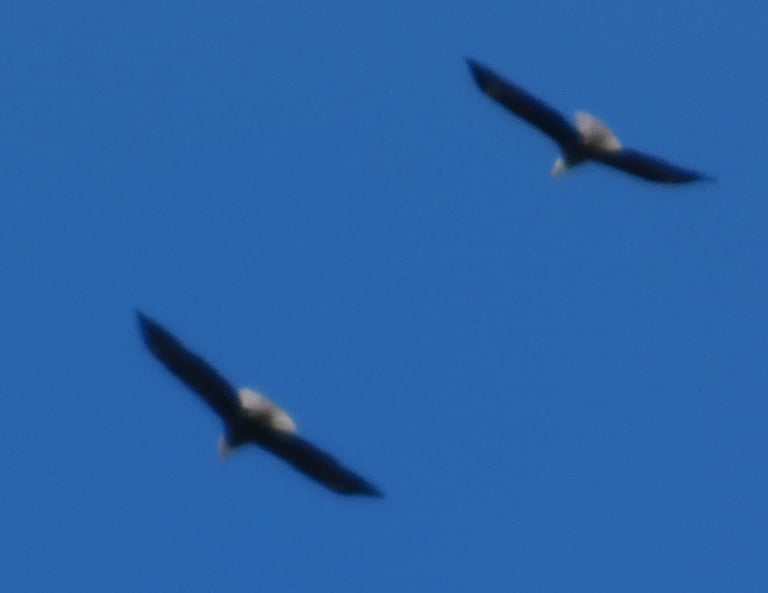
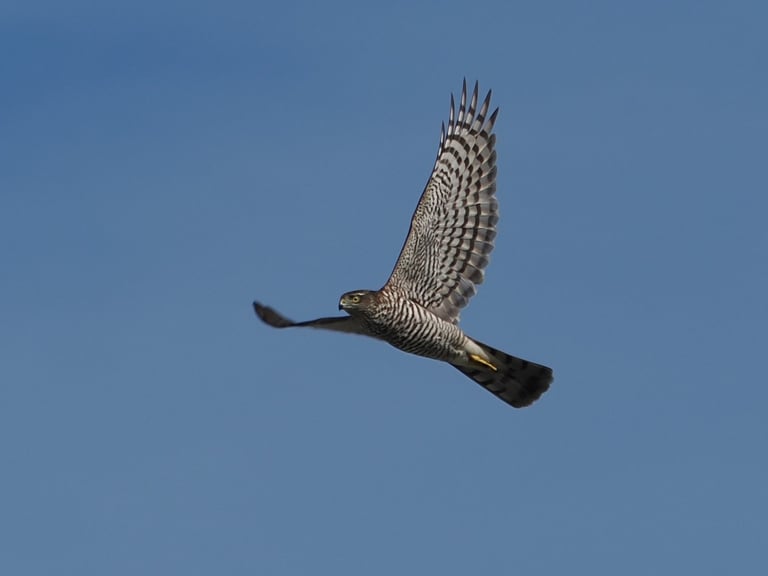
The clearest field mark on a flying osprey is the pair of black patches at the wrist on the underwing, visible against otherwise pale flight feathers even at a distance. Combined with a white head crossed by a dark mask reaching to the sides of the neck, this pattern separates the osprey from any similarly sized hawk or eagle.
Adults measure 50 to 66 centimeters in length, weigh between 0.9 and 2.1 kilograms, and carry a wingspan of 127 to 180 centimeters, placing them among the largest members of the Buteo and Falco size class. The upperparts are a deep, glossy brown, the breast is white and sometimes lightly streaked, and the underparts are pure white; the bill is black with a blue cere, and golden to brown eyes are protected by a pale blue nictitating membrane. In flight the wings are held arched with drooping
Distribution and Habitat
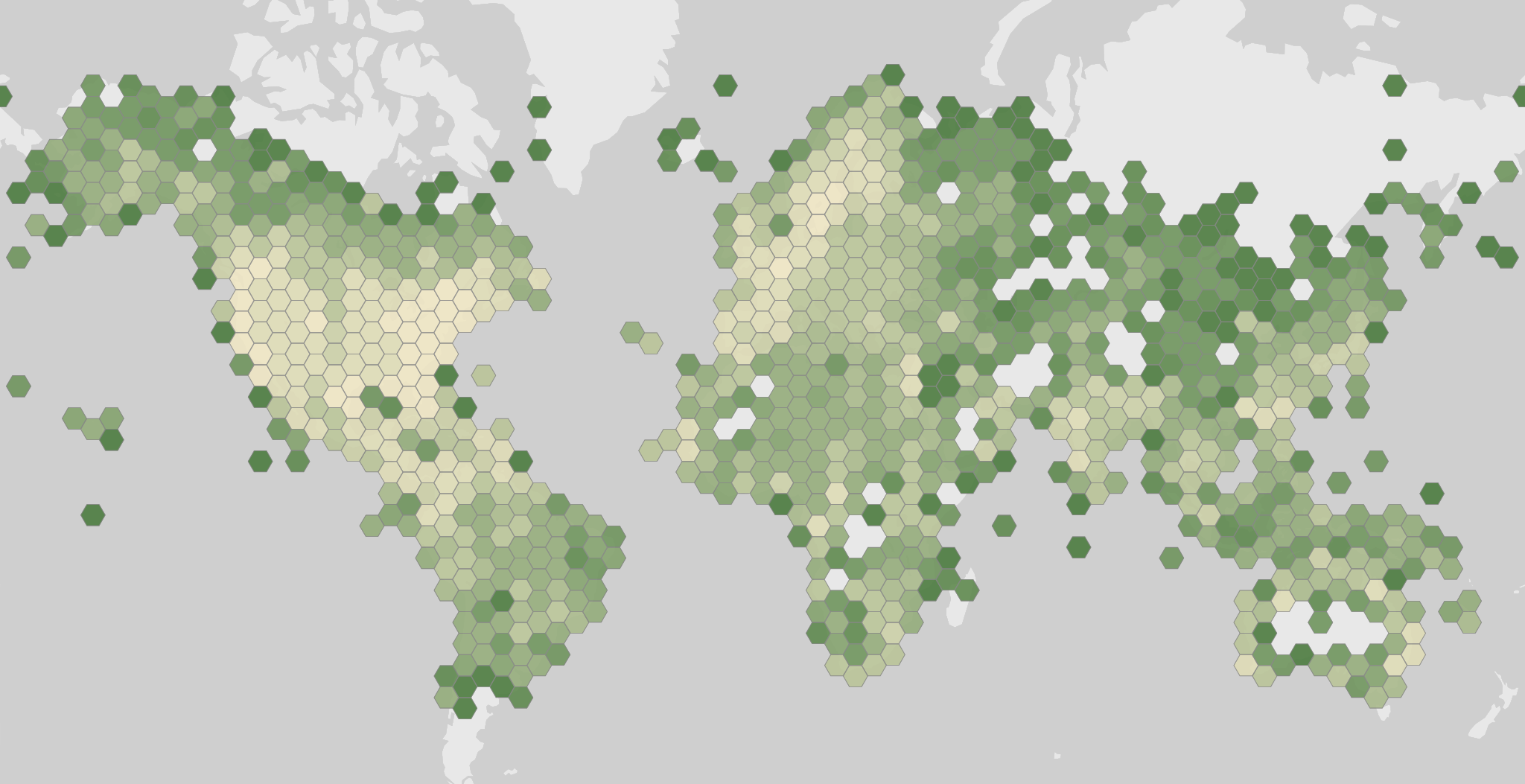
Ospreys occupy an enormous range that spans temperate and tropical regions on every continent but Antarctica, wherever safe nest sites sit near shallow water rich in surface-feeding fish. In North America the species breeds from Alaska and Newfoundland south to the Gulf Coast and Florida, with migratory populations wintering as far south as Argentina; European breeders summer across Great Britain, Scandinavia, and Finland before wintering in North Africa, and Australasian birds are largely sedentary, appearing patchily around the coastline with a roughly 1,000-kilometer breeding gap along the Nullarbor Plain coast.
Habitat use centers on riparian forest, lakes, reservoirs, coastal brackish water, swamps, and mangroves; the birds are notably indifferent to whether the surrounding land is wooded or open, so long as fishable water and a secure nest platform are close by. Nests are generally built within 3 to 5 kilometers of a water body and favor tall snags, cliffs, small islands, or artificial structures such as utility poles and channel markers that keep ground-based predators away.
Monthly observation counts from GBIF, which reflect where the species has been recorded rather than true abundance, show a pronounced rise from a low point around January and February toward a peak in April, followed by a gradual decline through the second half of the year. That pattern is consistent with seasonal movement into breeding areas in spring across parts of the range, though it cannot be read as a measure of population size.
Behavior and Lifestyle
Ospreys are diurnal hunters that pair spaced nests rather than defended feeding territories, an unusual arrangement among raptors. Because their fish prey is mobile and often scattered several kilometers from the nest, defending a hunting territory would not pay off, so pairs instead concentrate their aggression on the nest site itself, which they guard vigorously year after year.
Some populations are migratory and some are sedentary, with the dividing line running near 30 degrees north latitude in North America and 38 to 40 degrees north in Europe; migratory birds breed farther north and winter farther south, with little geographic overlap between the two strategies. Breeding ospreys range up to 14 kilometers from the nest on hunting trips, and non-breeders travel as far as 10 kilometers between daytime feeding grounds and roosts.
During migration, Swedish-tracked birds covered 260 to 280 kilometers a day on average, with a single-day maximum of 431 kilometers, traveling mostly by daylight but sometimes continuing after dark over water crossings. Migration is by far the riskiest period of the annual cycle: Swedish data show more than half of all annual mortality occurs during these journeys, with spring deaths concentrated in Africa around the Sahara crossing and other losses tied to collisions with utility lines and aircraft near nesting areas.
Communication
Researchers recognize up to five distinct osprey calls, each paired with a specific visual display rather than used in isolation. These vocalizations cover begging, alarm, courtship, and nest defense, giving the species a compact but functional signaling system.
The most elaborate display is the male's
Hunting and Diet
,
Nesting and Breeding
,
Population and Ecological Role
Ospreys shape their environment mainly through their fishing and their nests. As predators that feed heavily on fish, they likely have a measurable effect on local fish populations, though they are unlikely to make up a significant portion of the diet of any other predator in turn.
Their nests support a small community of other species. Smaller cavity-nesting birds, including common grackles, tree swallows, barn swallows, European starlings, and house sparrows, build nests within the bulky structure of an active osprey nest. Larger birds sometimes take over the nests outright: great blue herons, Canada geese, bald eagles, red-tailed hawks, great horned owls, herring gulls, and common ravens have all been known to usurp osprey nests before the resident pair returns in spring.
In northern forested regions, ospreys historically depended on beavers to create suitable habitat. Beaver dams form the shallow ponds ospreys need for fishing and kill the trees that later become nest sites. Like most predators, ospreys also carry a range of parasites, including feather mites, though they are not known to form parasitic or mutualistic relationships with other species.
Conservation and Threats
The osprey is assessed as Least Concern by the IUCN, supported by a large range of about 9,670,000 square kilometers across Africa and the Americas alone and a global population estimated at 460,000 individuals. The species is not believed to be approaching the population decline thresholds used for Red List criteria, though a regional decline has been documented in South Australia, where former territories around the Spencer Gulf and lower Murray River have sat vacant for decades.
The most serious historical threat was the pesticide DDT, which spread through the food chain from the 1950s through the 1970s and interfered with the birds' calcium metabolism, producing thin, easily broken, or infertile eggs. Along the Atlantic coast between New York City and Boston, 90% of breeding pairs disappeared during this period. Before DDT, the main threats were egg collectors and shooting of adults, both of which have declined sharply, though some shooting still occurs.
DDT was banned in the United States around 1970, and osprey populations have since rebounded to historic levels, aided by artificial nest platforms, hacking projects, and new habitat created by reservoirs. The species remains vulnerable in some countries that use DDT on its wintering grounds. In the U.S., ospreys are not listed under the Endangered Species Act but are protected by the Migratory Bird Act and CITES Appendix II, and are classified as threatened or a species of special concern in several states, including Michigan. In South Australia, nesting sites on the Eyre Peninsula and Kangaroo Island remain vulnerable to unmanaged coastal recreation and urban development.
Cultural Significance
The osprey's scientific name carries a tangled myth: Pandion refers to an Athenian king from Greek mythology, but the legend of a father transformed into a hawk actually concerns Tereus, not Pandion, making the name doubly inaccurate since ospreys eat fish rather than the small birds of that story. Its species name, haliaetus, comes from the Greek for
Fun Facts
- The osprey's scientific name is something of a mix-up: the myth behind Pandion actually describes Tereus being turned into a hawk, not Pandion, and in any case ospreys eat fish rather than the birds of that legend.
- Its species name, haliaetus, comes from Greek roots meaning "sea eagle," a fitting label for a bird also known historically as the sea hawk, river hawk, or fish hawk.
- Along some European coastlines, folk tradition treated the sight of an osprey as a good omen for fishing, since it signaled that schooling fish were near the surface.
- The osprey is a large raptor, reaching over 60 centimeters in length with a wingspan around 180 centimeters, and shows a distinctive brown-and-grey plumage pattern rather than the all-dark look of many other hawks.
- Despite its fish-eating habits, the osprey has a nearly cosmopolitan distribution, occurring on every continent except Antarctica.
Photos
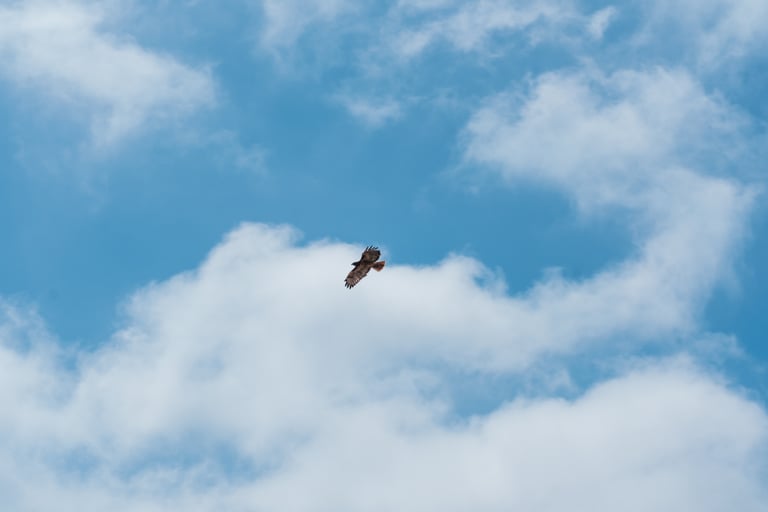
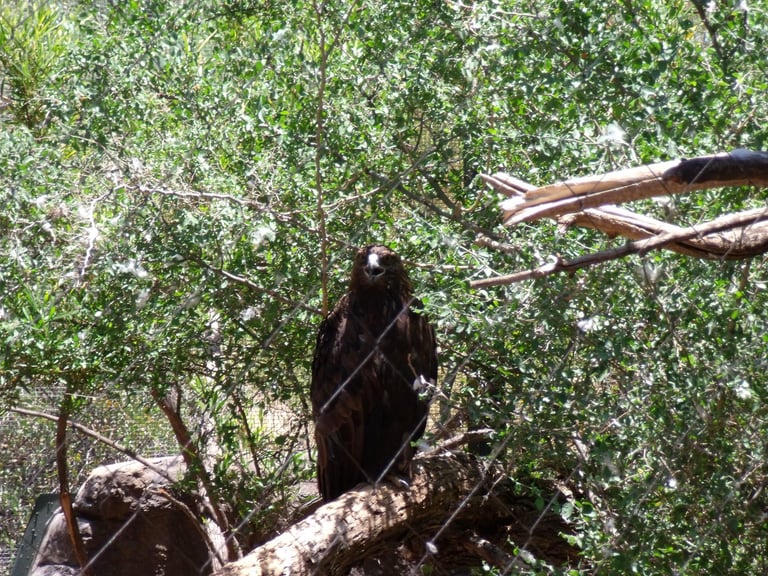
Photographs from via iNaturalist, licensed under CC0 1.0., by danikraemer via iNaturalist, licensed under CC BY 4.0., by Andrew Lai via iNaturalist, licensed under CC BY 4.0., by Daughter Dad via iNaturalist, licensed under CC BY 4.0., by Jules Reppert via iNaturalist, licensed under CC BY 4.0., by louisiv826 via iNaturalist, licensed under CC BY 4.0., by kirk gardner via iNaturalist, licensed under CC BY 4.0., by Brooke J. via iNaturalist, licensed under CC BY 4.0., by Rachel via iNaturalist, licensed under CC BY 4.0., by cello caruso-turiello via iNaturalist, licensed under CC BY 4.0., by nuthatchnicole via iNaturalist, licensed under CC BY 4.0., by Aquilinus via iNaturalist, licensed under CC BY 4.0., and by Tilgate Zoo via iNaturalist, licensed under CC BY 4.0., credited on each photo.
Ecology and classification
Classification
- Phylum
- Chordata
- Class
- Aves
- Order
- Accipitriformes
- Family
- Pandionidae
- Genus
- Pandion
- Species
- Pandion haliaetus
Sources
- GBIF Species names and classification
- iNaturalist Photos
- Wikidata Common names and conservation status
- Wikipedia Summary extract
- Encyclopedia of Life Habitat, diet and behavior traits
- Animal Diversity Web Animal habitat, behavior and diet
- AnAge Longevity