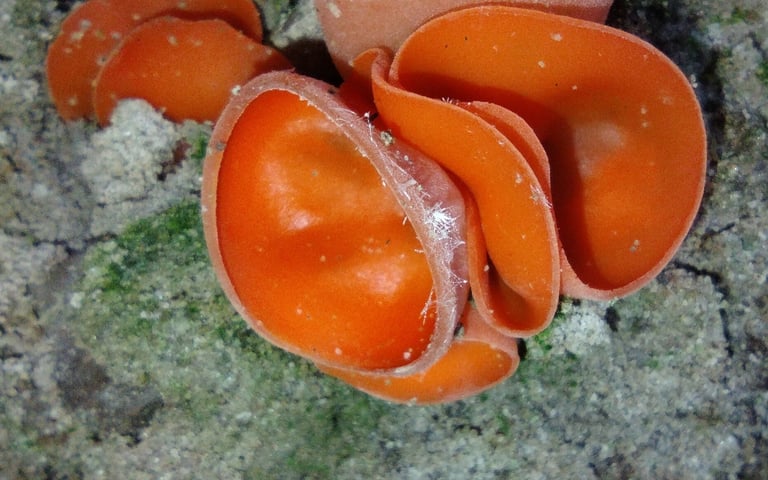
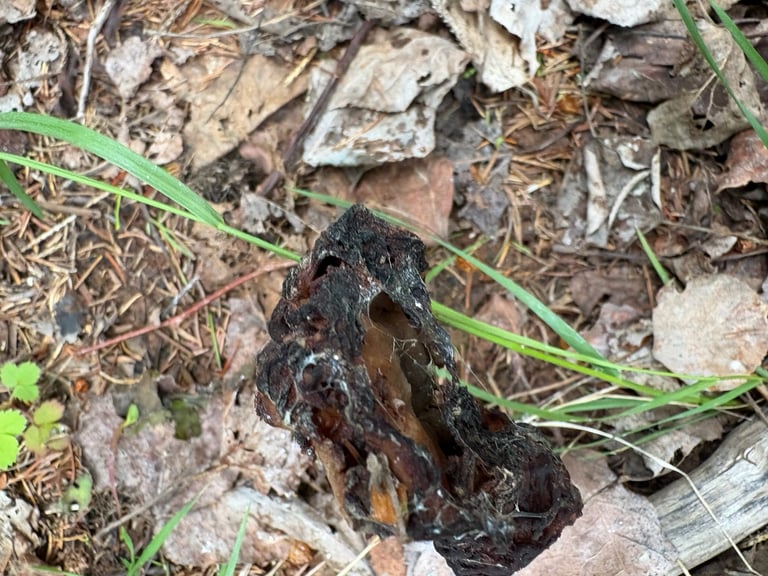
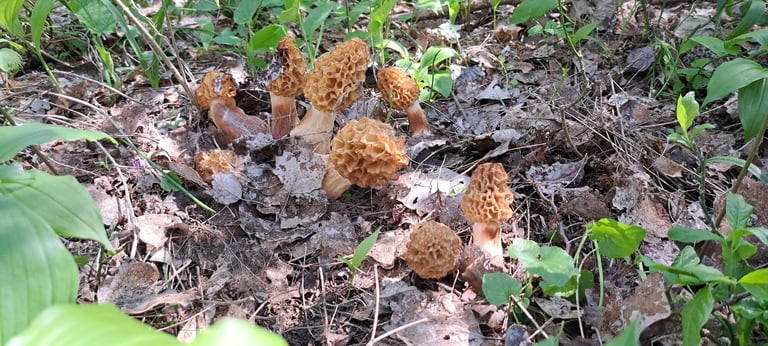
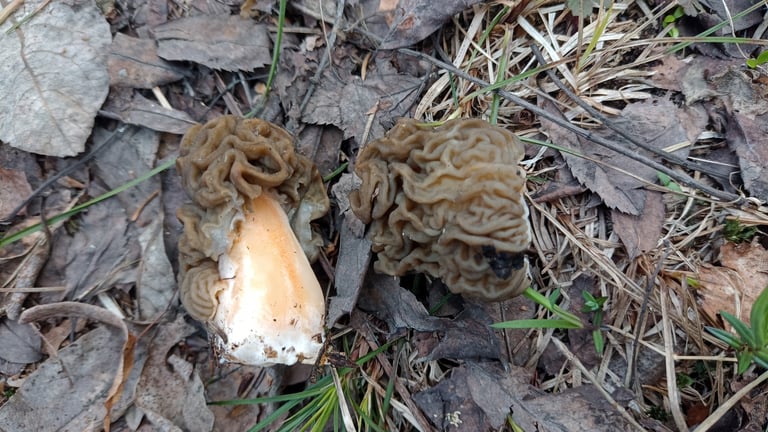
The common dung cup gets its name from an unglamorous habit: it fruits directly on manure and rotting compost, forming pale, wavy-edged cups that often grow in dense clusters.
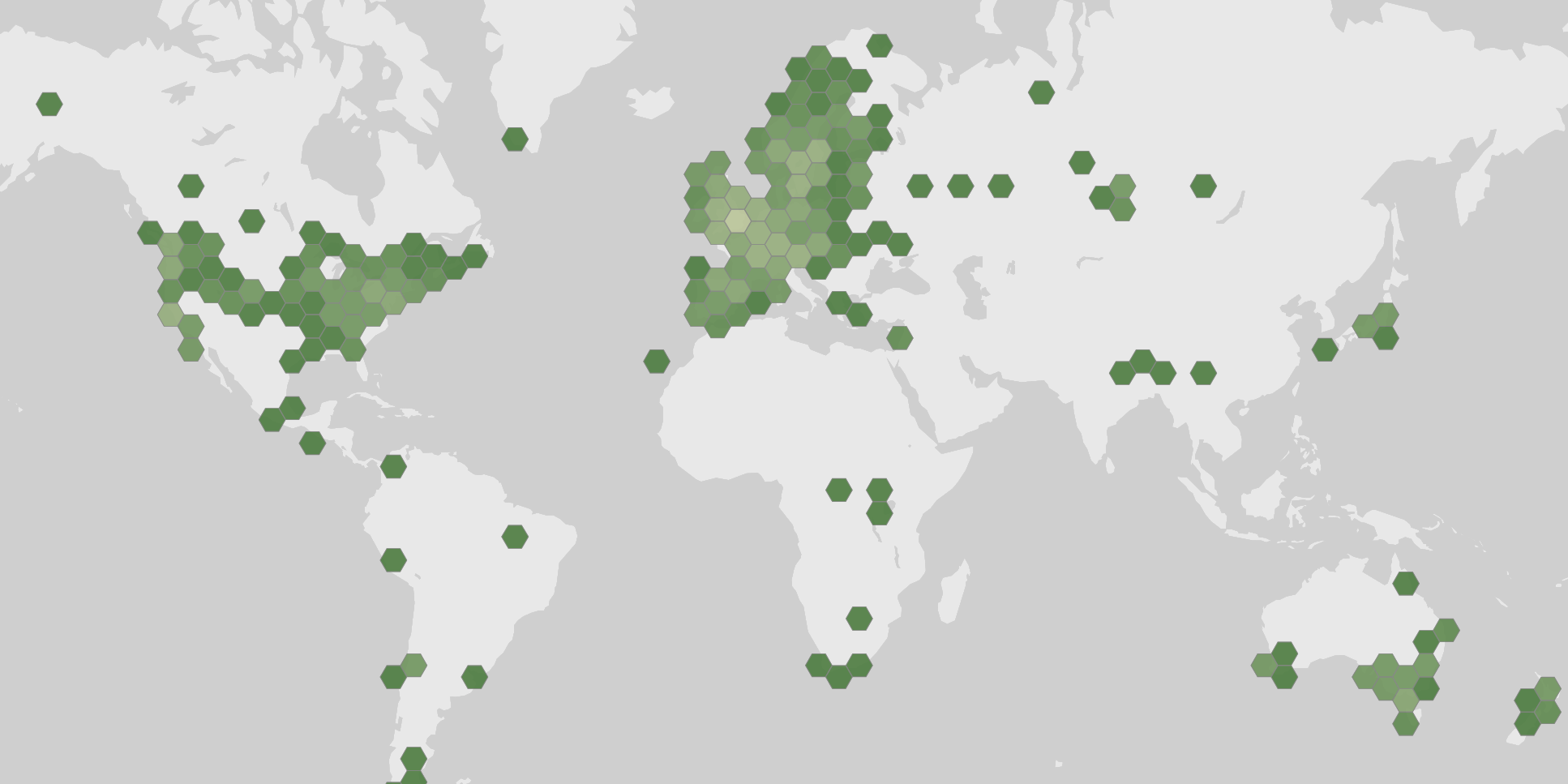
Peziza vesiculosa is a cup fungus in the family Pezizaceae, part of the order Pezizales within the phylum Ascomycota. It is found across North America and Europe, with scattered records elsewhere, though no conservation status has been assessed for it.
What makes this species worth a closer look is less its appearance than its place in a notoriously difficult genus: telling Peziza vesiculosa apart from its many relatives typically requires a microscope, not just a field guide.
Fruiting Body and Identification
The most reliable field mark is shape rather than color: pale, bowl- or cup-shaped ascocarps that measure 1 to 6 centimeters across and frequently crowd together in tight clusters.
The spore print is white, a detail that helps separate Peziza vesiculosa from cup fungi with tinted spores, but color and shape alone rarely settle an identification within this genus.
Distinguishing it from other Peziza species is difficult without microscopic examination of the spores. Species with purplish tints inside the cup have been reclassified into the genus Geoscypha, and similar cup-shaped fungi also turn up in Tarzetta, Jafnea, Legaliana, and Phylloscypha.
Distribution and Habitat
Peziza vesiculosa occurs year-round across North America, though on the West Coast it is mainly seen between December and April. It is common throughout Europe, with scattered records reported elsewhere in the world.
The species favors nutrient-rich soils, fruiting most often on manure and compost rather than in typical woodland leaf litter.
Monthly observation counts show a clear spring peak, rising from a low of 170 in February to 694 in May, before falling through summer and climbing again to a smaller secondary peak of 475 in October. These figures come from presence records rather than measures of abundance or a complete range, so they indicate when the species is most often noticed rather than how common it actually is.
Uses and Cultural History
Peziza vesiculosa carries little to no historical or cultural significance, in contrast to species such as Amanita muscaria, valued for its spiritual symbolism, or Trametes versicolor, used in traditional Chinese medicine.
The species is considered poisonous, though cooking may neutralize its toxins.
Fun Facts
- Despite its unassuming look, Peziza vesiculosa belongs to a genus estimated to contain over 100 species, most of unknown edibility.
- Members of Peziza grow on the ground, on rotting wood, or on dung, making them some of the most substrate-flexible cup fungi.
- The family Pezizaceae, to which it belongs, produces spores on the upper surface of cup- or disc-shaped fruiting bodies that are typically stemless or nearly so.
- Unlike psychoactive or medicinal fungi such as Amanita muscaria or Trametes versicolor, Peziza vesiculosa has attracted little cultural attention.
- Most Peziza species, including this one, are difficult to tell apart without examining spores under a microscope.
Ecology
Habitat
- Disturbed Ground