Thamnobryum alopecurum belongs to the true mosses, placed in the class Bryopsida within the phylum Bryophyta. It sits in the order Hypnales and the family Neckeraceae, a lineage of feather-mosses known for their branching, frond-like growth.
As a non-vascular plant in the kingdom Plantae, it represents one of the many small, low-growing species that make up the bryophyte flora studied under this classification. Its full scientific name, Thamnobryum alopecurum (Hedw.) Gangulee, reflects a taxonomic history reaching back to the work of Hedwig before being placed in its current genus by Gangulee.
Identification and Appearance
Beyond its taxonomic placement in the family Neckeraceae, detailed field marks for Thamnobryum alopecurum are not covered in this overview. It is classified as a moss species, a group generally identified through microscopic leaf and stem features rather than obvious traits visible at a glance.
Distribution and Habitat
Observation records for Thamnobryum alopecurum show a clear seasonal pattern, with counts rising from 2,935 in January to a peak of 5,287 in April before declining steadily to 2,181 by December. This spring peak suggests the moss is most frequently recorded or most conspicuous during that period, though the data reflects presence observations rather than actual abundance or population size.
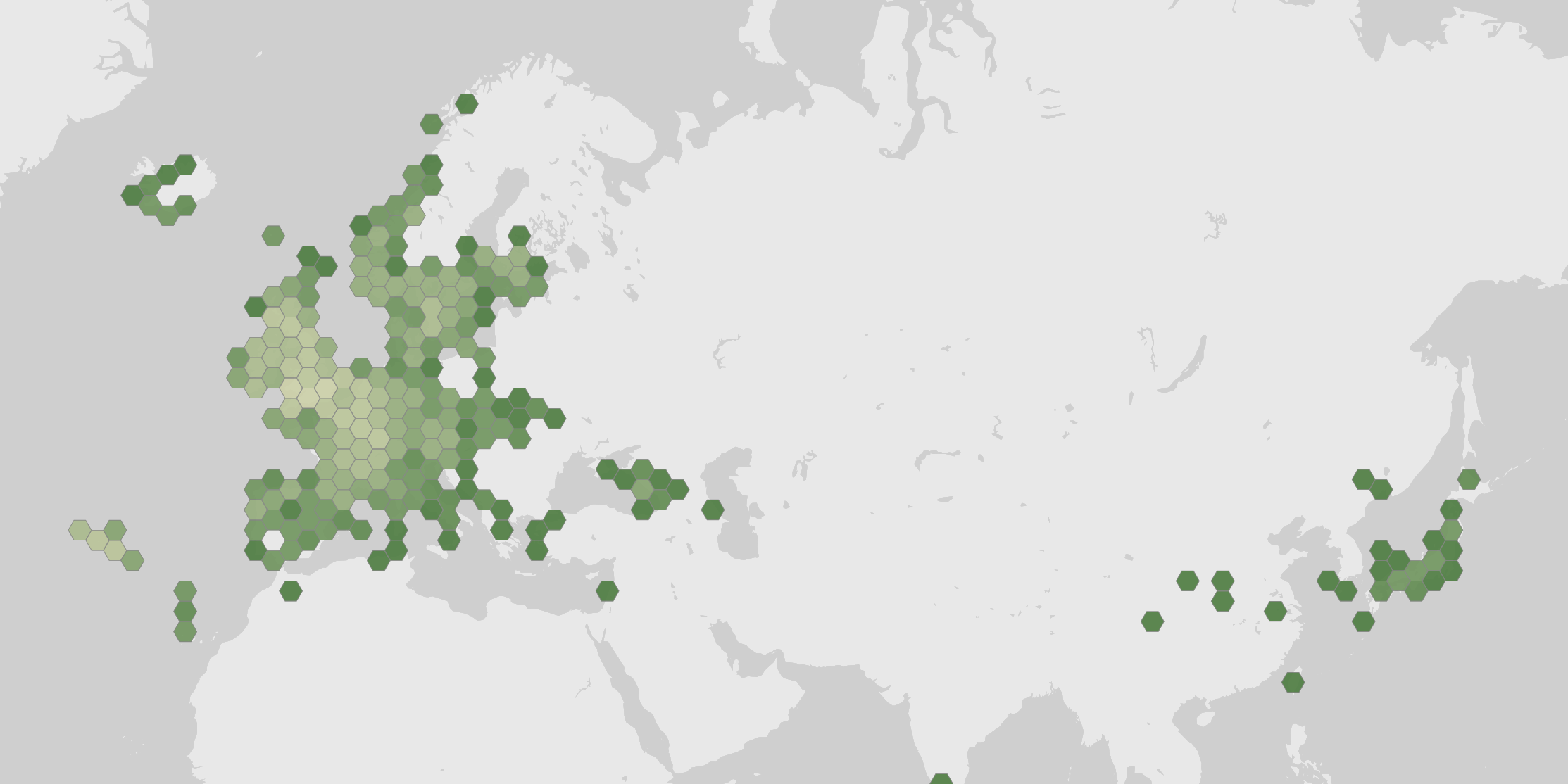
The drop-off through summer and into winter, from roughly 3,700 in June and July down to around 2,400 by November, may reflect reduced observer activity or seasonal changes in visibility rather than a true decline in the species itself. As the underlying GBIF figures are occurrence counts, they cannot be read as a measure of how common the moss is or as a complete picture of its range.
Fun Facts
- Thamnobryum alopecurum is also known by the common name Fox-tail Feather-moss, a nod to its bushy, tail-like shoots.
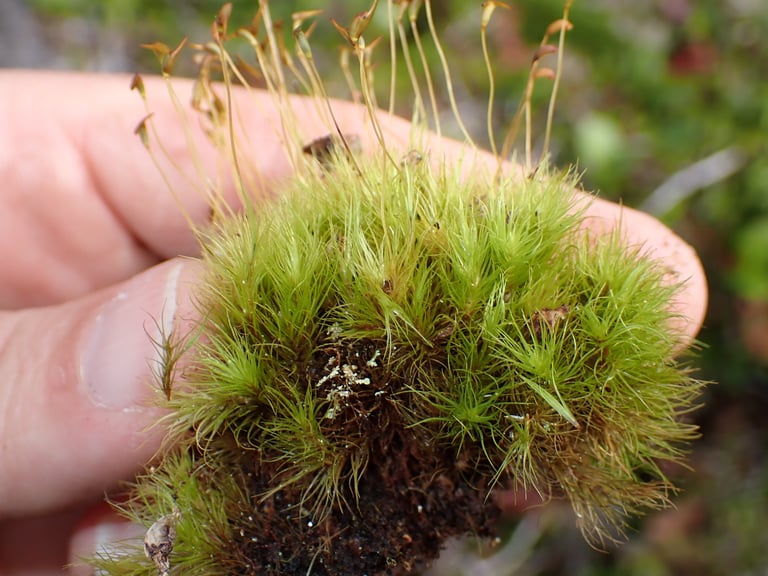
- It has been described as a "rather tatty, dirty, rat's-tail kind of moss," with bright green tips contrasting against lower leaves and branches that look more dingy.
- Despite this somewhat unglamorous reputation, its uneven coloring, fresh green growth at the tips fading to duller tones below, is one of its most distinctive visual traits.
Ecology
Growth habit
- Moss