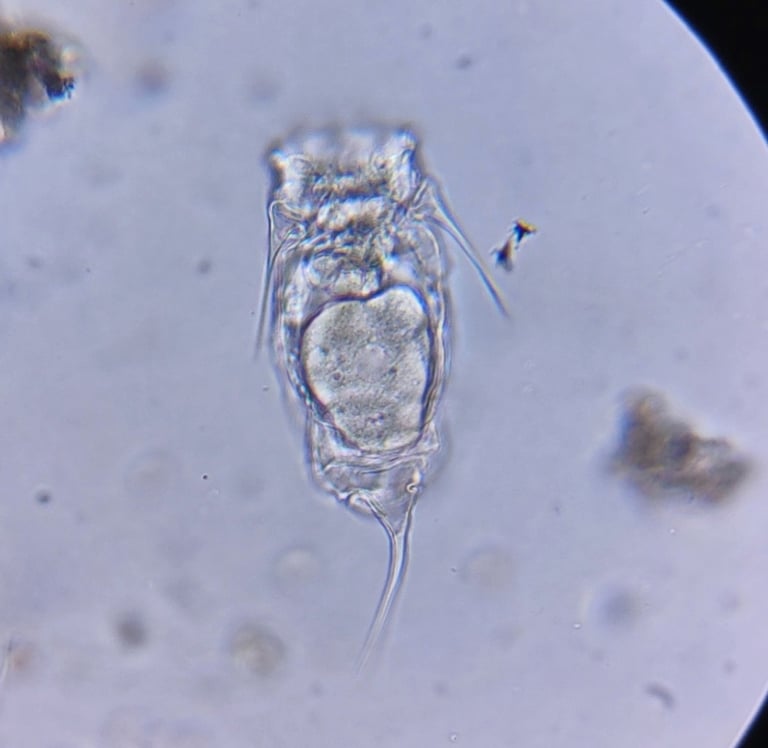
Trochosphaera solstitialis Thorpe, 1893 belongs to one of the animal kingdom's smallest and least conspicuous lineages: the rotifers. It sits within the phylum Rotifera, class Eurotatoria, order Flosculariaceae, and family Trochosphaeridae, a placement that groups it with other minute, mostly aquatic invertebrates known for their wheel-like ciliated feeding structures.
Because the species is so small and rarely documented, little else about its biology, range, or conservation standing has been established with confidence. What is clear is that it occupies a niche within the vast and often overlooked world of microscopic freshwater life, a group whose members quietly shape aquatic food webs even though they are almost never seen without a microscope.
Distribution and Habitat
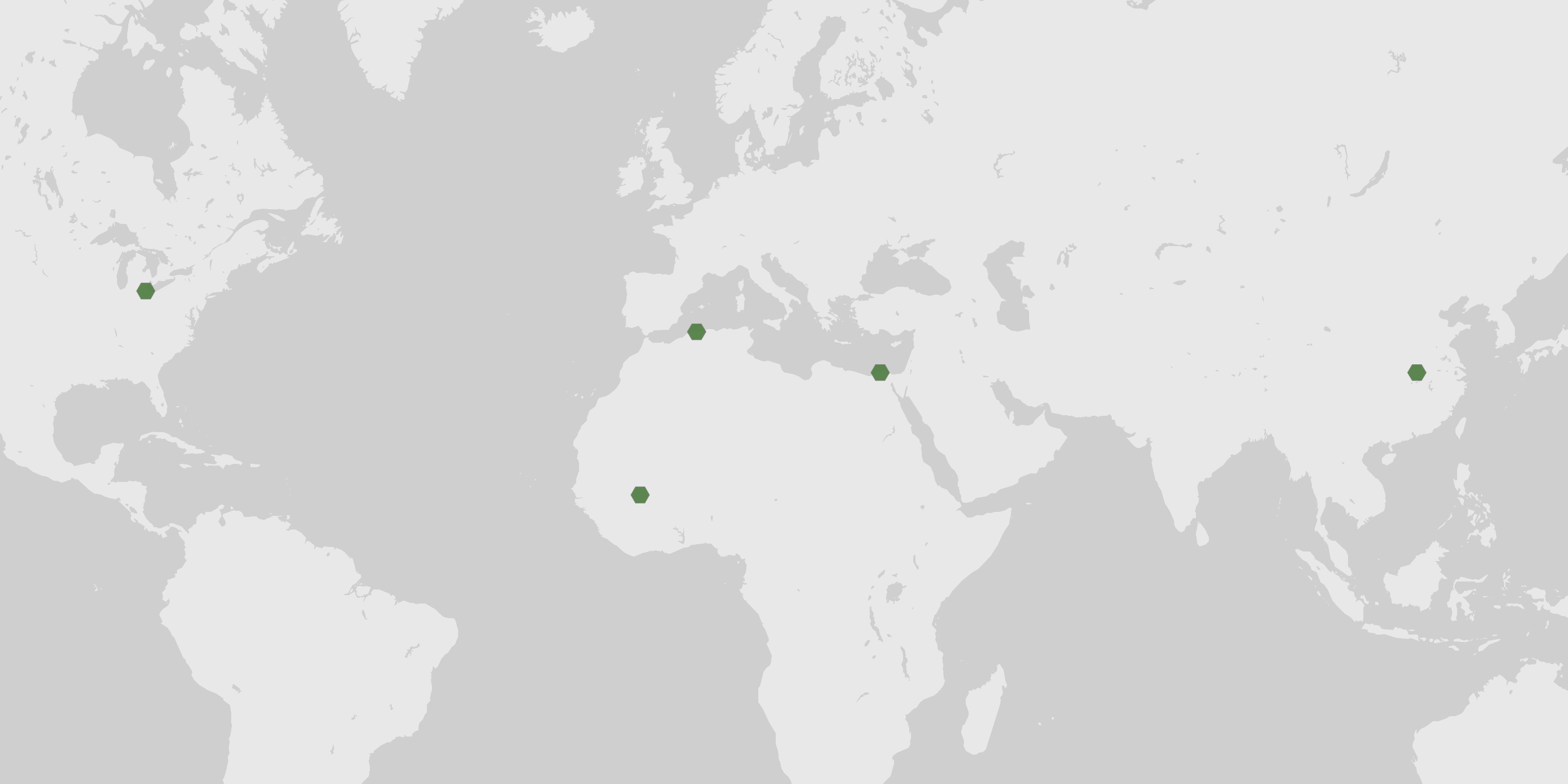
Recorded observations of Trochosphaera solstitialis are extremely sparse, limited to a handful of sightings concentrated in May, July, and August. This pattern hints at possible seasonal presence during the warmer months, but the dataset is far too thin to describe a reliable range or habitat preference.
These figures come from GBIF occurrence records, which capture only where and when someone happened to observe and log the species, not its abundance or the full extent of where it actually lives. A species this small and easy to overlook is likely under-recorded across much of its true distribution, so the near-total absence of data for most of the year should be read as a gap in observation effort rather than evidence of absence.
Ecology and classification
Classification
- Phylum
- Rotifera
- Class
- Eurotatoria
- Order
- Flosculariaceae
- Family
- Trochosphaeridae
- Genus
- Trochosphaera
- Species
- Trochosphaera solstitialis