
Pezizomycetes · Pezizales
Blistered Cup Fungus
Peziza vesiculosa
Also known as: Blistered Cup
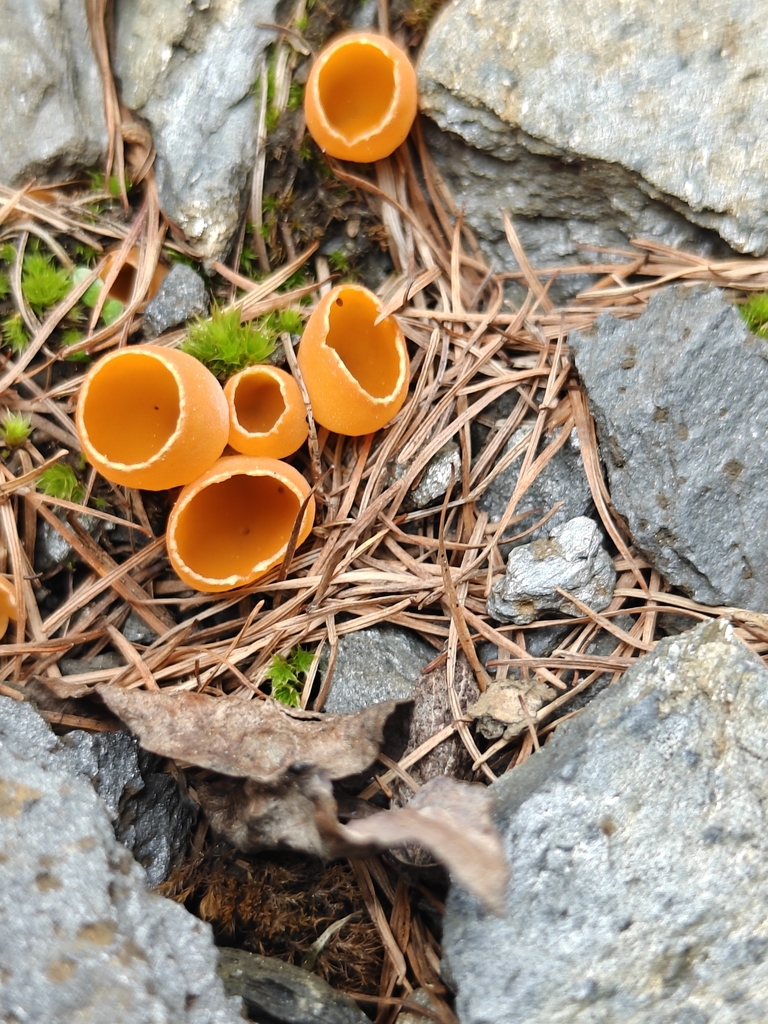
© Владимир Преловский · iNaturalist · CC BY 4.0
Scientific Classification & Quick Facts
Classification
Known For
Detailed measurements for this species are still being verified.
Peziza vesiculosa, the Blistered Cup Fungus, is a striking ascomycete that transforms damp soil and decaying wood into delicate, cup-shaped fruiting bodies. These fungi appear seemingly overnight in disturbed ground, gardens, and woodland edges across the temperate world, their distinctive pale or brownish cups often clustered in striking formations. Found in at least 29 countries worldwide, this species belongs to the ancient family Pezizaceae—a lineage of cup fungi that has remained largely unchanged for millions of years.
What makes this fungus particularly compelling is its ecological role as a decomposer and its sensitivity to environmental conditions. The fruiting bodies release millions of ascospores into the air, yet the species remains locally abundant wherever rich organic matter accumulates. Unlike many fungi, Peziza vesiculosa thrives in heavily disturbed habitats—a trait that has allowed it to persist and spread alongside human activity. Its conservation status remains unknown, reflecting both its adaptability and the relatively scant attention given to common saprophytic fungi in biodiversity assessments.
Identification and Appearance
Size and Shape
Peziza vesiculosa produces distinctive cup-shaped fruiting bodies that typically measure 2–5 centimetres across at the mouth. The cups are relatively shallow to moderately deep, with thin-walled flesh that is characteristically fragile. Individual specimens are solitary or grow in scattered clusters on suitable substrates, though they may occasionally appear in dense groups under favourable conditions.
Colour and Surface Features
The external surface is pale tan to greyish-brown, often appearing wrinkled or slightly scaly. The interior of the cup is smooth and ranges from cream to pale brown, and this inner surface bears the fertile spore-producing layer. The defining feature—reflected in the common name—is the prominent blistering or vesiculate appearance of the outer surface, which consists of distinctive bubble-like projections and irregular swellings. These blister-like structures give the fungus its characteristic wrinkled, almost brain-like texture.
Microscopic and Distinctive Characteristics
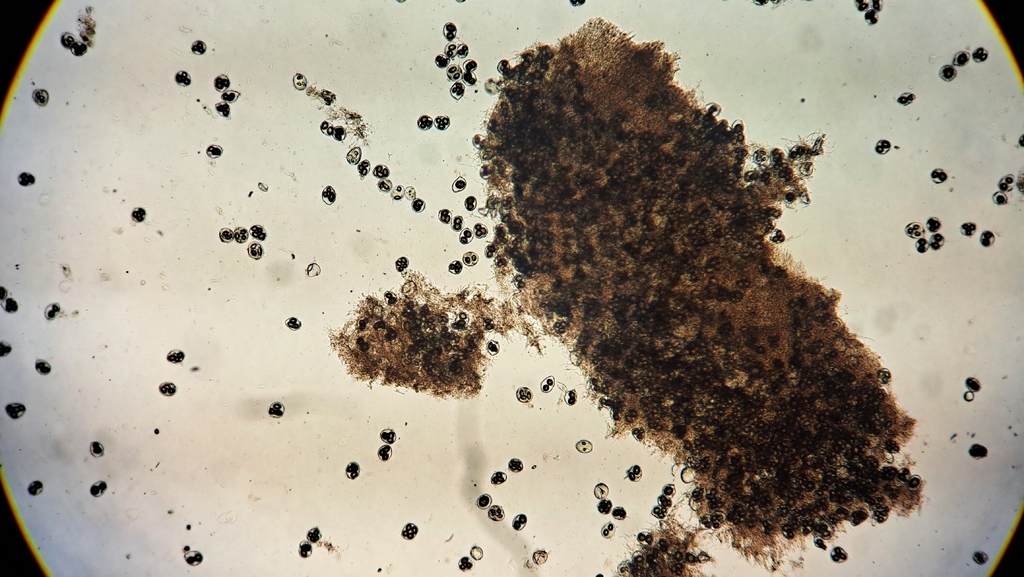
Under magnification, the asci (spore-bearing structures) are eight-spored and thin-walled, and spores are ellipsoid to slightly irregular, typically measuring 15–20 micrometres in length. The flesh itself is relatively brittle and translucent when fresh, becoming more fragile as it dries. When wet, the cups may soften and become even more gelatinous in texture. These fungi have no distinctive smell, though they may acquire earthy odours from their substrate. The cups are best identified in the field by their characteristic pale colouration, relatively small to medium size, prominent external wrinkling, and the typical cup-shaped form.
Distribution and Habitat
Peziza vesiculosa has a wide geographic range across the Northern Hemisphere and extends into the Southern Hemisphere, with documented records in 29 countries. The species shows highest occurrence in North America and northern Europe. The United States leads with 78 records, followed by Sweden (32), the Netherlands (29), Great Britain (26), and Germany (23). Australasian populations are also established, with 16 records from Australia. Other significant populations occur in France (13), Switzerland (12), and smaller populations in Norway and Canada (9 each).
This fungus occurs across a broad elevation range, from 265 metres to 1,410 metres above sea level, with an average elevation of approximately 676 metres. The species shows a distinct seasonal pattern, with peak fruiting in March. Activity remains moderately high through spring (February to May), with February and March producing the most specimens. Fruiting declines sharply during summer months (July and August show minimal records), then gradually increases again in autumn and early winter.
Ecology and Lifecycle
Lifecycle
Peziza vesiculosa follows the typical ascomycete lifecycle, beginning as vegetative mycelium in soil and organic matter. The fungus spreads through the substrate as branching, thread-like hyphae, breaking down decaying plant material and woody debris. Under appropriate conditions—typically cool, moist environments with adequate organic nutrition—the mycelium produces fruiting bodies, the characteristic cup-shaped ascomata that give the species its common name.
The fruiting bodies form from densely packed hyphal tissue and develop into shallow to deeply cupped structures with a pale brown or cream-colored interior. Within the cup, the hymenium (fertile tissue layer) lines the inner surface and produces asci—specialized cells that each contain eight ascospores. When mature, these spores are forcibly ejected into the air, where air currents disperse them to new suitable habitats. The entire reproductive cycle from mycelium to spore release typically spans several weeks, with fruiting often concentrated in spring and autumn when soil moisture is high.
Ecological Role
Peziza vesiculosa functions as a saprotroph, playing a crucial role as a decomposer in terrestrial ecosystems. It colonizes disturbed soil, compost heaps, mulch, and areas rich in decaying organic matter, where it breaks down cellulose and lignin through enzymatic activity. This decomposition accelerates nutrient cycling, releasing nitrogen, phosphorus, and other essential elements back into the soil for plant uptake. The fungus thrives particularly in disturbed habitats and human-modified landscapes, making it a pioneer species in restoration of degraded soils.
By fragmenting organic substrates into smaller components, P. vesiculosa facilitates the work of bacteria and other soil microorganisms, creating a complex decomposer network. Its presence indicates active decomposition and soil health, though the fungus is not known to form symbiotic relationships with plants or animals. Instead, its ecological contribution lies purely in nutrient remineralization and soil enrichment.
Uses
Peziza vesiculosa has no culinary or medicinal applications. The fungus is not edible and is not commercially harvested or processed. It possesses no known pharmacological properties of interest to human medicine or industry.
The primary value of this species lies in its role as a bioindicator of soil health and organic matter decomposition. Its presence in compost facilities, gardens, and disturbed sites signals active microbial activity and successful breakdown of organic waste. Researchers and soil ecologists sometimes use fruiting events of P. vesiculosa to monitor environmental conditions and the progress of decomposition in managed organic waste systems.
Conservation and Threats
Peziza vesiculosa, the blistered cup fungus, has not been formally assessed by the IUCN Red List. This absence of formal status reflects a broader pattern in fungal conservation: most fungi worldwide lack dedicated assessment, partly because their population dynamics are difficult to quantify and their ecological roles remain incompletely understood. Without designation as threatened or endangered, the species is not subject to specific legal protections in most jurisdictions.
The population trend for this species is unknown. No standardised monitoring programmes exist to track its abundance or distribution changes over time. Like many saprotrophic fungi that fruit unpredictably in response to moisture and temperature fluctuations, P. vesiculosa presents a moving target for population assessments. Sporadic fruiting means that absence in one season does not indicate population decline.
Threats
The primary threat to this species is habitat loss and degradation, particularly in regions where dead wood and organic matter—essential resources for its decomposition—are removed or cleared. Intensive forestry practices that eliminate fallen logs and leaf litter reduce fruiting substrate. Urban development and agricultural intensification further fragment the semi-natural woodlands and disturbed ground where P. vesiculosa commonly appears. Pesticide and fungicide applications in agricultural and horticultural settings may suppress fungal fruiting, though direct evidence specific to this species is limited.
Climate change poses an indirect threat through altered precipitation and temperature patterns. This species thrives in warm, moist conditions and depends on consistent moisture for fruit body formation. Extended droughts or erratic rainfall regimes could reduce fruiting success in vulnerable regions, though the species’ broad geographic range and generalist habitat use provide some resilience.
Conservation Efforts
No targeted conservation programmes exist for P. vesiculosa. The species benefits incidentally from general biodiversity protection measures, particularly the preservation of old-growth forests, woodland reserves, and protected areas where dead wood is left to decompose naturally. Within these settings, the fungus continues to play its ecological role as a wood and soil decomposer.
Fun Facts
- Cup fungi don’t always look like cups. Peziza vesiculosa earned its common name “Blistered Cup Fungus” from the distinctive blistered or wrinkled surface texture of its fruiting bodies, which often appear as shallow cups or saucers on the forest floor.
- It thrives on decomposition. This saprophytic fungus specializes in breaking down dead organic matter—rotting wood, dung, and nutrient-rich soil—making it an essential recycler in ecosystems.
- You need a microscope to identify it properly. While the blistered cup shape offers a visual clue, reliable identification of Peziza vesiculosa requires microscopic examination of spore structure and other cellular features, even by trained mycologists.
- Its edibility remains a mystery. Unlike some cup fungi that are prized edibles, the edibility of Peziza vesiculosa is unknown, and it is not consumed—a common pattern across much of the genus.
- The genus Peziza is a taxonomic puzzle. Peziza vesiculosa belongs to a polyphyletic genus, meaning the species grouped under “Peziza” do not all descend from a single common ancestor; genetic studies have revealed that the genus needs major taxonomic revision.
- It’s one of over 100 species in its genus. The genus Peziza is estimated to contain more than 100 recognized species worldwide, though that number continues to shift as DNA sequencing clarifies relationships and reveals cryptic species.
- It appears suddenly after rain. Like many cup fungi, Peziza vesiculosa fruits explosively after wet weather, appearing overnight on suitable substrates before releasing millions of spores into the air—a strategy that makes it an occasional nuisance indoors on damp soil in potted plants.
Photo Gallery
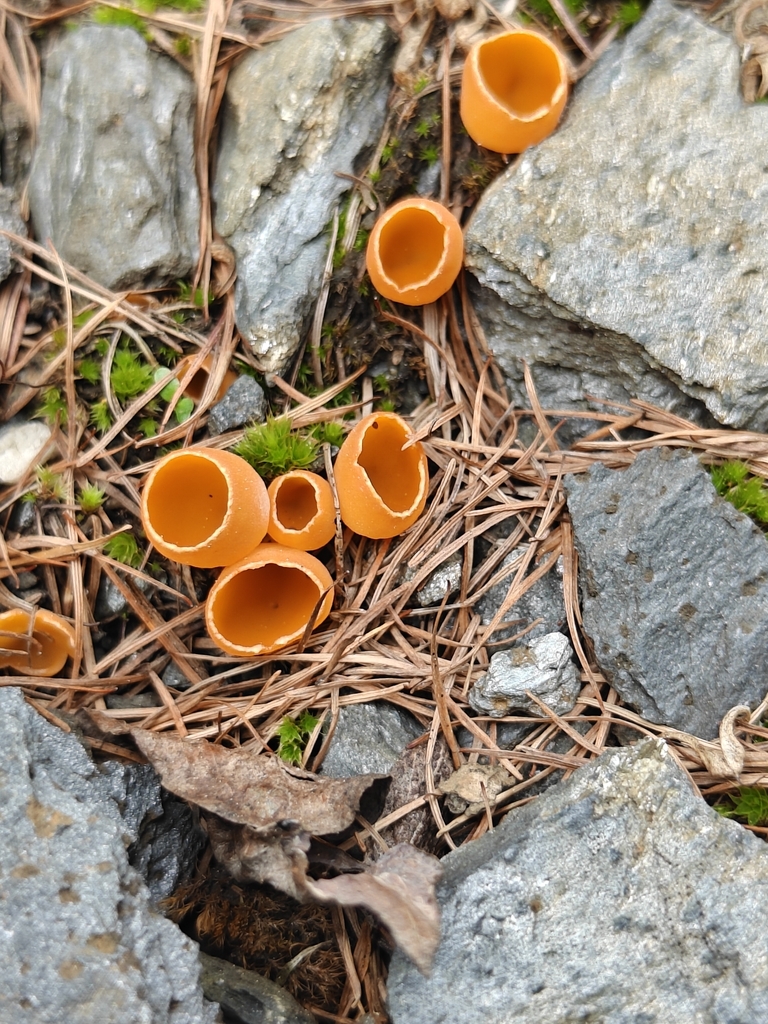
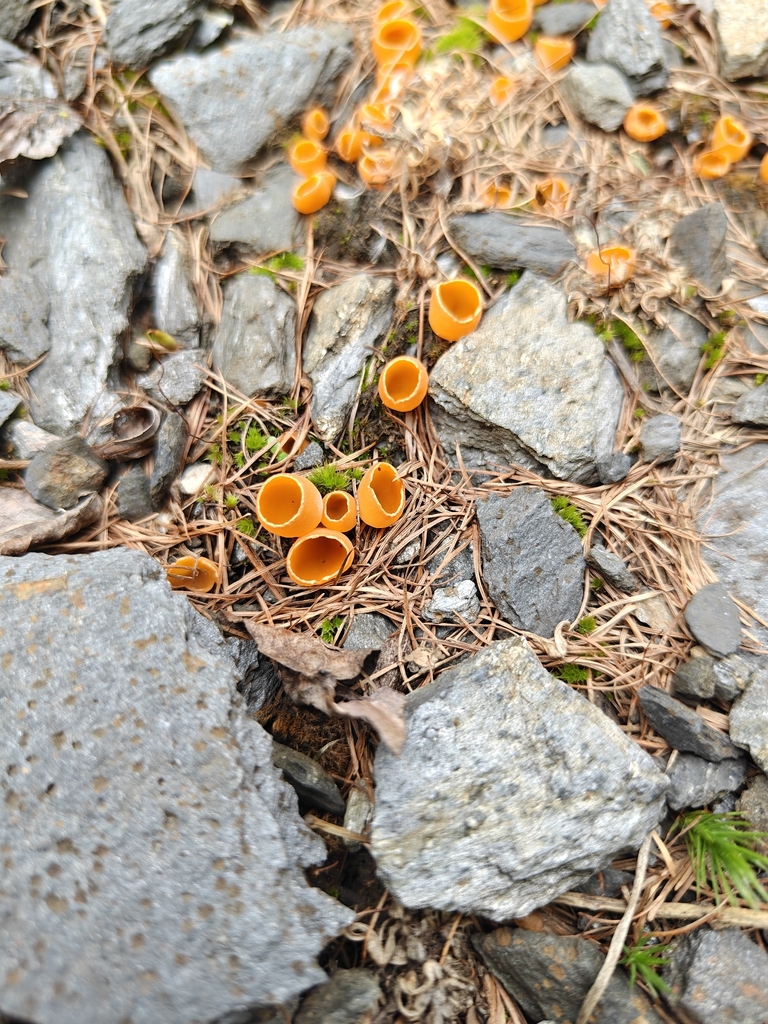
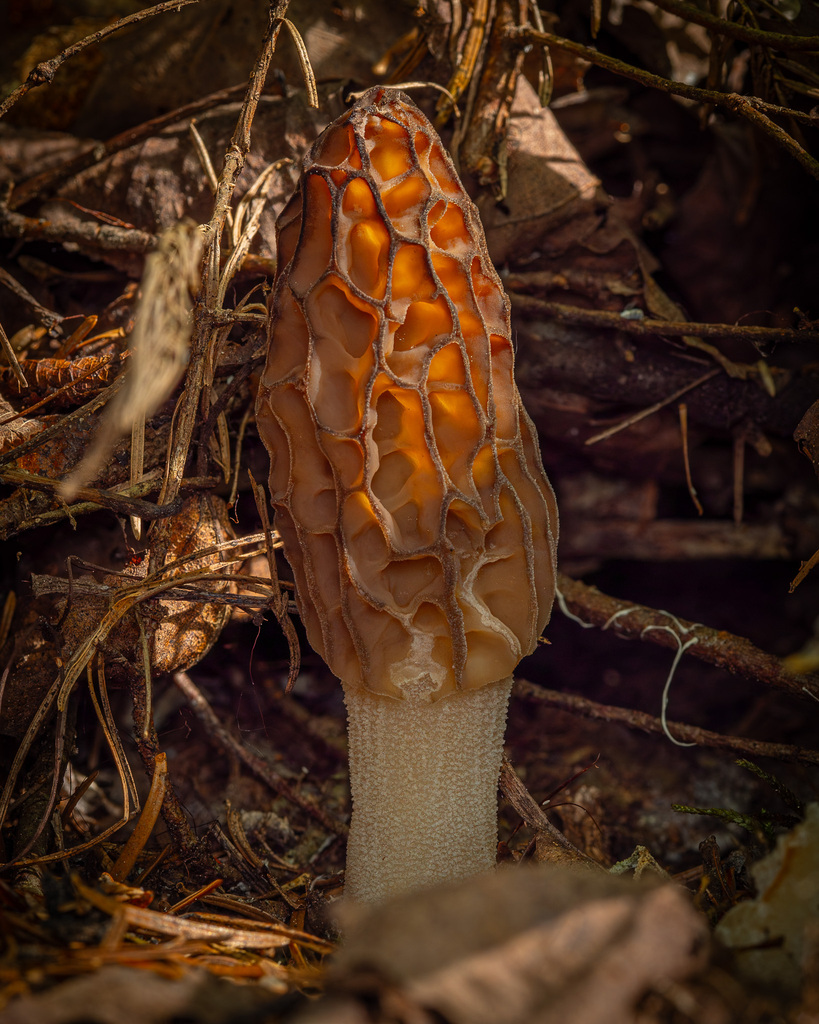
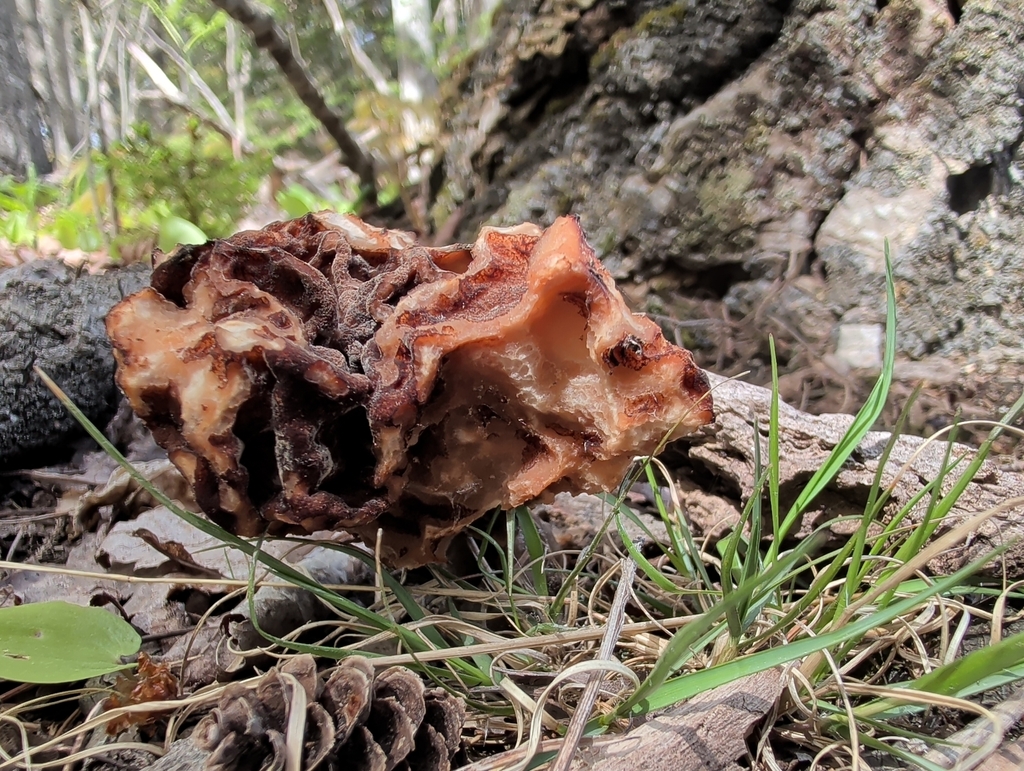
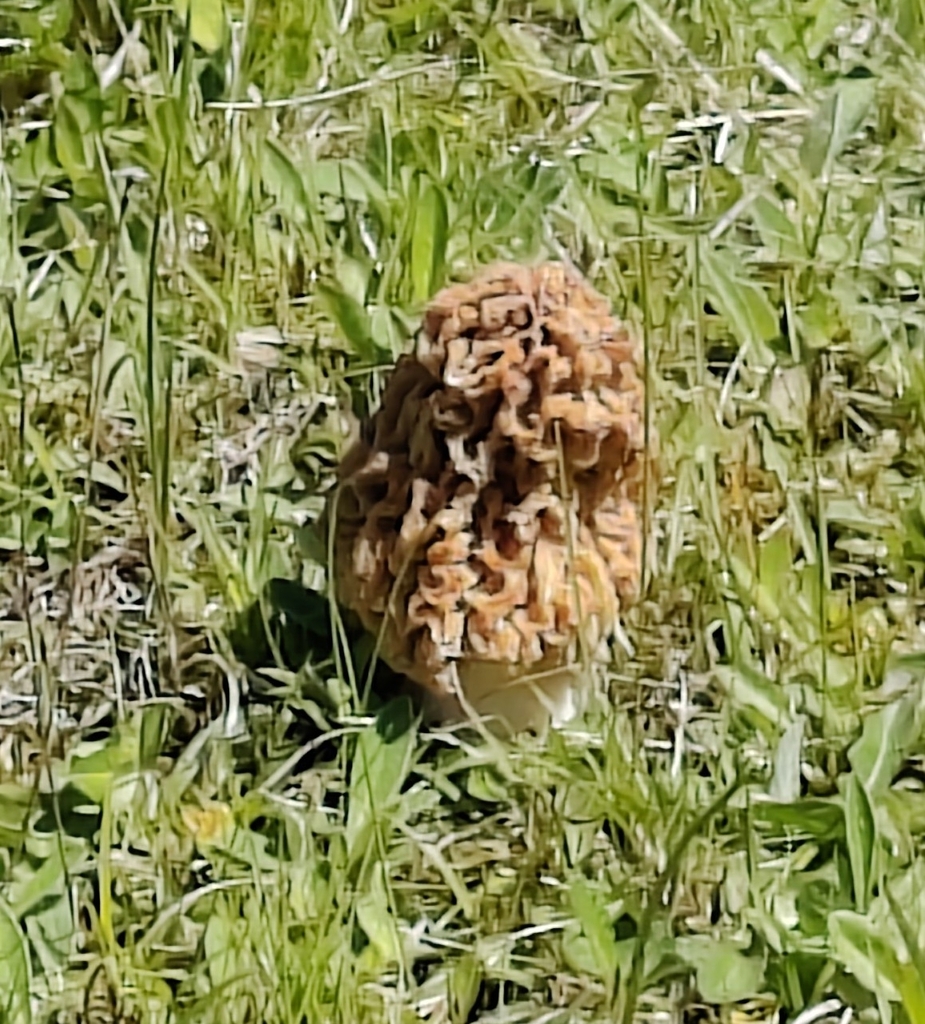
Владимир Преловский · CC BY 4.0
Related Species
Was this profile helpful?