
Agaricomycetes · Agaricales
Button Mushroom
Agaricus bisporus
Also known as: Cultivated Mushroom, Cultivated Mushroom, Field Mushroom
© katifungi · iNaturalist · CC BY 4.0
Scientific Classification & Quick Facts
Classification
Known For
Detailed measurements for this species are still being verified.
The button mushroom is the most widely cultivated fungus on Earth, yet it remains profoundly misunderstood. Found in kitchens, markets, and gardens across 29 countries, Agaricus bisporus has transformed from a wild European species into a global agricultural staple, producing millions of tonnes annually. Its conservation status remains unknown—a striking gap for an organism so deeply woven into human food systems—yet this obscurity reflects a larger truth: we know far more about how to farm this fungus than about its ecology in the wild.
What makes this basidiomycete truly remarkable is its dual nature as both a wild decomposer and a deliberately engineered crop. In its native European habitats, it colonises composted organic matter in grasslands and meadows. In cultivation, however, it has become so specialized that modern commercial strains bear little genetic resemblance to their wild ancestors. This deep domestication has stripped away mystery but also raised urgent questions about genetic diversity, disease resilience, and whether we truly understand the biology of one of humanity’s most important foods.
Identification and Appearance
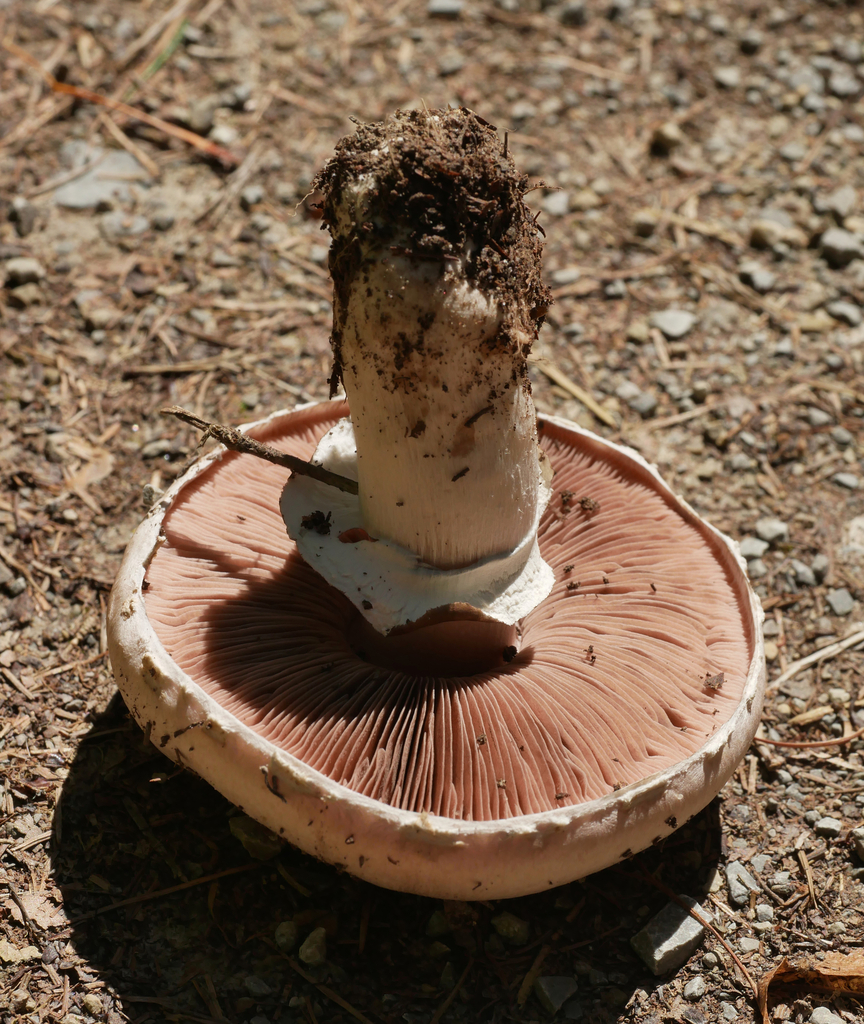
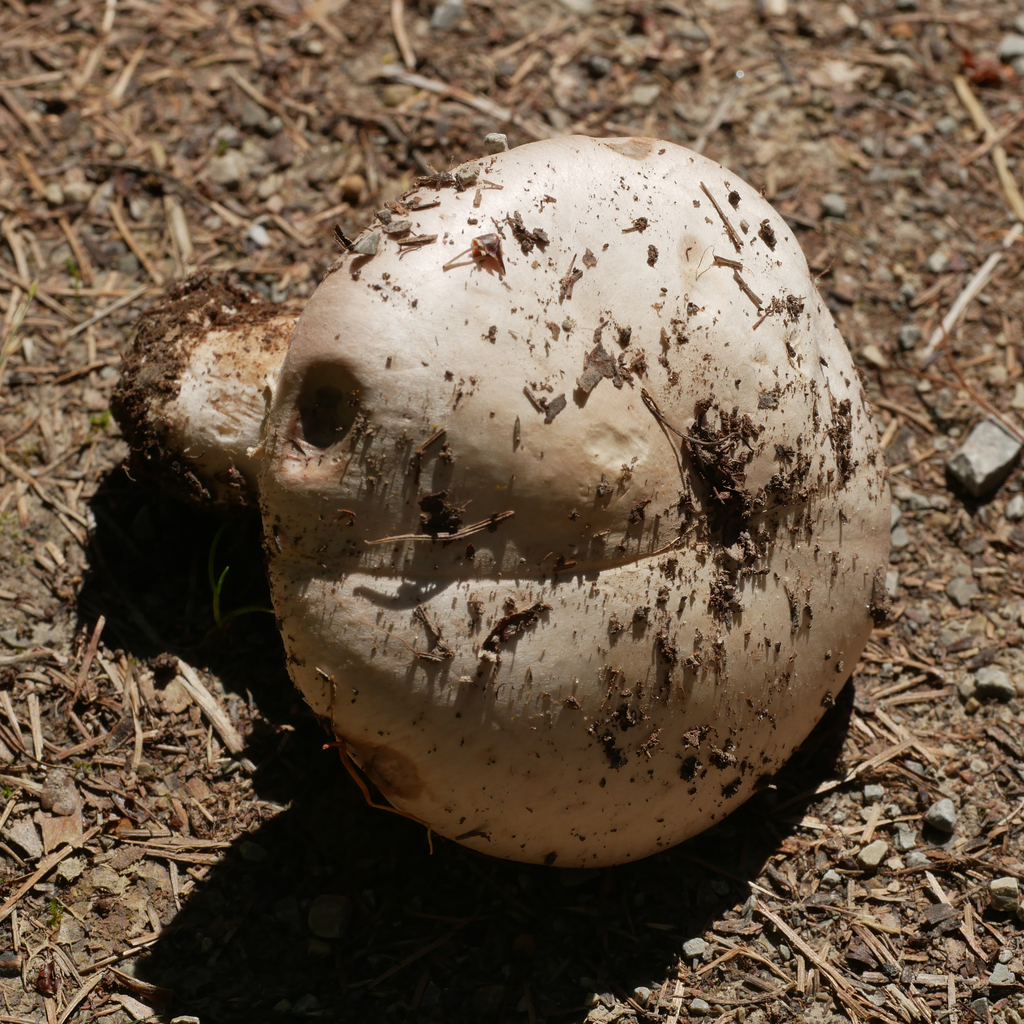
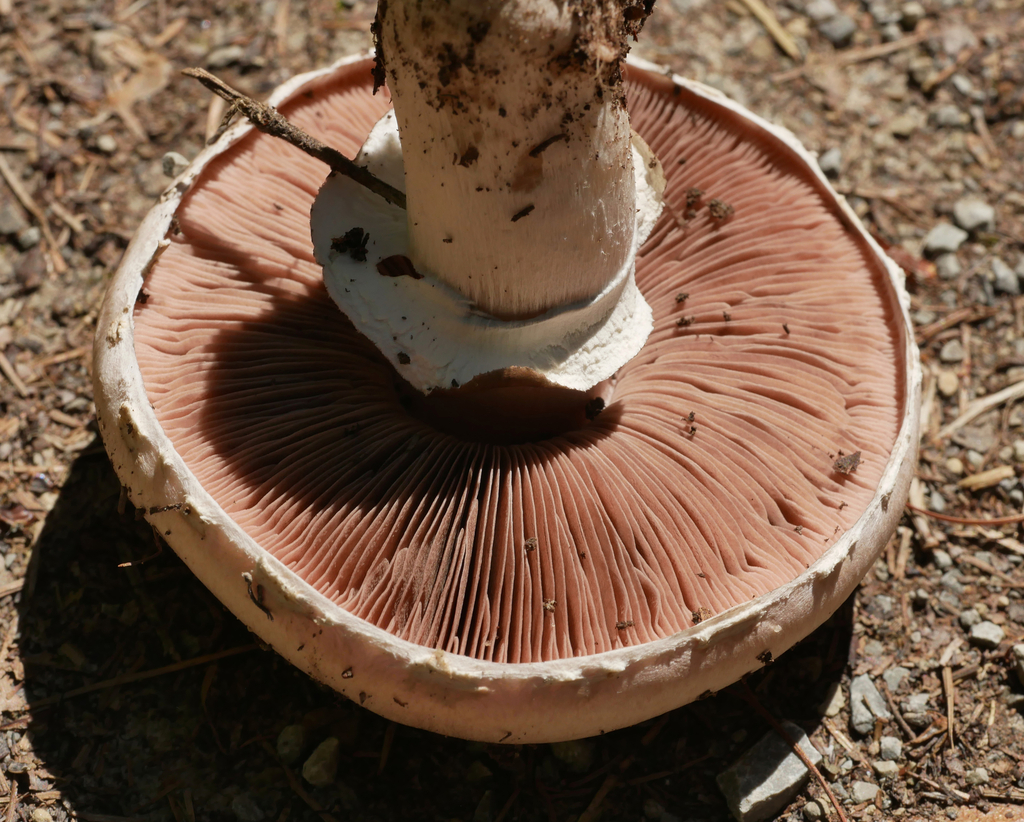
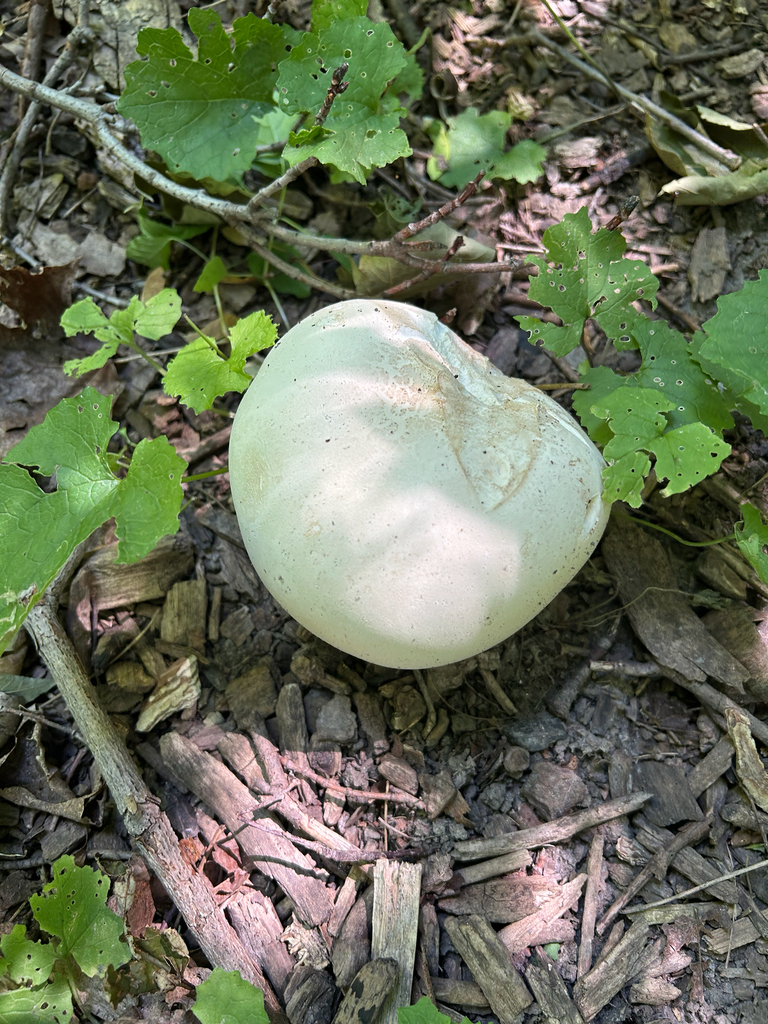
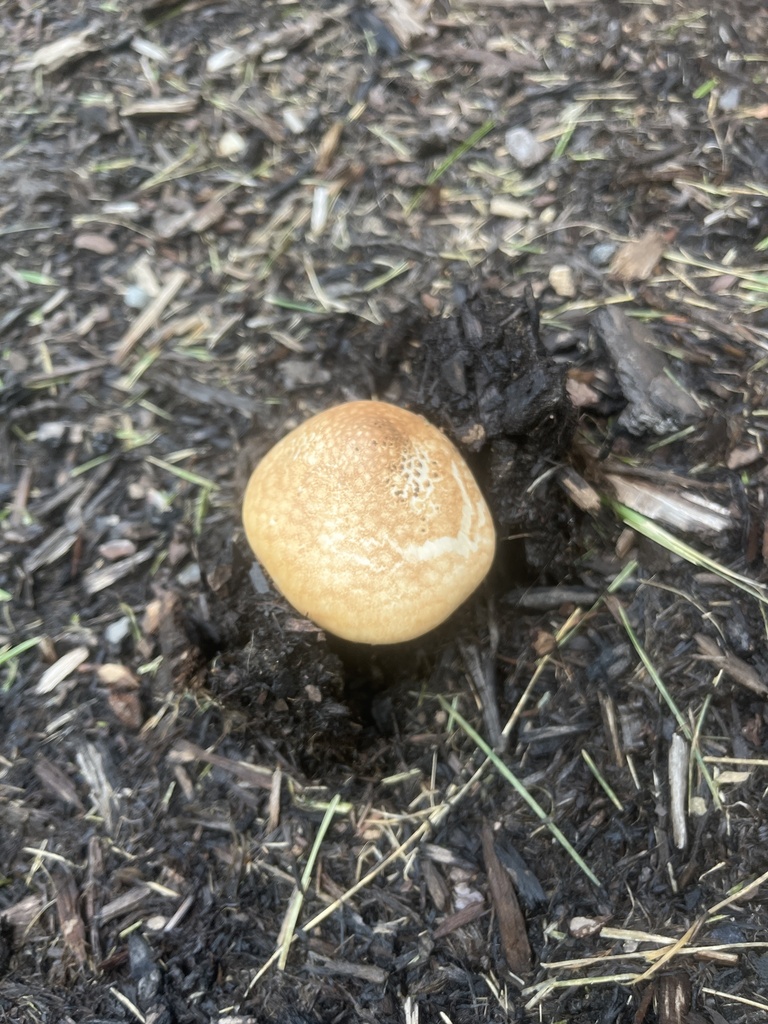
Agaricus bisporus is a compact, terrestrial fungus with a distinctive hemispherical to flattened cap structure. The pileus (cap) of wild specimens is pale grey-brown with broad, flat scales arranged on a paler background, fading toward the margins. Young specimens display a hemispherical form that gradually flattens with maturity, typically reaching 5–10 cm in diameter. The narrow, crowded gills are free from the stipe and undergo a striking colour progression: initially pink, then red-brown, and finally dark brown with a characteristic whitish edge formed by specialised edge cells called cheilocystidia.
The stipe (stem) is cylindrical, measuring up to 6 cm tall and 1–2 cm wide, bearing a thick and narrow annulus (ring structure). The ring may display streaking on its upper surface. The flesh throughout the mushroom is firm and white, though it stains a distinctive pale pinkish-red when bruised or damaged—a diagnostic feature helpful for field identification. This colour response is a reliable indicator of the species’ identity and occurs in response to mechanical injury.
Distribution and Habitat
Agaricus bisporus has a cosmopolitan distribution across 29 countries, with particularly strong records in Northern Europe and North America. Finland dominates the observation dataset with 152 records, followed by the United States (43), Sweden (21), Australia (12), and the United Kingdom (10). Additional populations occur across Germany, Denmark, Colombia, Canada, Mexico, and numerous other regions, reflecting both natural occurrence and widespread cultivation.
This species occurs across a broad elevation range from 320 metres to 2,800 metres above sea level, with an average elevation of approximately 1,338 metres. The wide vertical distribution suggests tolerance for both lowland and montane conditions, allowing it to establish in diverse climatic zones from temperate to subtropical regions.
Fruiting shows a pronounced seasonal peak in summer months. July represents the peak activity period with 78 records, preceded by elevated observations in June (53) and August (44). Activity begins to rise in May (25) and gradually declines through autumn and winter, with minimal fruiting recorded in December (2). This pattern aligns with warm-season fruiting in temperate climates, though the species fruits year-round in regions with suitable temperature and moisture conditions.
Ecology and Lifecycle
Lifecycle
Agaricus bisporus begins its lifecycle as vegetative mycelium—a network of thread-like hyphae spreading through organic substrate such as composted horse manure or straw. Under favorable conditions of temperature (typically 12–16°C), moisture, and adequate oxygen, this mycelium develops into pin primordia, the earliest visible fruiting structures. These develop into young button-shaped fruiting bodies, which then expand into the mature mushrooms harvested for consumption.
Spore dispersal occurs when mature specimens release millions of microscopic spores from the gills on their undersides. These spores, dispersed by air currents, can travel considerable distances and colonize new substrates where conditions permit germination and mycelial establishment. Commercial cultivation typically suppresses natural spore release by harvesting specimens before the veil ruptures, prioritizing the tender, enclosed button stage prized by consumers.
Ecological Role
Agaricus bisporus functions as a saprotroph, breaking down dead plant material and organic debris in soil ecosystems. Its mycelium secretes enzymes that decompose cellulose and lignin in decomposing matter, recycling nutrients back into the soil where plants and other organisms can access them. In natural settings—particularly in grasslands, woodland edges, and pastures enriched with animal dung—this fungus contributes significantly to nutrient cycling and soil structure formation.
The species does not form mycorrhizal associations with living plant roots. Its ecological niche is strictly as a decomposer, and it poses no parasitic threat to living vegetation. Instead, by accelerating organic matter breakdown, it indirectly supports plant growth by liberating nitrogen, phosphorus, and other essential minerals into bioavailable forms.
Uses
Agaricus bisporus is the world’s most widely cultivated mushroom species, with commercial production occurring in controlled environments across six continents. Its mild flavor, firm texture, and long shelf life make it a staple in kitchens globally. It is consumed fresh, cooked in countless cuisines, dried for storage, or processed into extracts and supplements.
Beyond culinary use, the species has attracted interest in folk medicine and emerging phytochemical research. Compounds including ergothioneine, polysaccharides, and various phenolic acids present in the fruit body have been investigated for potential immune-modulating and antioxidant properties, though robust clinical evidence remains limited. The mushroom is entirely safe for consumption when properly cooked, and no toxicity has been documented in normal culinary use.
Conservation and Threats
Agaricus bisporus, the button mushroom, has not been formally assessed by the IUCN Red List. As a domesticated fungal species cultivated globally in controlled agricultural settings, it does not face the wild-population threats that drive conservation assessments for non-cultivated organisms. The species exists in a fundamentally different ecological context than wild fungi: its survival depends on human farming infrastructure rather than natural habitat.
Conservation Status in the Wild
The wild populations of A. bisporus remain poorly documented. The species occurs naturally in grasslands and meadows across parts of North America and Europe, but these wild stocks have never been quantified or formally monitored. Because commercial cultivation is so dominant, the original wild distribution and population trends are largely unknown. No targeted conservation programmes exist for wild populations, nor do legal protections apply specifically to this species in any jurisdiction.
Threats and Conservation Efforts
The primary threat to A. bisporus is not extinction but genetic bottlenecking. Commercial production relies on a narrow genetic base descended from a small number of cultivars selected decades ago. Most cultivated button mushrooms worldwide derive from just two main strains. This genetic uniformity makes commercial stocks vulnerable to emerging fungal pathogens and diseases such as Verticillium wilt and bacterial blotch. Crop failures have already occurred in major producing regions, prompting ongoing research into disease-resistant breeding lines.
Secondary concerns include environmental impacts from intensive cultivation: energy-intensive climate control in growing facilities, water consumption, and waste management from spent substrate. Several breeding programmes in the United States, Europe, and Asia are actively developing disease-resistant varieties and improving sustainability metrics. These efforts are led primarily by agricultural research institutions and commercial mushroom companies rather than conservation organisations.
Fun Facts
Agaricus bisporus is the world’s most widely cultivated mushroom, yet most people don’t realize they may be eating the same species under six different commercial names depending on when and how it was harvested.
- The same fungal organism produces both white and brown cap varieties naturally, yet these color morphs are sold as distinct products in markets worldwide, despite being genetically identical or nearly so.
- A single cultivated species thrives in more than 70 countries across six continents, making Agaricus bisporus one of the most geographically distributed fungi in human agriculture.
- The portobello mushroom is simply a mature, fully opened specimen of the same organism that produces the button mushroom—it’s the same species at a later life stage with a larger cap diameter.
- Native to grasslands across both Eurasia and North America, Agaricus bisporus has an unusually broad natural geographic range for a single mushroom species, spanning two continents in the wild.
- Commercial cultivation began in 17th-century France, where it was grown in the catacombs of Paris—a practice that earned it the French name champignon de Paris, still used today.
- The cremini variety, marketed as a “premium” brown mushroom, is simply the brown color morph of the common button mushroom, yet often commands a higher retail price for its darker appearance.
Ecology
Edibility
Photo Gallery
katifungi · CC BY 4.0
Related Species
Was this profile helpful?