
Liliopsida · Poales
Corn
Zea mays
Least ConcernAlso known as: Indian Corn
© Leyla · iNaturalist · CC BY 4.0
Scientific Classification & Quick Facts
Classification
Known For
Detailed measurements for this species are still being verified.
Corn, scientifically known as Zea mays, is one of the world’s most productive and widely cultivated crops, feeding billions of people across more than 61 countries on every inhabited continent. A grass in the family Poaceae, this towering annual plant produces dense cobs heavy with kernels that range from yellow and white to deep purple and red. What began as a domestication of a wild Mexican grass called teosinte has become perhaps humanity’s most transformative plant partnership—a testament to selective breeding and agricultural innovation spanning thousands of years.
Listed as Least Concern by the IUCN, corn’s future is secure—yet its dominance in modern agriculture raises important questions about crop diversity, soil health, and food security. Understanding corn’s biology, genetics, and global impact reveals why this single species has become so deeply woven into human civilization and contemporary ecology.
Identification and Appearance
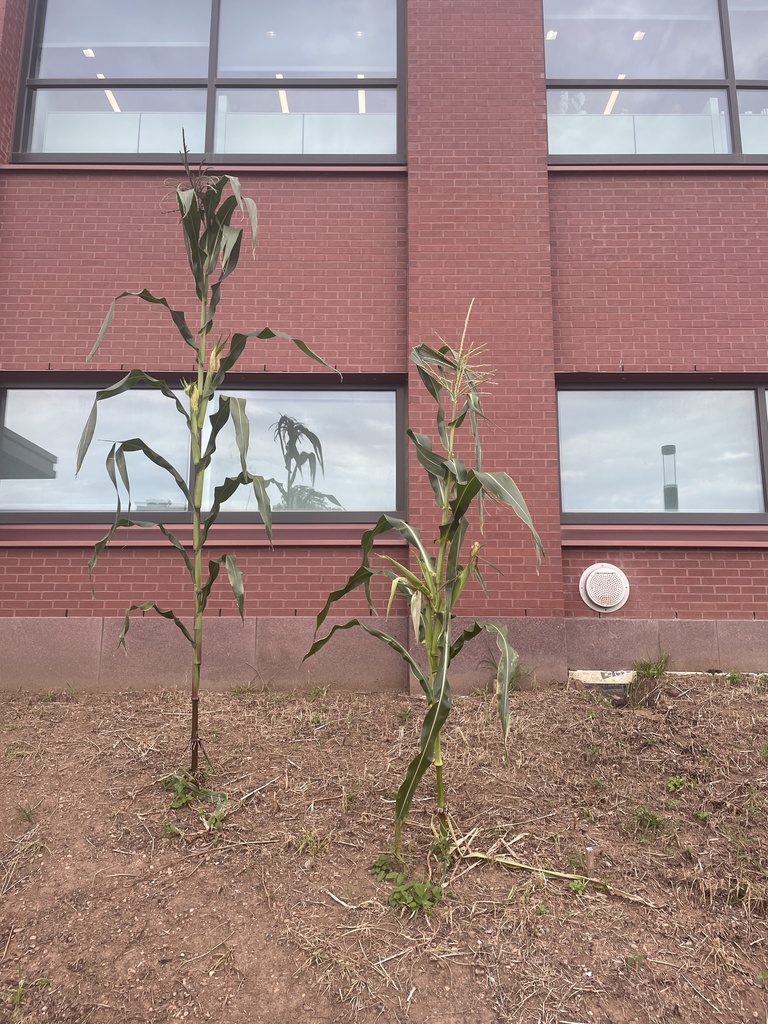
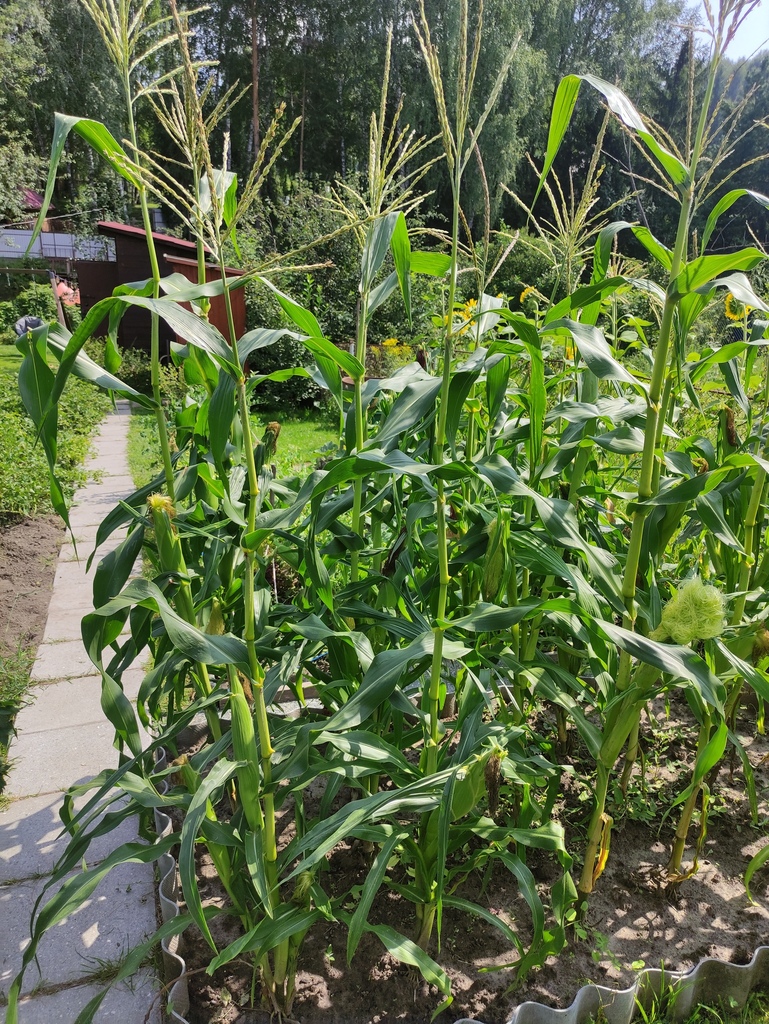
Zea mays, commonly called corn or maize, is a tall annual grass characterised by a single, robust stem. Plants typically range from 1.2 to 4 metres in height, though cultivars vary widely depending on growing conditions and variety. The long, narrow leaves emerge alternately from nodes (joints) along the stalk, creating a distinctive linear arrangement on opposite sides of the stem. The plant’s architecture reflects its monocot structure—a single growing point with leaves distributed along a central axis.
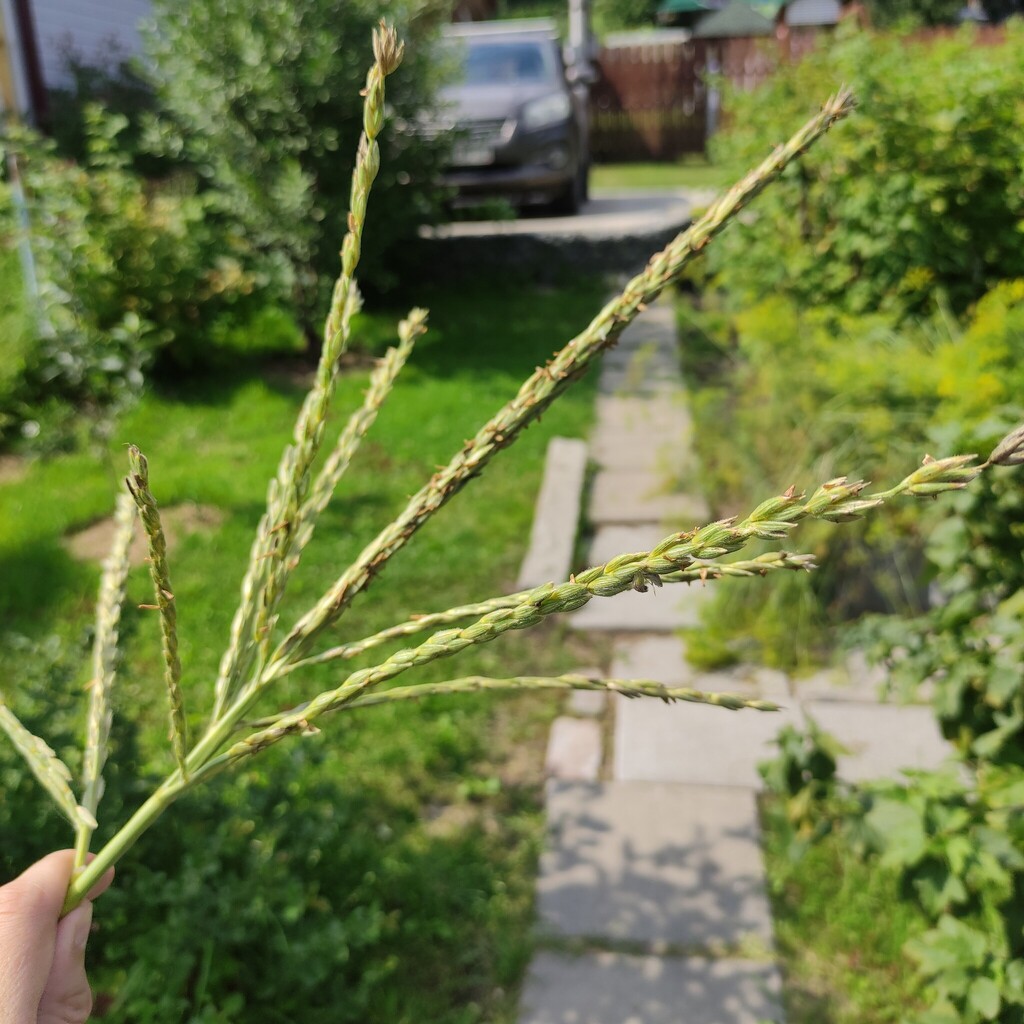
Corn exhibits clear reproductive structures that distinguish male and female organs on the same plant. The tassel, a terminal flowering spike, appears at the plant’s apex and produces pollen. Silks—elongated female structures—emerge from the husks surrounding the developing ear, which forms laterally on the stem. The ear itself is a condensed inflorescence containing hundreds of kernels arranged in rows on a woody core called the cob. Kernel colour varies dramatically among varieties: yellow, white, red, purple, and bicoloured forms are common. The outer husk, composed of modified leaves, encloses the developing ear and protects it during growth. Upon maturity, kernels harden and develop a smooth or wrinkled surface, depending on starch composition and variety.
Leaves are long, lance-shaped, and possess prominent parallel veins running lengthwise. During growth, they wrap partially around the stem in a sheath-like manner. The root system is fibrous and shallow-spreading, with primary roots anchored near the soil surface and adventitious roots developing along lower nodes. These characteristics—the single stem, alternating leaves, terminal tassel, and lateral ears—make corn readily identifiable in the field from early growth stages through harvest.
Distribution and Habitat
Zea mays is cultivated across at least 61 countries on a global scale, making it one of the world’s most widely grown crops. The United States leads production with the highest number of records, followed by Mexico, Ecuador, Indonesia, Belgium, Brazil, India, Colombia, Benin, and South Africa. This distribution reflects both the crop’s adaptability to diverse climates and its fundamental importance as a staple grain and animal feed in agricultural systems worldwide.
The species is found predominantly at a mean elevation of 565 metres, indicating cultivation in lowland to mid-elevation agricultural zones across tropical, subtropical, and temperate regions. Corn thrives in cultivated fields and croplands rather than natural habitats, as it is a domesticated annual that requires human management. Regional variation in growing conditions—from the corn belt of North America to the high-volume producers in Latin America and Asia—demonstrates the crop’s flexibility in adapting to different soil types and water regimes.
Seasonal activity peaks sharply in May in the Northern Hemisphere, where the growing season aligns with spring planting and early vegetative growth. Records concentrate heavily from January through July, with observation data dropping substantially from August onward, reflecting the cycle of harvest and dormancy typical of temperate and subtropical production systems. The pronounced seasonal pattern underscores that maize cultivation follows predictable phenological schedules driven by photoperiod, temperature, and rainfall patterns across its global range.
Growth and Cultivation
Growth
Zea mays, commonly known as corn or maize, is a robust annual grass that grows as a single tall stem from a fibrous root system. The plant typically reaches 1.5 to 2.5 metres in height, though some cultivars exceed 3 metres under optimal conditions. Growth is rapid during the vegetative phase, with the stem producing long, blade-like leaves arranged alternately along its length. The plant develops prop roots near the base that anchor it against wind and lodge resistance.
Development proceeds through distinct growth stages, from germination through V-stage (visible leaf collars), tassel initiation, and reproductive phases. Each plant normally produces one main ear, though lateral shoots may develop under favorable growing conditions. The entire life cycle from planting to physiological maturity spans 90 to 150 days depending on variety and growing conditions.
Flowering
Corn is monoecious, meaning male and female flowers develop on the same plant but in different locations. Male flowers cluster in the terminal tassel at the plant’s apex and shed copious amounts of pollen over 7–10 days. Female flowers appear as silks emerging from the developing ear, which sits in the leaf axil 20–50 centimetres below the tassel. Pollination occurs when wind-borne pollen lands on the silks; self-pollination and cross-pollination both occur naturally.
Silking typically occurs 40–60 days after planting, depending on day length and temperature. The interval between tassel emergence and silk emergence is critical—synchronized timing ensures adequate pollen availability during the female receptive period. After successful pollination, the developing cob elongates and individual flowers mature into kernels over the subsequent 20–30 days.
Cultivation
Corn thrives in warm, well-drained soil with adequate organic matter. The species tolerates a broad pH range but performs best in neutral to slightly acidic soil (pH 6.0–6.8). Full sun is essential—at least 6–8 hours of direct radiation daily—as the crop is highly photosynthetically demanding. Consistent moisture during the growing season, particularly during tassel initiation and silking, is crucial; irrigation or 50–65 centimetres of annual rainfall supports optimal yield.
The species is moderately drought-sensitive, especially during flowering and kernel-fill phases. Although mature plants develop deep root systems that access subsoil moisture, water stress during critical growth periods substantially reduces grain production. Corn grows across a wide range of climates from temperate to tropical zones, with planting timed to coincide with warm soil temperatures and frost-free growing seasons. Selection of appropriate maturity group and variety ensures successful cultivation in different geographic regions.
Conservation and Threats
Zea mays holds a conservation status of Least Concern on the IUCN Red List, reflecting its secure global position and widespread cultivation across multiple continents. The species faces no immediate threat of extinction. Its population trend is increasing, driven by sustained agricultural demand and expanding cultivation in response to food security needs worldwide.
Threats
Corn does not face the traditional extinction threats that affect wild species. Instead, the primary concerns centre on genetic diversity and agricultural sustainability. Intensive monoculture farming practices reduce genetic variation within cultivated populations, potentially limiting the crop’s ability to adapt to emerging pests, diseases, and environmental stresses. Climate variability—including drought, flooding, and shifting growing seasons—poses risks to production in key agricultural regions. Pathogenic threats such as the fall armyworm and various fungal diseases can cause significant yield losses, particularly in regions with limited pest management infrastructure.
The reliance on a narrow genetic base in commercial varieties has prompted conservation efforts focused on maintaining traditional landraces and wild relatives of corn. Gene banks and seed repositories globally preserve thousands of corn accessions, safeguarding genetic resources for future breeding programmes and food security.
Conservation Efforts
International organizations, national agricultural ministries, and research institutions actively manage corn germplasm through seed banking and crop improvement initiatives. The International Maize and Wheat Improvement Center (CIMMYT) in Mexico maintains one of the world’s largest corn seed collections, preserving wild relatives and landraces. National governments protect corn production through crop insurance schemes, disease monitoring networks, and research funding for disease-resistant and climate-adapted varieties. No specific legal protections restrict corn cultivation, as it is a domesticated crop essential to global food systems.
Cultural Significance
In Mesoamerica, maize holds profound spiritual significance, venerated as a vital force and represented in deity form—typically as a female maize god in Maya cosmology. This sacred status reflects the crop’s foundational importance to the civilization and its central role in creation mythology and religious practice.
Corn’s cultural imprint extends across North America and beyond. In the United States Capitol building, maize ears are carved into column capitals as architectural elements. The Corn Palace in Mitchell, South Dakota, showcases an annual recycled mural design constructed from colored maize cobs and ears, while the concrete Field of Corn sculpture in Dublin, Ohio, presents hundreds of corn ears in a grassy field—now a cherished civic icon after 25 years. The crop also appears on currency: a maize stalk bearing two ripe ears is depicted on the reverse of the Croatian 1 lipa coin, minted since 1993. These representations demonstrate how corn transcends its role as a food staple to become a symbol of regional identity, agricultural heritage, and artistic expression.
Fun Facts
- Corn is a botanical hermaphrodite with separate male and female flowers on the same plant. The tassel at the top of the stalk produces pollen (male), while the ear develops lower on the plant (female). This arrangement allows wind pollination and ensures genetic diversity within a field.
- Domestication happened remarkably recently in evolutionary terms. Indigenous peoples in southern Mexico transformed wild teosinte into maize approximately 9,000 years ago—making it one of humanity’s earliest major crop domestications and fundamentally reshaping human civilization in the Americas.
- Rainbow corn exists naturally, not just in heirloom collections. While modern commercial varieties produce only yellow or white kernels, wild teosinte relatives and traditional heirloom varieties display deep purples, reds, blues, and blacks. These pigments are determined by transposable elements—”jumping genes” discovered by Barbara McClintock using corn.
- The Three Sisters agricultural system is a masterpiece of polyculture design. Corn, beans, and squashes were traditionally grown together by Native American societies as their main staples. The corn provides structural support for climbing beans; the beans fix nitrogen in the soil to feed both corn and squash; and the squash leaves create shade that suppresses weeds and retains soil moisture.
- A single corn plant can produce multiple ears despite having one main tassel. Although each plant typically produces one primary ear that reaches commercial size, secondary ears often develop lower on the stalk. These smaller ears were historically harvested for food or animal feed.
- Corn silk has a specific botanical identity and purpose. What gardeners call “corn silk” is technically the style and stigma of the female flower—each strand connects to one potential kernel. Pollen must land on silk strands for fertilization; a fully pollinated ear has silk strands connected to every kernel on the cob.
Conservation Status
LC (Least Concern) · NT · VU · EN · CR · EW · EX
Photo Gallery
Leyla · CC BY 4.0
Related Species

Was this profile helpful?