
Eurotiomycetes · Eurotiales
Penicillin Mold
Penicillium chrysogenum
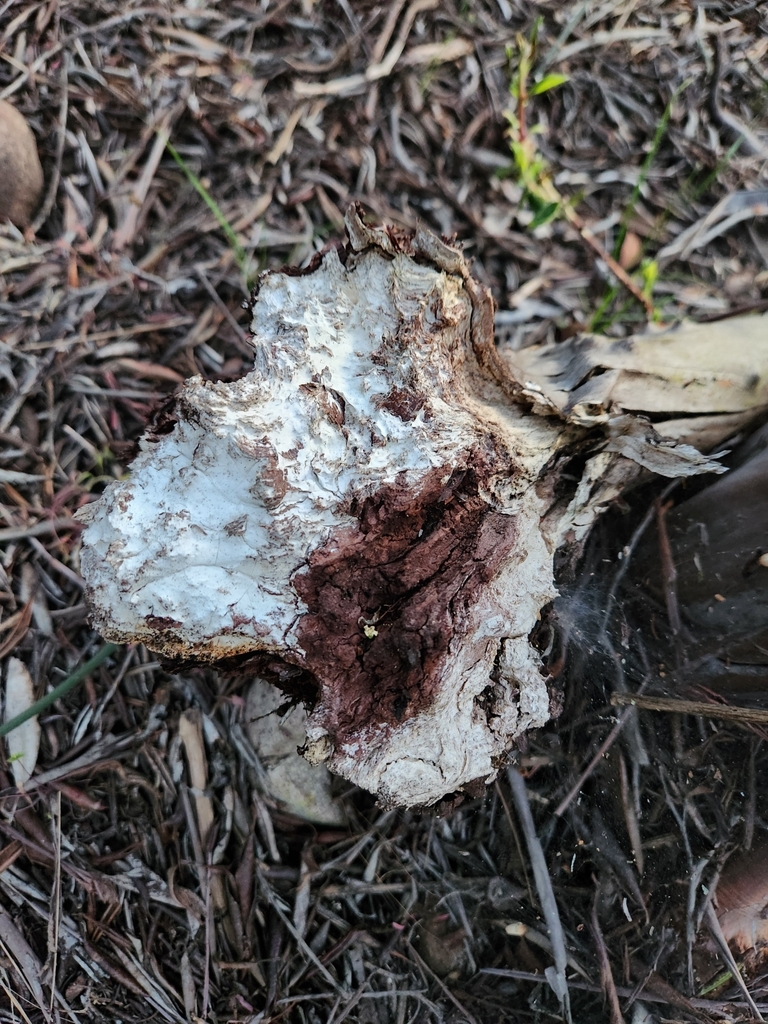
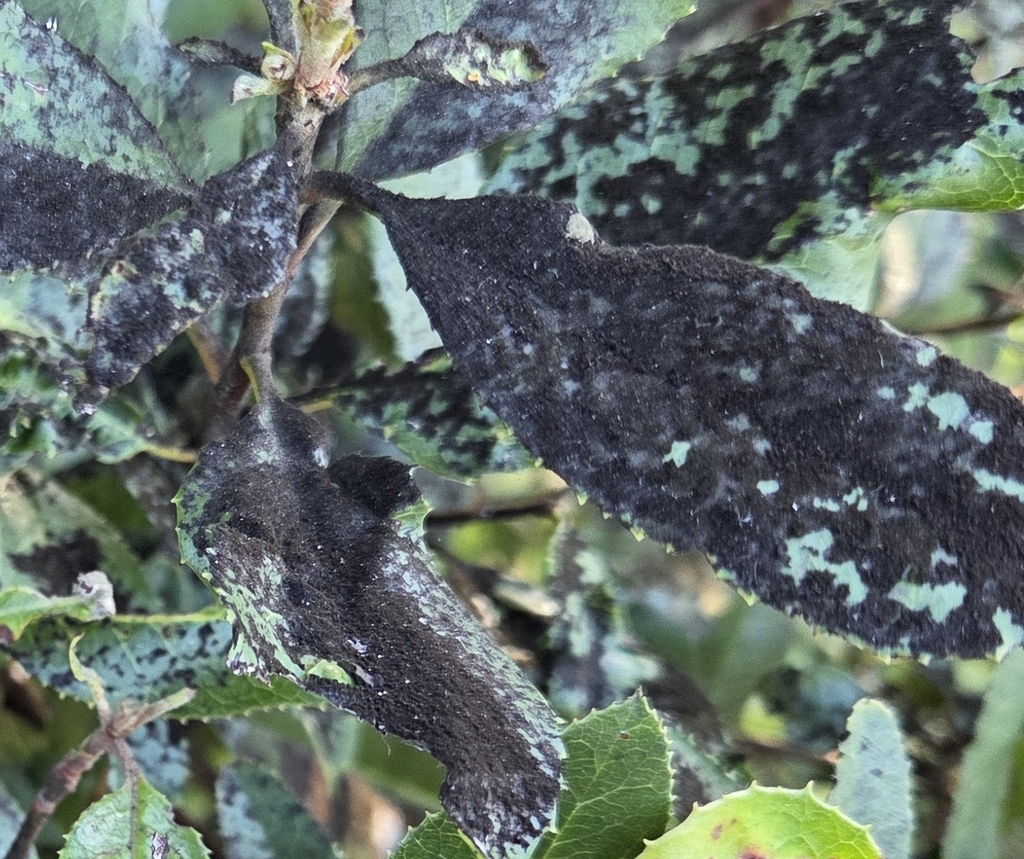
© Matthias Blume · iNaturalist · CC BY 4.0
Scientific Classification & Quick Facts
Classification
Known For
Full profile in progress — check back soon.
Penicillium chrysogenum, the penicillin mold, is a filamentous fungus that has fundamentally altered modern medicine and human history. This unassuming microorganism produces penicillin, the first antibiotic ever discovered and deployed at scale, revolutionizing the treatment of bacterial infections and saving countless lives since the 1940s. Found across at least 20 countries worldwide, the species thrives in diverse environments, making it one of the most geographically dispersed fungi in human experience—yet few people recognize its humble form or appreciate its extraordinary impact.
What makes this species truly remarkable is not its appearance—a greenish-yellow mold that grows on bread, fruit, and other organic matter—but rather its metabolic prowess. Penicillium chrysogenum naturally produces beta-lactam antibiotics as secondary metabolites, compounds that disable bacterial cell walls while leaving human cells unharmed. Industrial strains have been cultivated and mutated to enhance antibiotic yield, transforming a chance laboratory observation into a pharmaceutical cornerstone. Today, understanding this single fungal species remains essential to global medicine, agriculture, and the ongoing challenge of antibiotic resistance.
Identification and Appearance
Penicillium chrysogenum is a filamentous fungus belonging to the family Aspergillaceae. The organism consists of hyphae—thread-like structures that form the basic structural unit of the fungus. These hyphae are septate, meaning they are divided by cross-walls called septa, which distinguish them from the non-septate hyphae found in some other fungi.
Colony Appearance and Colour
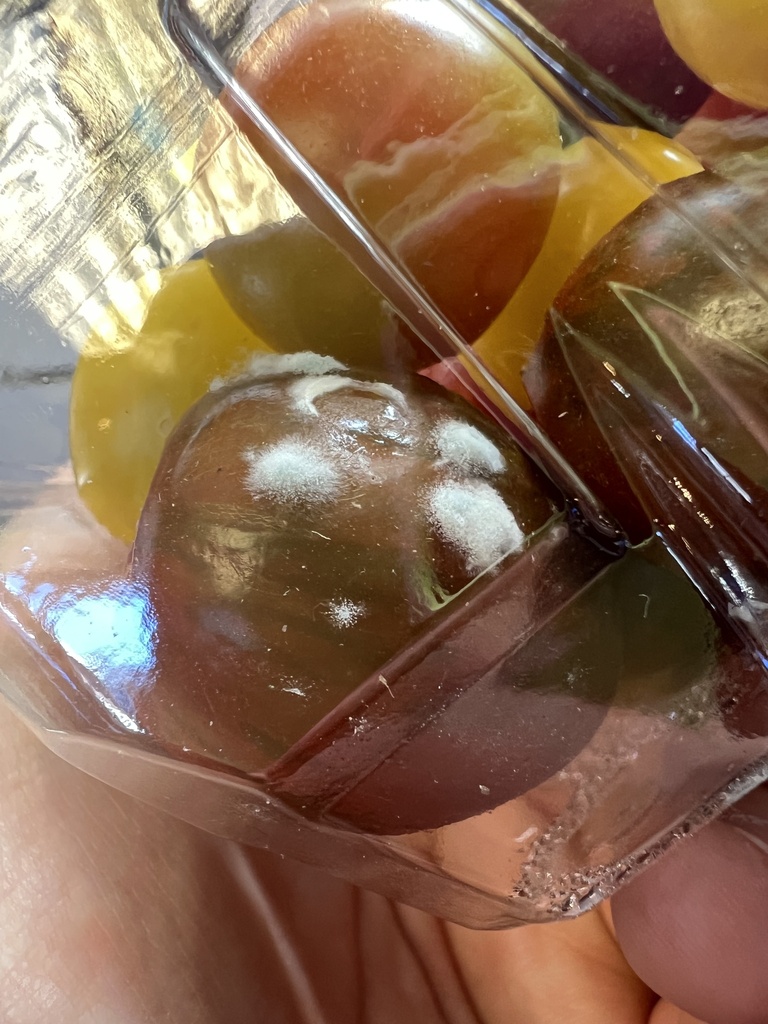
In culture, P. chrysogenum produces colonies that typically display a distinctive yellowish-green coloration, which reflects its scientific name (chrysos meaning “golden” in Greek). The colony surface often appears velvety or powdery due to the profuse production of conidia—asexual spores borne on specialized branching structures called conidiophores. The reverse side of the colony (the underside on the culture medium) frequently shows yellow to orange pigmentation. As colonies age, they may develop deeper green hues and sometimes produce a characteristic sweet or musty odour typical of many Penicillium species.
Microscopic Features
At the microscopic level, P. chrysogenum displays characteristic conidiophore morphology: branching structures that produce chains of small, round to oval conidia, typically 3–5 micrometres in diameter. The conidiophores arise from the hyphae and branch in a brush-like or broom-like pattern known as a penicillus, from which the genus name derives. Individual colonies on solid media typically remain relatively compact and slow-growing compared to some related Penicillium species, though growth rate varies depending on nutrient availability and incubation temperature. The fungus does not produce visible fruiting bodies or sclerotia under standard laboratory conditions.
Distribution and Habitat
Penicillium chrysogenum has been recorded across 20 countries worldwide, with a marked concentration in northern and central Europe. The United Kingdom leads with 84 documented records, followed by Finland (78) and Italy (49). Hungary, Slovakia, Poland, and Russia account for smaller but significant populations in eastern and central Europe. The mold also appears in Malaysia and China, indicating a broader dispersal pattern that likely reflects both natural distribution and human-mediated transport through food and agricultural products.
This fungus occupies a wide elevation range, from 214.5 metres to 3,477 metres above sea level, with an average recorded elevation of 1,659 metres. Its ability to thrive across such varied topography suggests considerable environmental flexibility, though specific habitat preferences remain largely undocumented in available records.
Seasonal activity is highly concentrated in autumn. October emerges as the dominant detection month with 81 records, representing a striking peak in documented observations. Spring months (March through May) show moderate activity with 21–28 records each, while summer and winter remain largely dormant, with single-digit to mid-teen counts from June onward (excluding July, which shows 33 records). This pronounced autumnal peak may reflect the mold’s reproductive cycle and environmental conditions that favour spore release and detection during the cooler, damper weather typical of October in its primary European range.
Ecology and Lifecycle
Lifecycle
Penicillium chrysogenum follows the typical ascomycete lifecycle, beginning as vegetative mycelium—the branching filamentous network that colonizes organic substrates. This mycelium grows actively across bread, fruit, cheese, and decaying plant material, breaking down complex polymers through enzymatic secretion. When environmental conditions favor reproduction, the fungus produces conidiophores: specialized aerial hyphae that bear chains of asexual spores called conidia.
Conidia are the primary dispersal unit and are released continuously into the air, spreading via wind and settling on new surfaces. P. chrysogenum requires only modest moisture and moderate temperatures (15–25 °C) to germinate and establish new colonies. Sexual reproduction via ascospores is rare in most laboratory and field strains, making the fungus predominantly asexual in its spread and persistence.
Ecological Role
Penicillium chrysogenum functions as a saprotroph, decomposing dead organic matter and contributing to nutrient cycling in terrestrial and indoor environments. Its ability to tolerate low-moisture conditions and resist desiccation allows it to persist in stored food, dried plant debris, and other substrates where many competing microorganisms cannot survive. This competitive advantage makes it one of the most common indoor molds.
The fungus also produces secondary metabolites—organic compounds including various antibiotics and alkaloids—that inhibit the growth of bacteria and competing fungi. These compounds reflect its role in microbial communities, where chemical antagonism is an important survival mechanism. In this sense, P. chrysogenum shapes the microbial landscape of its habitat.
Uses
Human applications of Penicillium chrysogenum are dominated by its use as a factory organism for antibiotic production. Since Alexander Fleming’s discovery of penicillin in 1928, the fungus has been cultured industrially to generate penicillin G and penicillin V—beta-lactam antibiotics that revolutionized medicine and remain among the most widely prescribed drugs worldwide. Modern fermentation techniques use selected high-yielding strains to maximize antibiotic output.
Beyond antibiotics, P. chrysogenum is employed in food fermentation, particularly in the production of aged cheeses such as Roquefort and Gorgonzola, where it imparts flavor and characteristic blue veining. The fungus is also used in laboratory research as a model organism for understanding fungal genetics, secondary metabolite biosynthesis, and filamentous growth. Its non-pathogenic status in immunocompetent individuals and its established safety record in food applications make it one of the most economically valuable fungi in biotechnology.
Conservation and Threats
Penicillium chrysogenum does not appear on the IUCN Red List and is not formally assessed for conservation status. This absence of designation reflects the species’ lack of traditional conservation concern—the mold is not threatened by habitat loss, hunting, or other pressures typically faced by wild organisms. Its status differs fundamentally from that of endangered animals or plants because it exists in human-controlled environments and occurs naturally across diverse substrates worldwide.
As a filamentous fungus with no formal population monitoring, this species has no documented population trend. The mold colonizes organic matter opportunistically and persists in soil, decaying vegetation, and built environments. Its abundance and distribution are shaped entirely by human activity and agricultural conditions rather than by conservation threats. Understanding P. chrysogenum requires recognizing that some organisms occupy ecological niches that place them beyond the scope of traditional Red List assessment.
Conservation Efforts and Human Significance
Penicillium chrysogenum requires no legal protection or formal conservation programme because the species thrives without active intervention. Instead, its importance lies in its role as the primary industrial source of penicillin, a beta-lactam antibiotic that has saved millions of human lives since its discovery in 1928. The fungus exists in a unique relationship with human medicine and biotechnology: rather than needing protection from exploitation, it benefits from intensive cultivation and strain improvement in pharmaceutical laboratories and fermentation facilities worldwide.
The long-term viability of P. chrysogenum as a penicillin producer depends on maintaining robust strain collections, preventing genetic drift in laboratory cultures, and sustaining the fermentation infrastructure that produces the antibiotic. Pharmaceutical companies and research institutions preserve multiple strains in culture banks to ensure the continued supply of penicillin and related antibiotics. The species faces no extinction risk and no meaningful conservation challenges in the conventional sense.
Fun Facts
- Fleming’s original strain was misidentified for decades. The penicillin-producing mold isolated by Alexander Fleming in 1928 was long thought to be Penicillium notatum, but molecular phylogeny later revealed it was actually a distinct species now called Penicillium rubens.
- Penicillium chrysogenum is itself a species complex. What scientists call P. chrysogenum actually encompasses multiple closely related species, including P. notatum, P. meleagrinum, and P. cyaneofulvum, making taxonomy in this group surprisingly tangled.
- It thrives indoors rather than in nature. Unlike most fungi, P. chrysogenum is most commonly found not in forests or soil but in damp or water-damaged buildings, where it colonizes bathrooms, basements, and other humid indoor spaces.
- It is rarely harmful to humans despite its abundance. Despite being a prolific antibiotic producer and common indoor presence, P. chrysogenum has seldom been reported as a cause of human disease, making it one of the most benign of the common indoor molds.
- Penicillin is just one of many compounds it produces. Beyond penicillin, P. chrysogenum manufactures a diverse arsenal of secondary metabolites including roquefortine C, meleagrin, chrysogine, and PR-toxin, each with distinct chemical and biological properties.
- It can survive on salted foods. This mold occasionally colonizes salted food products, where its salt tolerance gives it an unusual ecological advantage over competitors in an otherwise hostile environment.
Photo Gallery
Matthias Blume · CC BY 4.0
Related Species
Was this profile helpful?