
Eurotiomycetes · Eurotiales
Penicillin Mold
Penicillium chrysogenum
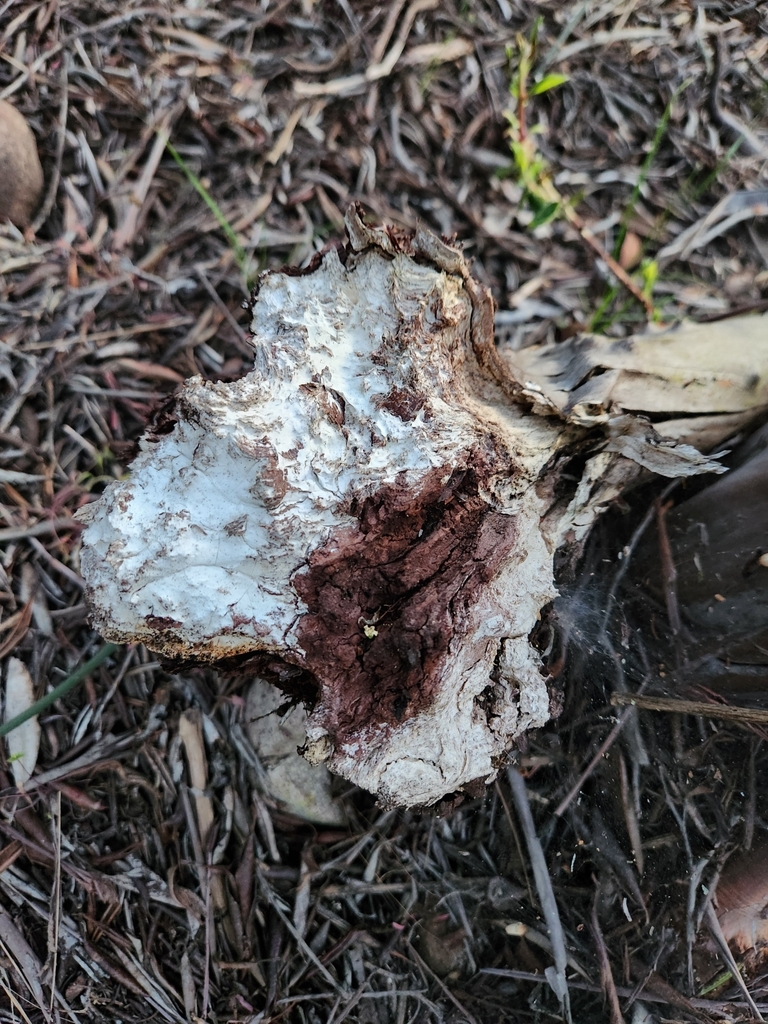
© Matthias Blume · iNaturalist · CC BY 4.0
Scientific Classification & Quick Facts
Classification
Known For
Full profile in progress — check back soon.
Penicillium chrysogenum, the penicillin mold, is a cosmopolitan fungus that has fundamentally altered human medicine and public health. This microscopic organism, belonging to the family Aspergillaceae, produces penicillin—the first widely used antibiotic—a discovery that launched the modern antibiotic era and saved countless millions of lives. Despite its monumental medical significance, this humble mold thrives in the shadows of everyday life, growing quietly on decaying organic matter, damp walls, and food stores across the globe.
The species has been recorded across at least 20 countries, reflecting its ability to colonize diverse environments worldwide. Its conservation status remains unknown, a reflection of its common occurrence and the relative lack of ecological monitoring for fungi. What distinguishes P. chrysogenum is not rarity or exotic habitat preference, but rather its extraordinary capacity to produce a compound that has reshaped human history and our relationship with bacterial infection.
Identification and Appearance
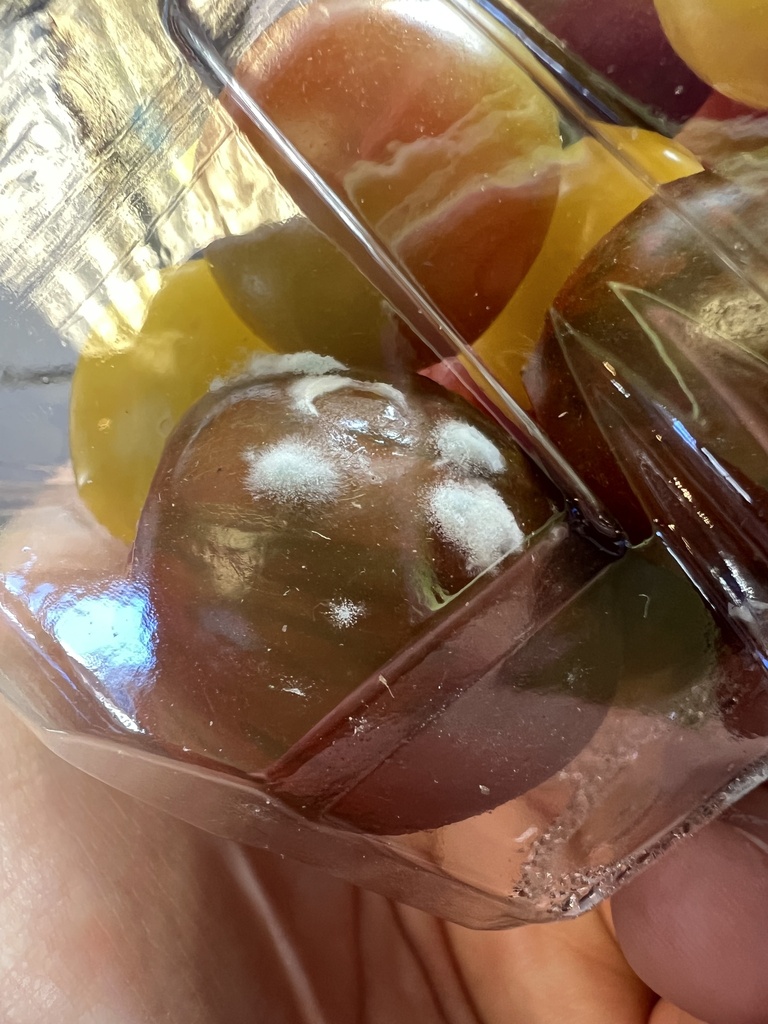
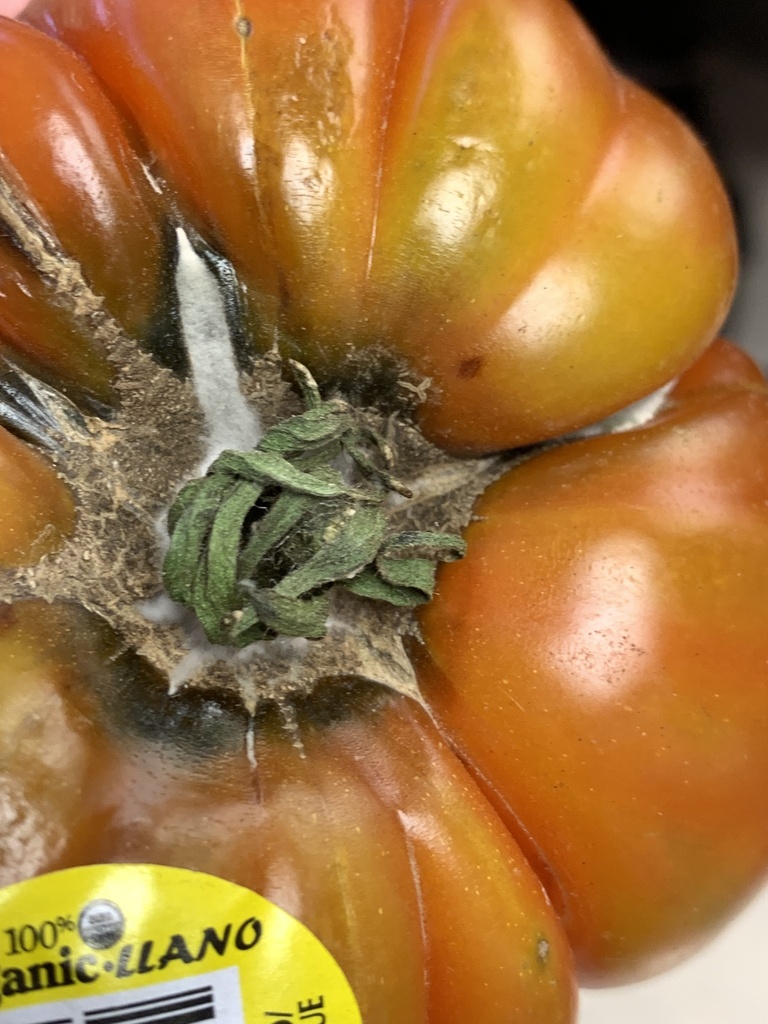
Penicillium chrysogenum is a filamentous fungus belonging to the genus Penicillium, recognizable by its characteristic branching hyphal structure and distinctive conidial heads. The fungus forms visible colonies that typically appear blue-green to yellow-green in colour, with the specific shade varying depending on the strain, growth medium, and environmental conditions. The characteristic penicillate (brush-like) arrangement of its spore-bearing structures gives the genus its name and is the key identifying feature under microscopic examination.
At the microscopic level, P. chrysogenum displays the diagnostic morphology of the genus: hyaline, septate hyphae that branch extensively to form a dense mycelium. The conidiophores—the structures that bear spores—arise from the mycelium and terminate in characteristic brush-like heads composed of phialides arranged in compact, flask-shaped layers. The conidia (asexual spores) themselves are small, roughly spherical to oval, and typically measure between 2 and 3 micrometres in diameter. These microscopic features, combined with the distinctive colony colour and growth pattern, allow definitive identification even when cultured on standard laboratory media.
Colonies of P. chrysogenum grow rapidly, often reaching visible size within 3 to 5 days at room temperature. The fungus produces a grainy or powdery texture on its surface due to the abundant production of conidia, and the reverse side of colonies (viewed from beneath the growth substrate) often displays a yellowish or colourless appearance. Like other Penicillium species, P. chrysogenum produces metabolites including the antibiotic penicillin, which may influence colony appearance and odour characteristics. No sexual stage (teleomorph) is known for this species under standard laboratory conditions.
Distribution and Habitat
Penicillium chrysogenum has a cosmopolitan distribution across at least 20 countries, with the highest concentration of documented records in temperate regions of Europe and North America. The United Kingdom leads with 84 recorded observations, followed by Finland (78), Italy (49), Hungary (23), and Slovakia (20). Additional populations are documented across Poland, Russia, the United States, Malaysia, and China, reflecting the mold’s ability to establish itself across diverse climatic zones.
This fungus occupies an exceptionally wide elevation range, from 214.5 metres to 3,477 metres above sea level, with an average occurrence at 1,659 metres. Such vertical distribution suggests adaptation to both lowland agricultural and storage environments as well as high-altitude conditions where stored grain and organic matter accumulate. The species thrives wherever suitable substrates—grain stores, decaying plant material, and damp indoor environments—provide opportunity for spore germination and mycelial growth.
Seasonal activity follows a pronounced pattern, with October marking the peak detection month (81 records), likely corresponding to harvest periods and increased grain storage across the Northern Hemisphere. Observations climb steadily through spring and summer (March through August: 21–33 monthly records each), then drop sharply through autumn’s latter weeks and winter (November through February: 3–13 records). This cyclical presence reflects both the availability of fresh organic substrates and favorable moisture conditions during and immediately after the growing season.
Ecology and Lifecycle
Lifecycle
Penicillium chrysogenum follows the typical ascomycete fungal lifecycle, beginning with vegetative growth as a filamentous mycelium. The mycelium consists of branching hyphal threads that penetrate substrates such as decaying organic matter, stored grains, fruits, and other plant material. Under favorable conditions of moisture, moderate temperature (around 15–25°C), and suitable nutrients, the mycelium expands rapidly across the substrate.
Reproduction occurs primarily through the production of asexual spores called conidia. These spores form in chains at the tips of specialized hyphal structures called conidiophores, giving the mold its characteristic brush-like appearance when viewed under magnification. The conidia are released into the air and dispersed by air currents, allowing the fungus to colonize new substrates over considerable distances. Sexual reproduction, producing ascospores within protective structures called asci, is rare in laboratory strains but may occur under specific environmental stresses in nature.
Ecological Role
Penicillium chrysogenum functions as a saprotroph, breaking down dead plant material and contributing to nutrient cycling in soil and on decomposing substrates. By secreting enzymes that digest cellulose, hemicellulose, and other organic polymers, the fungus liberates nutrients that become available to other organisms in the ecosystem. This decomposer role is fundamental to maintaining soil fertility and ecosystem productivity.
The mold also acts as a weak competitor in complex microbial communities, often colonizing substrates alongside bacteria and other fungi. In some contexts, it produces secondary metabolites that inhibit competing microorganisms, helping it establish dominance on nutrient-rich patches. Its presence on ripening fruits and stored products reflects its ecological niche as a generalist decomposer adapted to nutrient-rich, moist environments.
Uses
Penicillium chrysogenum is one of the most important fungi in human medicine and industry. The strain became famous in the mid-20th century following Alexander Fleming’s 1928 discovery that it produces penicillin, a powerful antibiotic compound. Industrial fermentation of selected strains now generates penicillin on a massive scale, saving millions of lives annually by treating bacterial infections. The fungus also produces other bioactive compounds under laboratory conditions, making it a valuable source of secondary metabolites for pharmaceutical research.
Beyond antibiotics, industrial strains are employed in the production of other pharmaceuticals, enzymes, and organic acids. The mold’s rapid growth, genetic tractability, and well-established fermentation protocols make it a preferred host organism for biotechnology. In food production, some Penicillium species are deliberately used in cheese manufacturing, though P. chrysogenum itself is not typically employed in this way; its presence on stored foods is generally undesirable and indicates spoilage rather than intentional inoculation.
Conservation and Threats
Penicillium chrysogenum does not currently hold a formal conservation status on the IUCN Red List. This reflects the species’ nature as a cosmopolitan fungus with no designated wild population to monitor or protect in the traditional sense. The mold occurs naturally across diverse environments worldwide and is not considered threatened by extinction.
Threats and Conservation Considerations
Unlike most organisms tracked by conservation frameworks, P. chrysogenum faces no significant ecological threats. The species thrives in human-dominated environments—food storage facilities, laboratories, and built structures—where it remains abundant. Its primary interaction with human interests centres on contamination of stored foods and materials rather than habitat loss or population decline. Industrial fermentation practices have, if anything, inadvertently expanded the niche available to this fungus through large-scale cultivation.
The species’ ecological success and widespread distribution make it resistant to the environmental pressures that threaten other organisms. Climate change, habitat destruction, and pollution have negligible impact on populations of P. chrysogenum, which adapts readily to varied conditions. Population trends are unknown and unnecessary to monitor, as the species shows no sign of rarity or vulnerability.
Conservation Status and Practical Implications
No formal legal protections or international conservation programmes govern P. chrysogenum. The species is not protected under any wildlife legislation, nor is protection warranted. Instead, the practical concern involves managing the fungus where it causes economic or health problems—particularly in food preservation and pharmaceutical manufacturing, where contamination prevention remains an active industry priority.
Fun Facts
Penicillium chrysogenum is far more than a simple antibiotic factory. This fungus produces a complex arsenal of chemical compounds and hides surprising secrets about its discovery, biology, and impact on human health.
- Fleming’s original penicillin came from a different species. Alexander Fleming’s famous 1928 contaminated petri dish—which launched the antibiotic revolution—actually contained Penicillium rubens, not P. chrysogenum as long believed. Modern molecular analysis has corrected this historical record.
- It is a species complex, not a single species. What scientists call Penicillium chrysogenum actually includes at least three closely related species: P. notatum, P. meleagrinum, and P. cyaneofulvum, making taxonomy more complicated than traditional classification suggested.
- Penicillin is just one of many weapons in its chemical arsenal. Beyond penicillin, P. chrysogenum produces over a dozen secondary metabolites, including roquefortine C, meleagrin, chrysogine, and PR-toxin—compounds that help the fungus compete with rivals and defend itself in nature.
- It thrives in damp indoor spaces but rarely harms humans. Despite being common in water-damaged buildings and on salted foods, P. chrysogenum is seldom reported as a cause of human disease, making it one of the least pathogenic common indoor molds.
- Industrial strains have been mutated and selected for maximum yield. The high-producing penicillin strains used in pharmaceutical manufacturing today are derived from decades of mutagenesis and selective breeding, bearing little genetic resemblance to the original Fleming isolate.
- It grows on salt-cured foods without causing illness. P. chrysogenum can colonize salted meats and other preserved foods, yet remains poorly adapted to cause infections in humans despite its chemical diversity—a stark contrast to its reputation as an antibiotic producer.
Photo Gallery
Matthias Blume · CC BY 4.0
Related Species
Was this profile helpful?