
Tremellomycetes · Tremellales
Snow Fungus
Tremella fuciformis
Also known as: bela drhtavka
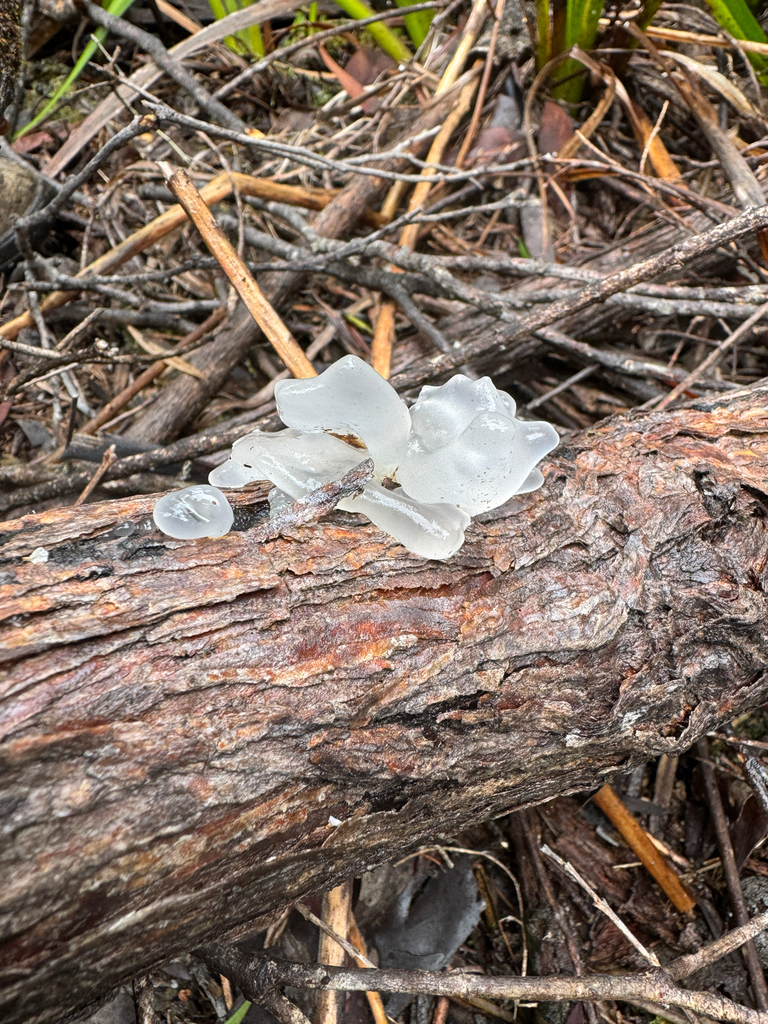
© Tyler Anthony · iNaturalist · CC BY 4.0
Scientific Classification & Quick Facts
Classification
Known For
Detailed measurements for this species are still being verified.
Tremella fuciformis, known as Snow Fungus, is a gelatinous basidiomycete that appears as delicate, translucent white or cream-coloured fruiting bodies resembling miniature brain coral or convoluted snowflakes. Found across at least 21 countries, this fungus has quietly become one of Asia’s most valued culinary and medicinal treasures, prized for centuries in traditional Chinese medicine and increasingly integrated into global wellness practices. Its conservation status remains unknown, reflecting the sparse ecological attention this economically important species receives despite its widespread cultivation and use.
What distinguishes Snow Fungus from other edible fungi is its remarkable gelatinous texture and the high polysaccharide content that drives both its culinary appeal and its role in traditional remedies targeting immune function and skin health. Unlike the fleshy mushrooms familiar to Western cuisines, this fungus absorbs moisture and swells dramatically when rehydrated, becoming a silken addition to soups and desserts. Its combination of bioactive compounds, minimal toxicity concerns, and global cultivation networks make it a compelling subject for understanding how fungi bridge ecosystems, food systems, and human medicine.
Identification and Appearance
Tremella fuciformis is instantly recognizable by its striking gelatinous fruiting bodies, which resemble delicate white sea kelp or crispy noodles. The fruit bodies are watery white in colour and typically reach up to 7 centimetres across, though cultivated specimens often grow considerably larger. The structure consists of thin but erect, branching fronds that resemble seaweed, with characteristically crisped and ruffled edges that give the fungus much of its visual appeal.
At the microscopic level, Tremella fuciformis displays distinctive anatomical features. The hyphae are clamped and embedded in a dense gelatinous matrix that provides the fruit body’s soft, translucent quality. The fungus produces haustorial cells—specialized structures that extend from the hyphae as filaments to attach to and penetrate the hyphae of its host fungus. The basidia are tremelloid in shape (ellipsoid with oblique to vertical septa), measuring 10–13 micrometres by 6.5–10 micrometres, and are sometimes stalked. The spores are ellipsoid and smooth-walled, measuring 5–8 micrometres by 4–6 micrometres, and can germinate either by producing hyphal tubes or by forming yeast cells.
Similar species
Ductifera pululahuana closely resembles Tremella fuciformis but has a more opaque appearance, making it distinguishable from the characteristically translucent white snow fungus under careful examination.
Distribution and Habitat
Tremella fuciformis has been recorded across 21 countries, with a pronounced concentration in the Southern Hemisphere and North America. Australia dominates the occurrence data with 157 records, followed by the United States with 69 records and New Zealand with 24 records. The fungus also appears in South American locations including Brazil, Colombia, and Ecuador, as well as in Puerto Rico, Japan, Costa Rica, and Indonesia, indicating a scattered but established global presence.
The species occurs at relatively low elevations, with records clustering around 93 metres. This preference for lowland environments suggests that Tremella fuciformis inhabits accessible forested or woodland areas in warmer climates rather than montane zones. The fungus thrives in regions with adequate moisture and suitable substrate for parasitization on wood-decay fungi.
Seasonal Occurrence
Occurrence data reveal a sharply defined seasonal pattern, with peak activity in May (87 records) and sustained presence from January through May. Records concentrate in the cooler months of spring and early autumn in the Southern Hemisphere, and spring in the Northern Hemisphere. The complete absence of records from June through December suggests that Tremella fuciformis fruits primarily during transition seasons when humidity and temperature conditions favour fruiting body development.
Ecology and Lifecycle
Lifecycle
Tremella fuciformis begins its lifecycle as vegetative mycelium, thread-like filaments that colonize dead or decaying wood in moist forest environments. The fungus grows through wood substrates, gradually breaking down cellulose and other organic compounds. When environmental conditions align—typically high humidity, moderate temperatures, and adequate moisture—the mycelium transitions to the fruiting stage, producing the characteristic white, gelatinous fruiting bodies that give the species its common name.
These fruiting bodies develop over several days to weeks, swelling with moisture and reaching a translucent, brain-like appearance. Once mature, the fungus releases basidiospores into the air through gill surfaces, dispersing them via wind and water currents to new wood substrates. Spore germination occurs when moisture and organic matter are present, completing the cycle. Under favorable conditions, multiple fruiting events can occur on a single mycelial colony across seasons.
Ecological Role
Tremella fuciformis functions as a wood decomposer, playing an important role in nutrient cycling within forest ecosystems. The fungus breaks down lignin and cellulose in dead wood, accelerating decomposition and returning nutrients to the soil. This process enriches soil chemistry and creates microhabitats for invertebrates and other microorganisms. In tropical and subtropical forests where the species naturally occurs, it contributes to the rapid recycling of woody debris in high-humidity environments.
The fungus demonstrates a parasitic or antagonistic relationship with other wood-decay fungi, sometimes competing for substrate or colonizing wood previously infected by other species. Its preference for moist, shaded conditions in undisturbed forest habitats makes it an indicator of healthy woodland ecosystems with adequate dead wood and humidity.
Uses
Tremella fuciformis has been cultivated and harvested for centuries, particularly across East and Southeast Asia. It appears in traditional Chinese cuisine as an ingredient in soups, desserts, and medicinal preparations. The dried fruiting body is light and shelf-stable, making it commercially viable; it rehydrates quickly when cooked, absorbing flavors while contributing a delicate, slightly gelatinous texture to dishes.
In traditional medicine systems, Tremella fuciformis is attributed with moistening lung function, supporting skin health, and promoting overall vitality. Modern cultivation occurs on artificial substrates in controlled environments, particularly in China, making the species one of the most commercially produced medicinal fungi globally. Dried snow fungus commands premium prices in international markets and is increasingly available in health food stores and specialty grocers worldwide.
Conservation and Threats
Tremella fuciformis, commonly known as snow fungus or white jelly fungus, has not been formally assessed by the International Union for Conservation of Nature (IUCN) and therefore lacks an official Red List status. Despite its absence from formal conservation listings, this species remains economically and culturally significant, particularly across East and Southeast Asia where it is cultivated commercially and valued in traditional medicine and cuisine.
Threats
The primary conservation concern for snow fungus relates not to extinction risk but to sustainable cultivation practices. Commercial cultivation intensification, especially in China and other Asian countries, has driven demand for reliable cultivation substrates and environmental conditions. Habitat loss in natural settings—where the fungus grows on decaying wood in forests—poses a secondary threat as deforestation continues across tropical and subtropical regions. Additionally, climate variability affecting humidity and temperature regimes in forested ecosystems can influence natural fruiting patterns, though the species’ widespread distribution suggests resilience to localized disturbances.
Overharvesting from wild populations in certain regions has raised concerns among ethnobotanists and local communities, though large-scale wild collection remains economically marginal compared to cultivated production. Synthetic pesticides and fungicides used in neighboring agricultural areas may affect wild populations near agricultural zones, though specific impacts remain undocumented.
Conservation Efforts
Snow fungus benefits indirectly from broad forest conservation initiatives across Asia, particularly in protected areas of China, Vietnam, and Indonesia where both the species and its preferred host substrates occur naturally. Several Asian countries recognize the cultural and economic value of wild fungal populations and have incorporated fungal biodiversity into regional conservation planning. No species-specific legal protections exist, but cultivation standards and organic certification programs in producing regions help maintain genetic diversity and reduce reliance on wild harvesting.
Cultural Significance
The provided cultural notes for Tremella fuciformis (Snow Fungus) are currently empty or unavailable. Without documented folklore, mythology, culinary traditions, medicinal uses, or symbolic associations in the source material, it is not possible to accurately describe this species’ role in human culture.
To provide a comprehensive cultural significance section, reliable ethnobotanical records, historical texts, or documented cultural practices would need to be available. If you have additional sources or cultural documentation for Snow Fungus, please provide them so that an accurate and well-grounded account can be written.
Fun Facts
Tremella fuciformis has earned at least five common names across English-speaking regions and Asian cultures, each reflecting a different visual or textural quality of this remarkable fungus. Its distinctive appearance and culinary value have made it one of the most recognizable gelatinous fungi in the world.
- Snow fungus produces pure white fruit bodies that resemble delicate, frond-like structures—hence the name “snow ear” in many Asian markets. This striking white colour is one of its most distinctive features and makes it instantly recognisable among foraged mushrooms.
- The fruit bodies are entirely gelatinous in texture, giving the fungus a jelly-like consistency that is soft and yielding when fresh. This unique texture is what distinguishes Tremella fuciformis from the vast majority of other fungi, which produce firmer, more structured fruiting bodies.
- Despite its delicate appearance, snow fungus is a parasitic fungus that grows on dead wood and the fruit bodies of other fungi, particularly Annulohypoxylon species. Its white gelatinous form conceals a sophisticated ecological role as both decomposer and competitor.
- In traditional Chinese medicine and cuisine, snow fungus has been valued for over a thousand years and commands premium prices in dried form. When reconstituted in hot water, it expands dramatically and develops a subtle, slightly sweet flavour that absorbs surrounding ingredients.
- The high water content of its gelatinous fruit bodies—often exceeding 95 percent—means that a handful of fresh snow fungus shrinks to just a few grams when dried. This extreme water loss is why the dried form is the standard culinary product, as fresh specimens are perishable and bulky.
- Snow fungus contains polysaccharides and other bioactive compounds that have generated scientific interest in its potential health benefits, though rigorous clinical evidence remains limited. Traditional uses in soups and desserts across East Asia reflect centuries of empirical observation rather than modern laboratory validation.
Ecology
Edibility
Photo Gallery
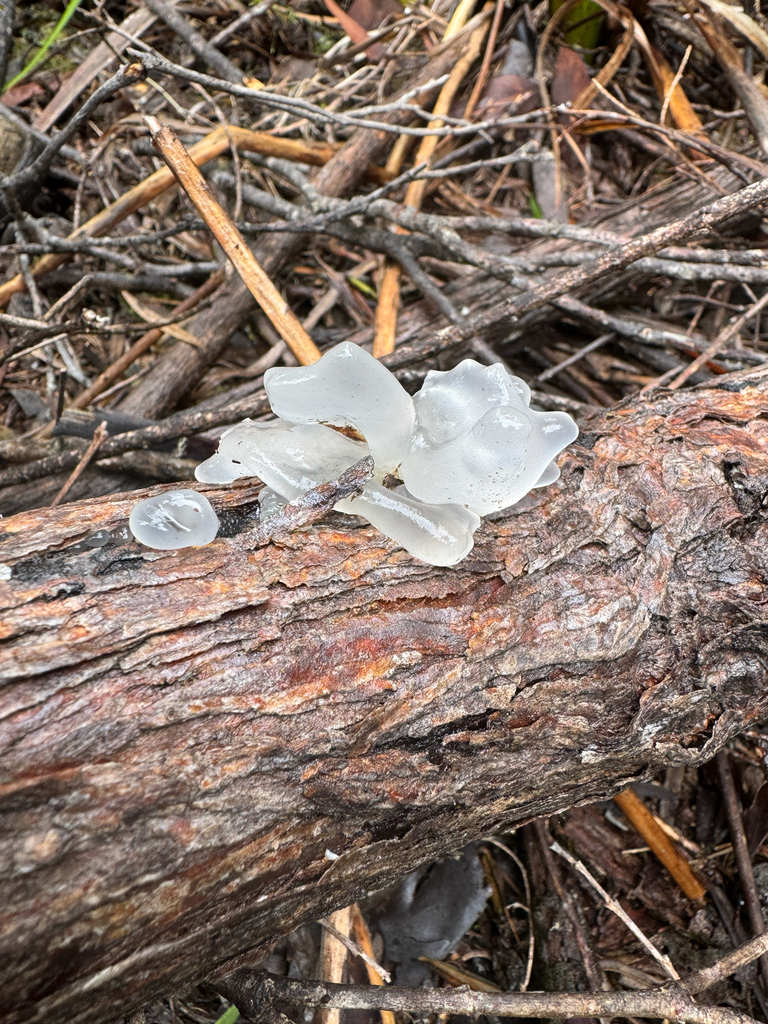
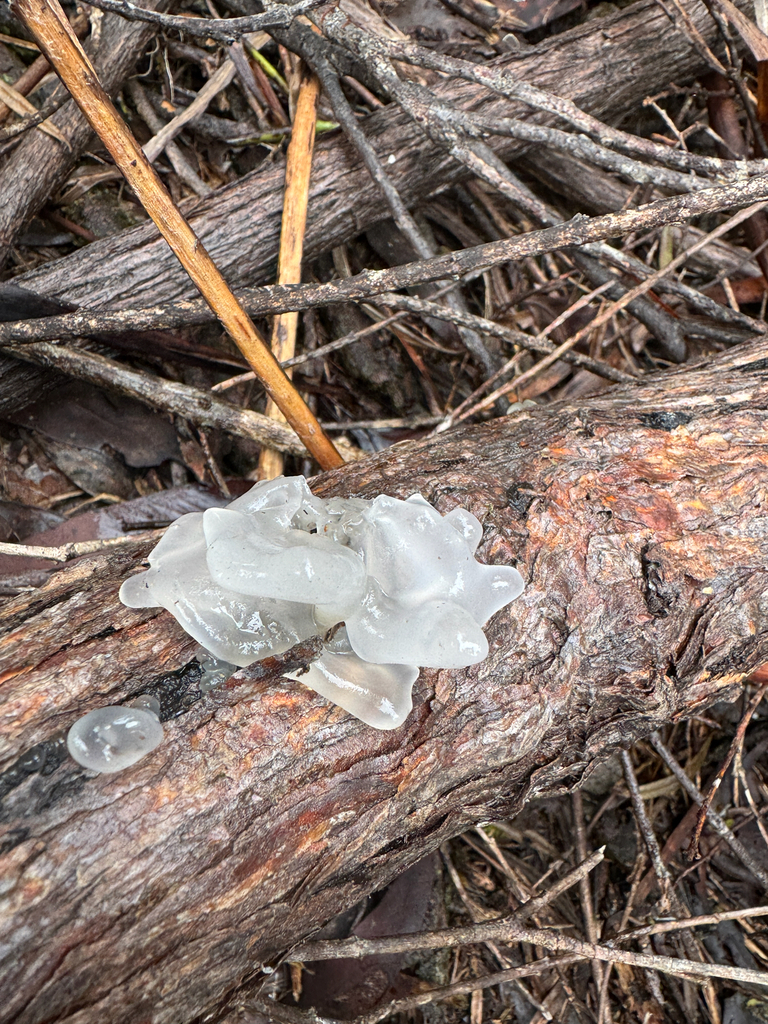
Tyler Anthony · CC BY 4.0
Related Species
Was this profile helpful?