
Magnoliopsida · Asterales
Sunflower
Helianthus annuus
Least ConcernAlso known as: Annual Sunflower, Common Sunflower, Mirasol, Ornamental Sunflower
© Ricardo Jaimes-López · iNaturalist · CC BY 4.0
Scientific Classification & Quick Facts
Classification
At a Glance
The sunflower stands as one of humanity’s most recognizable plants, celebrated across cultures for its bold golden inflorescences and towering stems that seem to track the sun across the sky. Native to North America, Helianthus annuus has become a global agricultural staple and ornamental favourite, now cultivated in 33 countries across six continents. Its versatility—yielding oil, seeds, and stunning visual beauty—has made it as economically important as it is beloved in gardens and landscapes worldwide.
Classified within the family Asteraceae—the daisy family—sunflowers are annual herbs belonging to the order Asterales. Despite their apparent simplicity, these plants represent a triumph of selective breeding and agricultural innovation, having been transformed from wild relatives into highly productive crop varieties. What makes Helianthus annuus particularly noteworthy is not merely its widespread cultivation but its ecological role as a pollinator magnet and its continued status as Least Concern, reflecting both its adaptability and the relative absence of major conservation threats to the species.
Identification and Appearance
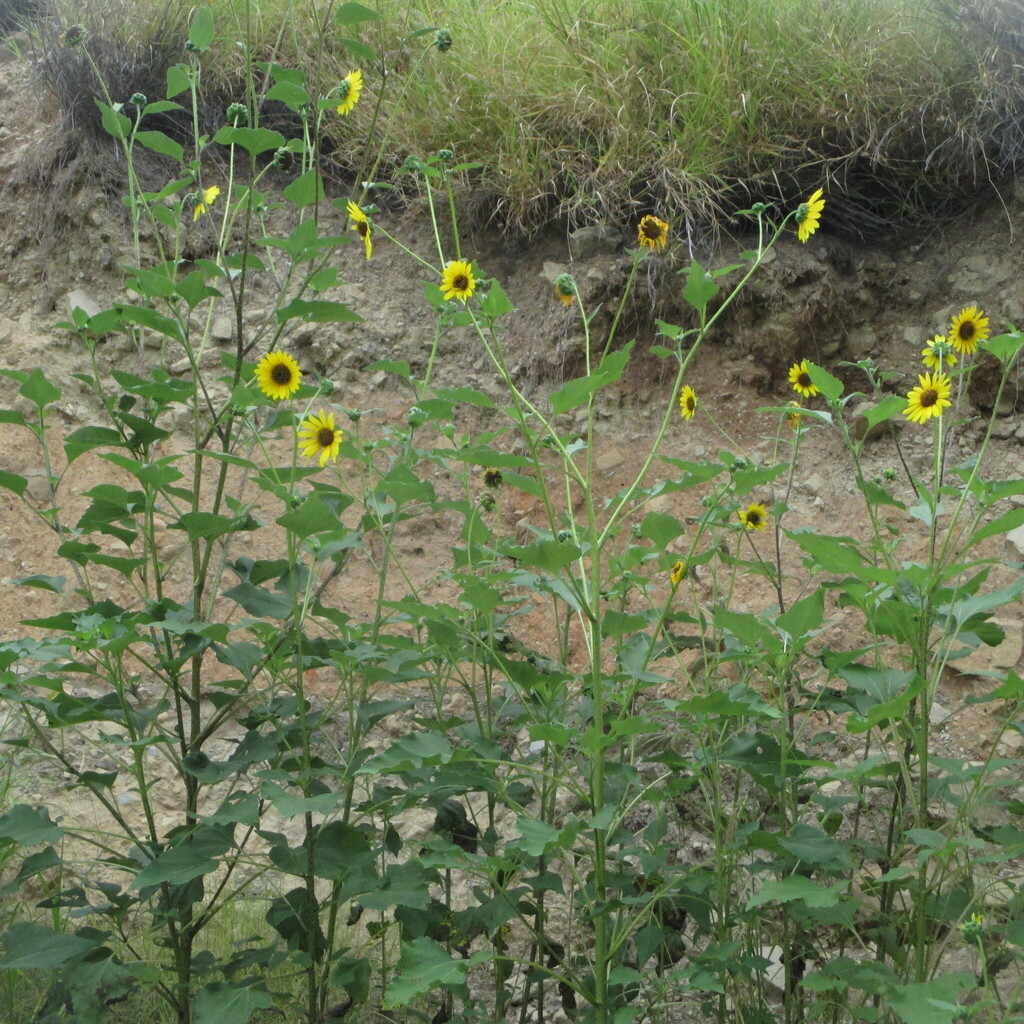
The sunflower is a tall, robust annual herb with an erect stem that is rough and covered in coarse hairs. Typical plants reach about 3 metres (10 feet) in height, though they are highly variable depending on cultivar and growing conditions. The tallest sunflower ever recorded reached 10.9 metres (35 feet 9 inches), demonstrating the remarkable growth potential of this species under optimal conditions.
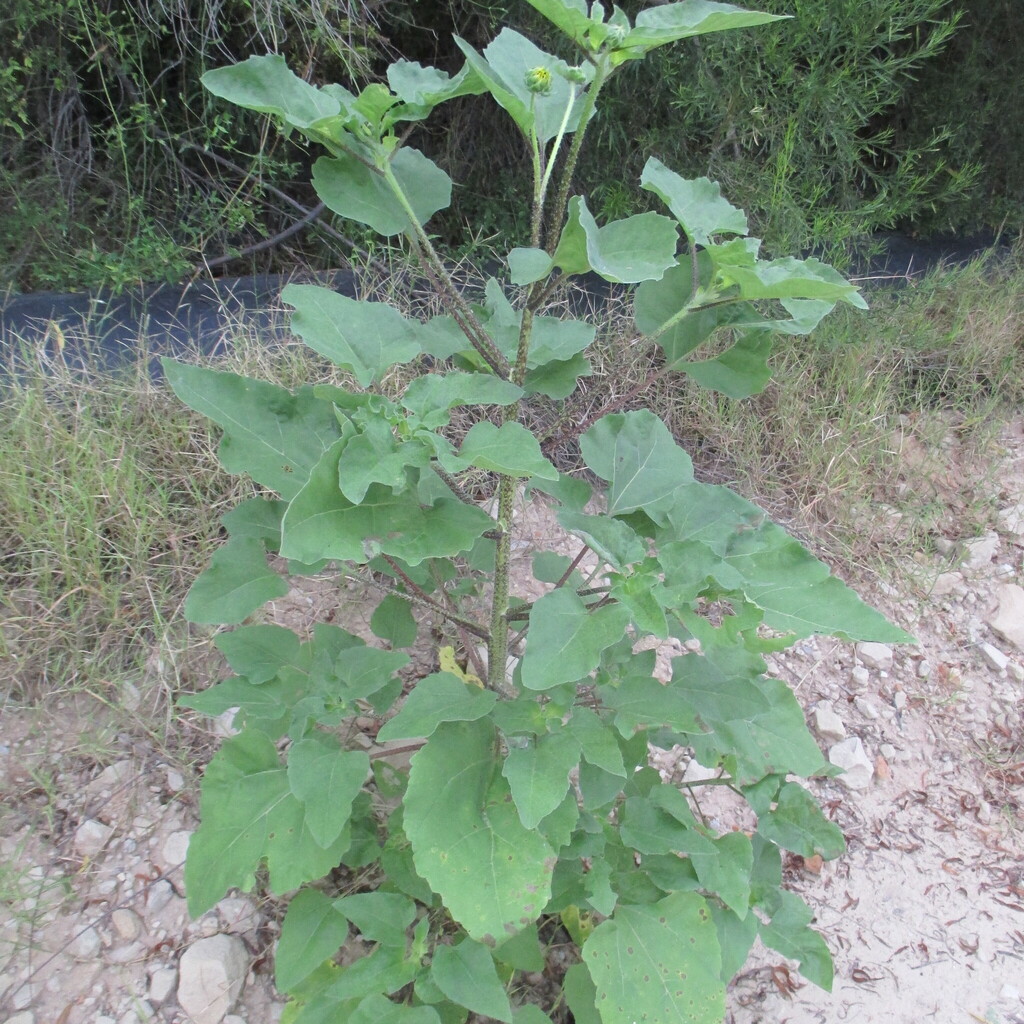
The leaves are broad, coarsely toothed, and rough to the touch, arranged mostly in an alternate pattern along the stem. The lower leaves are distinctly larger than upper ones and are typically heart-shaped. Both the stem and foliage are covered in short, stiff hairs that give the plant a textured appearance.
Flower Head and Colour
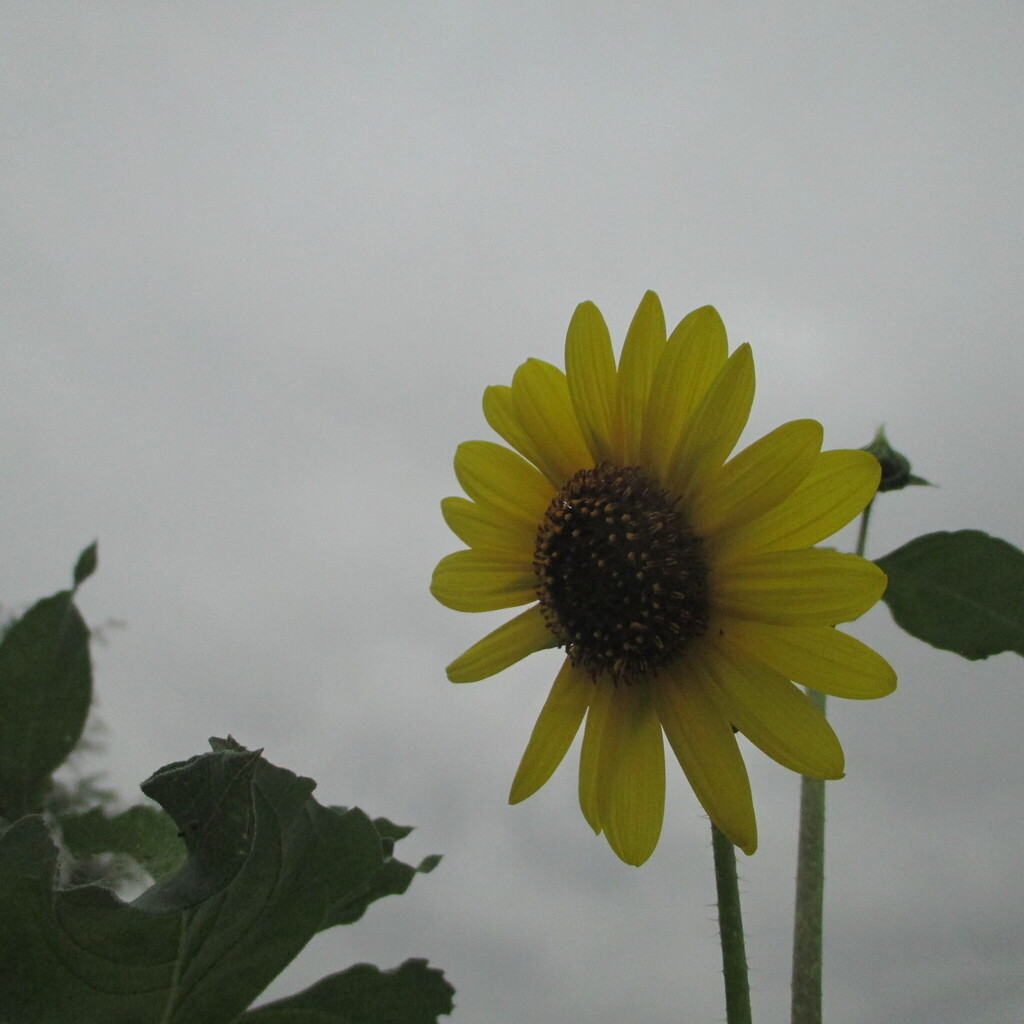
The flower head (capitulum) is the plant’s most distinctive feature—a large, flat or slightly convex disc that can range from 7 to 30 centimetres or more in diameter depending on the cultivar. The outer ray florets are bright yellow and often sterile, creating the characteristic petal-like appearance. The inner disc florets are typically yellow or reddish-brown and are fertile, arranged in a precise spiral pattern (phyllotaxis) that follows the Fibonacci sequence. After pollination and seed maturation, the flower head droops as the developing seeds become heavier. The stem transitions from green to brown as the plant matures, and the entire structure becomes woody and durable by the end of the growing season.
Distribution and Habitat
Helianthus annuus has been recorded across 33 countries, with the strongest presence in North and South America. The United States dominates the distribution record with 184 documented occurrences, followed by Mexico (42), Colombia (11), Brazil (8), and Chile (5). Secondary populations exist in New Zealand, Puerto Rico, Australia, Spain, and Israel, reflecting the species’ widespread cultivation and occasional naturalization outside its native range.
The sunflower shows a pronounced seasonal pattern, with peak activity in February and a sharp concentration between January and March. This winter-to-early-spring abundance suggests that most recorded observations correspond to the flowering and harvest period in temperate and subtropical regions of the Americas, where cultivation is most intensive. Records drop to zero from May through December, indicating either dormancy, post-harvest absence from surveyed areas, or reduced observer activity during other seasons.
No elevation data are available in the occurrence records, though sunflowers are known to thrive across a wide range of altitudes in agricultural and ornamental settings. The species’ adaptability to diverse climates—from lowland valleys to moderate highland regions—underpins its global commercial success. It is equally at home in open fields, urban gardens, and disturbed roadsides where it has naturalized.
Growth and Cultivation
Growth
Helianthus annuus is a fast-growing annual herb that reaches maturity within a single growing season. Plants typically grow 1.5 to 3.5 metres tall, though cultivars range from dwarf varieties under 1 metre to giant forms exceeding 4 metres. The stem is sturdy and unbranched in most varieties, with a coarse texture and covered in stiff hairs. Large, coarsely toothed leaves alternate along the stem, becoming progressively smaller toward the apex.
Growth is vigorous during warm weather, with seedlings emerging within 7 to 10 days under favourable conditions. The plant develops a deep taproot system that anchors it firmly and allows access to subsurface moisture, making it well-suited to variable rainfall patterns. Most commercial and ornamental varieties produce a single dominant floral head, though some cultivars branch to produce multiple smaller flowers.
Flowering and Fruiting
Sunflowers produce large composite flower heads composed of hundreds to thousands of tiny individual florets arranged in a spiral pattern. The outer ray florets are sterile and brightly coloured—typically yellow, orange, red, or bi-coloured—serving to attract pollinators. Inner disc florets are usually yellow or brown and develop into seeds. Flowering occurs mid to late summer in temperate regions, with individual heads open for 20 to 30 days.
After pollination, the flower head dries and matches to brown as seeds mature. Each plant produces a single seed head containing 500 to 3,000 viable seeds, depending on variety and growing conditions. Seeds are large, flattened, and striped black and white or solid in colour. Seed ripeness is indicated by browning of the disc florets and drying of the back of the head; harvesting typically occurs 30 to 45 days after flowering.
Cultivation
Sunflowers thrive in well-draining soil and demand full sun—at least 6 to 8 hours of direct light daily for optimal growth and flowering. They tolerate a wide range of soil types, from sandy to clay-based, and are relatively indifferent to soil pH. The species is notably drought-tolerant once established, as the deep taproot accesses water unavailable to shallower-rooted plants. Excessive moisture, particularly waterlogged conditions, can promote root rot and fungal disease.
Sow seeds directly outdoors after the last frost date when soil temperature reaches 10 °C or warmer. Space plants 30 to 60 centimetres apart depending on the intended mature size. Mature plants require minimal fertilization in moderately fertile soil; nitrogen-heavy feeding promotes excessive leafy growth at the expense of flowers. In windy sites, tall varieties benefit from staking. Harvest seeds when the back of the head turns brown and seeds can be easily rubbed loose, typically 100 to 120 days after sowing.
Conservation and Threats
Helianthus annuus is listed as Least Concern on the IUCN Red List, reflecting its status as a widespread, economically important crop with a global population trend that is increasing. The species faces no immediate threat of extinction, though agricultural sunflowers encounter significant disease pressures that affect crop yields and farming practices.
Threats
Fungal diseases represent the primary threat to sunflower cultivation. Fusarium, a soil-borne filamentous fungus, is one of the most serious pathogens affecting sunflowers worldwide. This pathogen colonises plant tissues and causes wilting and root rot, particularly in susceptible cultivars. Downy mildew is another significant disease to which sunflowers are susceptible, and its incidence increases markedly when seeds are planted in moist, waterlogged soil. Poor drainage and shallow planting in saturated conditions create ideal conditions for mildew establishment and spread.
Beyond fungal threats, sunflowers face challenges from various pests and environmental stressors typical of large-scale agriculture. Pest management and disease prevention require ongoing breeding efforts to develop resistant varieties and improved agronomic practices such as crop rotation, soil drainage management, and sanitation of equipment.
Conservation Efforts
While sunflowers are not subject to wildlife conservation programmes (being a domesticated crop rather than a wild species), their genetic diversity is actively maintained through breeding research. Agricultural institutions and seed companies work to develop cultivars with enhanced resistance to Fusarium and other pathogens. Helia, a peer-reviewed journal dedicated to sunflower research, regularly publishes advances in disease-resistant breeding and agronomic improvements.
Cultural Significance
Mythology and Indigenous Traditions
Sunflowers hold deep spiritual significance across multiple cultures. In Iroquois mythology, the first sunflowers grew from the body of Earth Woman after she died giving birth to her twin sons, Sapling and Flint, linking the plant to creation and maternal sacrifice. The Zuni people incorporated sunflower blossoms into ceremonial practices for anthropic worship. The Incas revered sunflowers as symbols of the sun itself, weaving them into their cosmological beliefs and religious practices.
Greek mythology preserved stories of transformation involving sunflowers. The nymph Clytie, rejected by her former lover Helios, was transformed into what may be translated as a sunflower—a metamorphosis reflecting both longing and loss. The plant’s natural heliotropism, with its face turning to follow the sun across the sky, reinforced these mythological associations with solar deities and celestial devotion.
Art and Symbolism
European artists embraced sunflowers as subjects of profound cultural importance. Anthony van Dyck painted a self-portrait with sunflower around 1633, likely invoking the flower’s association with loyalty and devotion. Vincent van Gogh elevated the sunflower to iconic status in his 1888 series “Sunflowers,” where the blooms transcended botanical representation to become expressions of emotional intensity and artistic vision. These paintings cemented the sunflower’s place in the Western artistic canon and popular imagination.
Fun Facts
- Sunflower oil ranks as the fourth most commonly used vegetable oil globally, making Helianthus annuus one of the world’s most economically important oil crops. Only palm, soybean, and canola oils surpass it in production and consumption.
- Modern domestic sunflowers have been bred to produce a single massive flower head on an unbranched stem, a dramatic change from their wild ancestors which naturally grow multiple smaller flower heads along branching stems. This transformation occurred through thousands of years of selective cultivation.
- Sunflower seeds are cultivated in two entirely different varieties—oilseed and confectionary—each optimized for its own purpose. Oilseed varieties have smaller seeds with thinner hulls that extract maximum oil, while confectionary types produce large seeds prized for snacking and baking.
- The sunflower’s flower head is actually a composite structure containing hundreds to thousands of tiny individual flowers packed together in a spiral pattern that follows the Fibonacci sequence. Each small flower eventually develops into a seed.
- Young sunflower plants exhibit heliotropism—their growing heads track the sun across the sky from east to west during the day, then rotate back at night to face east again. This movement stops once the plant matures and its heavy seed head becomes too large to reorient.
- Helianthus annuus belongs to the daisy family (Asteraceae), making it a distant relative of common daisies, chrysanthemums, and thistles. Despite their apparent differences, all these plants share the characteristic composite flower structure.
- Sunflower roots can penetrate soil to depths of 2 metres or more, making them effective at breaking up compacted soil and accessing water sources deep underground. This deep root system also makes wild sunflowers valuable for phytoremediation, the process of using plants to remove contaminants from soil.
Ecology
Growing Conditions
Conservation Status
LC (Least Concern) · NT · VU · EN · CR · EW · EX
Photo Gallery
Ricardo Jaimes-López · CC BY 4.0
Related Species
Was this profile helpful?