
Magnoliopsida · Malpighiales
Passion Fruit
Passiflora edulis
Also known as: Passionfruit, Purple granadilla, Purple passionfruit, Black passion fruit, common passionfruit
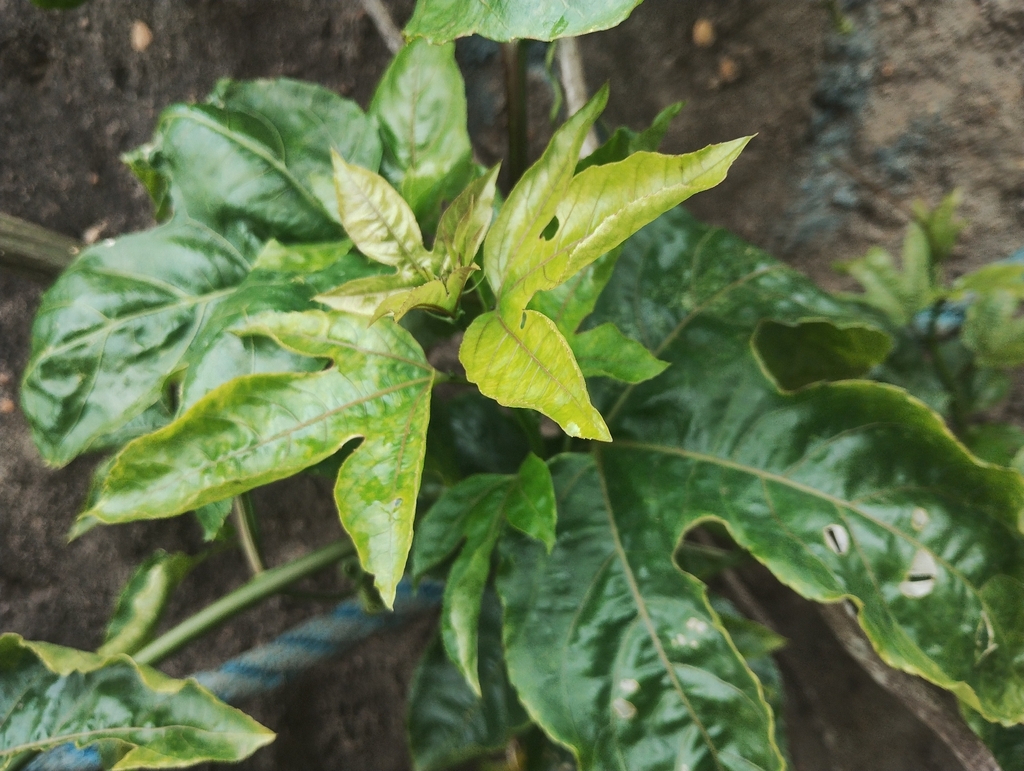
© The Great Walter · iNaturalist · CC BY 4.0
Scientific Classification & Quick Facts
Classification
Known For
Detailed measurements for this species are still being verified.
Passiflora edulis, commonly known as passion fruit, is a vigorous climbing vine renowned for its exotic, aromatic fruits and intricate, corona-like flowers. Native to South America, this member of the Passifloraceae family has spread across tropical and subtropical regions worldwide, now cultivated or naturalized in at least 42 countries. The plant produces egg-shaped fruits with wrinkled purple or yellow skin that enclose a fragrant, seed-filled pulp prized for its intense, complex flavor—a combination of tart and sweet that defines tropical fruit profiles globally.
Beyond its culinary value, passion fruit represents a fascinating intersection of horticulture and ecology. Its conservation status remains unknown, yet its presence across multiple continents demonstrates both the plant’s adaptability and humanity’s appetite for its fruit. The species exemplifies how a single plant can serve simultaneously as a food crop, an ornamental, and a critical resource for biodiversity in the ecosystems it inhabits.
Identification and Appearance
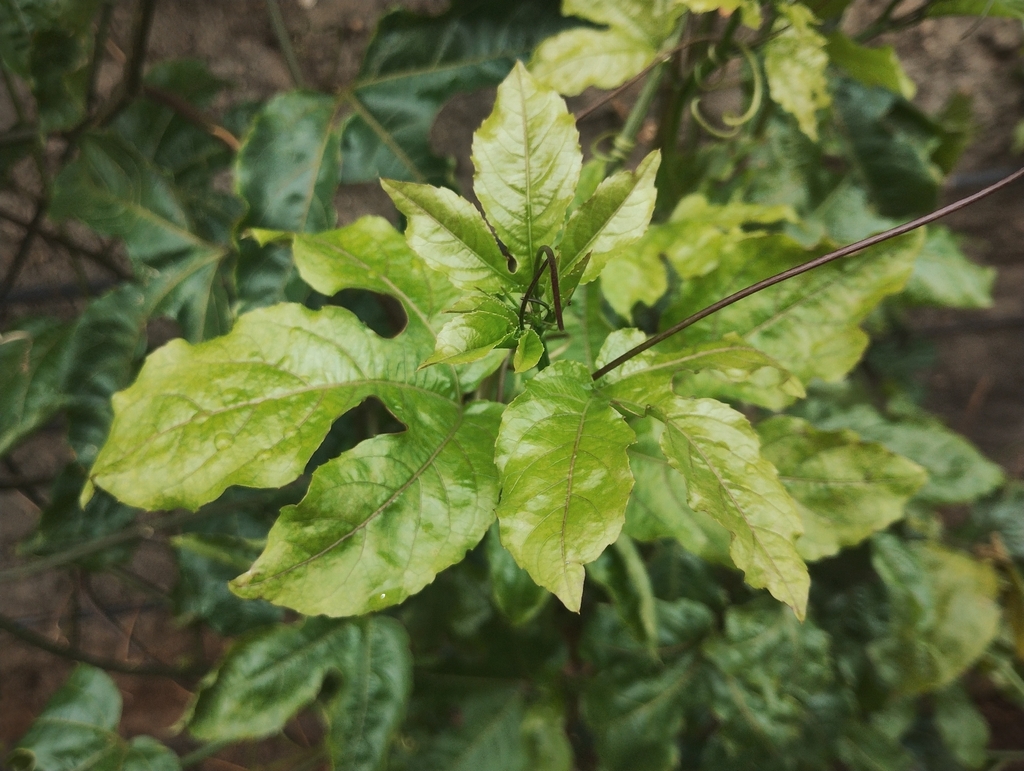
Passiflora edulis is a vigorous perennial vine distinguished by its climbing habit and distinctive floral structures. The plant produces tendrils borne in leaf axils that display a striking red or purple hue when young, aiding in identification during growth phases. Two main horticultural varieties exist, differing primarily in fruit colour: the purple-fruited form (P. edulis f. edulis) and the yellow-fruited form (P. edulis f. flavicarpa).
Flowers
The vine typically produces a single flower at each node, measuring 5–7.5 centimetres in width. These showy blooms are characteristic of the passion fruit genus, featuring the elaborate corona of filaments that gives the genus its common name.
Fruit Varieties
The two main cultivated forms differ markedly in external appearance. The purple variety produces dark purple fruits, while the yellow form yields bright yellow fruits. Both varieties contain the same edible pulp and seed interior, though regional preferences and growing conditions often favour one form over the other. Supermarket displays in passion fruit-producing regions such as Brazil commonly show both colour morphs, reflecting the diversity of this species in cultivation.
Distribution and Habitat
Passiflora edulis, the passion fruit, is found across 42 countries worldwide, with its largest populations concentrated in Australia, Brazil, Taiwan, Colombia, and Ecuador. GBIF records show 58 documented occurrences in Australia, 40 in Brazil, 28 in Taiwan, 25 in Colombia, and 23 in Ecuador. The species is also well-established in South Africa, the United States, Indonesia, New Zealand, and China, indicating successful cultivation and naturalization across multiple continents.
This vigorous climbing vine thrives in warm temperate to subtropical regions where it is widely grown as a commercial crop and ornamental plant. The species shows a pronounced seasonal pattern in its presence records, with peak activity in March (106 occurrences) and significant presence from January through March. The absence of observations in the remaining months of the year reflects either dormancy, reduced fruiting periods, or gaps in sampling effort during those times.
Growth and Cultivation
Growth
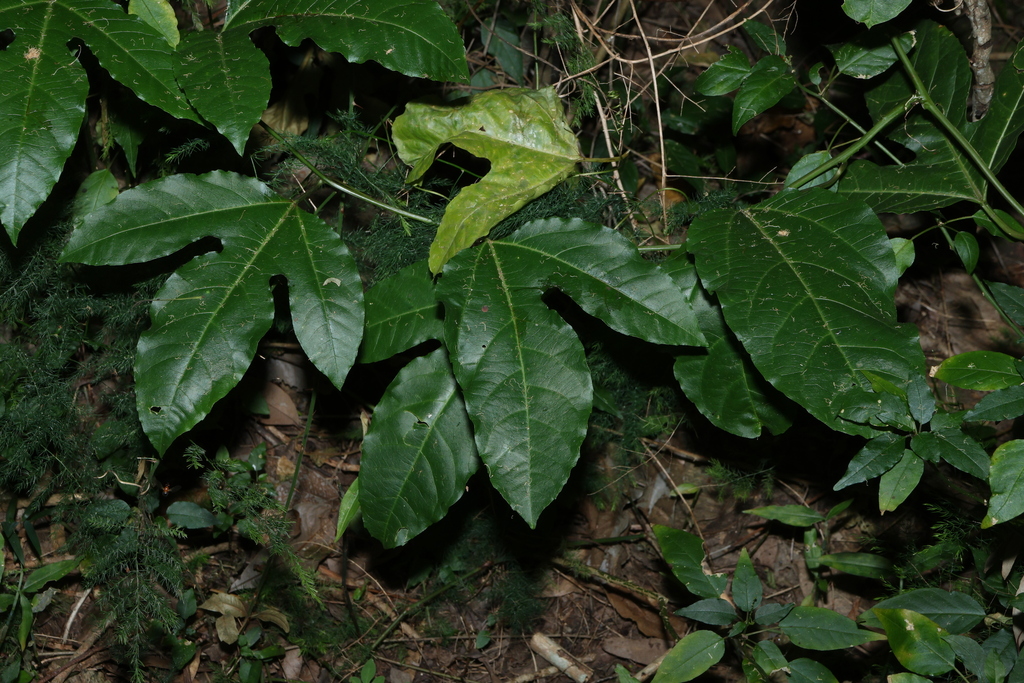
Passiflora edulis is a vigorous climbing vine that produces woody stems and can reach substantial heights when given adequate support. The plant develops large, deeply lobed leaves and establishes itself quickly in suitable growing conditions. Its climbing habit makes it ideal for training over trellises, arbours, or fences where it will spread extensively across available structures.
Flowering and Fruiting
The passion fruit vine produces distinctive flowers with prominent corona filaments in shades of purple, white, and blue. These complex, ornamental blooms attract pollinators and are followed by the development of round to oval fruits with a thick, leathery skin. The fruits ripen to a dark purple or brown colour and contain numerous seeds surrounded by aromatic pulp—the edible portion highly valued for fresh consumption and juice production.
Cultivation
Passion fruit thrives in warm climates and requires full sun exposure for optimal flowering and fruit production. The vine prefers well-draining soil and benefits from regular watering during the growing season, though established plants show reasonable tolerance to periods of lower rainfall. Avoid waterlogged conditions, as these can lead to root rot and fungal diseases.
Support structures are essential, as the vine’s vigorous growth requires sturdy trellising or fencing to train and contain the plant. Regular pruning helps manage size, improve air circulation, and encourage fruiting. In cooler regions, P. edulis may be grown in containers and moved to sheltered positions during winter months, though it prefers tropical and subtropical environments where it can grow year-round without frost damage.
Conservation and Threats
Passiflora edulis, the passion fruit, has not been formally assessed by the IUCN Red List. As a widely cultivated species with no official conservation status, it does not currently appear on international threatened species lists. The absence of an IUCN designation reflects its status as a robust, economically important crop rather than a conservation concern at the global level.
Population numbers for passion fruit are increasing globally, driven by expanding cultivation across tropical and subtropical regions. This upward trend is sustained by its commercial value in juice production, fresh fruit markets, and ornamental horticulture. The species thrives under human management and has become established in many regions beyond its native South American range.
Threats
No major threats to wild populations of Passiflora edulis have been formally documented, reflecting the species’ resilience and abundance in both native and introduced ranges. Within cultivated settings, passion fruit crops face standard agricultural challenges including pest infestations, fungal diseases, and viral pathogens that affect yield and plant vigor. These crop-specific pressures do not threaten the species’ overall survival.
Conservation Efforts
Formal conservation programmes are not required for this species, as it faces no extinction risk. Instead, research and management efforts focus on optimizing cultivation techniques, selecting disease-resistant varieties, and improving productivity for agricultural purposes. Several tropical agricultural research institutions maintain germplasm collections of Passiflora edulis to preserve genetic diversity and support crop improvement.
Cultural Significance
Passion fruit has appeared in Western visual art as a symbol of exotic vitality and romantic drama. In 1884, English Victorian painter Frank Dicksee depicted a passion fruit vine climbing a Solomonic column in his painting Romeo and Juliet, now housed in the Southampton City Art Gallery in the United Kingdom. The anachronistic inclusion of the tropical plant underscores the fruit’s appeal to 19th-century European artists seeking to evoke otherworldly atmosphere and botanical exoticism within classical settings.
The fruit holds particular cultural resonance in Hawaiian tradition, where it is known as lilikoi. In 2006, Hawaiian singer-songwriter Paula Fuga released the popular song “Lilikoi,” which introduced the Hawaiian name for passion fruit to wider audiences. The song became featured on an album also named after the fruit, cementing its place in contemporary Hawaiian popular culture and demonstrating how the plant bridges indigenous language, identity, and artistic expression in the Pacific islands.
Fun Facts
- The passion fruit is botanically classified as a pepo—a specialized type of berry with a hard rind and numerous seeds embedded in juicy pulp—making it structurally distinct from common berries like strawberries or blueberries.
- A single species produces fruits in two dramatically different colors: yellow or dark purple, despite being genetically identical, demonstrating remarkable phenotypic variation within the species.
- The fruit’s juicy interior and abundant seeds make it perfectly adapted for animal dispersal; birds and mammals consume the fruit and scatter the seeds across large distances through their droppings.
- Passiflora edulis is native to a vast geographic range spanning three countries—southern Brazil, Paraguay, and northern Argentina—making it one of the most widely distributed passion fruit species in South America.
- The plant produces intricate, elaborately structured flowers with distinctive corona filaments that attract specific pollinators, particularly certain bee species and hummingbirds, in its native range.
- Passion fruit vines are vigorous climbers that use specialized tendrils to grip and wind around supporting structures, allowing them to reach considerable heights in their natural forest habitat.
- The fruit’s flavor intensity increases as it ripens, with wrinkled skin on mature fruits often indicating peak sweetness and acidity balance—a visual cue humans have learned to recognize for optimal harvesting.
Ecology
Growing Conditions
Edibility
Photo Gallery
The Great Walter · CC BY 4.0
Related Species
Was this profile helpful?