
Magnoliopsida · Malpighiales
Cassava
Manihot esculenta
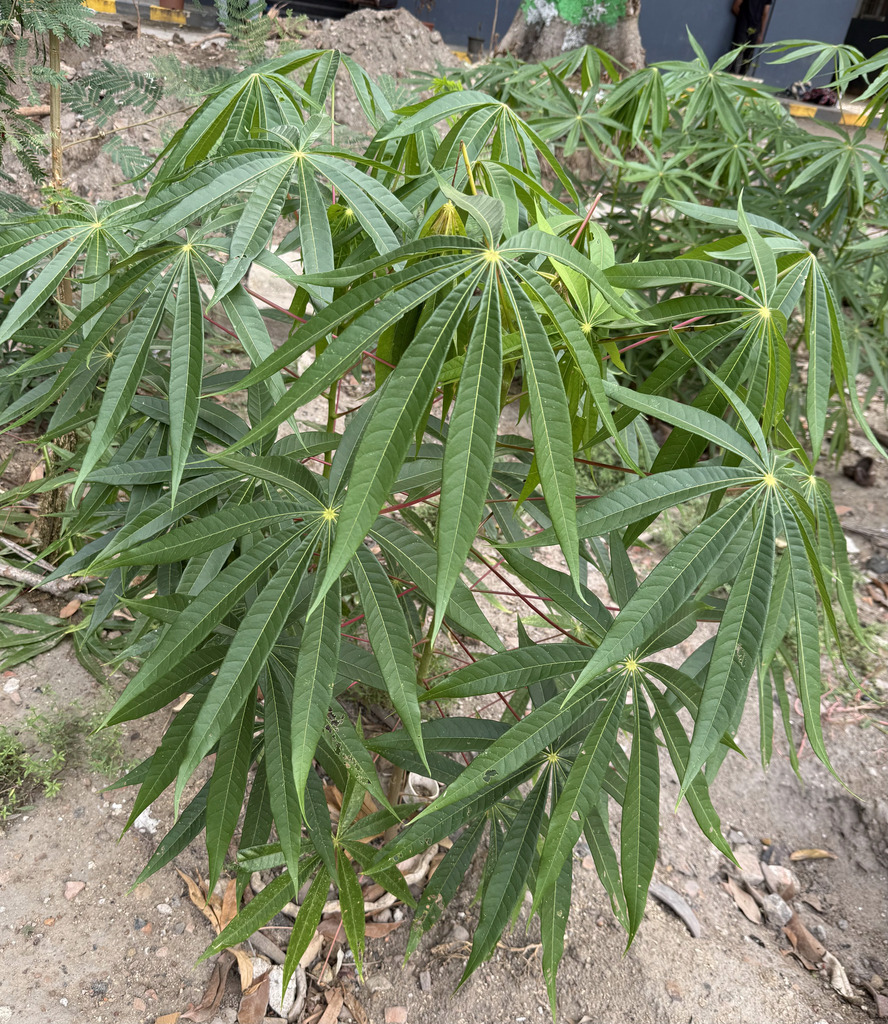
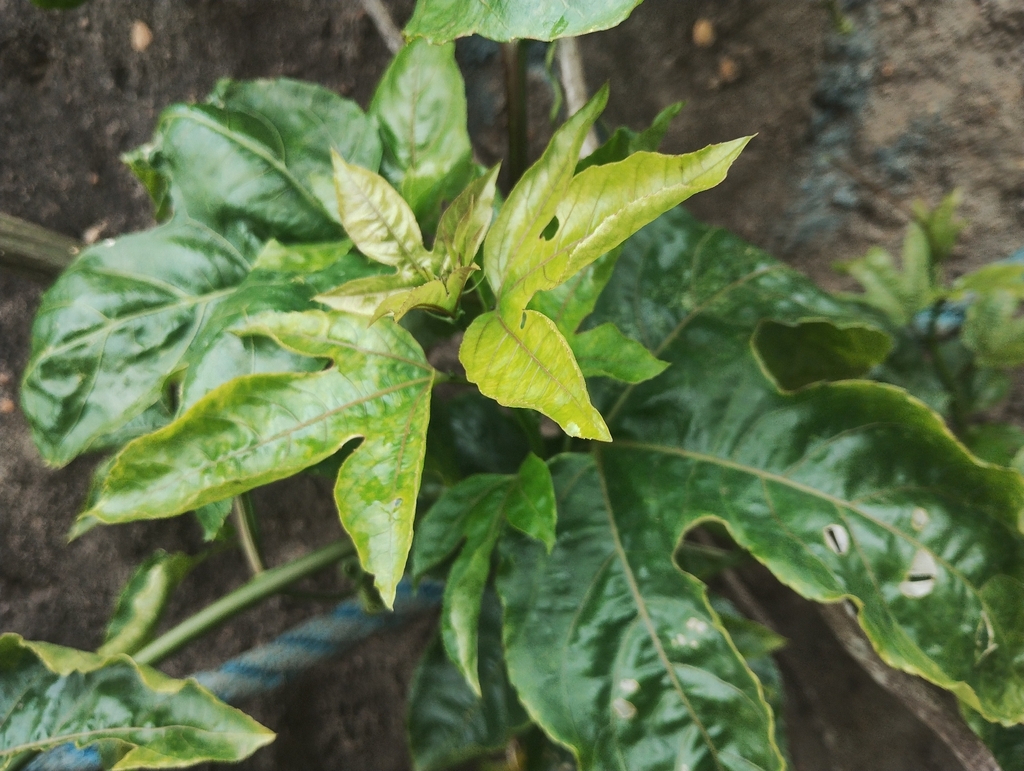
© Aparna · iNaturalist · CC BY 4.0
Scientific Classification & Quick Facts
Classification
Known For
Detailed measurements for this species are still being verified.
Manihot esculenta, commonly known as cassava, is a woody shrub whose starchy roots have sustained millions of people across tropical and subtropical regions for centuries. Native to South America, this resilient crop has spread to at least 61 countries worldwide, making it one of the most widely cultivated food plants on the planet. The plant thrives in marginal soils where other staples fail, transforming poor land into productive farmland and providing a critical food security buffer for vulnerable populations in Africa, Asia, and the Americas.
The plant’s rapid adoption beyond its native range reflects both its agronomic advantages and its chemical flexibility—the tuberous roots can be processed into flour, starch, animal feed, and industrial products. However, cassava’s raw roots contain potentially harmful cyanogenic compounds that must be properly removed through fermentation, grating, or cooking before consumption. Understanding the species’ ecology, nutritional profile, and safe preparation methods remains essential for the billions who depend on it.
Identification and Appearance
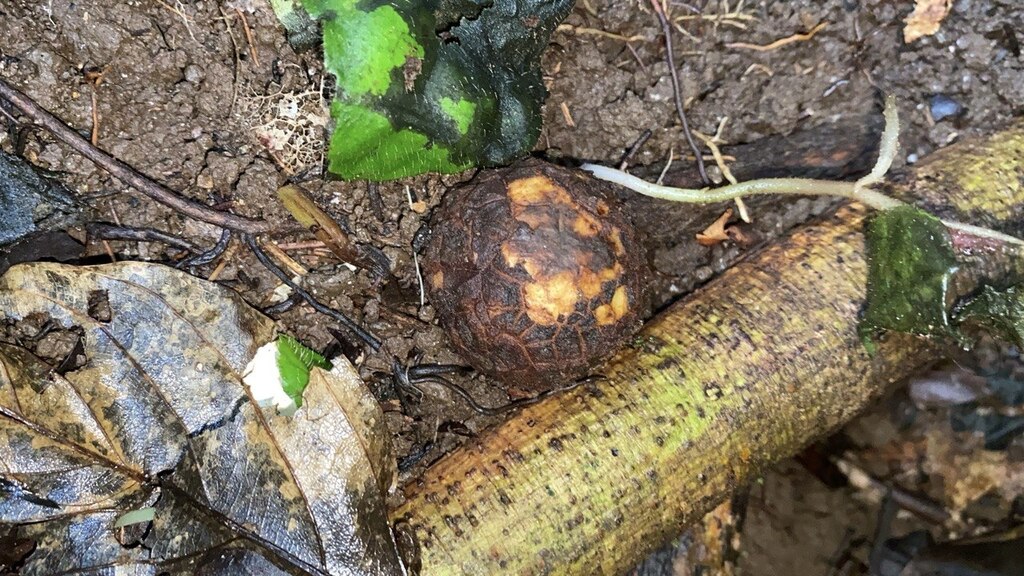
Manihot esculenta is a perennial shrub typically harvested within one year of planting. The plant’s economic value lies in its tuberous storage roots, which are the primary edible component. These roots are distinctively long and tapered, reaching 15–30 cm in length and 5–10 cm in diameter at the widest point. The root surface is rough and brown, with a rind that detaches easily from the flesh beneath.
Root Structure and Composition
The interior of the cassava root is white or yellowish and has a firm, even texture throughout. A woody vascular bundle runs centrally down the root’s length. The root composition is predominantly starch, making cassava an efficient caloric crop. Minor nutritional constituents include calcium (16 mg per 100 g), phosphorus (27 mg per 100 g), and vitamin C (20.6 mg per 100 g).
Distribution and Habitat
Manihot esculenta, cassava, is cultivated across 61 countries worldwide, with the largest concentrations in Southeast Asia and South America. Indonesia leads global records with 46 documented occurrences, followed by Taiwan (35), India (25), Malaysia (24), and French Guiana (20). Brazil, Ecuador, and Colombia represent significant populations in its native South American range, while Thailand, Costa Rica, and other tropical regions maintain active cultivation.
Cassava thrives in warm tropical and subtropical climates across multiple continents. The crop is particularly abundant in Indonesia and Taiwan, reflecting intensive agricultural development in these regions. Its presence spans from coastal lowlands to elevated agricultural zones, though specific elevation boundaries for optimal cultivation remain undocumented in available records.
Seasonal patterns show concentrated records during the early calendar year, with April representing the peak month (120 occurrences). Observations cluster heavily in the January–April period, likely reflecting harvest windows and agricultural surveys in major growing regions. The absence of records from May onward suggests either dormant seasons, reduced field activity, or gaps in monitoring data during other months.
Growth and Cultivation
Growth
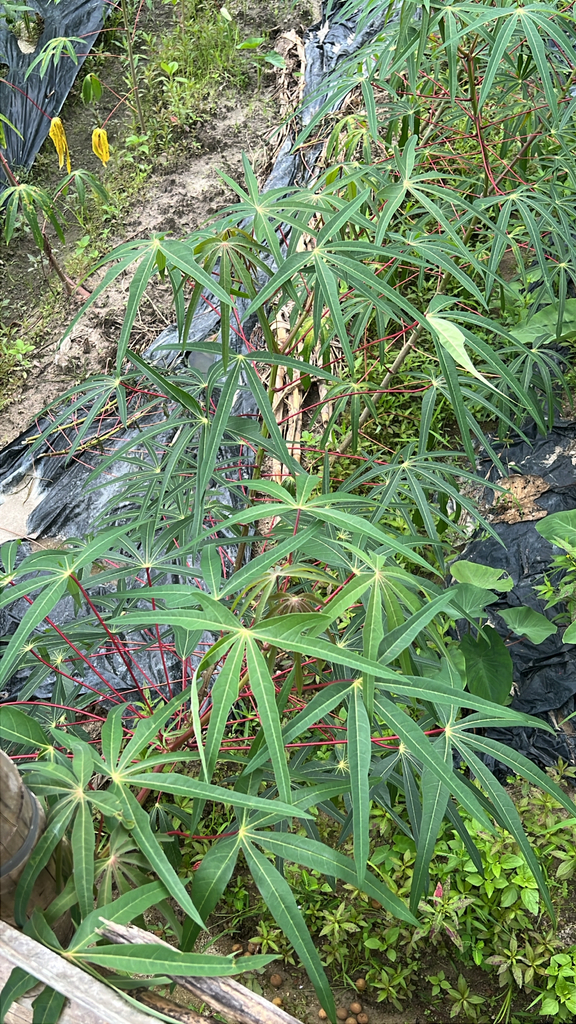
Manihot esculenta is a woody perennial shrub that typically reaches 1–3 metres in height, though some varieties may grow taller under ideal conditions. The plant develops a sturdy, branching stem structure with palmate leaves (resembling an open hand) that emerge alternately along the branches. Root development is the most economically significant feature: the plant produces enlarged, starchy tuberous roots that can reach 30 centimetres in length and weigh up to 1 kilogram each. These storage roots accumulate the carbohydrates that make cassava a crucial staple crop across tropical regions.
Cassava has a relatively fast growth rate in warm climates, reaching harvestable maturity within 8–24 months depending on cultivar and environmental conditions. The plant establishes quickly from stem cuttings, making propagation straightforward for farmers. Once mature, individual plants can remain productive for several years if managed appropriately, though yields typically decline after the second or third harvest cycle.
Flowering
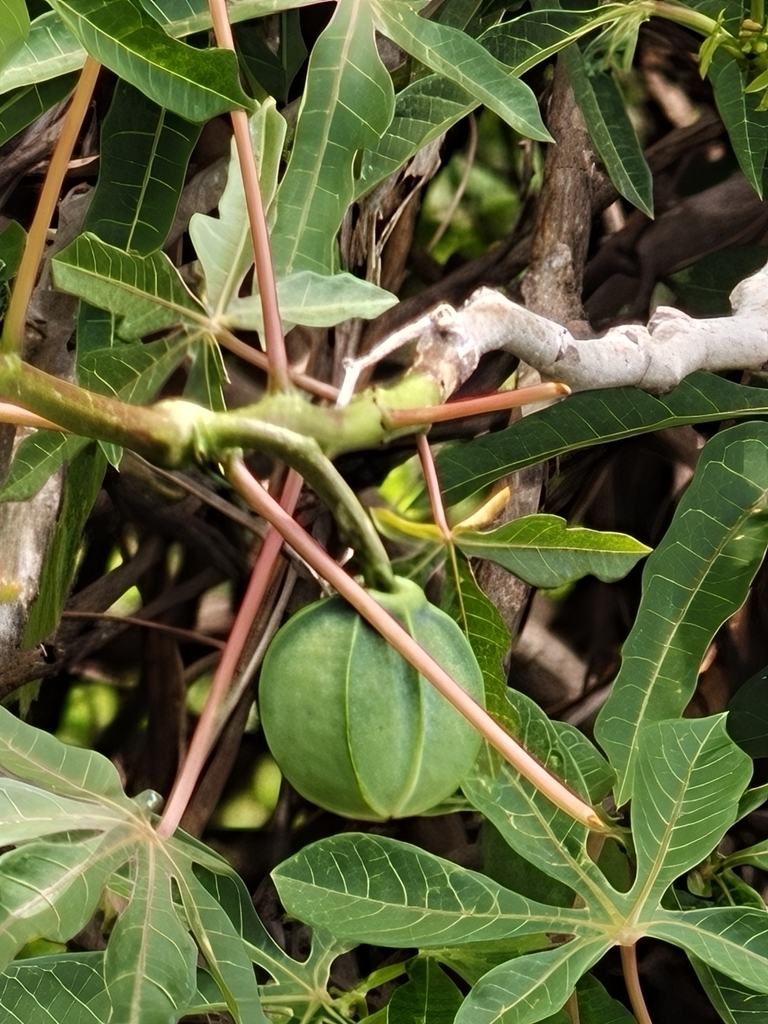
The plant produces small, inconspicuous flowers arranged in terminal racemes (flower clusters at branch tips). Flowering occurs during the dry season in most cassava-growing regions, though in equatorial areas with consistent moisture, flowering can occur year-round. The flowers are typically reddish or pink, but they are not the reason cassava is cultivated—the tuberous roots are the primary focus of agricultural interest. After pollination, the plant develops small, three-lobed capsular fruits containing seeds, though seed production is secondary to vegetative propagation via stem cuttings in commercial cultivation.
Cultivation
Cassava thrives in warm tropical and subtropical climates with temperatures between 20 and 30°C. It is remarkably tolerant of poor soil conditions, growing successfully in sandy, loamy, or clay soils with low fertility. The plant shows exceptional drought tolerance, making it resilient during dry seasons—a key advantage in regions with unreliable rainfall. It prefers full sun exposure for optimal root development and tuber yield, though it can tolerate partial shade. Cassava requires minimal fertilizer compared to many crop species and responds well to moderate nitrogen application during early growth stages.
Watering should be moderate and consistent during establishment and early growth, but mature plants become highly self-sufficient in rain-fed systems. In regions with pronounced dry seasons, supplemental irrigation during the latter half of the growing cycle can improve root yield. Cassava is typically intercropped with other food crops due to its relatively low canopy density and modest nutrient demands, making it compatible with diverse smallholder farming systems.
Conservation and Threats
Manihot esculenta (cassava) has not been formally assessed by the IUCN Red List, reflecting its status as a widely cultivated crop rather than a wild species of conservation concern. The absence of a formal conservation designation does not indicate vulnerability; instead, it underscores cassava’s established role as a global agricultural commodity. Population trends are increasing, driven by expanding cultivation across tropical and subtropical regions worldwide to meet food security and industrial demands.
Threats
Despite its resilience as a crop, cassava faces several agronomic and ecological challenges. Cassava brown streak disease and cassava mosaic disease represent significant threats to production in sub-Saharan Africa and other regions, reducing yields and crop quality. Pest pressures, including the cassava whitefly and green spider mite, can cause substantial damage in monoculture settings. Soil degradation from intensive cultivation and limited crop rotation in some farming systems poses a long-term productivity risk. Climate variability—particularly drought and extreme rainfall—threatens yields in rain-fed agriculture, where most small-scale farmers depend on cassava as a staple crop.
Genetic erosion of wild and weedy relatives is an emerging concern, as habitat conversion reduces the diversity of Manihot species that could provide valuable traits for future crop improvement. The wild progenitors and related species, concentrated in South American ecosystems, face pressure from land-use change. Maintaining access to this genetic diversity is essential for breeding disease-resistant and climate-adapted varieties.
Conservation Efforts
Cassava conservation is primarily managed through agricultural research and crop improvement programmes. International research centers, including the International Center for Tropical Agriculture (CIAT), maintain cassava germplasm collections and develop improved varieties resistant to diseases and suited to marginal soils. These breeding efforts directly support food security in developing nations where cassava is a critical staple. National agricultural extension programmes in Africa, Asia, and South America promote disease management practices and sustainable cultivation techniques to maintain productivity and resilience.
Cultural Significance
Cassava holds profound importance across tropical and subtropical regions where it has been cultivated for millennia. Indigenous peoples of South America domesticated this crop from wild Manihot species, and it became central to their food systems long before European contact. The plant’s resilience in poor soils and variable climates made it a reliable staple, particularly in regions where other crops struggled, embedding it deeply into the agricultural identity and survival strategies of many communities.
Today, cassava remains a critical carbohydrate source for over 800 million people globally, particularly across Africa, Asia, and Latin America. In West Africa, cassava root is processed into gari, fufu, and cassava flour—staple foods woven into daily meals and cultural ceremonies. In Brazil and other parts of South America, cassava meal and manioc-based foods feature prominently in traditional cuisine and regional identity. The crop’s versatility extends beyond food; cassava leaves are consumed as a nutritious vegetable, while the plant supplies starch for industrial applications in textiles, paper, and adhesives.
The crop also carries practical and symbolic weight in food security discussions. Its drought tolerance and ability to thrive where other staples fail have made it a buffer against famine and climate stress, earning it recognition as a “hunger breaker” crop in development and humanitarian contexts. Cassava cultivation integrates into farming practices across smallholder systems, where it provides income and nutrition for rural households.
Fun Facts
Cassava is far more than a simple root vegetable—it is a botanical oddity with a global reach and surprising industrial applications. Despite its humble appearance, this South American native reveals secrets about plant cultivation, chemistry, and human ingenuity at every turn.
- Cassava is technically perennial but almost never grown that way. The plant is a woody shrub capable of living for years, yet commercial farmers harvest it after just 12–24 months as an annual crop to maximize root yield and manage disease risk.
- It belongs to the spurge family, making it a distant cousin of poinsettias and rubber trees. Manihot esculenta shares the family Euphorbiaceae with ornamental houseplants and industrial rubber producers, not with other root vegetables like potatoes or beets.
- Cassava starch transforms into tapioca, which has uses far beyond pudding. The extracted starch serves as a thickener in textiles, adhesives, paper production, and pharmaceuticals—making cassava a key ingredient in industrial supply chains worldwide.
- Two labor-intensive transformations turn cassava into shelf-stable flours. Farofa and garri are created through grating, pressing, drying, and roasting the raw root, producing products that can be stored for months and have been staple foods in Africa and South America for centuries.
- Cassava has conquered continents despite evolving in South America alone. In just a few centuries of cultivation, it has become so thoroughly established across tropical and subtropical Africa, Asia, and the Pacific that many people assume it is native to those regions.
- The plant thrives in poor soil where other crops fail. Cassava’s ability to grow in degraded, low-nutrient soils makes it invaluable for food security in marginal agricultural lands.
Ecology
Growing Conditions
Edibility
Photo Gallery
Aparna · CC BY 4.0
Related Species
Was this profile helpful?