
Pezizomycetes · Pezizales
White Truffle
Tuber magnatum
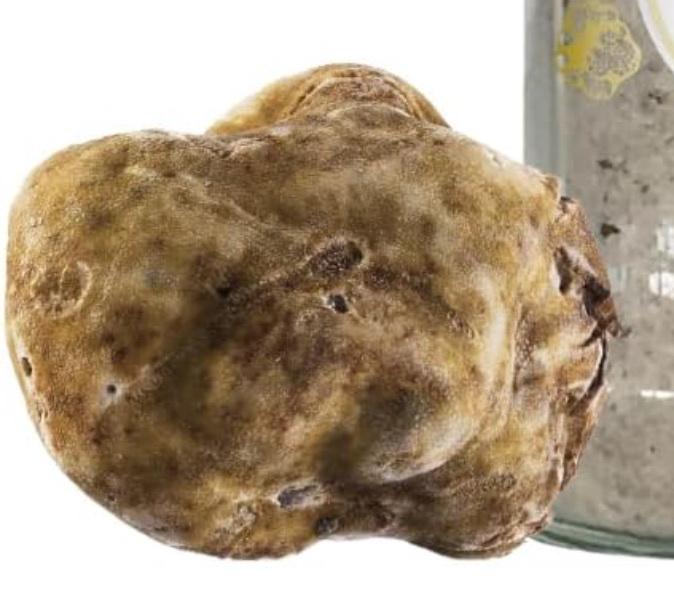
© Brian C. Hunt · iNaturalist · CC BY 4.0
Scientific Classification & Quick Facts
Classification
Known For
Full profile in progress — check back soon.
The white truffle is one of nature’s most elusive and prized fungi, sought after by chefs and food connoisseurs across the globe. Unlike its darker relatives, Tuber magnatum produces pale, marble-like fruiting bodies that form underground in symbiosis with tree roots, making it nearly impossible to locate without trained dogs or pigs. Found across 14 countries, this ascomycete inhabits specific ecological niches where soil chemistry, moisture, and host tree presence align perfectly—conditions that remain difficult to replicate artificially.
The species remains listed with unknown conservation status, reflecting both its ecological elusiveness and the limited scientific documentation of wild populations. What makes Tuber magnatum particularly noteworthy is not merely its culinary value, but its role as a keystone fungal partner in temperate forest ecosystems—and the pressing challenge of understanding whether wild harvesting pressures and habitat loss threaten its long-term survival.
Identification and Appearance
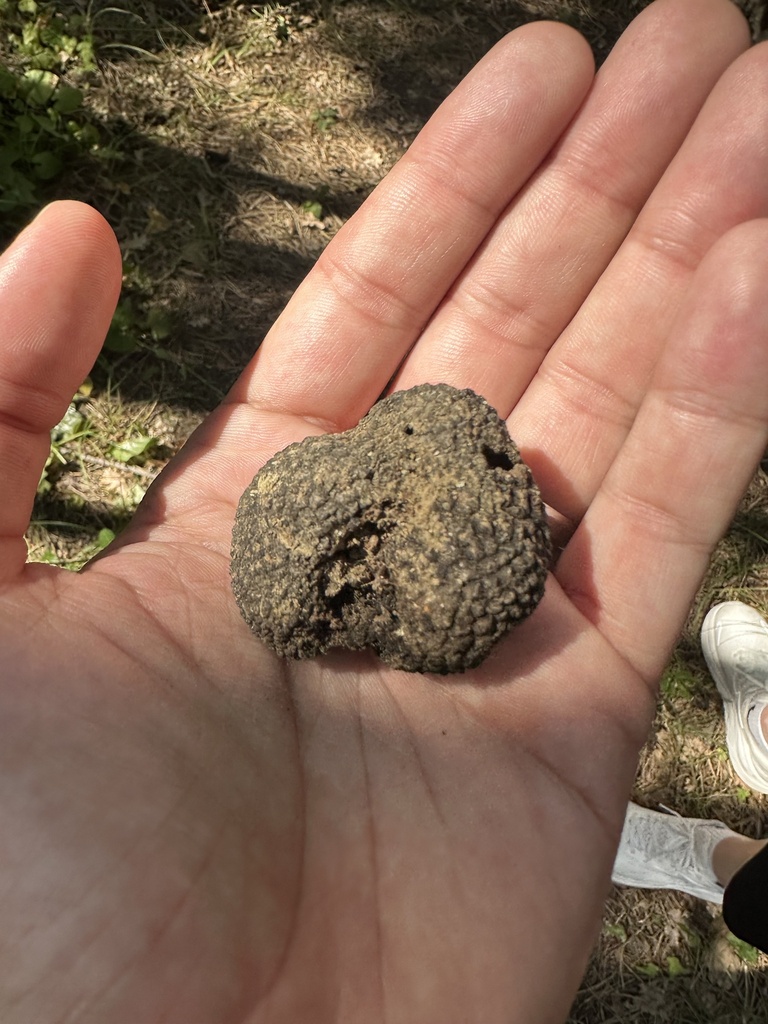
Tuber magnatum, the white truffle, is a subterranean fungus prized for its distinctive appearance and intense aroma. It fruits in autumn, producing rounded, irregularly lobed fruiting bodies that typically remain small, though specimens can occasionally reach up to 12 centimetres in diameter and weigh as much as 500 grams—far larger than the average find.
Appearance and Texture
The surface of the white truffle is pale cream or light tan, often with a slightly bumpy, warty texture. When cut open, the flesh reveals the hallmark feature that distinguishes it from other truffle species: distinctive white marbling running through a pale cream or brown interior. This patterning is not uniform; the density and extent of white veining varies between individual specimens. The creamy, almost marble-like cross-section is immediately recognisable to experienced truffle hunters and connoisseurs.
Most white truffles encountered in practice are considerably smaller than the maximum recorded size, typically ranging from marble-sized to walnut-sized specimens. This modest scale, combined with their pale colouration and subterranean habit, makes them challenging to locate without trained dogs or pigs—tools traditionally employed to detect them by scent alone. The truffle develops underground in association with specific tree species, remaining completely hidden until harvest.
Distribution and Habitat
Tuber magnatum, the white truffle, is primarily distributed across central Europe, with the highest concentration of records in Italy. GBIF records show Italy dominates reported occurrences with 83 documented cases, followed by Canada (26), Germany (20), Serbia (18), and Slovenia (14). The species has been recorded across 14 countries total, including Croatia, Switzerland, the United States, Great Britain, and the Czech Republic, though these peripheral records are far less frequent.
The white truffle occurs at moderate elevations between 157 and 490 metres, with an average altitude of 372 metres. This relatively narrow elevational range reflects its preference for lowland to submontane zones where suitable host trees and soil conditions align. The species demonstrates strong seasonality, with peak occurrence in October according to GBIF data. Presence records cluster in the autumn months (September through November), with additional activity in late spring and early summer (June and July), suggesting either two phenological periods or variation in fruiting timing across its range.
The sporadic records from North America, particularly Canada, and isolated European locations suggest either recent range expansion, active cultivation efforts, or occasional naturalization in favorable microsites. However, the dramatic concentration in Italy and neighbouring Alpine countries indicates that Mediterranean and temperate Central European conditions remain optimal for Tuber magnatum establishment and persistence.
Ecology and Lifecycle
Lifecycle
Tuber magnatum begins its lifecycle as fungal spores that germinate in soil, establishing a mycelial network through organic matter and mineral soil. The mycelium develops a mycorrhizal relationship with host trees—primarily oak, hazel, poplar, and beech—penetrating their root systems to form a mutualistic partnership. The fungus receives carbohydrates from the tree’s photosynthesis while enhancing the tree’s nutrient and water uptake through its extensive hyphal network.
Fruiting bodies develop underground during autumn and winter, typically from September through December in the Northern Hemisphere. Favorable conditions—adequate soil moisture, stable temperatures between 10–15 °C, and specific pH levels—trigger the initiation of truffle formation. The subterranean fruiting body matures within 2–3 months, developing its characteristic pale cream to white color and marble-like veining. Spore dispersal relies entirely on mammals, particularly wild boar and deer, which excavate and consume the truffles, dispersing spores through their feces across new territory.
Ecological Role
Tuber magnatum functions as a mycorrhizal fungus, establishing symbiotic relationships essential to woodland health. The species enhances nutrient cycling by improving phosphorus and nitrogen availability to host trees, particularly in nutrient-poor soils common to truffle-producing regions. Its mycelial network stabilizes soil structure and increases water retention, benefiting the entire forest ecosystem.
The fruiting bodies support wildlife populations throughout the autumn and winter months. Boar, deer, fox, and badger actively forage for truffles, using their sense of smell to locate them up to 10 metres away. This relationship creates a critical food source during lean seasons and drives the geographic spread of truffle-producing mycorrhizal networks across continents.
Uses
White truffles rank among the world’s most prized culinary ingredients, commanding prices exceeding €2,000 per kilogram in global markets. The intense aromatic compounds—including dimethyl sulfide and other volatile organic compounds—deliver an earthy, garlicky, complex flavor that intensifies when raw or lightly heated. Chefs across Michelin-starred restaurants shave thin slivers over risottos, pasta, eggs, and simple proteins to provide umami depth and olfactory impact to finished dishes.
In traditional European medicine, white truffles have been credited with aphrodisiac and digestive properties, though these claims lack scientific validation. Contemporary culinary culture treats white truffles as a luxury status symbol, with annual auctions in Alba, Italy, and other European locations generating global demand. Sustainable wild harvesting remains limited and geographically restricted, while cultivation efforts in controlled truffle orchards have achieved moderate success in expanding supply beyond wild populations.
Conservation and Threats
Tuber magnatum, the white truffle, has not been formally assessed by the IUCN Red List, leaving its official conservation status undetermined. However, the species faces significant ecological pressures in its native range, particularly across northern Italy and parts of southeastern Europe, where populations have declined substantially over recent decades. The absence of a formal Red List classification does not indicate the species is secure; rather, it reflects the challenges of assessing fungi populations that are difficult to census and economically valuable in ways that complicate conservation planning.
Threats
The primary threat to white truffles is habitat loss and degradation. The species depends on specific woodland ecosystems—particularly old-growth oak and hazel forests with particular soil chemistry and mycorrhizal plant associations—that have been cleared, fragmented, or converted to agricultural land across Europe. Climate change compounds this pressure; shifts in temperature and precipitation patterns disrupt the delicate fruiting conditions and underground mycelial networks that T. magnatum requires. Additionally, unsustainable harvesting practices pose a direct threat. Overzealous truffle hunters using dogs and pigs can damage the mycelial mat and surrounding vegetation, degrading truffle grounds for years. Soil compaction and indiscriminate excavation destroy the fine root systems of host plants and disrupt the fungus’s life cycle.
Pollution represents a secondary but growing concern. Heavy metals, pesticide residues, and nutrient runoff from surrounding agricultural lands contaminate truffle habitats and may inhibit fungal growth or accumulate in fruiting bodies. Some natural populations have become difficult to access or are located on private land where conservation priorities conflict with economic incentives to harvest every available truffle.
Conservation Efforts
Several European regions have implemented legal protections for white truffles and their habitats. Italy, the primary range state, has designated protected truffle grounds and restricted harvest seasons and methods in some areas. Regulations requiring the use of dogs (rather than damaging mechanical tools) and limiting the number of harvesters per site aim to reduce ecological impact. Scientific initiatives have begun documenting truffle distribution, studying optimal habitat conditions, and exploring cultivation techniques to reduce pressure on wild populations. However, enforcement remains inconsistent, and cross-border coordination is limited.
Fun Facts
- White truffles are found primarily in Italy, but their range extends across Southern Europe and surprisingly into Thailand, making them one of the few fungi with such geographically scattered populations.
- Unlike most fungi visible above ground, Tuber magnatum fruits entirely underground, forming golf-ball to walnut-sized fruiting bodies that must be hunted with trained dogs or pigs to be located.
- White truffles produce a pungent aromatic profile that intensifies after harvest, releasing volatile compounds that can fill a room—their smell is so distinctive that a single gram can flavor an entire dish.
- The symbiotic relationship between white truffles and tree roots is so specific that they fruit almost exclusively near oak, hazel, and poplar trees in their native habitats, making cultivation notoriously difficult.
- A single white truffle can command prices exceeding €1,000 per kilogram at auction, making it the most expensive fungus in the world by weight, rivaling or surpassing the cost of precious metals.
- White truffles have an extremely short fruiting season, appearing only from September to December in the Northern Hemisphere, which intensifies their scarcity and cultural significance in autumn cuisine.
- The genetic diversity of wild white truffles is declining due to habitat loss and climate change, yet mycologists have had limited success in commercial cultivation despite decades of research into their complex life cycle.
Photo Gallery
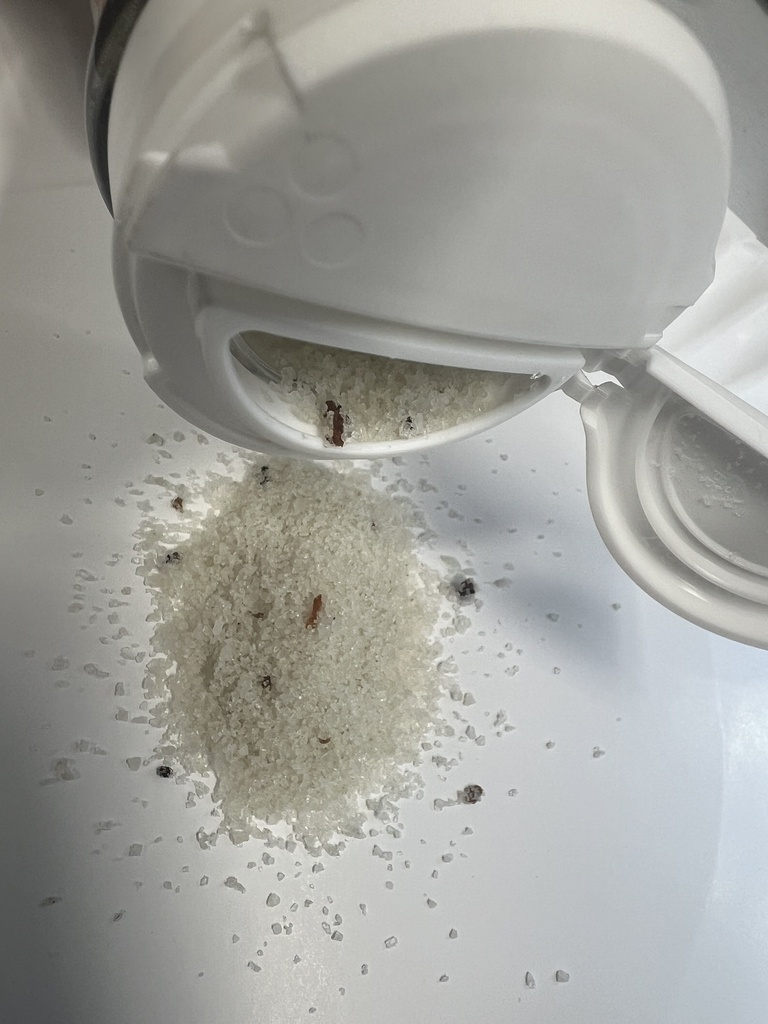
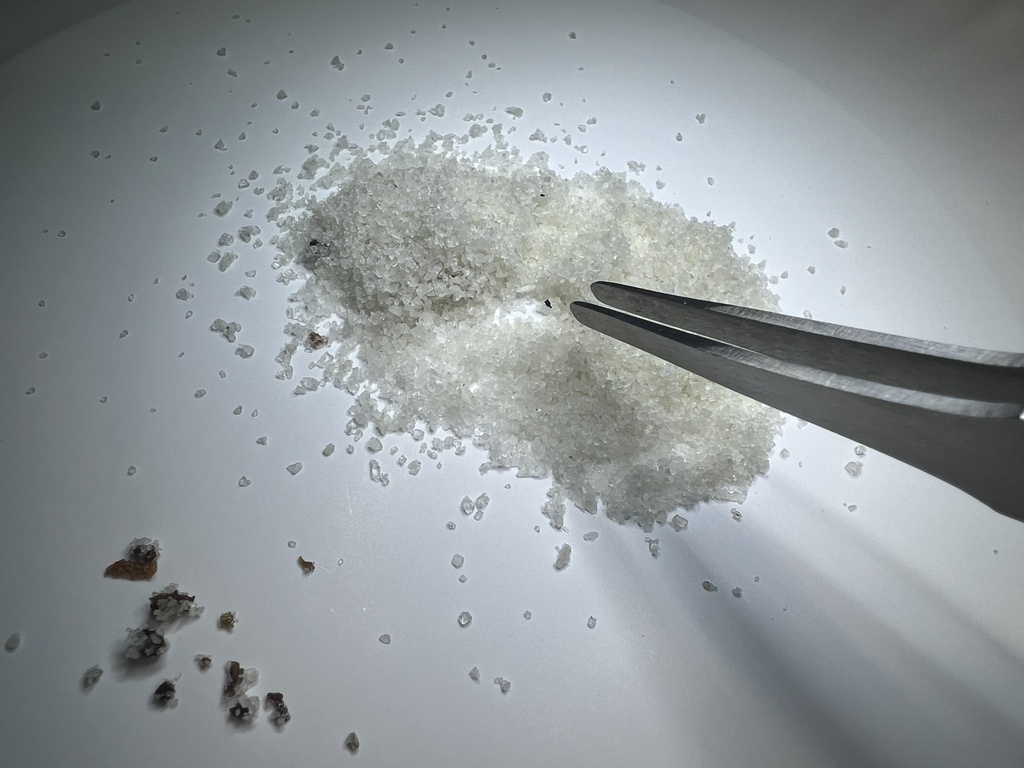
Brian C. Hunt · CC BY 4.0
Related Species
Was this profile helpful?