
Pezizomycetes · Pezizales
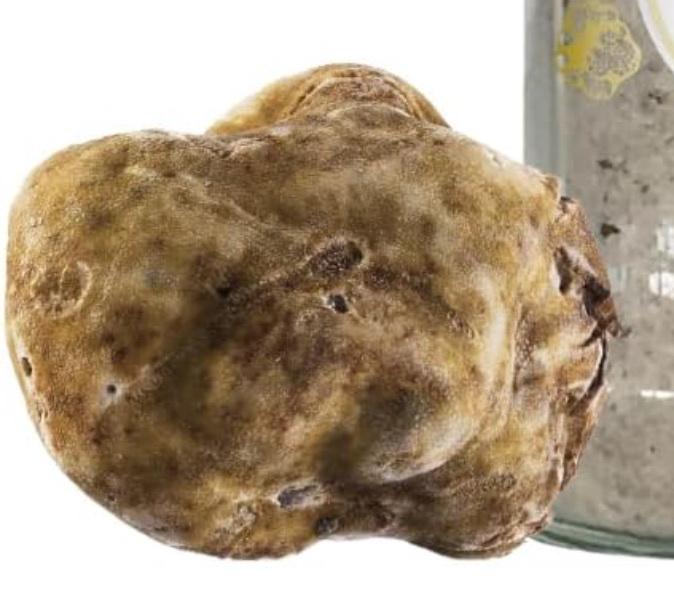
Summer Truffle
Tuber aestivum
© Tim · iNaturalist · CC BY 4.0
Scientific Classification & Quick Facts
Classification
Known For
Detailed measurements for this species are still being verified.
The summer truffle, Tuber aestivum, is a hypogeous fungus—one that fruits entirely underground—prized by chefs and foragers across Europe and beyond. Unlike its winter cousin, this truffle emerges during warmer months, thriving in the soil beneath oak, hazel, and beech trees where it forms a symbiotic partnership with tree roots. Found across 24 countries, it represents one of the most economically valuable wild fungi in temperate forests, commanding high prices in markets from France to Italy to central Europe.
With a conservation status currently listed as unknown, Tuber aestivum occupies a curious position in global fungal biodiversity. Its economic value has driven centuries of cultivation and wild harvesting, yet surprisingly little is known about population trends or ecological thresholds. This knowledge gap, combined with its dependence on specific forest conditions and mycorrhizal tree partners, makes understanding the ecology and sustainability of summer truffle harvesting both urgent and fascinating.
Identification and Appearance
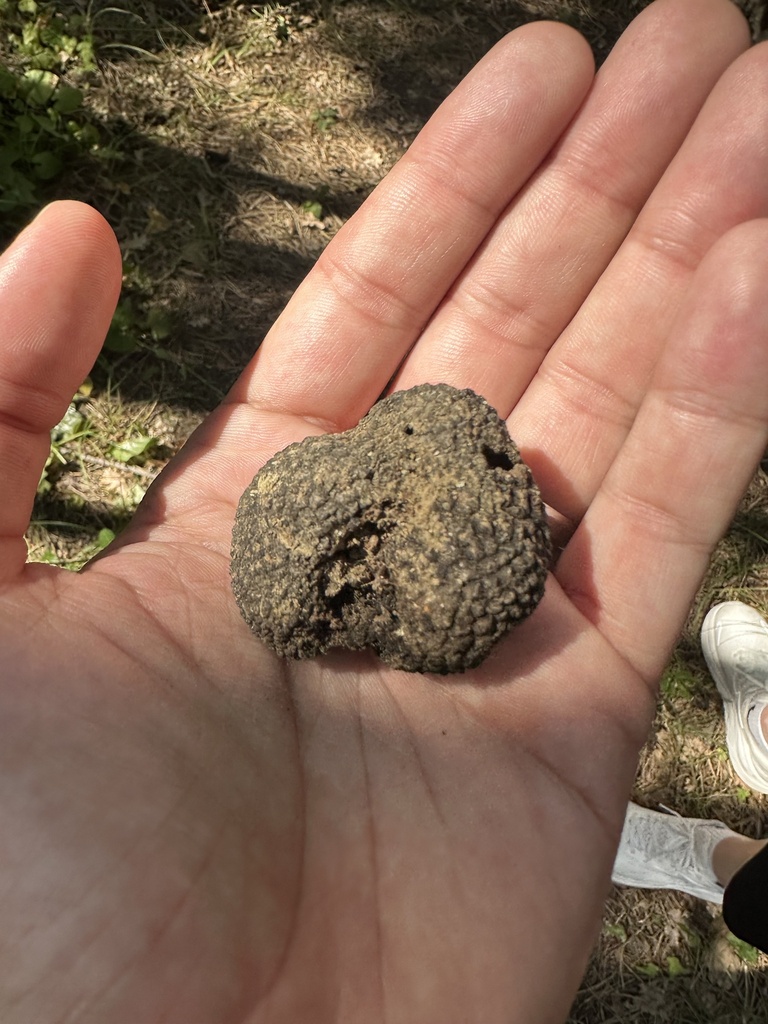
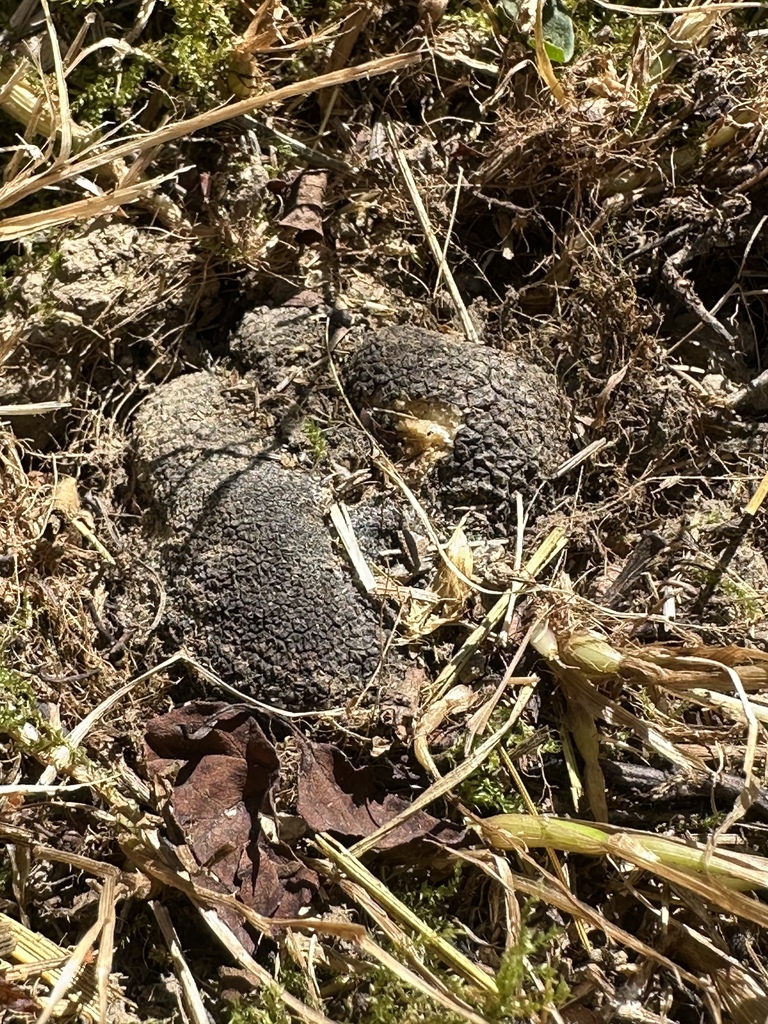
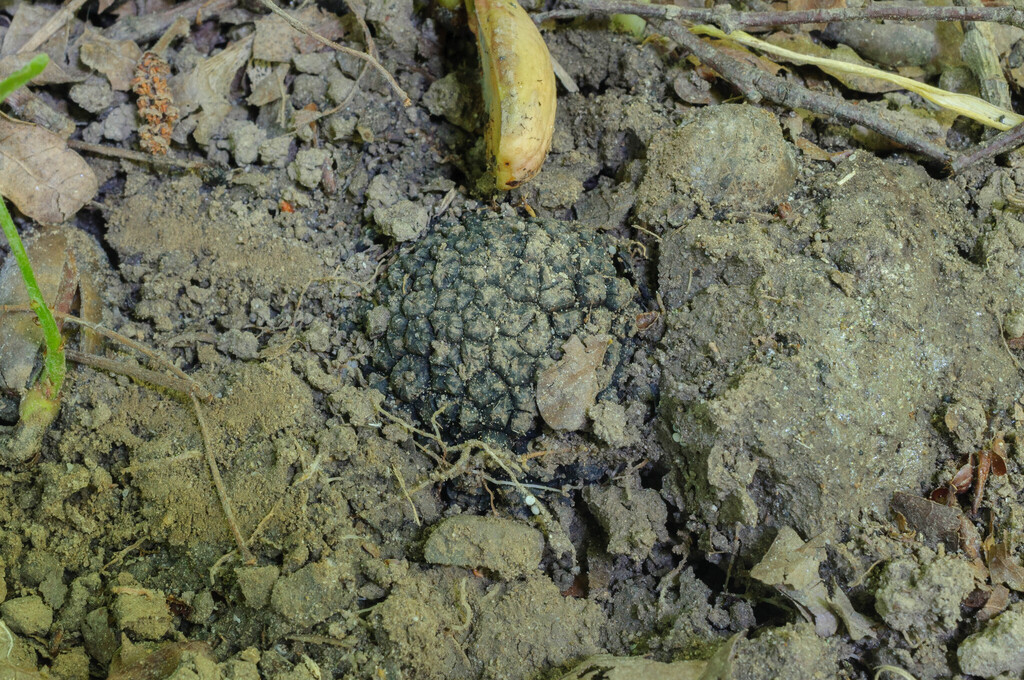
Tuber aestivum, the Summer Truffle, is a hypogeous fungus (fruiting body produced entirely underground) with a distinctive appearance that allows differentiation from closely related species. The ascocarp—the visible fruiting structure—ranges from 2 to 10 centimetres in diameter, making it a moderately sized truffle. Its outer skin, or peridium, is dark brown to black and covered in pyramidal warts approximately 3 to 9 millimetres across, creating a texture resembling rough tree bark. This warty surface is one of the most reliable visual identification features in the field.
The interior flesh, or gleba, reveals the truffle’s maturity and quality. Summer truffles display a paler hazel coloration compared to their close relative, the Burgundy or Périgord truffle (Tufine melanosporum). This lighter internal tone is accompanied by a less intense aroma—a key distinction since the summer variety produces a subtler fragrance than the winter species, which possesses the characteristic hazelnut-like scent that defines premium truffles. The pale gleba may show a marbled or veined pattern as the truffle matures, though it remains distinctly lighter than darker winter varieties.
Distinguishing Tuber aestivum from Tuber melanosporum requires attention to both colour and odour. Summer truffles fruit earlier in the season (typically June to September), whereas Burgundy truffles appear from November to March. The combination of a paler interior, reduced aroma intensity, and earlier fruiting window provides reliable identification markers for foragers and mycologists.
Distribution and Habitat
Tuber aestivum, the summer truffle, has a wide but uneven distribution across Europe and Western Asia. GBIF records show it occurs in 24 countries, with the strongest representation in Italy (87 records), the United Kingdom (56), and Germany (49). Significant populations also appear in Iran (29), Spain (22), and France (12), indicating both Mediterranean and continental European affinity. Smaller populations exist in Sweden, Denmark, Greece, and Austria, though the species becomes increasingly rare toward northern latitudes.
Elevation spans from 10 metres in lowland regions to 1,928 metres in upland zones, with an average of 450.5 metres. This broad vertical range reflects the truffle’s ability to establish mycorrhizal relationships across varied ecosystems, from coastal woodlands to montane forests. Summer truffles fruit primarily in warm months, with peak activity in July (65 records). The fruiting season extends from May through October, with secondary peaks in October (29 records), indicating a prolonged reproductive window that capitalizes on warmer weather and adequate soil moisture.
Ecology and Lifecycle
Lifecycle
Tuber aestivum, the summer truffle, is an ascomycete fungus with a life cycle deeply intertwined with its tree hosts. The fungus exists primarily as mycelium—a network of threadlike filaments—colonizing the soil around the roots of hardwood trees, particularly oaks and hazels. This mycelial stage can persist for years, establishing a symbiotic relationship with its host.
Fruiting occurs between May and September, triggered by warm soil temperatures and adequate moisture. The fungus produces subterranean fruiting bodies (truffles) that develop over several months within the soil, never breaking the surface. These round, warty ascomata accumulate a dense network of spores within their interior chambers. Spore dispersal depends entirely on animals—primarily wild boar, deer, and small mammals—that smell the truffle’s distinctive aroma and excavate it to eat. The spores pass through the animal’s digestive system and are deposited in droppings far from the parent fungus, establishing new mycelial colonies in distant locations.
Ecological Role
Tuber aestivum functions as a mycorrhizal partner rather than a decomposer. The fungal mycelium wraps around and penetrates the fine roots of host trees, forming a mutualistic relationship: the truffle receives carbohydrates from the tree’s photosynthesis, while providing the tree with enhanced nutrient and water uptake through its extensive mycelial network. This partnership is particularly valuable in nutrient-poor soils where truffles are common.
The species also plays a crucial role in woodland food webs. Its fruiting bodies represent a calorie-rich food source for wildlife, especially during late summer and early autumn. The dependence of boar and deer on truffles creates a trophic link between subterranean fungi and surface herbivores, making summer truffles integral to forest ecosystem dynamics across Europe.
Uses
Summer truffles are highly valued in Mediterranean and European cuisine. Their earthy, nutty flavor makes them a prized ingredient in risottos, pasta dishes, and sauces. Unlike their rarer winter counterparts, summer truffles are more abundant and affordable, making them accessible to a wider market. Fresh truffles are typically shaved thinly over finished dishes to maximize their aromatic impact, though they are also preserved as pastes, oils, and freeze-dried products for year-round use.
Beyond the kitchen, summer truffles have become the focus of commercial cultivation. Growers inoculate tree seedlings with truffle spores before planting in suitable terrain, creating truffle orchards that can produce fruit within five to eight years. This cultivation industry generates significant income in truffle-producing regions of France, Spain, Italy, and central Europe. Research into truffle cultivation continues to refine techniques and expand productive capacity, though the unpredictability of fruiting keeps truffle farming partially dependent on natural environmental conditions.
Conservation and Threats
Tuber aestivum, the summer truffle, has not been formally assessed by the IUCN Red List, so its official conservation status remains undesignated. This absence of formal evaluation reflects the limited data available on global population numbers and population trends for this fungal species. However, the lack of an IUCN designation does not indicate that the species is abundant or secure—many fungi lack comprehensive monitoring programmes, making their true conservation status difficult to determine.
Threats
Summer truffles face several pressures from human activity and environmental change. Habitat loss and degradation in temperate woodlands, particularly the removal of oak and hazel trees that host truffle fruiting bodies, directly reduce available growing sites. Soil disturbance from agricultural intensification, construction, and logging can damage the underground mycelial networks essential for truffle development. Climate fluctuations, including altered precipitation patterns and temperature extremes, may affect both the fungus and its host trees, though specific impacts on Tuber aestivum remain poorly documented.
Overharvesting poses an additional threat in regions where summer truffles command high commercial value. Unsustainable collection methods—particularly the use of pigs and untrained dogs that can damage the forest floor—deplete local populations. Furthermore, pollution and soil acidification from industrial sources degrade the chemical conditions needed for truffle production.
Conservation Efforts
Legal protections for summer truffles vary by region. Several European countries, including France and Spain, have implemented harvesting regulations and licensing systems to manage collection pressure. Protected woodland areas and the designation of certain forests as truffle reserves help maintain suitable habitat. Some regions promote truffle cultivation in managed orchards, which can reduce pressure on wild populations while potentially establishing new populations in suitable areas.
Cultural Significance
The summer truffle has occupied a modest but valued place in European gastronomy for centuries, particularly in Mediterranean and Central European culinary traditions. Unlike its more celebrated winter cousin Tuber melanosporum, the summer truffle commands lower market prices and features less prominently in haute cuisine, yet it remains a prized ingredient for cooks seeking affordable truffle flavor. Its culinary use spans from Italian risottos and pasta dishes to French sauces, where its earthy, subtle aroma enhances rather than dominates.
Beyond the kitchen, Tuber aestivum has shaped rural economies and cultural practices across truffle-producing regions. In areas of France, Italy, Spain, and Eastern Europe, truffle hunting—conducted with trained dogs or pigs—represents a traditional livelihood and a social custom passed through generations. The summer truffle’s relatively abundant fruiting compared to rarer species has made it accessible to smallholder foragers, contributing to local identity and seasonal celebration. However, documented cultural narratives, folklore associations, or symbolic meanings specific to this species remain limited in available sources, suggesting its cultural significance is primarily economic and culinary rather than mythological or ceremonial.
Fun Facts
- Summer truffles fruit in the warmest months when most fungi go dormant, making them one of the few truffle species active during peak summer heat. This counterintuitive timing allows them to avoid competition from other fungal fruiting bodies.
- Their subterranean growth means they rely entirely on animals to disperse their spores—foxes, boars, and badgers dig them up and consume them, spreading spores through their droppings across forest floors. Without these animal partners, the truffle cannot reproduce.
- Summer truffles form symbiotic relationships with oak, hazel, and beech trees, receiving sugars from photosynthesis in exchange for enhanced water and nutrient uptake through the tree’s roots. This partnership is so intimate that truffles cannot fruit without their host tree present.
- The distinctive dark, warty exterior of summer truffles develops as they mature underground, and the pale interior marbling becomes more intricate over time—a maturity indicator that truffle hunters and chefs use to assess quality. Immature specimens are pale throughout and virtually worthless commercially.
- Unlike their winter cousins, summer truffles have a milder, nuttier aroma and earthier flavor profile, making them more versatile in cooking. They are significantly cheaper than black winter truffles, yet remain prized in Mediterranean cuisine.
- Truffle hunting in southern Europe is so culturally embedded that trained dogs have become essential tools, with some individuals commanding prices comparable to pedigree show dogs. A single well-trained truffle dog can locate buried fruits from up to one metre away.
- Climate change is shifting summer truffle fruiting patterns northward and earlier in the season, with some regions reporting altered fruiting depths and reduced yields—making them an unexpected indicator species for monitoring ecosystem health.
Ecology
Edibility
Photo Gallery
Tim · CC BY 4.0
Related Species
Was this profile helpful?