
Magnoliopsida · Asterales
Dandelion
Taraxacum officinale
Also known as: Blowball, Common Dandelion, Common Dandelion, Blow Ball, Faceclock, Common dandelion, Blow ball, Faceclock, Faceclock
© no rights reserved · iNaturalist · CC0 1.0
Scientific Classification & Quick Facts
Classification
Known For
Detailed measurements for this species are still being verified.
The dandelion is one of the world’s most recognizable yet underestimated plants. Found across at least 25 countries on multiple continents, Taraxacum officinale thrives in disturbed soils, meadows, and urban cracks with a resilience that has made it both celebrated and reviled in equal measure. Despite its ubiquity, this member of the Asteraceae family represents a masterclass in survival and adaptation—one that blurs the line between weed and wonder.
Every part of the dandelion has been utilized by humans for thousands of years. Its leaves are packed with vitamins and minerals, its roots have been brewed into traditional medicines, and its flowers ferment into wine. The plant’s conservation status remains unknown, reflecting its common perception as an inexhaustible resource rather than a species requiring monitoring. Yet this apparent abundance masks a deeper ecological story: dandelions have become so successful at colonizing human-modified landscapes that they now dominate countless regions where native flora once grew.
What makes the dandelion truly remarkable is not merely its tenacity, but its ecological and cultural significance. It feeds pollinators when little else blooms, nourishes foragers and farmers alike, and has become a symbol of both botanical persistence and environmental change. Understanding this humble plant reveals much about how species adapt to, and transform, the modern world.
Identification and Appearance
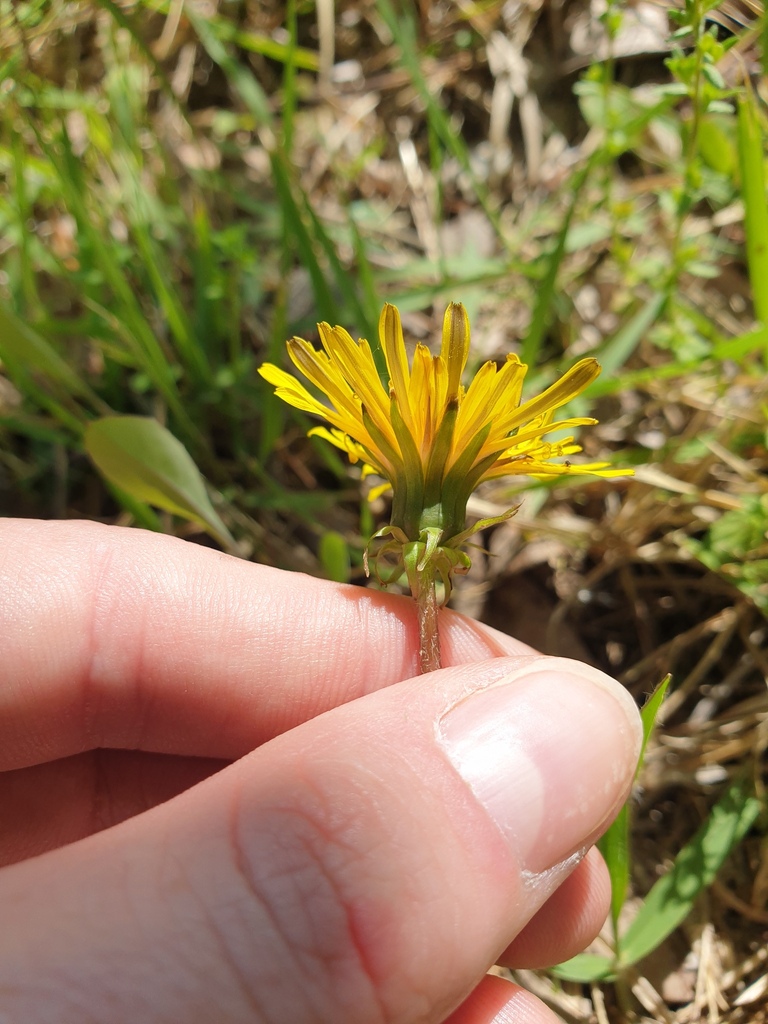
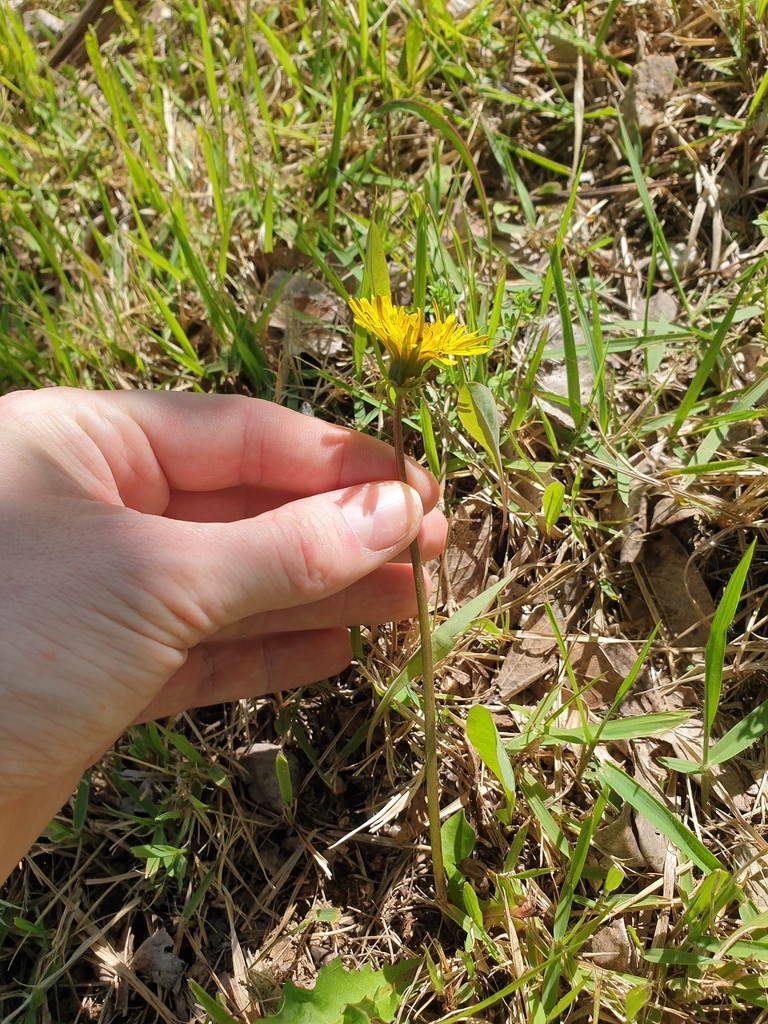
Taraxacum officinale is a herbaceous perennial that grows from a typically unbranched taproot system. The plant produces several hollow, leafless flower stems that are generally upright or lax in form. These stems typically reach 5–40 centimetres in height, though exceptional specimens can extend to 70 centimetres. The stems are often tinted purplish and support distinctive flower heads held at their tips.
Flowers and Seed Heads
The flower heads are among the most recognizable features of the species. They consist entirely of bright yellow florets arranged in a dense, flat-topped or slightly convex disc. Each flower head is roughly 2–5 centimetres in diameter. After pollination, the flowers mature into the characteristic spherical seed heads—commonly called “clocks” or “blowballs”—composed of numerous seeds (achenes) attached to fine, hair-like bristles called pappus. These feathery structures form a delicate, nearly spherical structure ideal for wind dispersal, collapsing to release seeds when touched or disturbed by air currents.
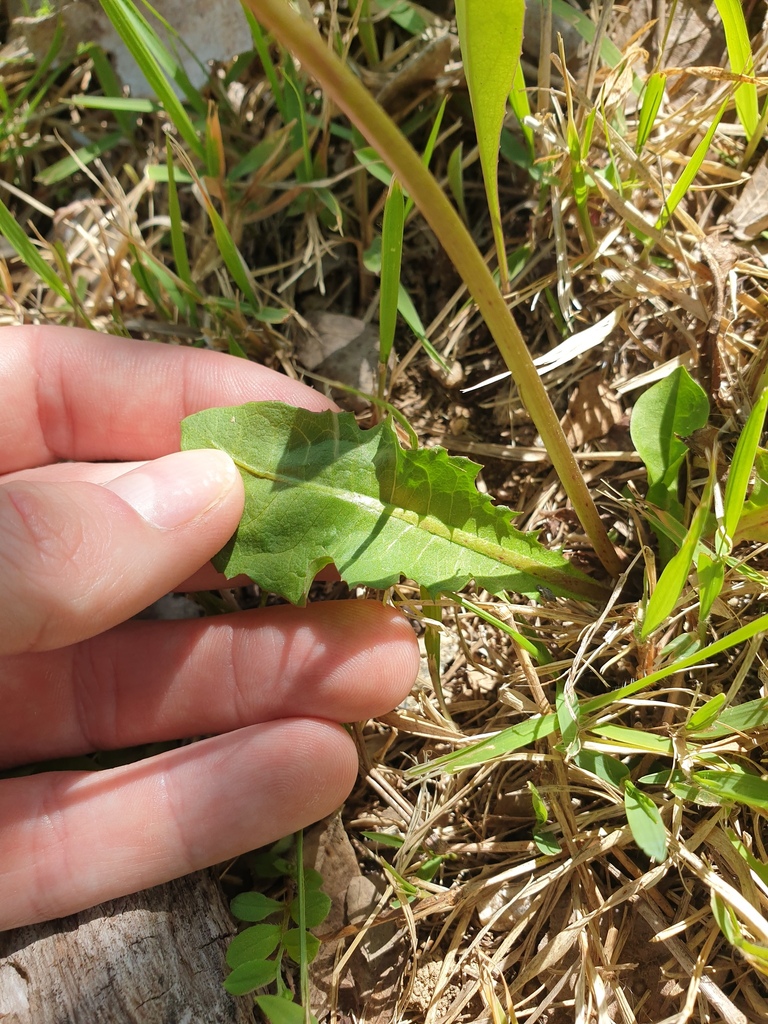
The leaves of Taraxacum officinale grow in a basal rosette at ground level and are deeply lobed or toothed, typically ranging from yellow-green to deep green depending on growing conditions. Leaf margins are irregular, and the leaf surface is smooth or slightly hairy. No sexual dimorphism is present in this species; male and female reproductive structures occur within the same flower head.
Distribution and Habitat
Taraxacum officinale has established a global presence across at least 25 countries, with particularly strong representation in temperate and subtropical regions. The United States leads in recorded observations (110 records), followed by the United Kingdom (55 records), Ecuador (36 records), the Netherlands (25 records), Mexico (15 records), and Germany (15 records). Smaller populations occur in Argentina, Canada, Spain, and Brazil, reflecting the species’ adaptability to diverse climates and human-modified landscapes.
The dandelion thrives in disturbed and cultivated habitats ranging from gardens and lawns to roadsides, pastures, and waste ground. Its ability to colonise a broad spectrum of ecological niches—from urban environments to agricultural land—underpins its cosmopolitan distribution. The species shows no strict elevation preference in available data, indicating tolerance across varying altitudes where suitable open-ground conditions exist.
Observations cluster heavily in January, suggesting this peak may reflect collection effort or flowering intensity in certain regions rather than year-round absence. The species maintains presence across multiple continents and climate zones, demonstrating remarkable phenological flexibility and capacity to integrate into human-dominated ecosystems worldwide.
Growth and Cultivation
Growth
Taraxacum officinale is a herbaceous perennial that forms a rosette of deeply lobed leaves emerging directly from the soil. The plant develops a long, fleshy taproot that can extend deep into the ground, allowing it to access water and nutrients in poor conditions. Mature plants typically reach 10–50 centimetres in height when flowering, though the rosette itself remains low and compact until the flowering stem elongates. This growth strategy makes dandelions highly persistent; the taproot regenerates readily if the plant is cut or partially removed.
Flowering
Dandelions produce bright yellow flowers borne singly on leafless stems that rise above the basal rosette. The flower head is composed of numerous small ray florets, creating a dense, cheerful disc. Flowering occurs over an extended period—typically spring through early summer in temperate regions, though plants may flower intermittently throughout the growing season in favorable conditions. After pollination, the flower develops into a distinctive spherical seedhead composed of many seeds, each equipped with a fine, hair-like pappus that catches the wind for dispersal. A single plant produces hundreds of seeds, facilitating rapid spread across disturbed ground.
Cultivation
Dandelions are among the easiest plants to grow, thriving in almost any soil type and pH range. They tolerate poor, compacted, or degraded soils where many other plants struggle. The species is extremely drought-tolerant once established, owing to its deep root system, and requires minimal water input. Full sun to partial shade both support healthy growth, though flowering is most prolific in sunlight.
No special fertilization or amendment is necessary; dandelions actively suppress weeds through vigorous growth and allelopathic compounds in their roots. The plant is frost-hardy and persists through winter in most temperate climates, regenerating from the root crown in spring. In gardens, dandelions can be managed by regular deadheading to prevent seed dispersal, or by removing plants when young to prevent taproot establishment. Where desired as a crop plant—for edible leaves, medicinal roots, or honey production—they need only adequate spacing and occasional watering during dry spells.
Conservation and Threats
Taraxacum officinale, the common dandelion, has not been formally assessed by the IUCN Red List. This absence of a conservation status reflects the species’ widespread distribution and robust population across multiple continents. The dandelion is not considered threatened and faces no imminent risk of extinction. Its population trend is increasing globally, driven by its ability to colonize disturbed habitats and adapt to human-modified landscapes.
Threats
Dandelions face minimal direct threats from human activity. Unlike many wild plants, they benefit from landscape disturbance rather than suffer from it. Broad-spectrum herbicide applications in agriculture and horticulture can reduce local populations, but these pressures are neither universal nor severe enough to threaten the species at a global scale. The dandelion’s remarkable capacity to regenerate from root fragments and produce copious wind-dispersed seeds allows it to recover rapidly from cultivation and chemical control efforts.
Conservation Efforts
Formal conservation programmes are not necessary for T. officinale, given its stable and expanding range. However, the species has gained cultural and nutritional recognition in recent decades, leading to increased foraging and cultivation as a food and medicinal plant. This growing interest serves as an informal conservation mechanism, as it encourages people to tolerate or actively preserve dandelion patches in gardens and natural areas rather than eradicate them.
Cultural Significance
Dandelions occupy a prominent place in the folklore and mythology of cultures worldwide. A Native American tale tells of a golden-haired girl who caught the eye of the South Wind, a deity too indolent to pursue her. By the time he recognized his lost opportunity, her hair had turned white with age. In the story, the South Wind’s mournful sigh scatters her white seed head across the land, spreading new golden-haired dandelions—a poignant explanation for the plant’s transformation and propagation.
The dandelion’s role in divination and practical uses extends across human societies. In folk tradition, blowing the ripe seed head serves as a method of foretelling fate, a practice still performed today. The plant yields practical materials beyond its symbolic value: yellow dyes can be extracted from the flowers, and the latex functions as an adhesive. These applications reflect how cultures have integrated the dandelion into both spiritual and material aspects of daily life.
Culinary and medicinal traditions surrounding the dandelion are deeply embedded in cultures across the globe. The entire plant—leaves, roots, and flowers—has been incorporated into folk remedies and traditional diets for centuries. These uses persist in contemporary herbalism and cuisine, where dandelion greens remain valued as a nutritious food and the plant continues to feature in various traditional medicine systems.
Fun Facts
Dandelions are far more than lawn weeds—they are engineering marvels of seed dispersal and culinary treasures that have fed humans for centuries. These members of the daisy family possess surprising biological adaptability and practical uses that extend well beyond their cheerful yellow flowers.
- A single dandelion flower head contains 50 to 300 individual florets, each capable of producing a seed without requiring pollination—a reproductive strategy called apomixis that ensures reliable offspring even in isolated locations.
- The iconic white seed balls, often called ‘clocks’ or ‘blowballs’, are mathematical masterpieces: their parachute-like structures, known as a pappus, are designed to catch even the gentlest breeze and carry seeds distances of over 5 kilometres.
- Every part of the dandelion is edible and nutritious—the leaves contain more vitamin A than carrots, the roots can be roasted as a coffee substitute, and the flowers ferment into wine or infuse into honey.
- Dandelions produce a milky sap that contains latex, the same compound used in rubber production, making them a historical focus for alternative rubber cultivation during wartime shortages.
- The plant’s taproot can extend 15 centimetres or deeper into soil, allowing it to access water and nutrients far below the surface and making it nearly impossible to eradicate by hand-pulling alone.
- Dandelions have served as a natural dye source for centuries: their roots produce a rich purple pigment, while the flowers yield yellow, and careful processing of the leaves creates green hues.
- Urban dandelions are vital early-season food sources for pollinators such as bees and butterflies, providing nectar and pollen when few other plants are flowering in spring.
Ecology
Growing Conditions
Edibility
Photo Gallery
no rights reserved · CC0 1.0
Related Species
Was this profile helpful?