
Polypodiopsida · Polypodiales
Male Fern
Dryopteris filix-mas
Also known as: Common Male Fern, Male Woodfern, Male-fern, Malefern, Poisonous Fern
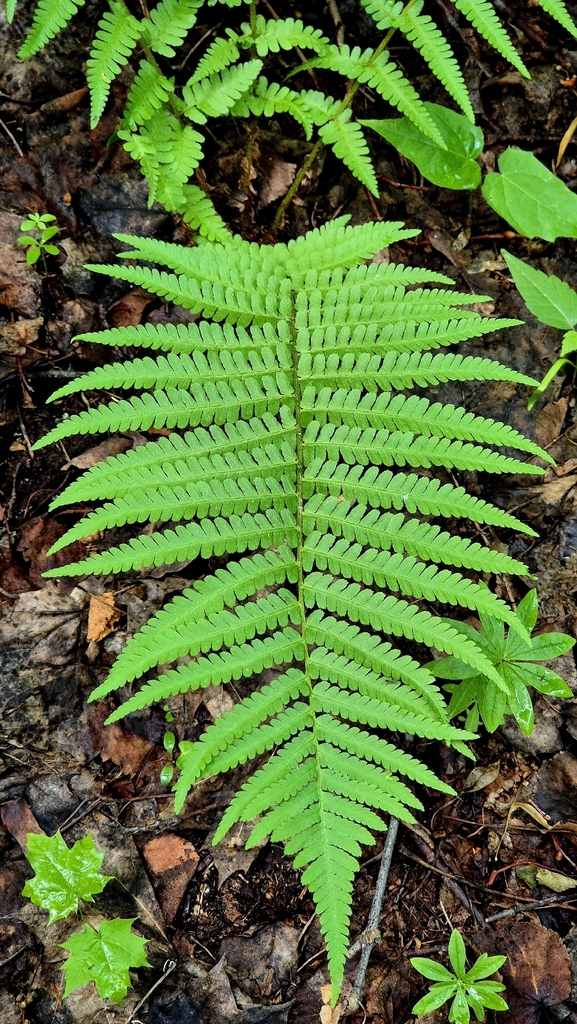
© Анна Митрошенкова · iNaturalist · CC BY 4.0
Scientific Classification & Quick Facts
Classification
Known For
Detailed measurements for this species are still being verified.
Dryopteris filix-mas, the Male Fern, is one of Europe’s most recognisable ferns, found in woodlands, hedgerows, and rocky slopes across temperate regions. Despite its common name, the distinction between “male” and “female” ferns reflects medieval misconceptions rather than any true sexual dimorphism—a naming quirk that has persisted for centuries. This hardy evergreen frond dominates shaded understoreys from the British Isles to the Mediterranean, and its range extends across at least 20 countries, making it one of the continent’s most widespread pteridophytes.
The Male Fern occupies a curious position in botanical history: neither rare nor remarkable in terms of range, yet culturally embedded in European naturalism and garden tradition. Its lacy fronds and robust constitution have made it a fixture in shaded cultivation, while its ecological role as a forest floor stabiliser and microhabitat provider underscores its importance in woodland health. Conservation status remains poorly assessed globally, but regional monitoring in Europe suggests stable populations—a quiet success story of a species that asks little and gives much to the ecosystems it inhabits.
Identification and Appearance
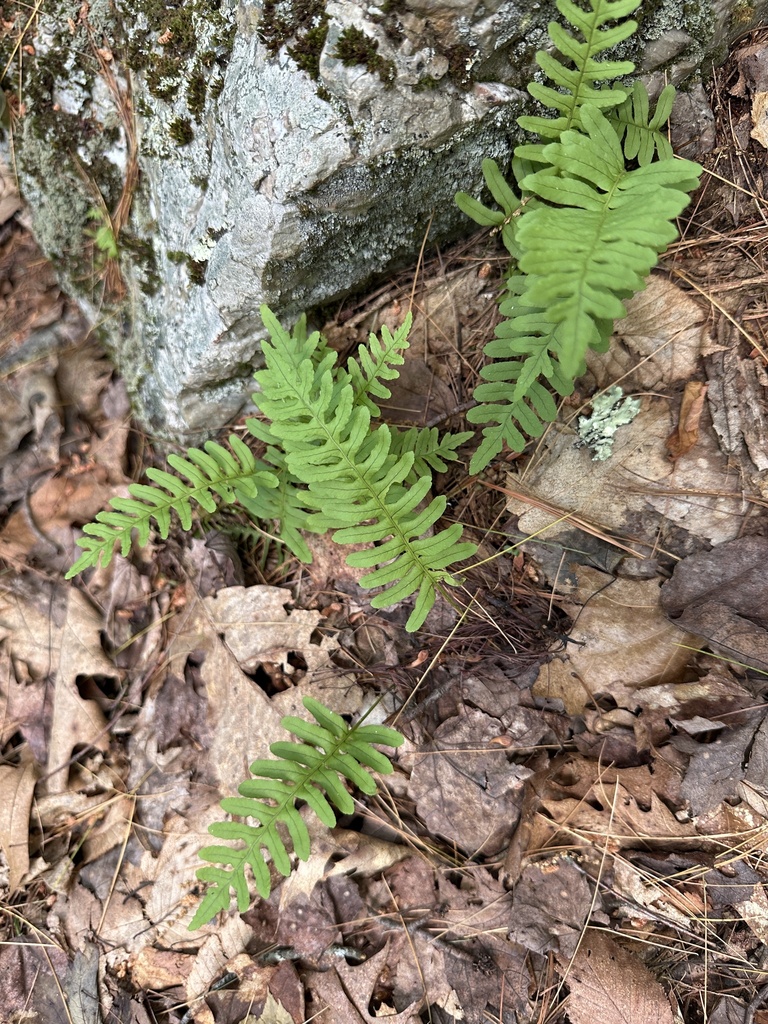
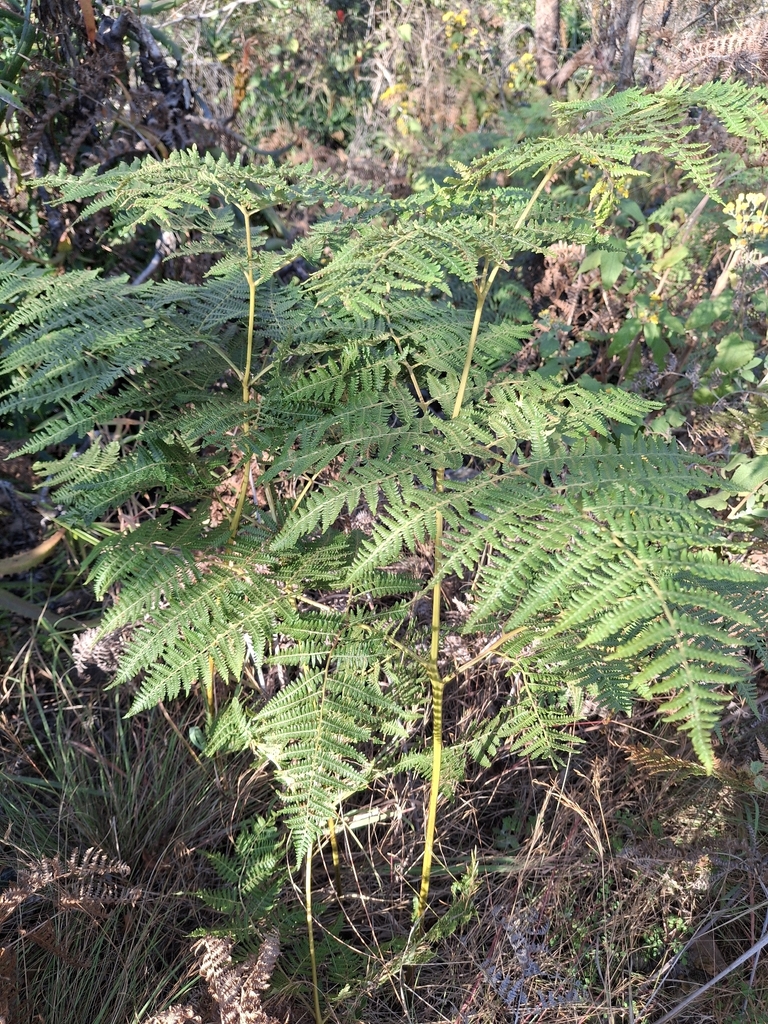
Dryopteris filix-mas is a robust semi-evergreen fern with upright fronds that can reach up to 150 centimetres in length. Each plant typically produces a single crown from its rootstock. The bipinnate leaves consist of 20–35 pinnae arranged on either side of the central rachis, with the fronds tapering gradually toward both ends. The basal pinnae are noticeably shorter—approximately half the length of the middle pinnae—creating a characteristic silhouette. The pinules, which are the smallest leaf segments, are blunt and lobed evenly around their margins.
Colour and Surface Features
The stalks are distinctive, covered densely with orange-brown scales that persist throughout the growing season. These scales are a key diagnostic feature when identifying the species in the field. The mature blade develops five or six sori (spore-producing structures) arranged in two rows on the underside of the fronds, which is typical of the Dryopteris genus.
Spore Release and Seasonal Pattern
Spore maturation occurs between August and November. As the spores ripen, the indusium—a protective membrane covering the developing spore sacs—begins to shrivel and curl back, allowing the mature spores to be dispersed. This seasonal pattern makes late summer and autumn an ideal time to collect spores or observe the reproductive structures in mature plants.
Distribution and Habitat
Dryopteris filix-mas has a wide distribution across temperate Europe and beyond, with documented presence in 20 countries. The Netherlands holds the highest concentration of records (144), followed by the United Kingdom (30), Germany (28), Sweden (20), Austria (16), and France (14). The species also occurs in New Zealand (12 records), suggesting naturalized populations outside its native range. Additional presence in Denmark, Italy, and the Czech Republic indicates continued adaptation to varied European climates.
Elevation records show this fern thrives between 518 and 822 metres, with an average elevation of around 641 metres. These measurements reflect typical lowland to submontane zones where cool, moist conditions persist. The species occurs across cool temperate regions with adequate moisture, particularly in woodlands, streamsides, and rocky slopes where shade and humidity favour fern growth.
Observation records display a strong seasonal pattern, with January recording 220 documented sightings—the peak month for species recording activity. February shows a substantial decline (80 records), while no observations were recorded from March through December. This pattern likely reflects sampling effort during winter dormancy rather than true seasonal absence, as Dryopteris filix-mas is a winter-active fern that remains visible when deciduous woodland canopy recedes.
Growth and Cultivation
Growth
Dryopteris filix-mas, commonly called Male Fern, is a deciduous to semi-evergreen fern that forms substantial clumps in woodland and shaded garden settings. The plant develops a robust crown from which fronds emerge in a classic shuttlecock arrangement, creating an upright, vase-like silhouette. Mature plants typically reach 0.6 to 1.2 metres in height, with fronds extending outward to create a dense mound of bipinnate foliage.
The pinnate fronds are deep green and finely textured, providing year-round architectural interest in temperate gardens. Growth rate varies with moisture and light conditions but is generally moderate; established plants gradually expand their crowns over successive seasons. New fronds unfurl from the crown in spring, displaying the characteristic fiddlehead form before opening into full fronds.
Flowering
Male Fern does not produce flowers or seeds. Instead, like all ferns, it reproduces via spores, which develop on the undersides of mature fronds in structures called sori. These spore-bearing structures mature over summer and autumn, appearing as russet-brown dots or lines arranged in regular patterns along the frond segments. Spore release typically occurs in late summer to early autumn, dispersing millions of microscopic spores into the surrounding environment where suitable conditions—high humidity and moisture—allow them to germinate and establish new ferns.
Cultivation
Male Fern thrives in cool, moist, shaded conditions and prefers soils rich in organic matter with good drainage. The plant is highly tolerant of shade and performs best in dappled woodland light or beneath tree canopies; full sun exposure often results in scorched or bleached fronds. It adapts to a wide pH range and is not fussy about soil chemistry, though neutral to slightly acidic soils are ideal.
Water consistently during the growing season (spring through early autumn), keeping the soil evenly moist but not waterlogged. In temperate climates, the plant is fully hardy and requires no winter protection; older fronds naturally deteriorate as new growth emerges in spring. Established plants are moderately drought-tolerant once settled in, though prolonged dryness causes frond tip browning and reduced vigor. Container cultivation is possible in large pots with high-quality peat-based or loam-enriched compost, provided regular watering is maintained during warm months.
Conservation and Threats
Dryopteris filix-mas, the Male Fern, has not been formally assessed by the International Union for Conservation of Nature (IUCN) and does not currently hold an official Red List status. This absence of formal assessment reflects the species’ widespread distribution and general abundance across its native range in Europe, western Asia, and North Africa. The lack of an IUCN designation does not indicate the species faces no challenges; rather, it suggests that populations are not currently considered at immediate risk of extinction across their entire range.
Threats
Direct threats to Dryopteris filix-mas remain poorly documented, and no comprehensive threat assessment has been published. The species’ broad habitat tolerance and presence in protected forest reserves across much of its range provide natural buffers against localized pressures. However, like many woodland ferns, it may be affected by habitat loss through deforestation, conversion of mixed deciduous woodlands to monoculture plantations, and alterations to forest microclimate caused by climate change. Excessive collection for the horticulture trade has been documented in some regions, though this does not appear to have substantially impacted wild populations.
Conservation Efforts
Male Fern benefits from its presence in numerous protected areas and nature reserves throughout Europe, where woodland ecosystems receive legal protection under national and international regulations. The species is listed under Appendix II of the Bern Convention on the Conservation of European Wildlife and Natural Habitats in certain European jurisdictions, affording it additional legal safeguards. Its occurrence in managed forests and semi-natural habitats also means that sustainable forestry practices—which maintain structural diversity and retain dead wood and shade—naturally support populations.
Population trends for Dryopteris filix-mas have not been systematically monitored at regional or continental scales, making it difficult to assess whether populations are stable, increasing, or declining. Targeted monitoring programmes in key woodland sites would help establish baseline data and detect any future changes in distribution or abundance.
Cultural Significance
Dryopteris filix-mas holds a distinctive place in Finnish industrial and pharmaceutical history. The plant is the official symbol of Nurmijärvi, a municipality in Uusimaa, Finland, chosen specifically because of its connection to the region’s pioneering pharmaceutical factory. This factory, founded by pharmacist Albin Koponen and operating from 1899 to 1964, represented Finland’s early entry into modern drug manufacturing.
The male fern’s rhizomes became a crucial raw material for producing two important medicines: Filisin and Filicon. These anthelmintic drugs were developed to treat infections caused by Diphyllobothrium latum (the fish tapeworm) and other cestode parasites. Local harvesters collected the rhizomes in Nurmijärvi throughout the early 20th century, with gatherings continuing into the 1960s as demand remained steady. Beyond human medicine, the preparations were also employed in veterinary practice to treat liver fluke infections in sheep across Finland, demonstrating the plant’s broader utility in animal health.
This medicinal and economic significance transformed the male fern from a common forest plant into a cultural emblem. Its selection as Nurmijärvi’s municipal symbol reflects the pride attached to local pharmaceutical innovation and the practical importance of traditional plant knowledge in establishing modern industries. The male fern thus represents an intersection of botanical resources, industrial development, and community identity in Finnish history.
Fun Facts
- The male fern reverses its typical habitat preference at the edge of its range—near its northern limits, it actually thrives in sunny, well-drained sites rather than the damp, shaded conditions it prefers throughout most of Europe.
- Despite being native to North America, Dryopteris filix-mas is far less abundant there than in Europe, making it a notably successful Old World invader on its home continent.
- This fern occupies a surprisingly diverse array of habitats, from hedge-banks and rocky outcrops to loose scree slopes, showing remarkable ecological flexibility compared to many other fern species.
- The common name “male fern” has puzzled botanists for centuries; the origin remains unclear, though some suggest it refers to the robust, upright growth habit compared to the supposedly more delicate “lady fern” (Athyrium filix-femina).
- Male fern fronds can persist well into winter in mild climates, providing green cover long after deciduous plants have shed their leaves.
- The fern’s rhizomes contain compounds historically used in traditional medicine, though their efficacy remains scientifically unverified and some preparations carry significant toxicity risks.
Ecology
Habitats
Growing Conditions
Photo Gallery
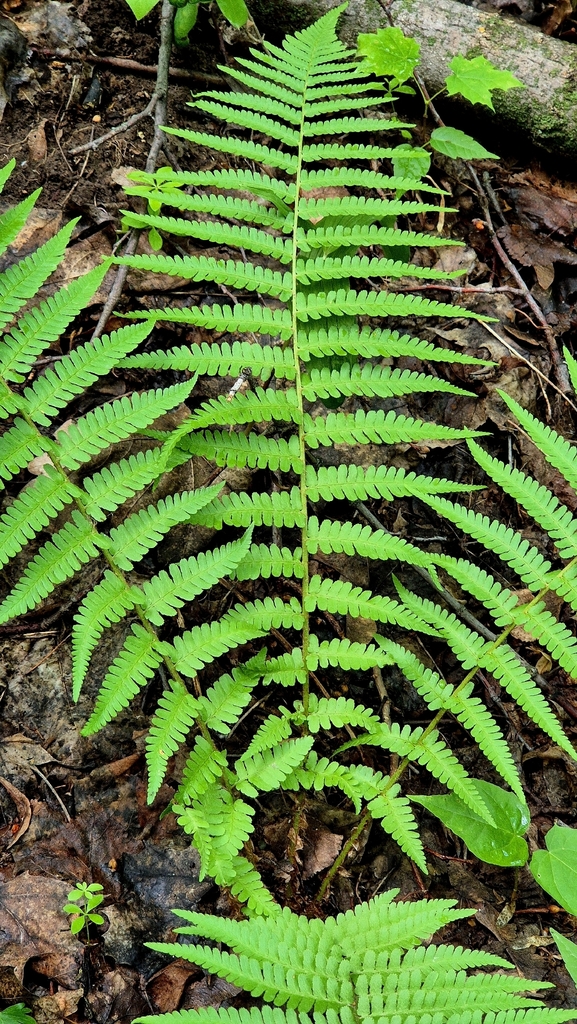
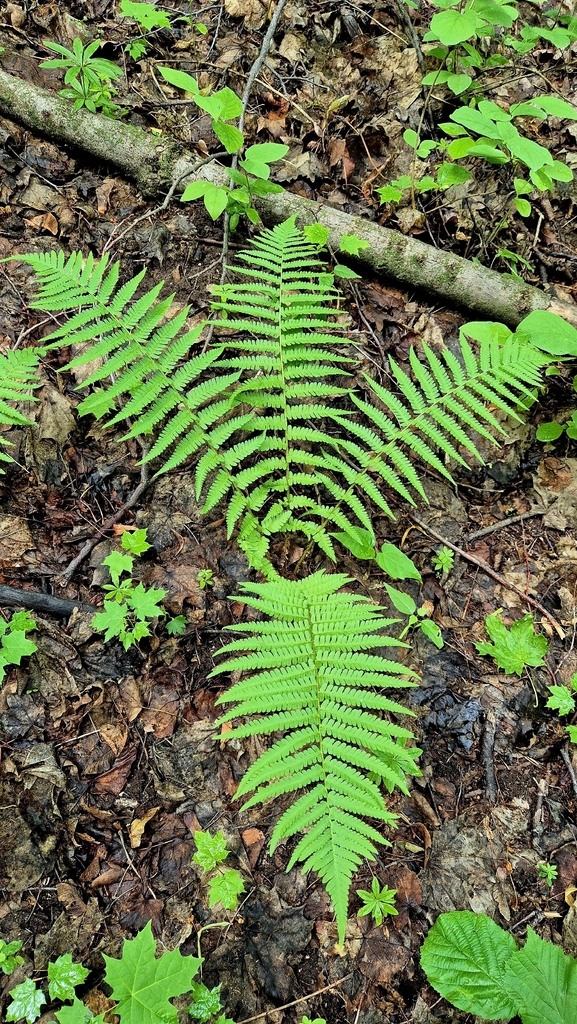
Анна Митрошенкова · CC BY 4.0
Related Species
Was this profile helpful?