
Pezizomycetes · Pezizales
Périgord Truffle
Tuber melanosporum
Also known as: Black Pu00e9rigord Truffle, Black Truffle
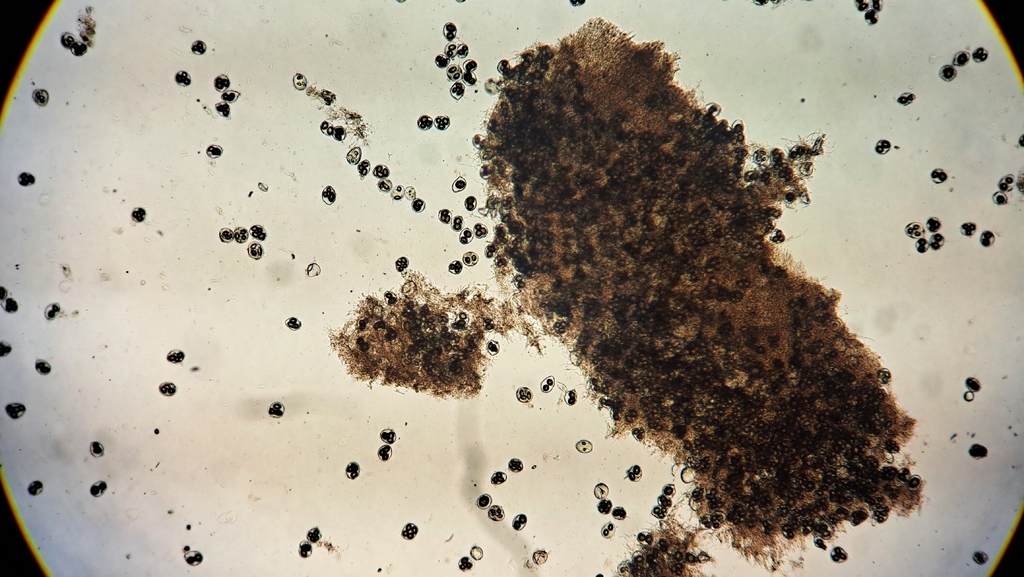
© no rights reserved · iNaturalist · CC0 1.0
Scientific Classification & Quick Facts
Classification
Known For
Detailed measurements for this species are still being verified.
Tuber melanosporum, the Périgord Truffle, is one of the world’s most prized fungi—a subterranean jewel that commands extraordinary prices in global markets and has captivated human palates for centuries. This black truffle, native to southwestern France and found across roughly 13 countries worldwide, produces a distinctive fruiting body buried beneath the soil, hidden from plain view until specially trained dogs or pigs unearth it. Its elusive nature, combined with its intense earthy aroma and umami-rich flavour, has made it the subject of intense cultivation efforts and culinary reverence.
The species’ conservation status remains unknown, reflecting the limited formal research into wild populations and the dominance of cultivated production in meeting global demand. Despite growing interest in sustainable truffle farming and habitat restoration, much about the ecology and population dynamics of Tuber melanosporum in its natural range remains poorly understood. What makes this fungus especially noteworthy is its paradoxical status: commercially valuable yet scientifically understudied, widely cultivated yet deeply dependent on complex ecological conditions that humans have only begun to understand.
Identification and Appearance
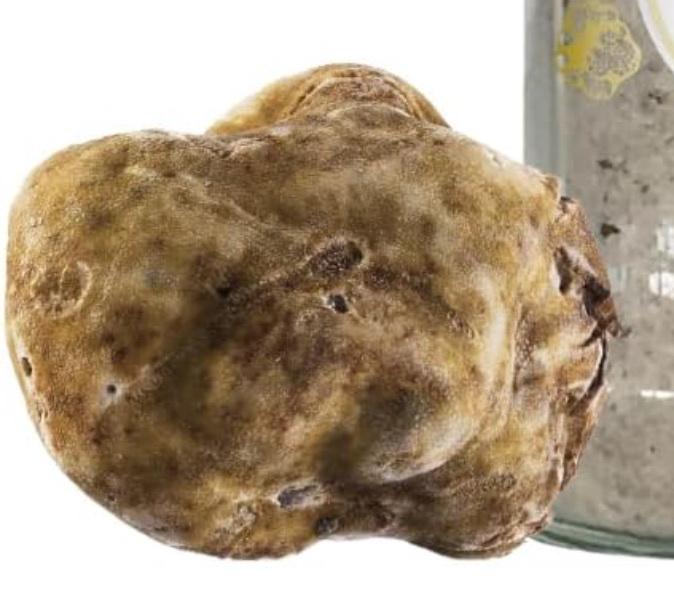
Tuber melanosporum, the Périgord Truffle, is a subterranean fungus that produces distinctive fruiting bodies called ascocarps. These dark, lumpy structures are highly valued in gastronomy and recognisable by their characteristic appearance and intense aroma.
Size and Colour
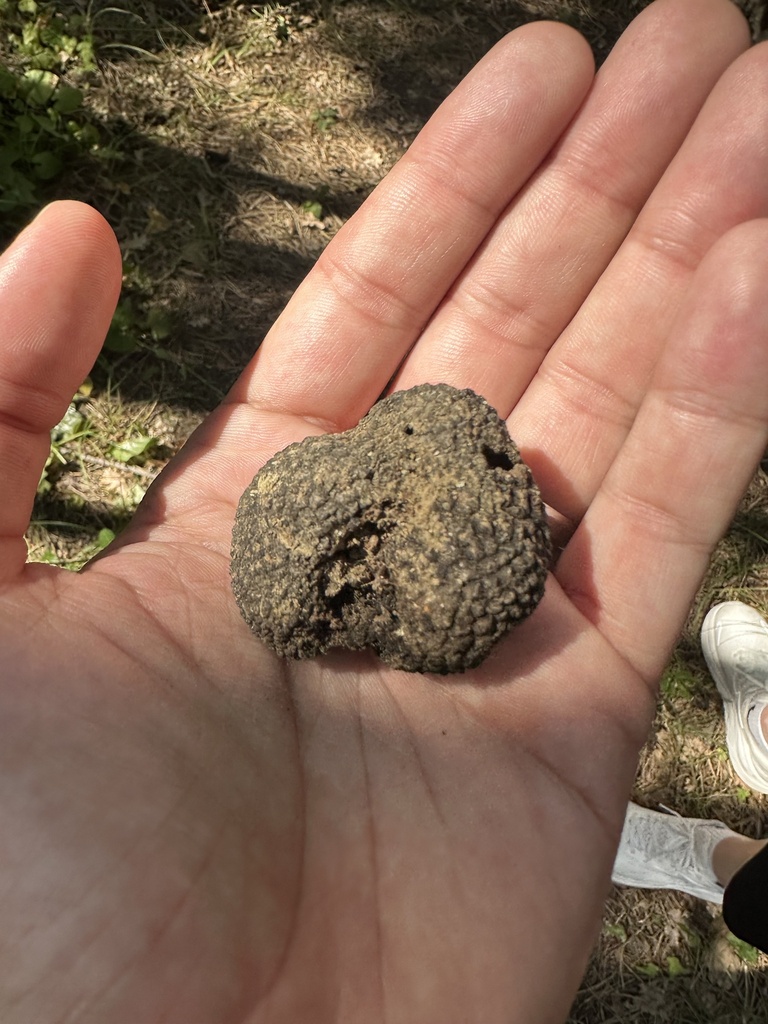
The fruiting bodies are roughly spherical and typically reach up to 10 centimetres in diameter, though exceptional specimens grow considerably larger. A black truffle discovered in Dordogne in 2012 weighed 1.277 kilograms, demonstrating the potential size variation within the species. The skin is dark brown to black, covered with small pyramidal cusps that give the surface a distinctive bumpy or warty texture.
Distinctive Features
The most striking characteristic of Tuber melanosporum is its powerful, complex aroma—pungent and earthy with subtle fruity notes. This scent is so distinctive that trained dogs and pigs are used to locate buried truffles in the field. Internally, the flesh develops a fine marbling of white or greyish veins against a darker background as the truffle matures, though the surface remains opaque black-brown. These fruiting bodies grow underground at an average elevation of approximately 508 metres, developing in association with the roots of specific host trees, particularly oaks and hazels, in temperate European regions.
Distribution and Habitat
Tuber melanosporum, the Périgord Truffle, is distributed across 13 countries, with a stronghold in western and southern Europe. France dominates the range, accounting for the vast majority of recorded occurrences, followed by Spain, which supports a significant secondary population. Australia, Italy, Slovenia, Switzerland, the United States, Germany, Croatia, and Sweden complete the known range, though occurrences in the latter regions are considerably rarer.
Elevation plays a defining role in the species’ distribution. Records span from 99 metres to 1,200 metres above sea level, with an average elevation of 508 metres. The truffle thrives at moderate altitudes, typically favouring upland regions that provide the cool, well-drained conditions it requires. Within these elevational bands, the species shows a preference for calcareous soils in association with oak and hazelnut hosts, though precise habitat specifications are not yet fully documented across all populations.
Seasonal Presence
The Périgord Truffle exhibits a pronounced winter fruiting pattern, peaking in February when approximately 30 recorded occurrences cluster around the peak season. A secondary surge occurs in December (27 records), with significant activity continuing through January (26 records) and into early spring. Summer months are virtually absent from the record, with July showing only a single occurrence; the species remains dormant or difficult to detect from May through October, making winter the critical window for foraging and ecological observation.
Ecology and Lifecycle
Lifecycle
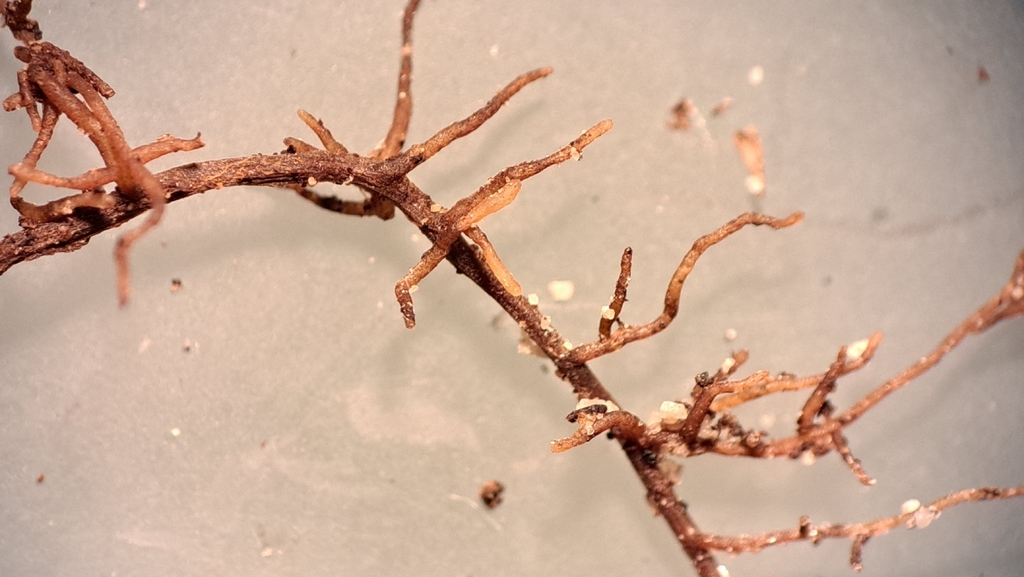
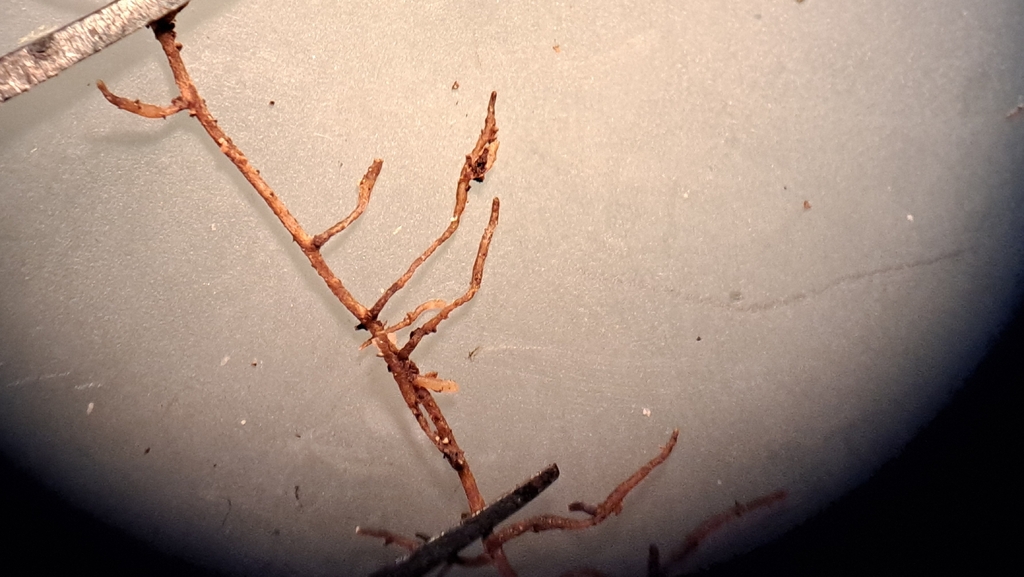
Tuber melanosporum begins its lifecycle as mycelium—fine fungal threads that colonize soil and integrate with host plant roots to form ectomycorrhizal associations. This symbiotic relationship is essential; the fungus cannot fruit without a compatible plant partner, typically holm oak, French oak, hazel, or cherry trees. The mycelium remains underground for several years before fruiting conditions align.
Fruiting bodies develop 5 to 50 centimetres below the soil surface in loose, calcareous soil. The truffles mature during winter months, with peak ripeness occurring from December to March in the Northern Hemisphere. Spore dispersal occurs when animals—primarily wild boar, foxes, and rodents—dig up and consume the fruiting bodies. The spores pass through the animal’s digestive system and are deposited in feces, potentially inoculating new soil and dispersing the fungus across landscapes.
Ecological Role
Tuber melanosporum functions as an ectomycorrhizal partner, forming a mutually beneficial relationship with its host trees. The fungus extends the absorptive surface of tree roots, enhancing nutrient and water uptake, while the tree provides photosynthetically derived sugars to fuel fungal growth. Research has demonstrated that this symbiosis improves photosynthesis and root development in holm oak saplings.
The presence of black truffles visibly alters the surrounding ecosystem. The fungus suppresses understory vegetation growth around its symbiont, creating distinctive “brûlé” zones—barren patches resembling burnt ground. These cleared areas reduce competition for nutrients and water, concentrating resources toward the truffle-oak partnership. This localized ecosystem engineering reflects the truffle’s dominance within its niche.
Uses
Tuber melanosporum is one of the world’s most prized culinary fungi, commanding exceptionally high prices in international markets. The fruiting bodies develop a dark, nearly black exterior with pale interior flesh veined with white, and possess a distinctive earthy, complex aroma. Chefs use black truffles sparingly—shaved over pasta, risotto, and eggs, or infused into oils and butter—to impart their concentrated umami flavour.
Cultivation of black truffles has become an agricultural practice in suitable climates, particularly in France, Spain, Italy, and Australia. Growers plant inoculated host tree saplings in calcareous soil and wait 5 to 10 years for the first viable fruiting. The high value and slow maturation make truffle farming economically significant in Mediterranean regions, where traditional truffiéres—managed truffle orchards—continue centuries-old harvesting traditions.
Conservation and Threats
Tuber melanosporum, the Périgord truffle, has not been formally assessed by the IUCN Red List. This absence of an official conservation status reflects the species’ complex relationship with human cultivation and wild populations, which makes standardized threat assessment challenging. The lack of global population data means that trends across its range remain poorly documented.
The Périgord truffle faces significant ecological pressures despite its economic value. Climate variability poses a direct threat to fruiting success, as the species requires specific soil moisture and temperature conditions to produce truffles. Habitat loss through agricultural intensification and urban expansion reduces wild populations in traditional fruiting regions across southern France, Spain, and Italy. Soil degradation, including compaction and contamination, further limits suitable growing conditions. Overharvesting in some areas has depleted natural truffle grounds, particularly where traditional knowledge of fruiting sites has been lost.
Threats and Ecological Challenges
Trufficulture—the cultivation of truffles in managed plantations—has created both conservation opportunities and risks. While farming reduces pressure on wild populations by providing a controlled supply, it can introduce competition from cultivated strains and may disrupt local mycological communities. Disease and pest outbreaks in truffle orchards occasionally spillover to adjacent wild ecosystems. The truffle’s dependence on specific host trees, particularly oak and hazel, means that changes in forest composition threaten its establishment.
Conservation Efforts and Legal Protections
In France, the Périgord truffle benefits from regional interest in traditional agroforestry systems that promote trufficulture alongside other land uses. Several European regions have established truffle cultivation zones with protective management. Spain and France maintain informal networks of truffle hunters and scientists who document wild populations and sustainable harvesting practices. However, no coordinated international conservation programme exists.
Cultural Significance
The Périgord truffle occupies a central place in European gastronomy, particularly in French cuisine where it has been prized for centuries. Its rarity, distinctive earthy aroma, and complex flavor profile have made it one of the world’s most expensive food products. The species is named after the Périgord region of southwestern France, where it has been harvested and celebrated as a cornerstone of regional culinary identity. Markets dedicated to truffle trading in cities like Périgueux have operated for generations, establishing traditions that persist today.
Beyond the kitchen, the Périgord truffle has influenced economic and social practices across truffle-producing regions. The cultivation and hunting of wild truffles has shaped rural livelihoods and land management strategies in France, Spain, Italy, and other Mediterranean areas. The species’ association with luxury and fine dining has embedded it deeply in European food culture, where it appears in high-end restaurants and festive meals as a marker of occasion and prestige. This cultural prominence has driven both scientific interest in truffle cultivation and international trade networks that extend the species’ influence far beyond its native habitat.
Fun Facts
- Tuber melanosporum commands prices between 1,000 and 2,000 euros per kilogram, making it one of the most expensive edible fungi in the world. This extreme cost reflects both its rarity and the labour-intensive methods required to locate and harvest it.
- The truffle produces an intense aroma compounds that trigger truffle-hunting dogs and pigs to locate fruiting bodies buried beneath the soil. Humans cannot easily detect truffles without these trained animals, since the fungus fruits entirely underground.
- Native to Southern Europe, Tuber melanosporum forms a symbiotic relationship with oak and hazel tree roots, receiving sugars from the host plant while helping the tree absorb water and minerals. Without this partnership, neither the truffle nor the tree can thrive.
- The black exterior of mature truffles develops through melanin accumulation, the same pigment that darkens human skin. This dark colouration distinguishes T. melanosporum from lighter truffle species and is crucial for identification.
- Truffle fruiting is highly unpredictable and depends on precise soil moisture, temperature, and pH conditions—a combination that occurs naturally in only a few regions, particularly in France’s Périgord region. Attempts to cultivate truffles commercially have succeeded in limited areas but remain difficult to scale.
- The fungus produces spores that survive passage through animal digestive systems, allowing wild boars and other mammals to disperse truffles across the landscape. This natural dispersal mechanism has shaped truffle ecology for millennia.
- Medieval European records describe truffle hunting as a prestigious activity reserved for nobility, and the fungus has maintained its status symbol for over 700 years. Renaissance banquets featured truffles as prized delicacies, a reputation that persists today.
Ecology
Edibility
Photo Gallery
no rights reserved · CC0 1.0
Related Species
Was this profile helpful?