
Mammalia · Cetacea
Humpback Whale
Megaptera novaeangliae
POUCO PREOCUPANTEAlso known as: Buckelwal, Bunch, Bunch Whale, Hump Whale, Humpback
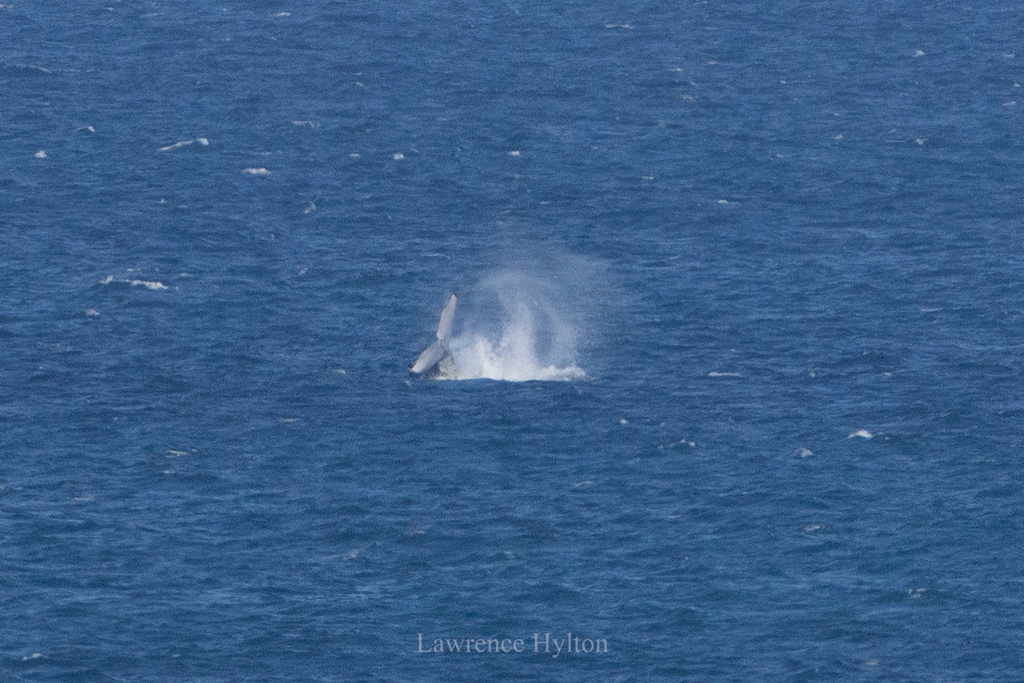
© Lawrence Hylton · iNaturalist · CC BY 4.0
The humpback whale is one of the ocean’s most acrobatic and vocally expressive giants. At up to 16 metres long and weighing as much as 36 tonnes, these baleen whales are instantly recognizable by their long pectoral fins, knobby heads, and the distinctive hump on their backs from which they take their name. Found across all major oceans and present in at least 13 countries’ territorial waters, Megaptera novaeangliae undertakes some of the longest migrations of any mammal on Earth, travelling between polar feeding grounds and tropical breeding waters.
Once hunted to near extinction, humpback whales have recovered spectacularly since the international whaling moratorium of 1986, earning them a conservation status of Least Concern. Their return from the brink of extirpation demonstrates how protection and time can restore even severely depleted populations. The humpback’s charisma—breaching, lobtailing, and bubble-net feeding—has made it a flagship species for ocean conservation and a subject of intense scientific and public fascination.
Identification and Appearance
The humpback whale is one of the larger baleen whales, reaching lengths of 14 to 18 metres and weighing between 45 and 45 tonnes. Despite these impressive dimensions, humpbacks are considerably smaller than blue whales and fin whales. Their robust, stocky body plan is unmistakable in the water—a distinctive rounded dorsal profile combined with a pronounced hump or knuckle on the back, which gives the species its common name.
Coloration varies geographically and seasonally, but most individuals display dark grey or black skin on the dorsal surface, transitioning to lighter grey or white on the ventral side. The pectoral fins are notably elongated relative to body size and often feature white patches or bands, particularly on the underside. The flippers can measure up to 5 metres long—one-third of the animal’s total length—making them proportionally the longest appendages of any baleen whale. These long flippers are used during manoeuvres and social interactions.
The head is relatively large and studded with fist-sized knobs or tubercles, each containing a single hair follicle. A prominent rostrum extends forward, and the blowholes sit atop a raised area on the crown. The flukes are broad and deeply notched, often white on the underside, with each individual displaying a unique pigmentation pattern that serves as a natural fingerprint for researchers. Humpbacks live approximately 95 years in the wild, among the longest lifespans recorded in cetaceans.
Distribution and Habitat
Megaptera novaeangliae, the humpback whale, has a cosmopolitan distribution across the world’s oceans. Records indicate a presence in at least 13 countries, with the United States showing the highest concentration of sightings (187 records), followed by Mexico (69 records). This pattern reflects the species’ importance in North American waters, particularly along migration corridors in the North Atlantic and Eastern Pacific.
Beyond North America, humpback whales occur across the Atlantic and Southern Oceans. Iceland (13 records), Antarctica (10 records), and Norway (8 records) represent significant observation points in higher latitudes. Georgian waters and the Southern Ocean near South Georgia (3 records) indicate their reach into polar and subpolar regions. Sightings also extend to Canada, the United Kingdom, Costa Rica, and Chile, confirming the species’ truly global range.
Humpback whales inhabit pelagic and coastal oceanic environments where food and breeding grounds intersect with seasonal migration patterns. January emerges as the peak month for observations, reflecting concentrated sightings during the Southern Hemisphere breeding season. The dramatic seasonal clustering—with 300 records in January and zero in all other months in this dataset—suggests that occurrence records concentrate in specific migration periods when whales are most accessible to observers in coastal waters. Their presence spans both tropical breeding grounds and productive polar feeding areas, demonstrating the species’ remarkable annual transocean migrations.
Biology and Behavior
Behavior
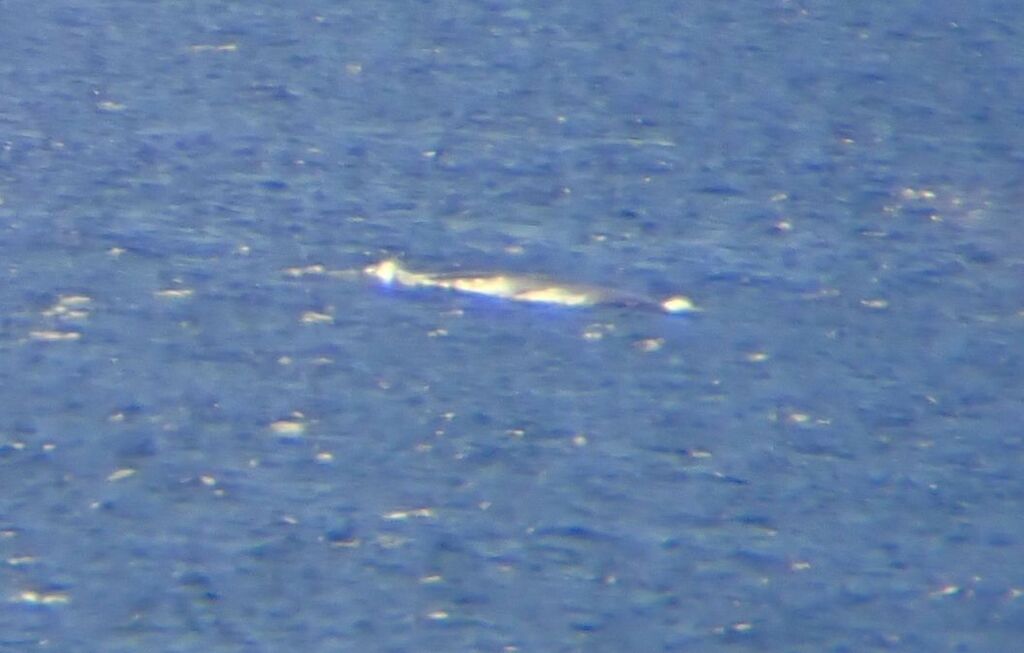
Humpback whales are highly active at the surface and perform some of the most conspicuous aerial displays of any cetacean. Breaching—launching most of the body out of the water—and lobtailing, in which the whale slaps its tail flukes against the surface, are common behaviors. These displays are thought to serve multiple functions, including communication, parasite removal, and social signaling. Humpbacks also blow at the surface as they resurface for air, creating distinctive misty plumes visible from great distances.
Outside of mother–calf pairs, humpback groups typically remain together for only days or weeks. They are normally sighted in small groups, though large aggregations form during feeding periods and when males compete for breeding access to females. Humpbacks interact with other cetacean species, including right whales, fin whales, and bottlenose dolphins. The species is known for its complex vocalizations, including the famous “songs” produced by breeding males—extended, repetitive acoustic displays that may last for hours.
Diet
Humpback whales are filter feeders that consume small schooling fish and krill. They employ several feeding strategies, including lunge feeding, in which they accelerate through a school of prey with their mouths wide open, and bubble-net feeding, where groups of whales work cooperatively to herd fish into a concentrated column before lunging through the center. During the feeding season in polar and subpolar waters, humpbacks consume large quantities of food to build energy reserves for their long migration to breeding grounds.
Reproduction
Humpback whales migrate thousands of kilometers between high-latitude feeding grounds and low-latitude breeding areas. Breeding occurs during winter in warm tropical and subtropical waters. Males compete intensely for access to females, producing their long, stereotyped songs and engaging in physical contests. Gestation lasts approximately eleven months, resulting in the birth of a single calf.
Calves are born live and are nursed by their mothers for roughly one year. Newborns are approximately 4 to 5 metres in length and depend entirely on maternal milk for growth and development. The mother provides intense parental care, protecting the calf during migration and teaching it feeding and migratory routes. Humpbacks reach sexual maturity at around four to five years of age, though some individuals may not breed until slightly later. The species can live up to 95 years in the wild.
Conservation and Threats
Megaptera novaeangliae holds Least Concern status on the IUCN Red List, reflecting one of the ocean’s most successful recovery stories. After near-extinction from industrial whaling, humpback populations have rebounded dramatically across most of the world’s oceans, with numbers now increasing globally. This improvement has prompted the removal of the species from endangered species lists in the United States, Canada, and Australia.
The recovery owes much to legal protections enacted decades ago. The International Whaling Commission moratorium on commercial whaling, implemented in 1986, halted the primary driver of humpback decline. Regional marine sanctuaries have further safeguarded critical habitats: the Hawaiian Islands Humpback Whale National Marine Sanctuary was established in 1992 to protect breeding and nursing populations, while Ballena Marine National Park in Costa Rica provides refuge for Central American humpbacks.
Threats
Despite their recovery, humpbacks face mounting human-caused dangers. Entanglement in fishing gear remains a serious hazard, as whales become caught in nets, lines, and traps during feeding and migration. Vessel collisions pose another direct threat, particularly in busy shipping lanes and near coastal waters where humpbacks and human traffic converge. Underwater noise from ships, sonar, and industrial activity disrupts their communication, navigation, and feeding behaviour, causing injury and disorientation. Coastal habitat destruction threatens breeding and feeding grounds, while climate change alters prey availability and ocean conditions.
Conservation Efforts
Ongoing protections remain essential to sustain the species’ recovery. Many nations maintain strict regulations on whale watching, vessel speed restrictions in known humpback habitats, and fishing practices designed to reduce entanglement risk. International collaboration continues through the International Whaling Commission and regional marine agreements that monitor populations and enforce protective measures.
Fun Facts
Humpback whales are among the ocean’s most charismatic giants, packed with surprising behaviours and physical adaptations. Here are some genuinely remarkable facts about these marine mammals.
- They are the only species in their genus. Megaptera novaeangliae stands alone as the sole member of the genus Megaptera, making it a unique evolutionary lineage within the rorqual family of baleen whales.
- Their pectoral fins are extraordinarily long. Humpback whales possess the longest pectoral fins of any whale species, sometimes reaching one-third of their total body length—a feature used in courtship displays and aggressive interactions with rivals.
- Males sing complex underwater songs lasting up to half an hour. During breeding season, male humpbacks produce intricate, evolving songs that can last 4 to 33 minutes and are audible for kilometres underwater; different populations sing different dialects that change over time.
- They weigh as much as 40 metric tons despite eating only tiny prey. Adults reach 14–17 metres in length and can tip the scales at 40 metric tons, yet they feed exclusively on krill and small fish by filtering water through baleen plates.
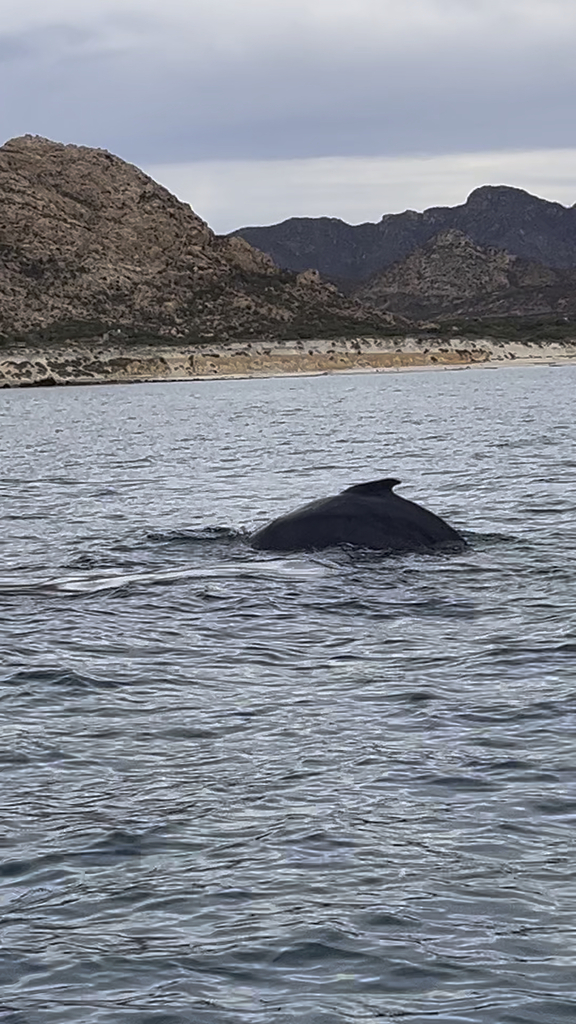
- Their distinctive hump inspired their name. The rounded hump on their backs, visible when they dive, is actually an enlarged dorsal fin and gives the species both its common name and scientific epithet novaeangliae (New England whale, after early European sightings).
- Breaching may serve multiple purposes. Humpback whales are famous for launching their entire 40-tonne bodies out of the water in spectacular breaches, likely using the behaviour for communication, parasite removal, or pure exuberance.
- They undertake some of the longest migrations in the animal kingdom. Humpback whales travel up to 25,000 kilometres annually between Arctic feeding grounds and tropical breeding grounds, a round-trip journey matched by few other creatures on Earth.
Ecology
Habitats
Conservation Status
LC · NT · VU · EN · CR · EW · EX
Photo Gallery
Lawrence Hylton · CC BY 4.0
Related Species
Was this profile helpful?