
Pinopsida · Pinales
Wollemi Pine
Wollemia nobilis
Critically EndangeredAlso known as: Wollemi-pine
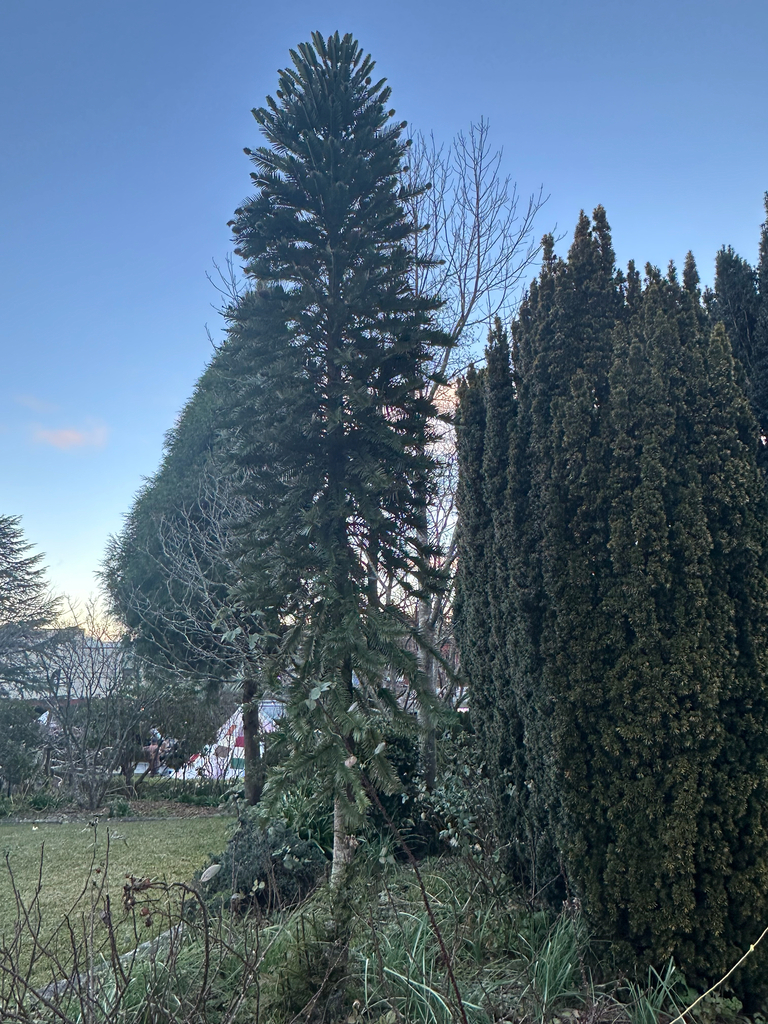
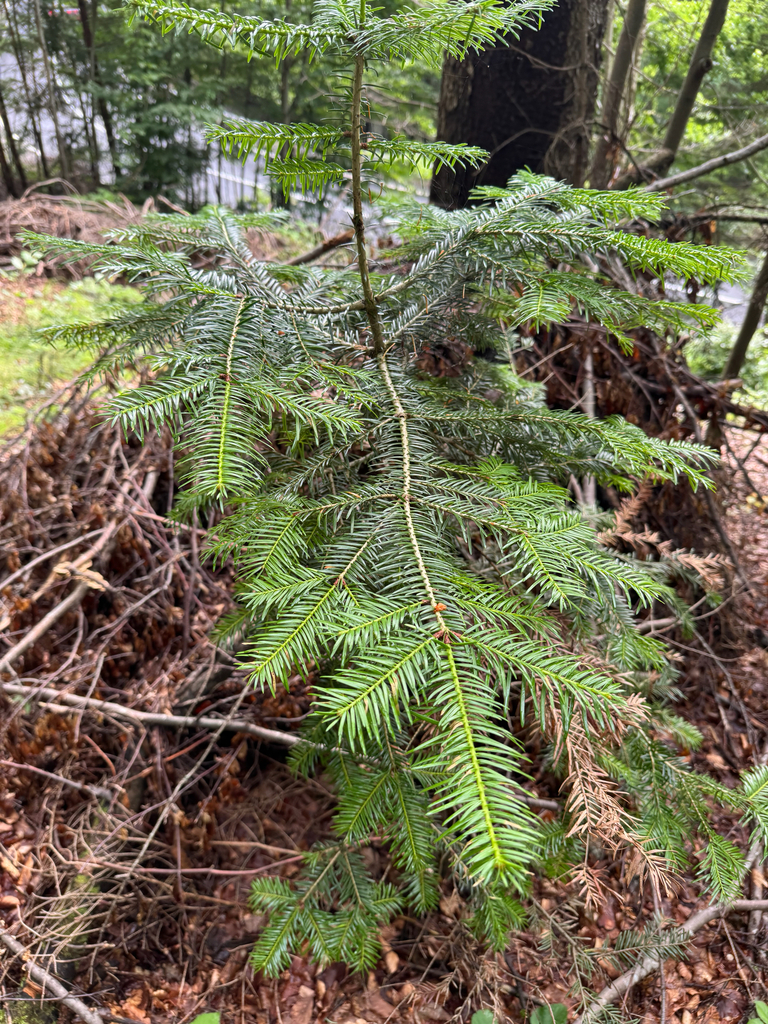
© prossington · iNaturalist · CC BY 4.0
Scientific Classification & Quick Facts
Classification
Known For
Detailed measurements for this species are still being verified.
The Wollemi Pine stands as one of the world’s rarest trees—a living fossil that remained unknown to science until 1994, when a hiker stumbled upon a small population in a remote canyon in New South Wales, Australia. This extraordinary conifer belongs to the ancient family Araucariaceae, a lineage that dominated forests during the age of dinosaurs. Today, fewer than 100 individuals survive in the wild, making Wollemia nobilis one of the most endangered plants on Earth.
Now cultivated and distributed in botanical collections across at least 10 countries, the species has become central to global conservation efforts. Its narrow natural range, coupled with threats from disease and habitat loss, demands urgent protection. What makes the Wollemi Pine particularly compelling is not only its rarity, but also its role as a tangible link to an ancient world—a species that bridges millions of years of evolutionary history with the present day.
Identification and Appearance
Wollemia nobilis is a large evergreen conifer reaching 25 to 40 metres in height. The tree displays highly distinctive dark brown bark with a knobbly, irregular texture often likened to the appearance of breakfast cereal. This unusual bark is one of the most reliable field identification features and sets the species apart from all other conifers in its native range and beyond.
The branching architecture of Wollemia is atypical among conifers. Most side branches lack further subdivisions, giving the crown a relatively sparse appearance compared to similar species. Most specimens in the wild and in cultivation are multi-trunked or appear as clumps, often consisting of up to 100 stems of varying sizes. This growth pattern is thought to derive from old coppice growth, where the tree has regenerated from basal buds following damage or felling. Individual stems remain relatively slender even in mature trees, contributing to the characteristic clustered appearance rather than a single dominant trunk.
Distribution and Habitat
Wollemia nobilis has an extremely restricted natural range. The species occurs across ten countries globally, but Australia dominates the distribution with 95 records, reflecting both its native habitat and extensive cultivation in its country of origin. Secondary populations appear in the United Kingdom (15 records), the United States (12 records), and smaller populations in Norway, Canada, South Africa, Monaco, Italy, Ukraine, and Sweden. This scattered distribution reflects the species’ status as a cultivated conifer rather than a naturally widespread plant.
Elevations recorded for Wollemia nobilis range from 27 metres to 964 metres, with an average of 311 metres. In its native Australian habitat, the species grows in the cool, moist valleys of the Wollemi National Park in New South Wales. Cultivation has extended its presence to temperate regions worldwide, particularly where cool-climate gardening and botanical collections maintain suitable growing conditions.
Observation records show a pronounced seasonal peak in November, with 52 records documented in that month alone—far exceeding any other month. This peak likely reflects the spring growing season in the Southern Hemisphere, when Wollemia nobilis shows visible growth and reproduction activity. Records remain relatively low or absent throughout the remainder of the year, with December recording no observations in this dataset. This pattern underscores the difficulty of locating and documenting this critically endangered species in the wild.
Growth and Cultivation
Growth
Wollemia nobilis, the Wollemi Pine, is a tall coniferous tree that develops a distinctive pyramidal form with dense, feathery foliage. In its native habitat in New South Wales, Australia, this species can reach heights of 40 metres or more, though cultivated specimens are often more modest. The tree produces multiple stems that grow upright and compact, creating a columnar silhouette when young, gradually becoming broader with age. Branches are arranged in whorls and clothed entirely in short, soft, bright green needles that give the foliage a fern-like appearance unusual among conifers.
The trunk develops distinctive bubbly, bumpy bark that is chocolate brown in colour, a feature that makes mature trees recognizable even from a distance. Growth is generally steady under favourable conditions, though the exact growth rate varies depending on climate and cultivation practices. The tree’s dual vascular system within its wood is a remarkable evolutionary feature that distinguishes it from most other living conifers.
Flowering and Fruiting
The Wollemi Pine is monoecious, bearing both male and female reproductive structures on the same tree. Male cones are small, clustered at branch tips, and release pollen in spring. Female cones are larger, solitary or paired structures that develop over two to three years before maturing. Mature cones are roughly cylindrical, up to 10 centimetres long, and contain winged seeds that are dispersed by wind. Seed production in cultivation is relatively rare, and many cultivated plants remain purely ornamental.
Cultivation
The Wollemi Pine thrives in cool to warm temperate climates and prefers well-draining soil rich in organic matter. It tolerates a range of soil types but performs best in soils with good moisture retention balanced against drainage. Partial shade is beneficial, especially in hotter regions; the tree can adapt to full sun in cooler climates but appreciates afternoon shade in hot summers. Regular watering is essential during establishment and dry periods, though mature trees develop reasonable drought tolerance once fully rooted.
In cultivation, this species benefits from protection from strong winds, which can damage its delicate foliage. It is not frost-hardy in extremely cold climates, making it unsuitable for regions with harsh winters. Gardeners in cooler zones should provide frost protection or grow the plant in a sheltered microclimate. Fertilizing with a balanced, slow-release fertilizer in spring supports healthy growth. Container cultivation is successful, particularly for younger plants, and allows gardeners in unsuitable climates to grow this iconic species under controlled conditions.
Conservation and Threats
Wollemia nobilis, the Wollemi Pine, is classified as Critically Endangered on the IUCN Red List. This designation reflects the species’ extremely small natural population and its vulnerability to extinction in the wild. However, the population trend is increasing, driven largely by successful cultivation and reintroduction efforts that have expanded the species’ presence beyond its original habitat.
Threats
The primary threat to Wollemia nobilis in its native habitat is its naturally restricted range in a remote gorge in New South Wales, Australia. This isolation makes the species vulnerable to localised disturbances, including bushfires and disease. Pathogenic organisms, particularly those affecting conifers in similar climates, pose a significant risk to wild populations. Climate change compounds these vulnerabilities by altering precipitation patterns and temperature regimes in the species’ native environment.
The species also faces indirect pressure from habitat degradation and the potential spread of invasive species within its limited wild range. The small size of the wild population means that any catastrophic event—whether natural or human-caused—could have severe consequences for genetic diversity and long-term viability.
Conservation Efforts
Recognition of the extinction risk has prompted substantial conservation action. The species is protected by Australian law, and its wild population is subject to careful monitoring and management. Critically, Wollemia nobilis has been successfully propagated and cultivated in botanical gardens and private collections worldwide. Research demonstrates that the species can establish viable populations across diverse climates and cultural management systems, reducing the risk of total extinction through geographical and institutional redundancy.
These cultivation programmes have transformed the conservation landscape for the species. Thousands of seedlings now grow in institutions and collections globally, creating a living backup to the wild population. This distributed approach provides insurance against catastrophic loss while simultaneously raising awareness of the species and generating resources for ongoing protection efforts in Australia.
Fun Facts
Wollemia nobilis is one of the world’s rarest trees and a living fossil from an ancient lineage. Here are some remarkable facts about this extraordinary conifer.
- The genus Wollemia is one of only three living genera in the family Araucariaceae, the other two being Araucaria and Agathis. This family represents an ancient lineage stretching back over 200 million years.
- Wollemia nobilis is the sole species in its genus, making it taxonomically unique and irreplaceable in Earth’s biodiversity. The entire genus depends on the survival of this single species.
- The tree grows exclusively in a remote series of narrow, steep-sided sandstone gorges within Wollemi National Park, approximately 150 kilometres north-west of Sydney. This highly restricted range means the entire wild population occupies an area smaller than most city parks.
- The genus name Wollemia derives directly from Wollemi National Park, the location where the species was rediscovered after likely remaining unknown to modern science for centuries. The name honours both the tree and its native landscape.
- It is endemic to Australia, occurring nowhere else in the world naturally. Any Wollemi Pines growing outside their native gorges today exist only through human cultivation efforts for conservation.
- The tree can reach heights of 35 metres or more and survive for hundreds of years, yet it was completely hidden from botanical science until the late twentieth century. Its concealment in deep, inaccessible ravines protected it from human disturbance but also from discovery.
Conservation Status
LC · NT · VU · EN · CR (Critically Endangered) · EW · EX
Photo Gallery
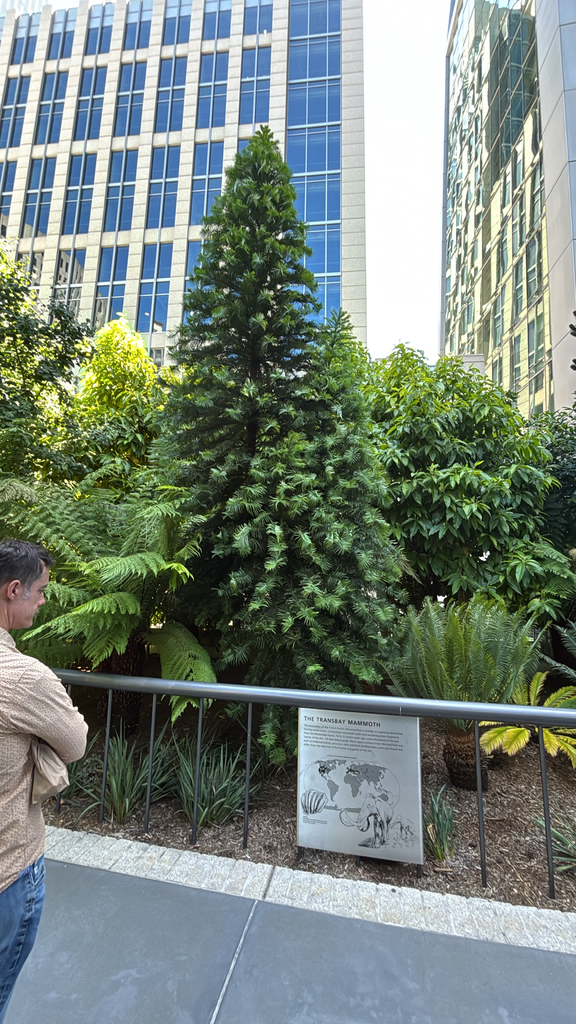
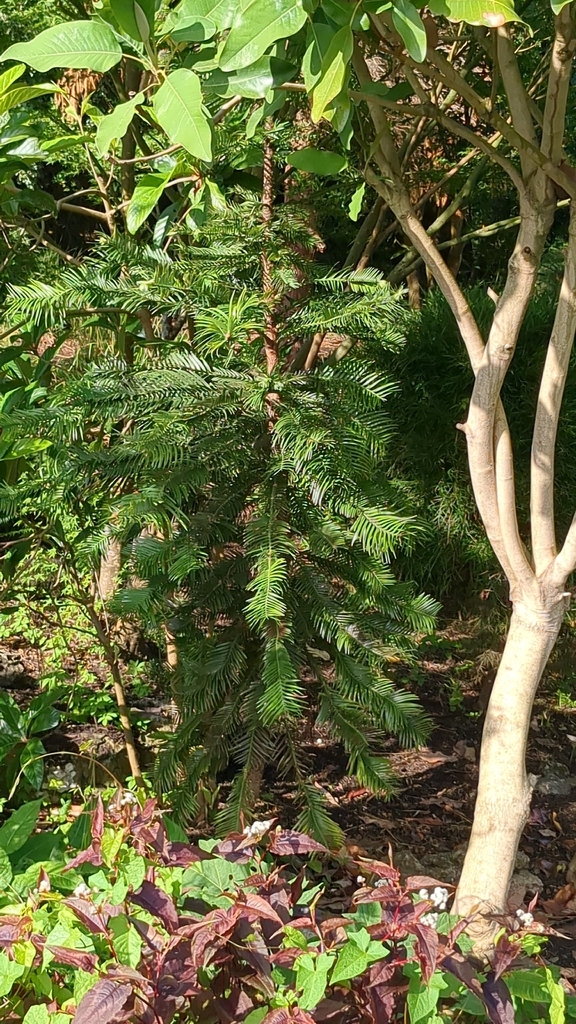
prossington · CC BY 4.0
Related Species
Was this profile helpful?