
Magnoliopsida · Lamiales
English Lavender
Lavandula angustifolia
Least ConcernAlso known as: English Lavendar, Garden Lavender, Lavender, lavender
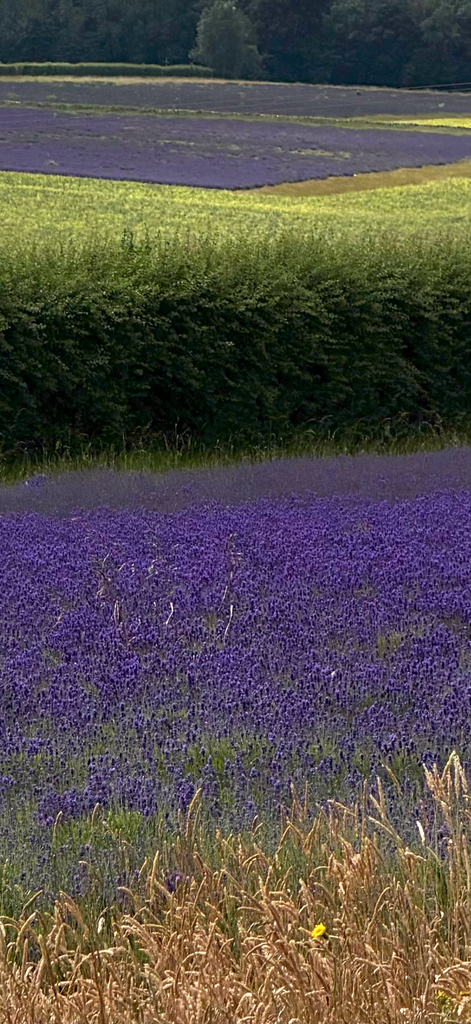
© no rights reserved · iNaturalist · CC0 1.0
Scientific Classification & Quick Facts
Classification
Known For
Detailed measurements for this species are still being verified.
Lavandula angustifolia, known as English Lavender, is a fragrant perennial herb celebrated across temperate regions for its aromatic foliage and distinctive purple flowers. Despite its common name, this species is not native to England but hails from the Mediterranean, where it thrives on sun-baked slopes and rocky terrain. Today it grows wild or is cultivated in at least 28 countries, making it one of the most widely distributed lavender species globally.
With a conservation status of Least Concern, L. angustifolia remains stable in the wild and flourishes in gardens worldwide. Its resilience, combined with its sensory appeal and practical applications, has secured its place as both an ecological fixture in Mediterranean ecosystems and a cornerstone of ornamental and commercial horticulture across the globe.
Identification and Appearance
Lavandula angustifolia is a strongly aromatic evergreen shrub that typically grows 1 to 2 metres tall. The plant is distinguished by its narrow, linear leaves that measure 2 to 6 centimetres in length and 4 to 6 millimetres in width. These leaves persist year-round, giving the shrub consistent visual structure even during winter dormancy.
Flowers and Inflorescences
The flowers are the most recognizable feature of English Lavender, displaying the characteristic purple or lavender colouration that lends the plant its common name. Blooms are arranged in dense, elongated flower spikes measuring 2 to 8 centimetres long, which emerge atop slender, leafless stems that extend 10 to 30 centimetres above the foliage. Each spike comprises numerous individual florets arranged in whorls along the rachis, with prominent purple calyces and lighter brown bracts visible beneath the petals. The flowers produce abundant volatile oils responsible for the plant’s distinctive fragrance.
English Lavender exhibits no marked sexual dimorphism. All plants produce flowers with functional reproductive organs, and ornamental or horticultural variation depends primarily on cultivar selection rather than biological sex differences. The overall form remains a compact, bushy shrub with consistent architecture across populations.
Distribution and Habitat
Lavandula angustifolia is widely cultivated across temperate Europe and has naturalized or persists in 28 countries globally. Belgium holds the largest concentration of records with 137 documented occurrences, followed by the Netherlands (46), France (19), and Sweden (17). Austria, Germany, Hungary, the United Kingdom, Switzerland, and Ukraine each contribute smaller but significant populations, reflecting the species’ adaptation to diverse continental and maritime climates across the region.
The species thrives across a broad elevation range from 89 metres to 622 metres above sea level, with an average growing elevation of 408 metres. This tolerance allows Lavandula angustifolia to flourish in lowland gardens, Mediterranean foothills, and upland cultivation sites across its introduced range. The elevation data suggests successful establishment in both valley-floor conditions and moderate highland settings, where cooler temperatures and distinct seasonal patterns support vigorous growth.
Flowering activity peaks sharply in June, with secondary activity extending into May and early summer months. GBIF records show concentrated observation activity from April through June, with 94 records in May and 103 in June, indicating synchronized flowering across its European distribution. This distinct seasonal pattern reflects the species’ Mediterranean origin and highlights its predictable phenology for gardeners and naturalists tracking bloom cycles across northern latitudes.
Growth and Cultivation
Growth
Lavandula angustifolia is a compact, woody perennial shrub that typically reaches 30–60 centimetres in height, with a similar spread at maturity. The plant develops a dense, mounded form with narrow, grey-green foliage that persists year-round in most climates. Growth is steady and moderate, creating a well-proportioned plant suited to borders, containers, and rock gardens without excessive pruning demands.
The stems become woody and branch extensively from the base, creating a full, bushy structure. Foliage is highly aromatic when brushed or crushed, releasing the distinctive essential oils that define the species. The evergreen leaves retain their colour and fragrance through winter in temperate zones, making the plant valuable for year-round ornamental interest.
Flowering
English lavender produces abundant flowering spikes that rise above the foliage throughout the summer months. Flowers are small, densely packed along slender stems, and range in colour from pale lavender to deep purple, with some cultivars displaying pink or white blooms. The nectar-rich flowers attract bees, butterflies, and other pollinators, making the plant ecologically valuable in gardens and agricultural landscapes.
After flowering, the plant develops small, dry seeds enclosed in the flower calyces. These seeds are viable and can be collected for propagation, though established plants self-seed readily in suitable conditions. Deadheading spent flower heads extends the blooming period and encourages secondary flushes of flowers later in the season.
Cultivation
English lavender thrives in full sun conditions and demands well-draining soil to prevent root rot—the primary threat to plant health. It tolerates poor, sandy, or gravelly soils and actually prefers low-nutrient conditions, making it ideal for challenging garden spots where other plants struggle. The species is remarkably drought-tolerant once established, requiring minimal supplemental watering except during prolonged dry spells or in the first growing season after planting.
Prune plants lightly after flowering or in early spring to maintain a neat shape and prevent woody, leggy growth. Light cutting back promotes bushiness and encourages dense flowering in subsequent years. Provide good air circulation to reduce fungal diseases in humid climates. English lavender is cold-hardy across most temperate regions and requires no special winter protection in zones with moderate winters. Container cultivation is straightforward: use gritty, well-draining compost and reduce watering in winter when growth slows.
Conservation and Threats
Lavandula angustifolia is listed as Least Concern (LC) on the IUCN Red List, indicating that the species faces no immediate risk of extinction. Its population trend is increasing, reflecting its widespread cultivation and successful naturalization across temperate regions globally. This favourable status reflects the plant’s resilience and its value to human communities, both economically and ecologically.
Threats
Currently, no major documented threats significantly impact wild populations of English lavender. The species’ adaptability to diverse climates and soil conditions, combined with its economic importance as a crop and ornamental, has insulated it from the severe pressures that affect many wild plants. However, like many Mediterranean plants, it remains sensitive to extreme drought and waterlogging in its native habitat.
Conservation Efforts
Although formal conservation programmes are not required for this Least Concern species, English lavender benefits indirectly from habitat protection initiatives across its native Mediterranean range and from cultivation practices that maintain genetic diversity. The species is widely grown in botanical gardens and seed banks, ensuring long-term preservation of its germplasm. Its popularity in horticulture and essential oil production also incentivizes sustainable land management in regions where it is commercially harvested.
Cultural Significance
The cultural notes for Lavandula angustifolia are currently sparse in available records. This absence reflects a gap in documentation rather than a lack of cultural significance—English lavender has been integrated into human life across medicine, perfumery, cuisine, and domestic practice for centuries, particularly in European traditions.
To develop a comprehensive cultural section, contributions from herbalists, historians, ethnobotanists, and community members familiar with lavender’s use in specific regions and traditions would strengthen our understanding. If you have documented knowledge of English lavender’s role in folklore, traditional medicine, culinary practices, or symbolic meaning, please consider adding those details to expand this profile.
Fun Facts
Lavandula angustifolia is full of surprises, from its misleading common name to its ancient botanical history. Here are some fascinating facts about this aromatic Mediterranean native.
- Despite its name, English lavender is not native to England at all—it originates from the Mediterranean basin and was introduced to Britain by Roman traders and later cultivated extensively in English gardens.
- The species was formerly classified as Lavandula officinalis, but modern taxonomy recognizes L. angustifolia as the correct scientific name, though both designations still appear in older botanical literature.
- English lavender belongs to the mint family, Lamiaceae, which explains its fragrant essential oils and the square stems characteristic of many mints—a hidden connection many gardeners never realize.
- Its botanical name “angustifolia” literally means “narrow-leaved,” a direct reference to the thin, linear foliage that distinguishes it from broader-leaved plants and gives it an elegant, feathery appearance.
- The plant is also called true lavender or garden lavender, names that reflect its status as the most commercially cultivated lavender species for perfumery, cosmetics, and culinary use worldwide.
- English lavender produces volatile essential oils in specialized glandular hairs on its leaves and flowers; these oils can comprise up to 1% of the plant’s fresh weight and serve as a natural insect repellent.
- The flowers attract pollinators so effectively that a single lavender plant can produce thousands of seeds in a season, allowing it to establish itself readily in disturbed Mediterranean habitats and dry garden soils.
Conservation Status
LC (Least Concern) · NT · VU · EN · CR · EW · EX
Photo Gallery
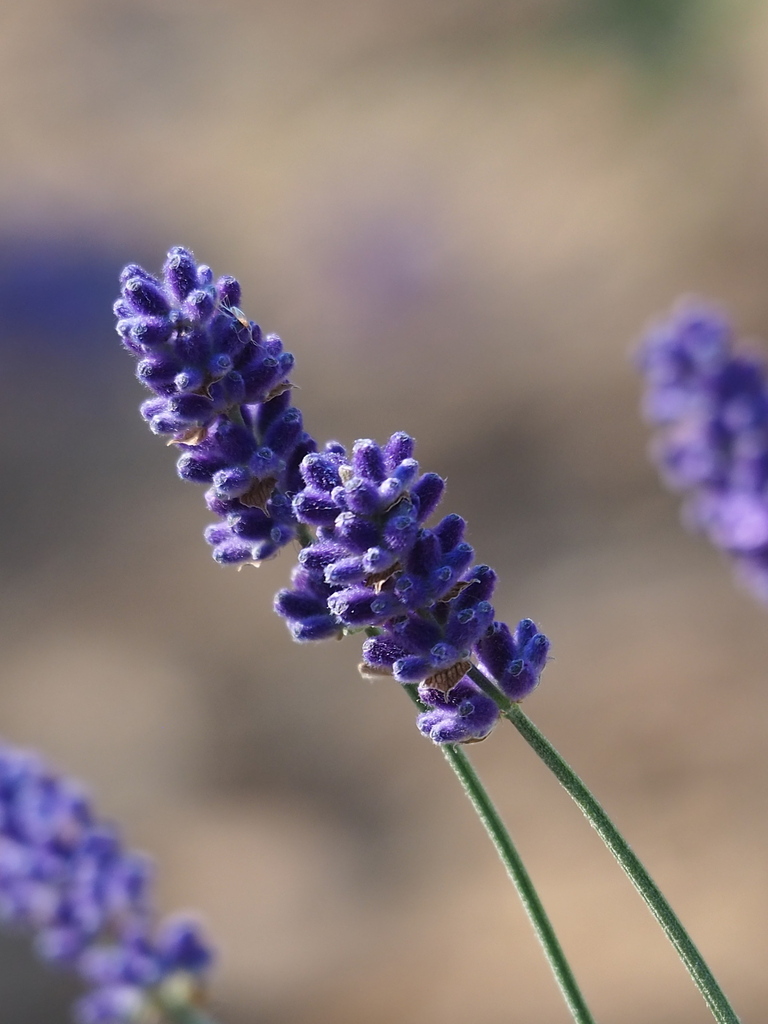
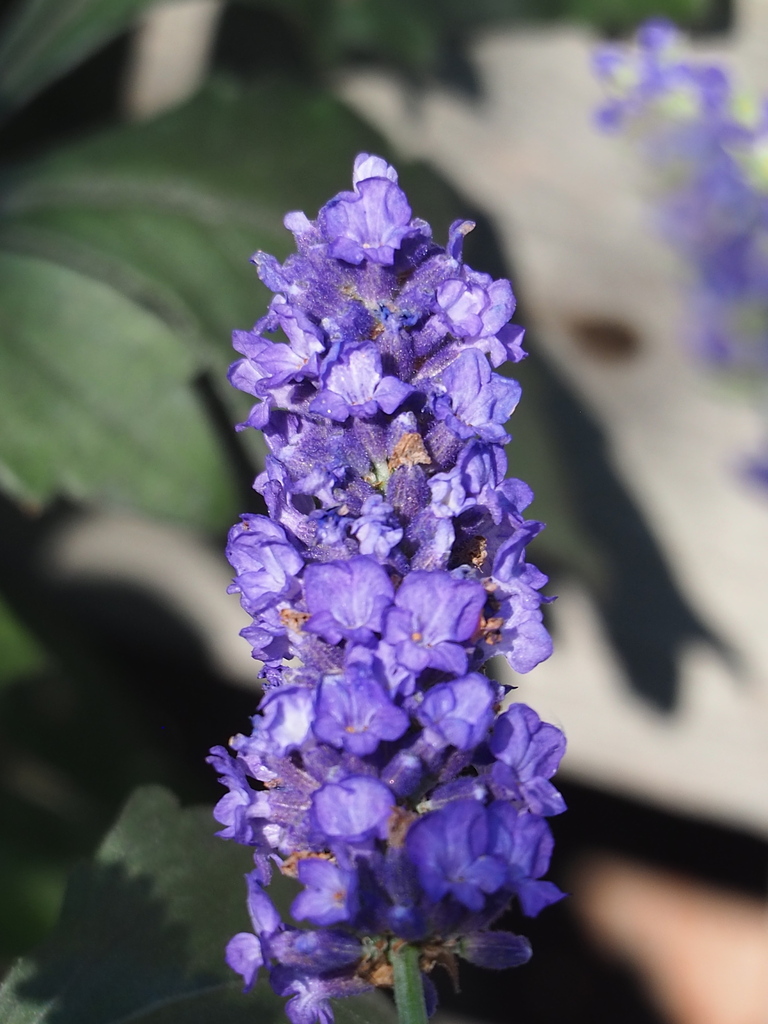
no rights reserved · CC0 1.0
Related Species
Was this profile helpful?