
Magnoliopsida · Amborellales
Amborella
Amborella trichopoda
Least Concern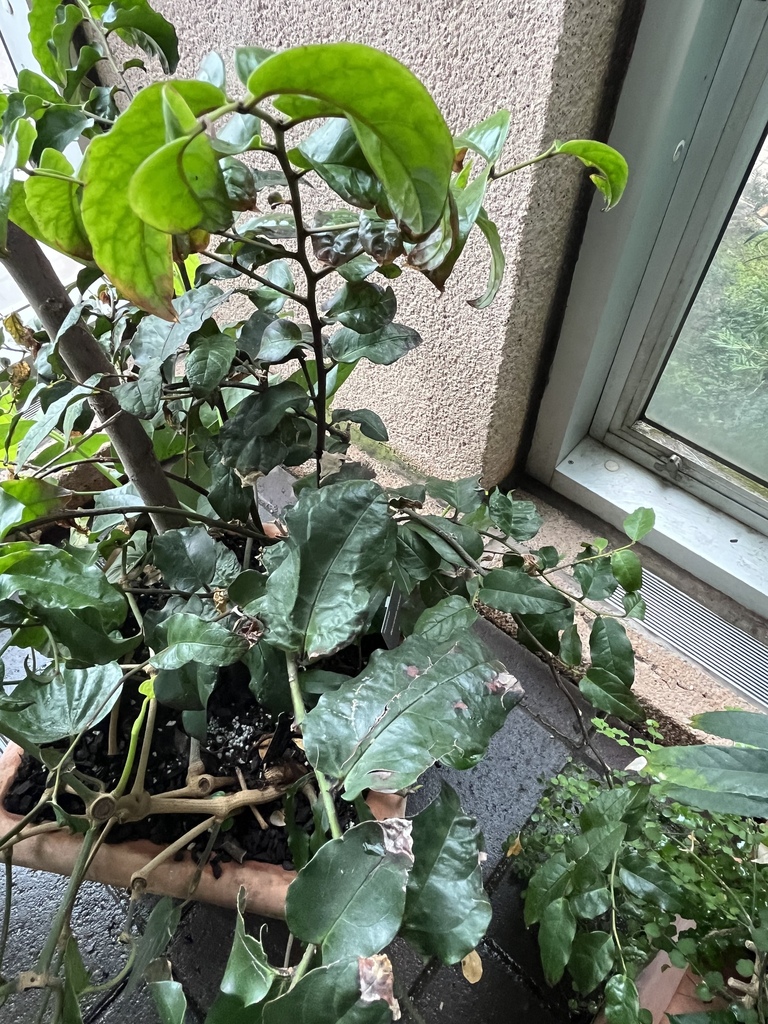
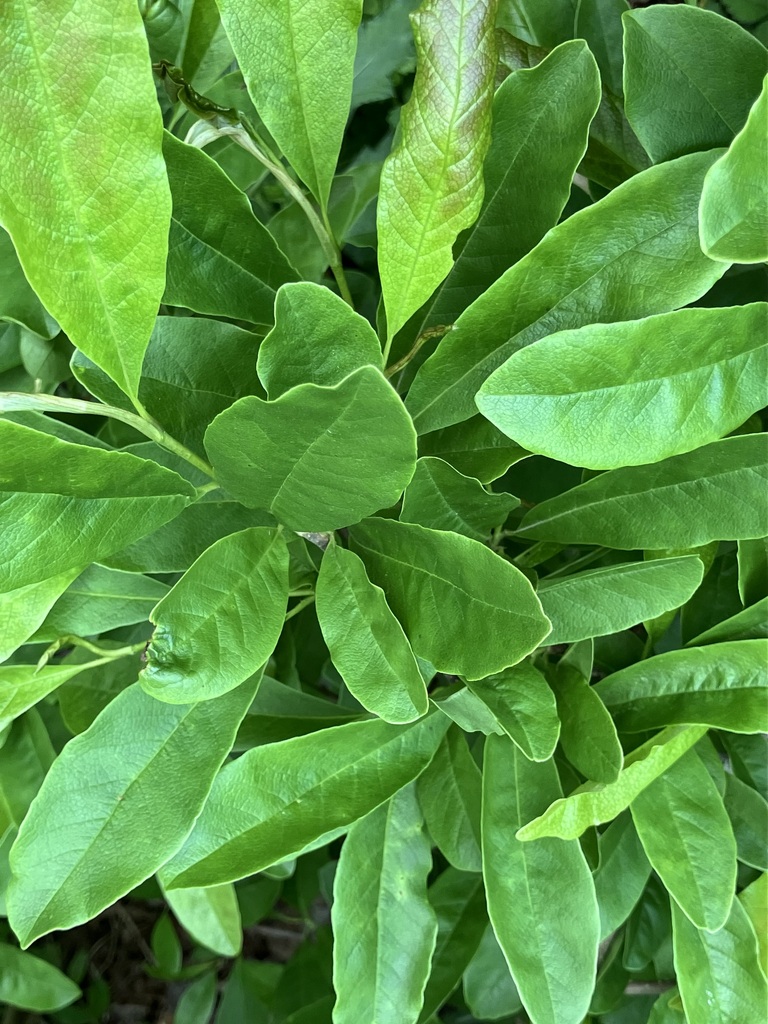
© krasik · iNaturalist · CC BY-NC 4.0
Scientific Classification & Quick Facts
Classification
Known For
Detailed measurements for this species are still being verified.
Amborella trichopoda, known simply as amborella, is a small tropical shrub found across a handful of Pacific island nations. Native to New Caledonia and a few neighboring territories, this plant occupies a place of profound evolutionary significance that belies its modest stature and limited geographic range. With a conservation status of Least Concern, amborella thrives across approximately five countries, yet its true importance lies not in abundance but in what it reveals about the deep history of flowering plants.
Amborella represents a unique bridge between the distant past and the present day. Its position at the base of the flowering plant family tree—belonging to the monotypic order Amborellales and family Amborellaceae—makes every aspect of its biology worth studying. For botanists and evolutionary biologists, this unassuming shrub is an invaluable reference point for understanding how the flowering plants that now dominate terrestrial ecosystems first originated and diversified.
Identification and Appearance
Amborella trichopoda is a sprawling shrub or small tree that reaches up to 8 metres in height. It is an evergreen species with alternate, simple leaves arranged in two ranks along the stem. The leaves measure 8 to 10 centimetres long and bear distinctly serrated or rippled margins, giving them a characteristic textured appearance.
Anatomical Distinctiveness
The wood anatomy of Amborella is exceptional among flowering plants. Its xylem tissue contains only tracheids and lacks vessel elements—a combination regarded as primitive within angiosperms. This anatomical feature is significant for understanding the early evolution of flowering plant vascular systems.
Reproductive Structure
The species is dioecious, meaning individual plants produce either male or female flowers exclusively. Male flowers bear functional stamens, while female flowers are structured for seed production. This separation of reproductive organs between different plants is a key identification feature when examining flowering or fruiting specimens in the field.
Distribution and Habitat
Amborella trichopoda is endemic to New Caledonia, a French overseas collectivity in the South Pacific. GBIF records document 280 occurrences in New Caledonia, making it the overwhelming centre of the species’ distribution. Small populations have been recorded in cultivation or botanical collections in the United States (13 records), Australia (5 records), Italy (1 record), and China (1 record), reflecting its status as a cultivated ornamental and botanical curiosity outside its native range.
Within New Caledonia, Amborella occurs across a broad elevation range, from 10 metres in lowland areas to 970 metres in montane forest zones. The average elevation of recorded observations is 584 metres, indicating a preference for mid-elevation terrain. The species shows a pronounced seasonal pattern in observation records, with November representing the peak month (115 records), suggesting heightened flowering or fruiting activity during the austral spring. October and March also show elevated observation frequencies (41 and 46 records respectively), while winter months (May through September) record fewer sightings, likely reflecting both reduced biological activity and lower sampling effort during cooler periods.
Biology
Growth
Amborella trichopoda is a woody shrub endemic to New Caledonia, where it grows as an understory plant in humid tropical forests. The species typically reaches modest dimensions, though specific maximum height data are not well documented in standard horticultural records. Growth rate information for cultivated specimens remains limited, reflecting the plant’s rarity in horticulture and its restricted native range.
Flowering
Amborella produces small, inconspicuous flowers typical of basal flowering plants. The blooming period and detailed flower characteristics—including color, size, and pollination mechanisms—are not fully catalogued in accessible cultivation literature. The plant bears small fruits, though fruiting season and seed production details require further documentation from wild populations and botanical research.
Cultivation
Cultivation data for Amborella trichopoda are sparse, as the species remains virtually absent from commercial horticulture. Specific requirements for soil pH, hardiness zones, light exposure, and water management have not been systematically recorded in standard references. Any attempt to grow this species would require close mimicry of its native tropical forest habitat: warm, humid conditions with consistent moisture and dappled light beneath a forest canopy.
Because Amborella is found only in New Caledonia and is legally protected, cultivation outside botanical collections is neither practical nor permissible. Conservation efforts focus on protecting wild populations rather than establishing horticultural stock. Researchers and botanists seeking to study the species should consult New Caledonian forestry authorities and specialized tropical botanical institutions.
Conservation and Threats
Amborella trichopoda holds Least Concern status on the IUCN Red List, indicating that the species does not currently face imminent extinction risk. As a relict tree endemic to New Caledonia, however, its narrow geographic range and small total population demand ongoing monitoring and protection to prevent future decline.
Threats
The primary threats to Amborella stem from habitat loss and degradation in its native New Caledonian forests. Mining activities, forest clearance for agriculture, and urban development continue to fragment and reduce suitable habitat. Invasive species introduce additional pressure by competing for resources and altering forest structure. Climate variability also poses a risk to this moisture-dependent species in a region where drought conditions periodically intensify.
Conservation Efforts
New Caledonia’s protected area network provides legal refuge for many native plant populations, including Amborella. International recognition of the island’s exceptional biodiversity has elevated conservation priorities, though dedicated funding and enforcement remain inconsistent. Botanical institutions and herbaria maintain seed collections and genetic material, safeguarding genetic diversity against catastrophic loss.
Fun Facts
- 1.Evolutionary Time CapsuleGenetic analysis reveals that Amborella branched off from all other flowering plants (angiosperms) before they radiated into the hundreds of thousands of species we see today, offering scientists an unparalleled window into early flower evolution.
- 2.Primitive Flower StructureIts flowers lack the specialized features found in most modern blooms—they are small, inconspicuous, and retain characteristics thought to resemble those of the earliest flowering plants.
- 3.Endemic Island RarityAmborella is found nowhere else in the world except on the island of New Caledonia, where it grows in humid rainforests and represents a botanical treasure unique to that location.
- 4.Modest Size, Mighty GeneticsThis shrub rarely exceeds a few meters in height, yet its genome is surprisingly complex and has been the subject of intensive scientific study to unlock secrets of plant evolution.
- 5.Unusual Reproductive StrategyAmborella produces small, fleshy fruits that are dispersed by animals, a trait shared with many primitive flowering plants and distinct from the diverse seed-dispersal mechanisms evolved by later plant lineages.
- 6.Scientific Celebrity StatusDespite its small stature and limited distribution, Amborella has become one of the most thoroughly studied plants in molecular biology, with researchers worldwide examining its DNA to understand flowering plant origins.
Sources and References
- Global Biodiversity Information Facility (GBIF)View source
- iNaturalistView source
- WikidataView source
- WikipediaView source
- Encyclopedia of Life (EOL)View source
- Plants of the World Online (POWO)View source
Ecology
Growing Conditions
Conservation Status
LC (Least Concern) · NT · VU · EN · CR · EW · EX
Photo Gallery
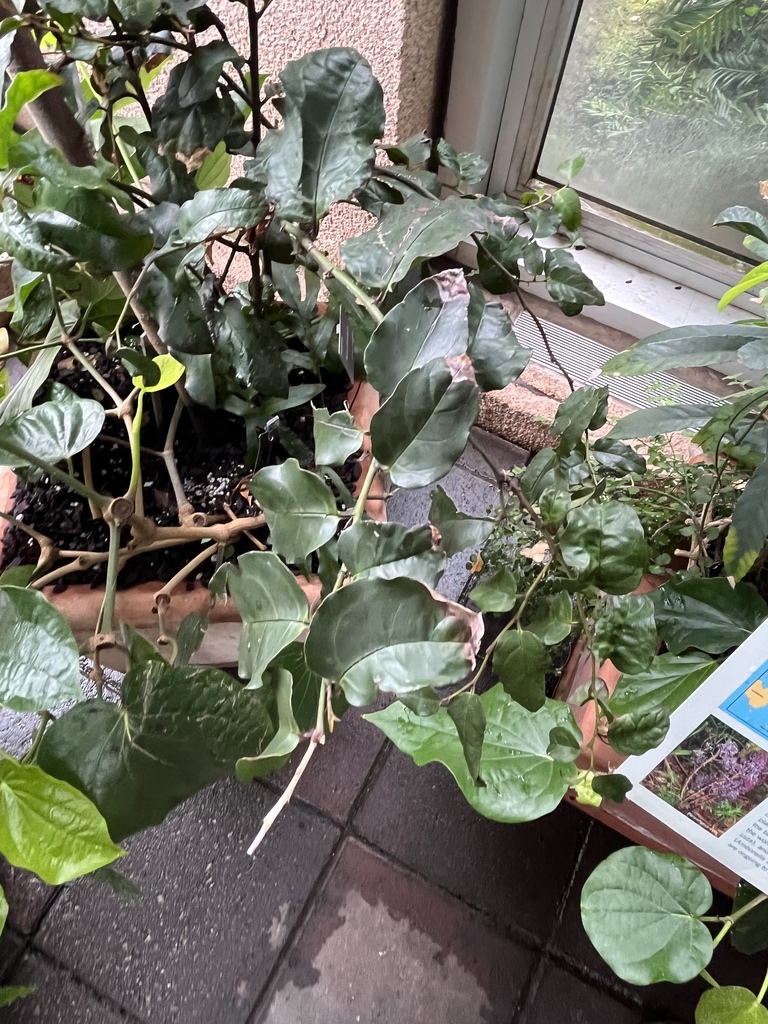
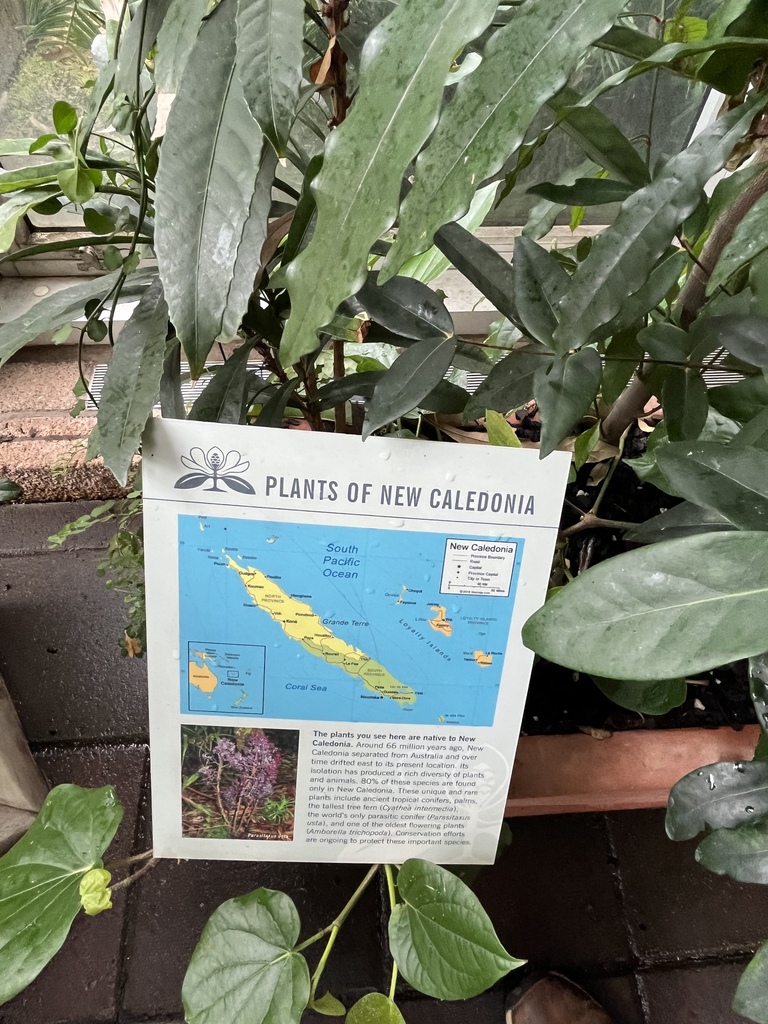
krasik · CC BY-NC 4.0
Related Species
Was this profile helpful?