
Magnoliopsida · Caryophyllales
Queen Of The Night
Selenicereus grandiflorus
Also known as: Night-blooming Cereus, night-blooming cereus, queen-of-the-night, Queen-of-the-night
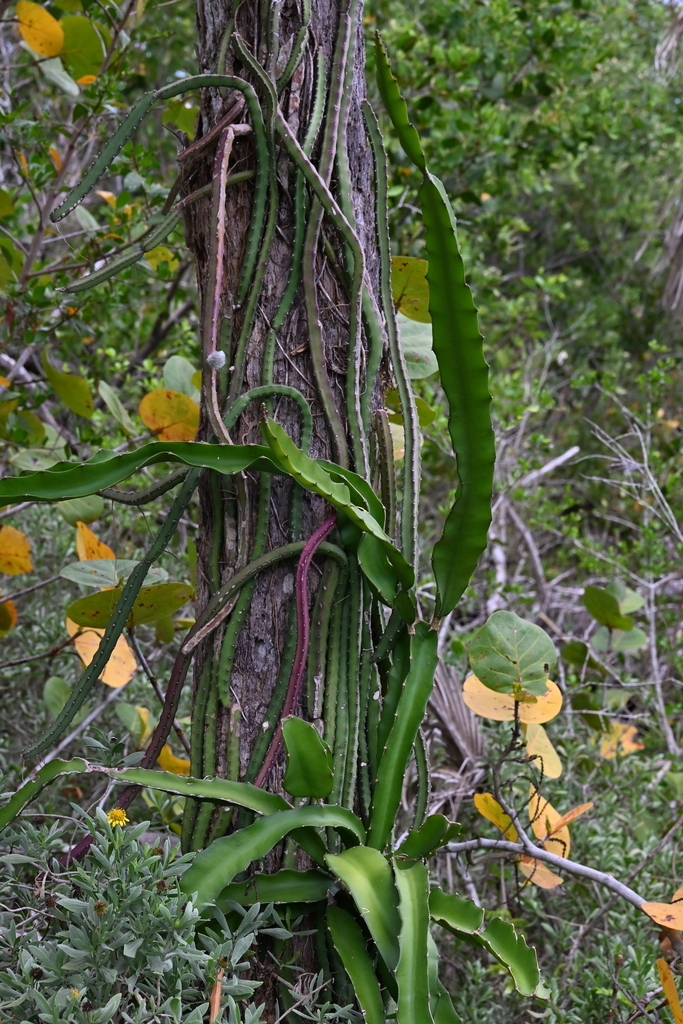
© no rights reserved · iNaturalist · CC0 1.0
Scientific Classification & Quick Facts
Classification
Known For
Detailed measurements for this species are still being verified.
Selenicereus grandiflorus, the Queen of the Night, is a nocturnal-flowering cactus renowned for producing some of the largest and most fragrant blooms in the plant kingdom. These extraordinary flowers open only after sunset and close before dawn, creating a fleeting spectacle that has captivated gardeners and botanists for centuries. Native to Central America and now cultivated across tropical and subtropical regions worldwide, this climbing or sprawling succulent represents a masterclass in extreme floral adaptation.
With a presence across 13 countries and classified as Least Concern by the IUCN, Selenicereus grandiflorus is well established in cultivation and poses no immediate conservation threat. Its combination of cryptic nocturnal flowering, dramatic floral display, and ecological resilience makes it a species of enduring botanical and horticultural interest.
Identification and Appearance
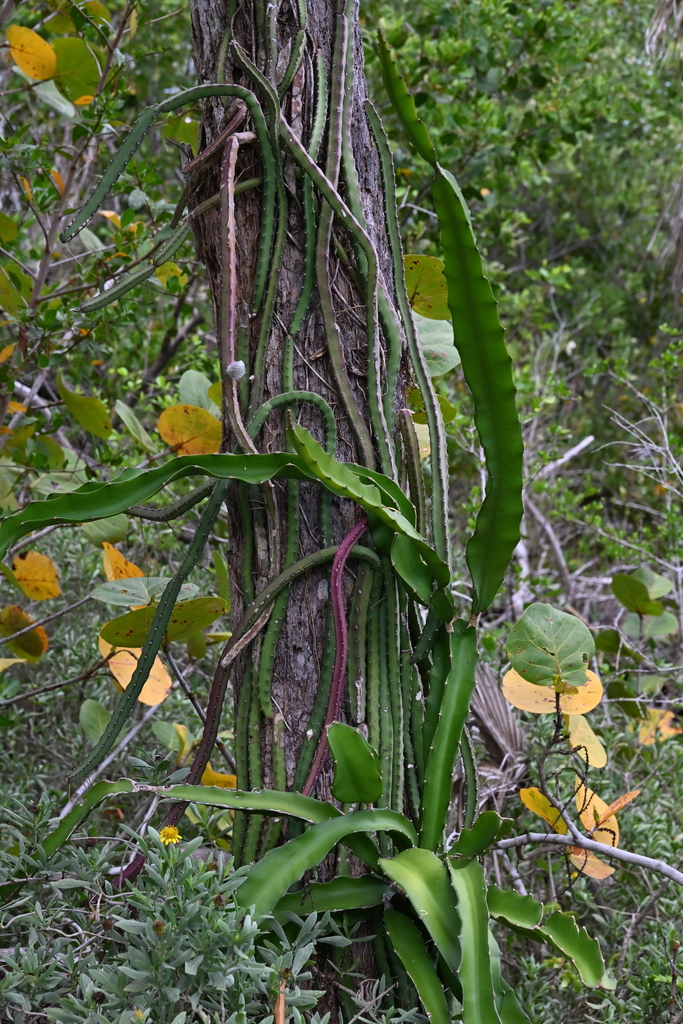
Selenicereus grandiflorus, the Queen Of The Night, is a sprawling, clambering cactus with long, slender stems that can exceed 10 metres in length. The stems are branching and sometimes form dense tangles, producing aerial roots that allow the plant to climb and anchor itself to host trees or structures. Stem thickness ranges from 15–25 millimetres (occasionally up to 30 millimetres), making them relatively thin and flexible compared to most cacti, an adaptation suited to their epiphytic lifestyle in tropical forests.
Stem and Spine Structure
The stems bear 4 to 10 low ribs separated by broad, rounded intervals that may be slightly wavy or strongly knobby, especially on older growth. Small areoles (the spine-bearing nodes of cacti) are spaced 12–20 millimetres apart and appear woolly white or greyish white. Spines are highly variable, numbering between 5 and 18 per areole and measuring 4.5–12 millimetres long. They are acicular (needle-like) or elliptic in cross-section, yellowish brown to brownish when young, fading to grey and eventually dropping as the stem matures. Fine white or brownish hairs often emerge from the lower portion of the areoles, adding to the plant’s distinctive textured appearance.
The plant typically occurs at average elevations around 198 metres, thriving in tropical humid forests where it exploits trees as support structures. This architectural flexibility—combining long scandent stems, aerial rootlets, and deciduous spination—enables Selenicereus grandiflorus to thrive as an epiphyte while remaining highly recognizable among night-blooming cacti.
Distribution and Habitat
Selenicereus grandiflorus, the Queen of the Night, is distributed across the Caribbean and Central American tropics, with the highest concentration of records in Mexico. GBIF records document the species across 13 countries, with Mexico alone accounting for 124 observations—significantly more than any other region. The Cayman Islands (73 records) and the US Virgin Islands (39 records) represent secondary centres of occurrence, reflecting both natural distribution and cultivated populations in these island territories.
Beyond these primary regions, the species appears in scattered locations throughout Central America and the Caribbean. Honduras records 6 observations, Cuba 5, Belize 4, Jamaica 3, and Guatemala 2. Isolated records from Brazil and the United States indicate either naturalized populations or cultivation outside the native range. The species tolerates an exceptionally wide elevation gradient, occurring from sea level (−22 metres) to 1,556 metres, though it concentrates at lower elevations with a mean of 198.5 metres.
Seasonal occurrence data reveal a marked peak in December, when sightings spike to 65 records—more than double the monthly average. This pattern likely reflects both the flowering period of the species and increased human observation during the dry season in its range. Observations remain relatively consistent from February through August, suggesting year-round presence in suitable locations, before declining sharply in September and October.
Growth and Cultivation
Growth
Selenicereus grandiflorus is an epiphytic climbing cactus native to Central America and Mexico. In its natural habitat, it grows as a scrambling vine, using aerial rootlets to climb trees and other support structures. The plant develops long, slender, flattened stems that can extend several metres in length, creating an open, spreading form. Growth is typically moderate, with the plant gradually establishing itself over time when provided with suitable conditions.
The stems are pale green and relatively thin compared to many cacti, featuring small spines along the ridges. This architectural form makes the species well-suited to vertical growing in cultivation, whether on trellises, hanging baskets, or along walls.
Flowering
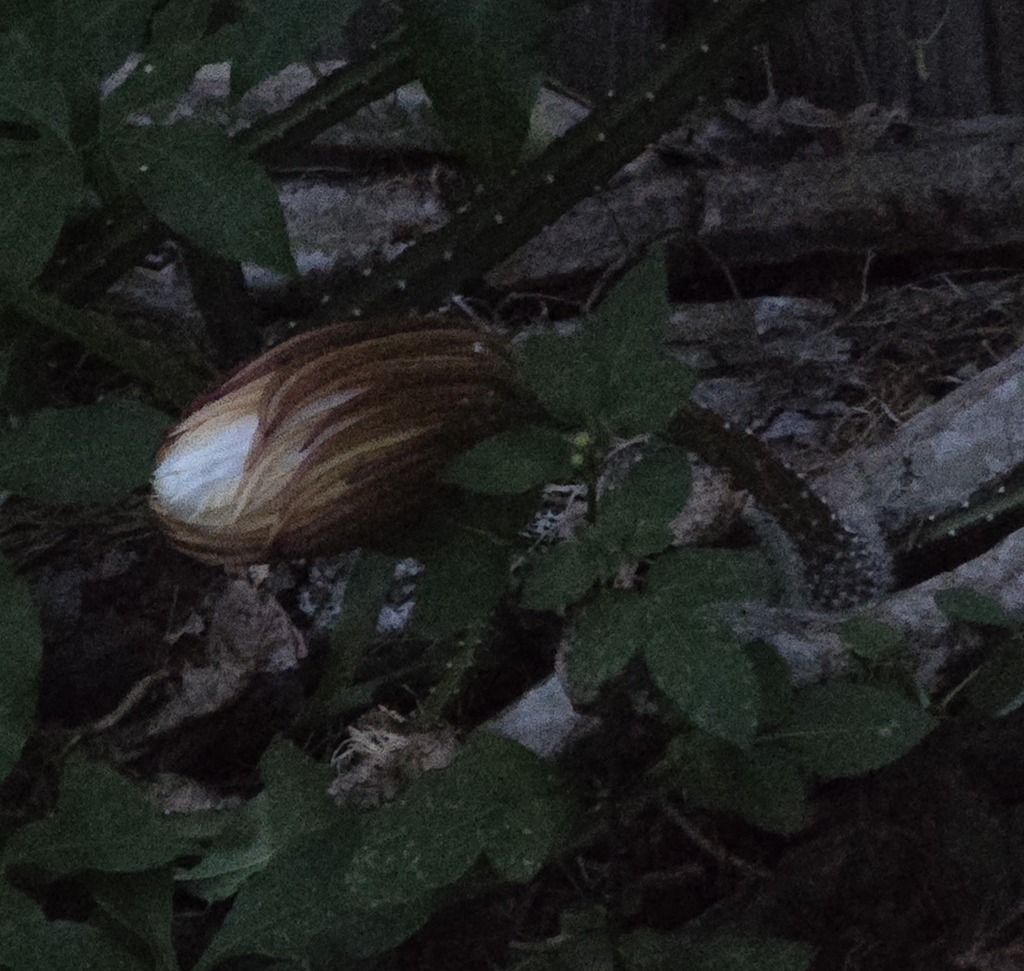
The most distinctive feature of Queen Of The Night is its spectacular nocturnal flowering. Large, fragrant blooms emerge from the sides of the stems, typically opening at night and closing by dawn. The flowers are cream to white in color, with numerous petals and prominent stamens, and emit a strong, sweet fragrance designed to attract night-flying pollinators. Following successful pollination, the plant develops edible fruit, though seed production in cultivation depends on hand pollination or the presence of appropriate pollinators.
Cultivation
Queen Of The Night thrives in bright, indirect light but tolerates some shade, particularly in warmer climates where afternoon sun can be intense. The plant prefers well-draining soil with organic matter, typical of its epiphytic origins in forest canopies. Water moderately during the growing season, allowing soil to dry slightly between waterings; reduce watering in winter when growth slows. The species is sensitive to cold and frost; in regions with freezing temperatures, it should be grown indoors or in a greenhouse.
Feed monthly with a balanced or slightly higher-phosphorus fertilizer during the growing season to encourage flower production. Humidity is beneficial and helps prevent spider mites. Because flowering is initiated in cooler months, a winter rest period with reduced watering and cooler temperatures (around 10–15°C) often triggers more abundant blooms. The plant is relatively pest-resistant when conditions are optimal.
Conservation and Threats
Selenicereus grandiflorus, the Queen of the Night, is classified as Least Concern on the IUCN Red List. This designation indicates that the species is not currently facing an immediate risk of extinction and does not meet the thresholds for threatened status. The stable classification reflects the species’ wide cultivation in horticultural collections worldwide and its resilience in both wild and cultivated settings.
Threats
No major documented threats currently pose a significant risk to wild populations of Queen of the Night. The species’ primary conservation concern historically has been habitat loss in its native range in Mexico and Central America, though specific, quantified threats to extant wild populations are not well documented in current scientific literature. As an epiphytic cactus with a relatively wide native range, the species has demonstrated adaptability across varied ecological conditions.
Conservation Efforts
The widespread cultivation of Selenicereus grandiflorus in botanical gardens, nurseries, and private collections worldwide has created an effective informal conservation buffer. This horticultural distribution reduces the risk of total population loss and maintains genetic diversity in cultivated stock. The species is not subject to international trade restrictions under CITES, reflecting its stable status and the abundance of cultivated specimens available to meet market demand.
Fun Facts
Selenicereus grandiflorus, the Queen of the Night, is one of the most misidentified plants in horticulture. What you buy under this name is likely something else entirely—a fact that has puzzled collectors and botanists for decades.
- The common name “Queen of the Night” refers to the plant’s stunning nocturnal blooms—large, fragrant white flowers that open only after dark and wilt by morning, making them fleeting botanical spectacles.
- Most cultivated plants labeled Selenicereus grandiflorus are actually Epiphyllum species or hybrids, a confusion so widespread that many botanists treat the true species as functionally lost from the houseplant trade.
- The plant is native to the Antilles, Mexico, and Central America, where it grows as an epiphytic cactus clinging to tree branches in humid tropical forests rather than rooting in soil.
- Its alternative names—night-blooming cereus, sweet-scented cactus, and vanilla cactus—all reference either its nocturnal flowering or its intense, intoxicating fragrance, which intensifies after sunset.
- The flowers of authentic Selenicereus grandiflorus can reach 30 centimetres or more in diameter, making them among the largest blooms produced by any cactus species relative to plant size.
- Distinguishing the true species from imposters requires expert knowledge of spine structure, stem thickness, and flower anatomy—characteristics that remain obscure to most gardeners because genuine specimens are so inaccessible.
- The plant’s epiphytic habit means it evolved to absorb moisture and nutrients from decaying organic matter and rain on tree branches, not from desert soil, making it far more tolerant of humidity than typical cacti.
Photo Gallery
no rights reserved · CC0 1.0
Related Species


Was this profile helpful?