
Polypodiopsida · Polypodiales
Bracken
Pteridium aquilinum
Also known as: Bracken / Fern, Bracken Fern, Brackenfern, Brake, Northern Bracken Fern
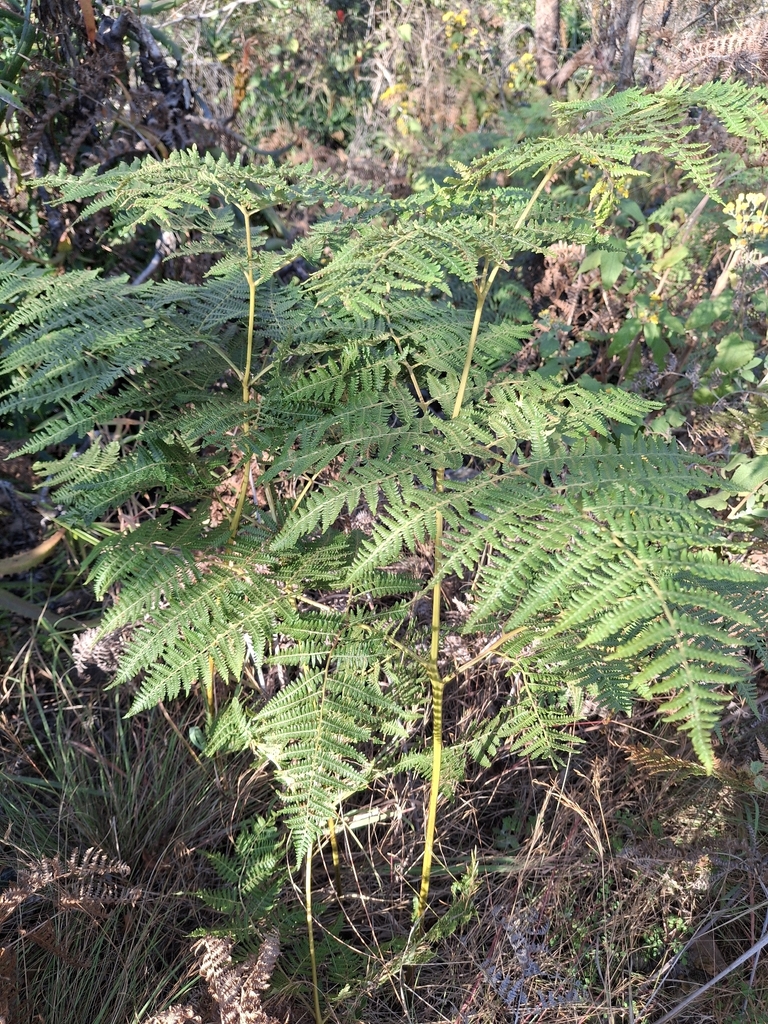
© Vincent Egan · iNaturalist · CC BY-NC 4.0
Scientific Classification & Quick Facts
Classification
Known For
Detailed measurements for this species are still being verified.
Pteridium aquilinum, commonly known as bracken, is one of the world’s most successful ferns, dominating landscapes across more than 21 countries on multiple continents. With its distinctive triangular fronds unfurling in spring, this plant transforms hillsides, moorlands, and forest edges into seas of green. Yet beneath its familiar appearance lies a fern of remarkable ecological ambition—one that has conquered temperate and tropical regions through aggressive expansion and resilience.
The fern’s conservation status remains unlisted, reflecting neither threat nor special protection—a status that underscores how well adapted it is to human-modified environments. From temperate woodlands to tropical highlands, bracken thrives where disturbance creates opportunity, outcompeting native vegetation through rapid growth and chemical defenses. Its ability to colonize disturbed ground, combined with its toxicity to livestock, makes bracken equally notable as a botanical success story and an ecological concern, depending on perspective and geography.
Identification and Appearance
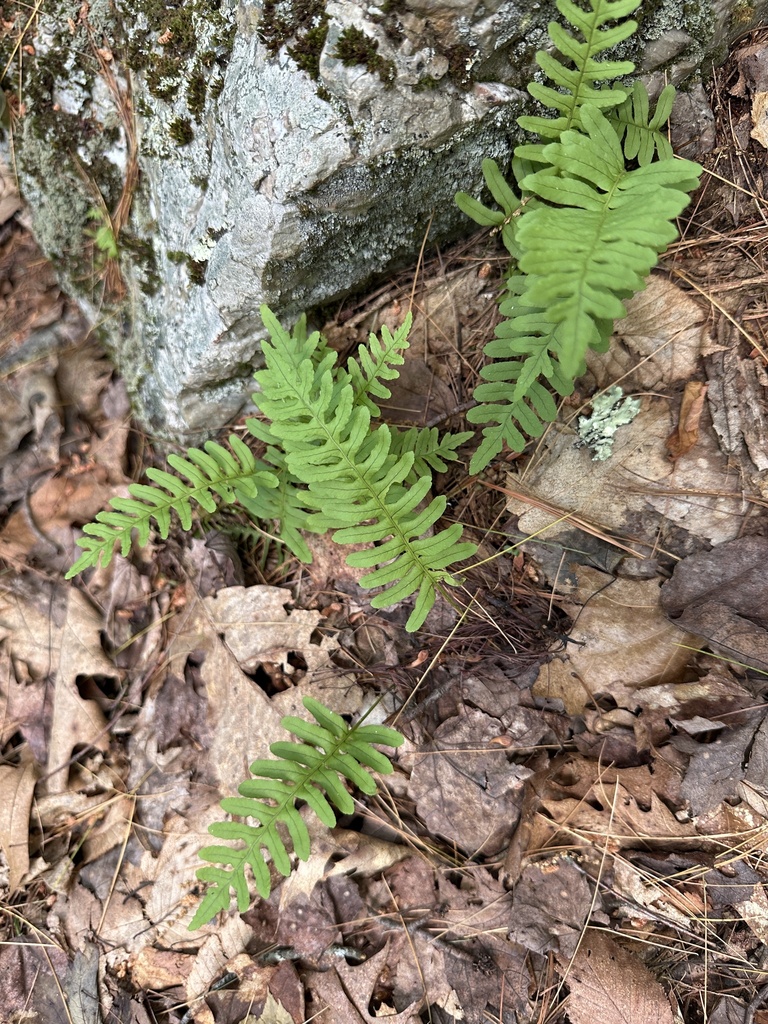
Pteridium aquilinum, known as bracken, is a herbaceous perennial fern with distinctive large fronds that emerge individually from an underground rhizome system. The fronds are roughly triangular in outline and highly divided, giving the plant a feathery appearance. Mature fronds typically reach 0.3 to 1 metre in height, with the main stem (stipe) measuring up to 1 centimetre in diameter at its base. The plant is deciduous, dying back completely to ground level each autumn.
Rhizome and Underground Structure
The true strength of bracken lies in its extensive underground rhizome system, which is the key to its survival and rapid spread. These rhizomes grow up to 3.5 metres deep and can extend horizontally for up to 15 metres, with a diameter of approximately 5 centimetres. Because the plant regenerates from this buried network each spring, individual fronds may be temporary but the colony itself is remarkably persistent. This subterranean architecture allows bracken to colonise disturbed ground, recover from cutting or burning, and gradually expand its territory over years.
The fronds themselves display the typical fern structure: they are compound, with smaller leaflets arranged along a central axis, creating a lacy, intricately divided silhouette. Colour varies seasonally from fresh green in spring through darker shades in summer, to brown and withered in autumn before the plant retreats entirely below ground. No sexual dimorphism is evident; individual plants produce both spore-bearing structures in the same fronds.
Distribution and Habitat
Pteridium aquilinum occurs across 21 countries, with its strongest presence in South Africa, the United States, and Russia. GBIF records show 70 observations from South Africa, 58 from the United States, and 43 from Russia, making these three regions the primary centres of recorded distribution. Additional significant populations are documented in Spain and Sweden (18 records each), Canada and France (16 records each), and Portugal (14 records). The species is also present in Austria, Great Britain, and smaller populations in other temperate and subtropical regions worldwide.
Elevation preferences for bracken range from approximately 490 metres to 1,525 metres above sea level, with an average occurrence at 1,009 metres. The species demonstrates broad vertical distribution, indicating tolerance of both lowland and montane environments. This wide elevational range reflects bracken’s adaptive capacity to diverse topographic conditions across different continents.
Peak observation records occur in January, suggesting either enhanced detection during that month or seasonal prominence in certain regions of the species’ range. The concentration of records within a single month warrants caution in interpreting true seasonal patterns, as this may reflect sampling bias or phenological visibility rather than exclusive presence.
Growth and Cultivation
Growth
Pteridium aquilinum, known as bracken, is a rhizomatous perennial fern that spreads vigorously through underground stems. The fronds emerge in spring and can reach 0.6 to 2 metres in height depending on growing conditions and local subspecies variation. Its growth habit is deciduous in temperate regions, with fronds dying back in autumn and regrowing from the rhizome each season. Bracken establishes quickly once established, and its sprawling rhizomatous system allows it to colonise large areas rapidly, making it one of the most abundant ferns globally.
The fronds are large and triangular in outline, typically three-times pinnate, with a distinctive appearance that makes bracken easily recognisable in the field. Young fiddleheads unfurl in spring with a characteristic crozier shape before expanding into full fronds. The plant’s robust growth and ability to tolerate poor soils and acidic conditions have made it a dominant species in many ecosystems, from heathlands to woodland margins and disturbed ground.
Flowering and Reproduction
Bracken does not produce flowers in the conventional sense. Instead, it reproduces via spores, which develop in specialised structures called sporangia located on the undersides of mature fronds. These sori (clusters of sporangia) become visible from midsummer onwards as dark brown lines running along the frond segments. Spore release typically peaks in late summer and autumn, when conditions are driest, and millions of spores disperse on the wind to colonise new areas. Sexual reproduction via gametophytes is relatively rare in most populations; the plant primarily spreads through vegetative reproduction via its rhizomatous network.
Cultivation
Bracken is extremely adaptable and thrives across a wide range of soil types, though it shows a marked preference for acidic soils. The plant tolerates poor, infertile ground and is often found on sandy heaths, gravels, and disturbed sites where other vegetation struggles. It grows in both full sun and partial shade, making it flexible in its light requirements, though it reaches maximum frond height in open, sunny positions. Bracken is drought-tolerant once established, relying on its deep rhizomatous system to access moisture, and requires minimal supplemental watering in most climates.
In cultivation, bracken spreads readily and can become invasive if not managed, particularly in disturbed or degraded areas. It requires no special feeding and actually prefers nutrient-poor conditions. The plant is hardy across temperate zones and can withstand freezing winters, with the rhizome persisting underground even when all above-ground material is killed by frost. Control of established bracken populations typically involves repeated cutting, burning, or herbicide application, as removing individual plants leaves the extensive rhizomes intact and capable of vigorous regrowth.
Conservation and Threats
Pteridium aquilinum, commonly known as bracken, has not been formally assessed by the International Union for Conservation of Nature (IUCN) and therefore lacks a Red List status. This absence of formal assessment reflects the species’ widespread distribution and abundance across temperate regions worldwide. The lack of conservation listing does not indicate vulnerability; rather, bracken is a robust and expansive fern with a stable to increasing global population trend.
Population Status and Trends
Bracken populations are expanding rather than declining. The species thrives in disturbed habitats, open woodlands, heathlands, and grasslands across the Northern Hemisphere and Southern Hemisphere, where it often becomes dominant following human land use changes. Its capacity to spread via rhizomes and spores, combined with its competitive advantage in colonizing cleared or degraded land, has made it one of the world’s most successful fern species. In many regions, bracken expansion is monitored not as a conservation concern but as an invasive management issue, particularly in areas where it displaces native vegetation or reduces grazing land productivity.
Conservation Efforts and Legal Status
Bracken does not face international legal protection, as it is not threatened with extinction. Instead, many jurisdictions focus management efforts on controlling bracken spread in agricultural, conservation, and forest settings. In parts of Europe and Asia, control programs use mechanical removal, herbicide application, or livestock grazing to prevent bracken from overwhelming more economically or ecologically valuable habitats. Some conservation initiatives value bracken as habitat for ground-nesting birds and invertebrates, recognizing its ecological role in early-successional ecosystems.
Fun Facts
Pteridium aquilinum, commonly called bracken, is one of the most successful ferns on Earth. Despite its humble appearance as a common woodland plant, it possesses remarkable traits that have allowed it to colonise nearly every continent and dominate vast tracts of land.
- Bracken’s spores are extraordinarily light and easily carried by air currents, enabling dispersal across ocean basins and continents. This microscopic wandering explains how a single species came to occupy both temperate and subtropical regions across both hemispheres.
- Originally native to Eurasia and North America, bracken now has a cosmopolitan distribution—making it one of the most widely distributed ferns in the world. It thrives on every continent except Antarctica.
- A single bracken frond can produce millions of spores from the tiny structures on its undersurface, giving the fern an almost overwhelming reproductive advantage in suitable habitats.
- Bracken spreads not only by spores but also by underground rhizomes that can extend several metres through soil, allowing established patches to expand relentlessly year after year.
- Young bracken fronds, called fiddleheads because of their tight spiral shape, are edible when properly prepared and are considered a delicacy in Japanese, Korean, and some European cuisines. However, raw or improperly cooked fronds contain compounds linked to cancer risk in livestock and potentially in humans.
- Bracken is so effective at colonising disturbed land that it has become invasive in many regions where it was introduced, sometimes forming dense monocultures that exclude other plant species.
- Despite being a fern—a plant group that dominated ancient forests 300 million years ago—bracken is a relative newcomer, having evolved only within the last few million years yet achieving remarkable ecological success.
Ecology
Habitats
Growing Conditions
Edibility
Photo Gallery
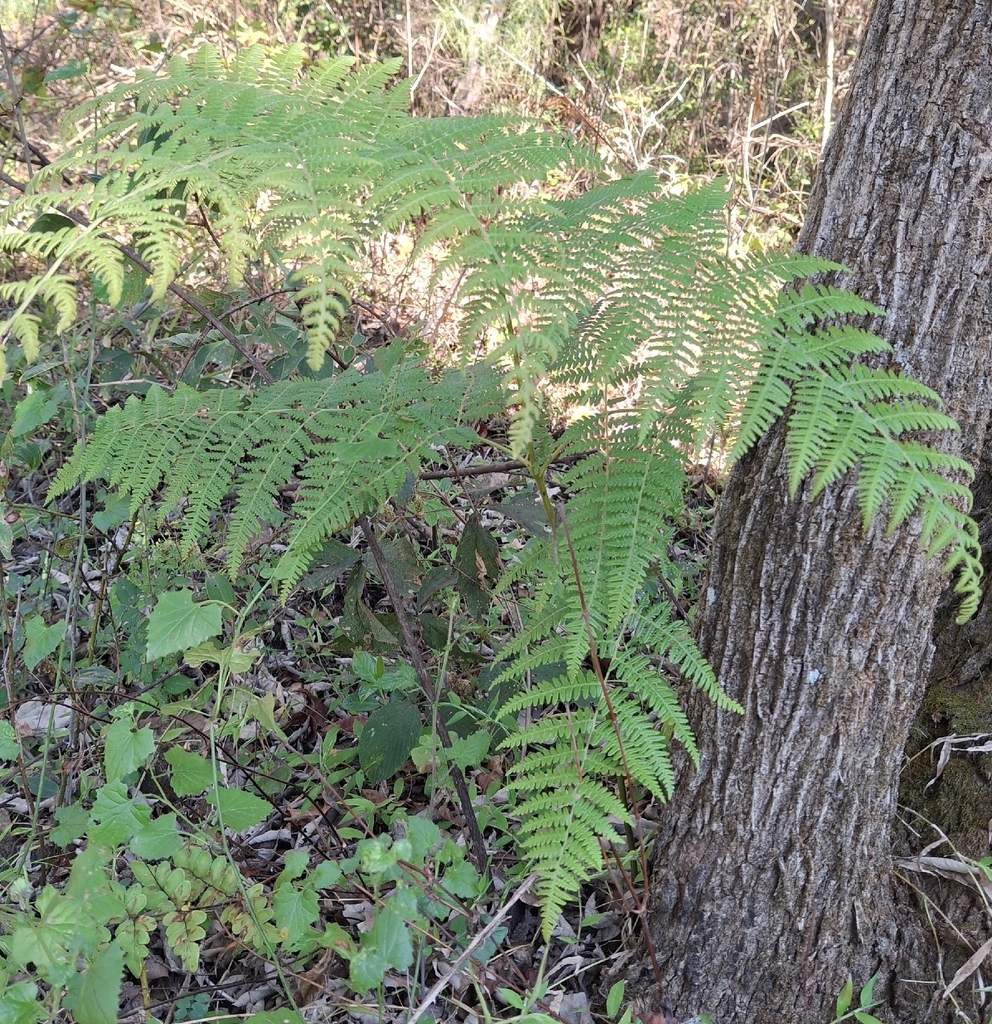
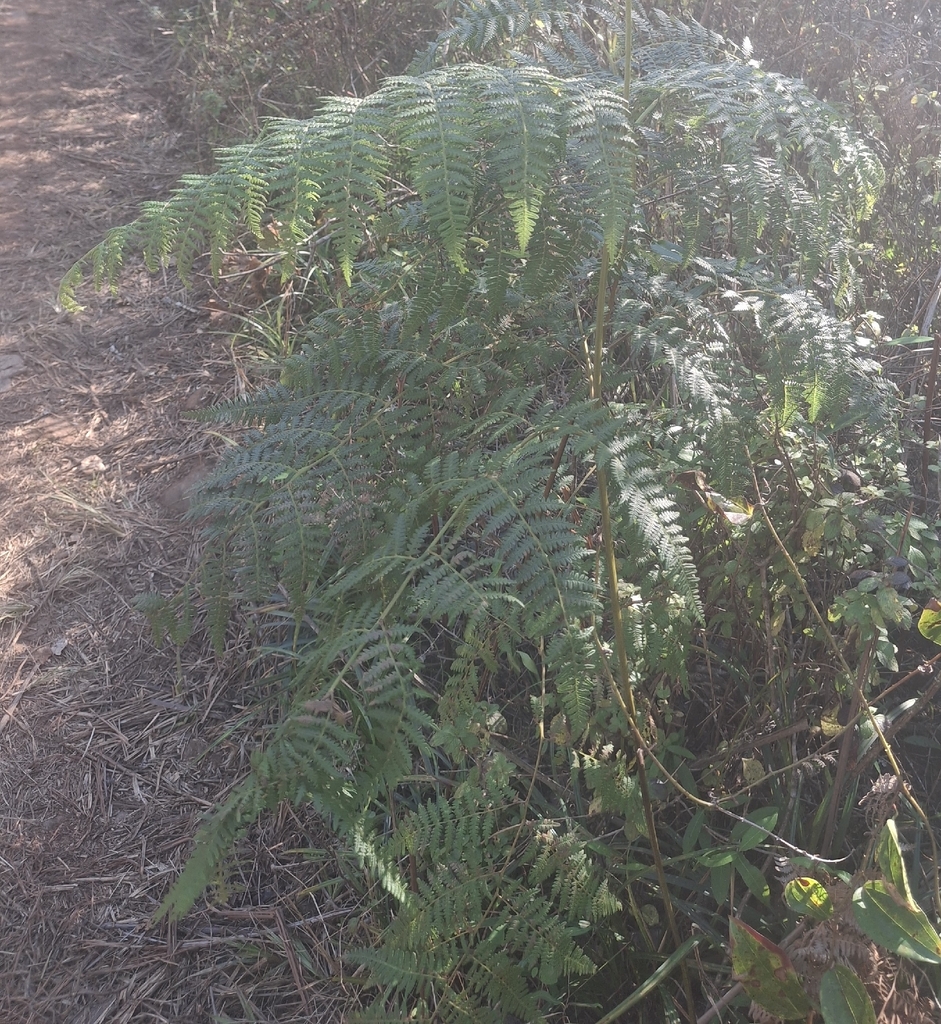
Vincent Egan · CC BY-NC 4.0
Related Species
Was this profile helpful?