
Liliopsida · Liliales
Autumn Crocus
Colchicum autumnale
Least ConcernAlso known as: Colchicum, Meadow Saffron, Naked Ladies
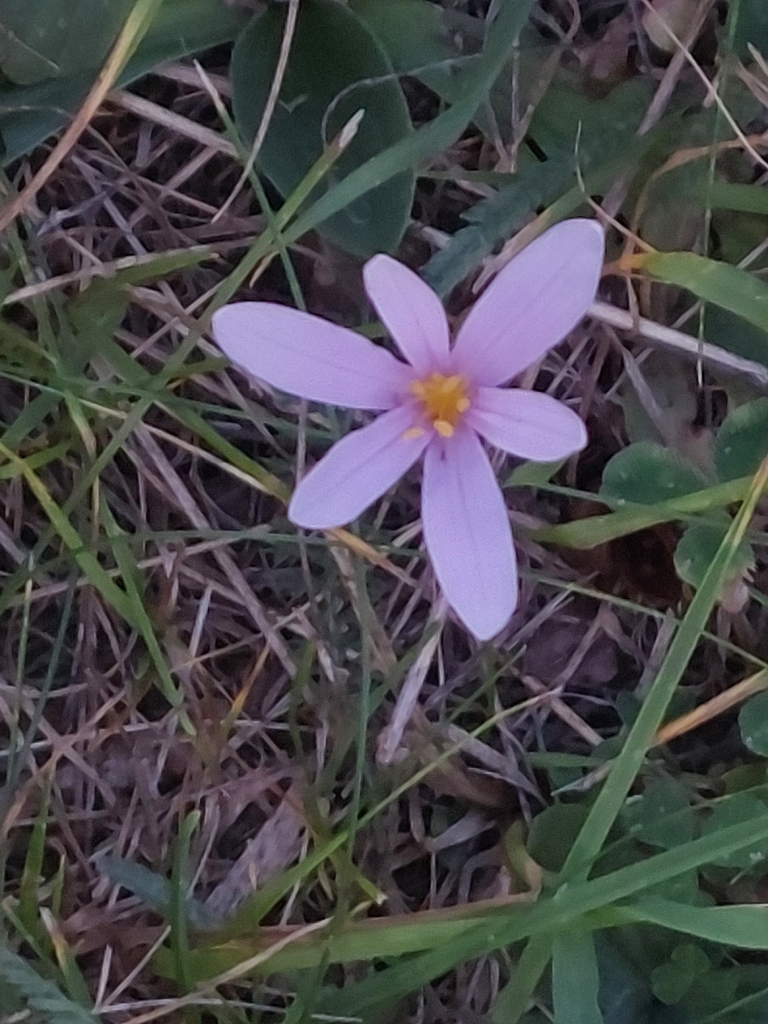
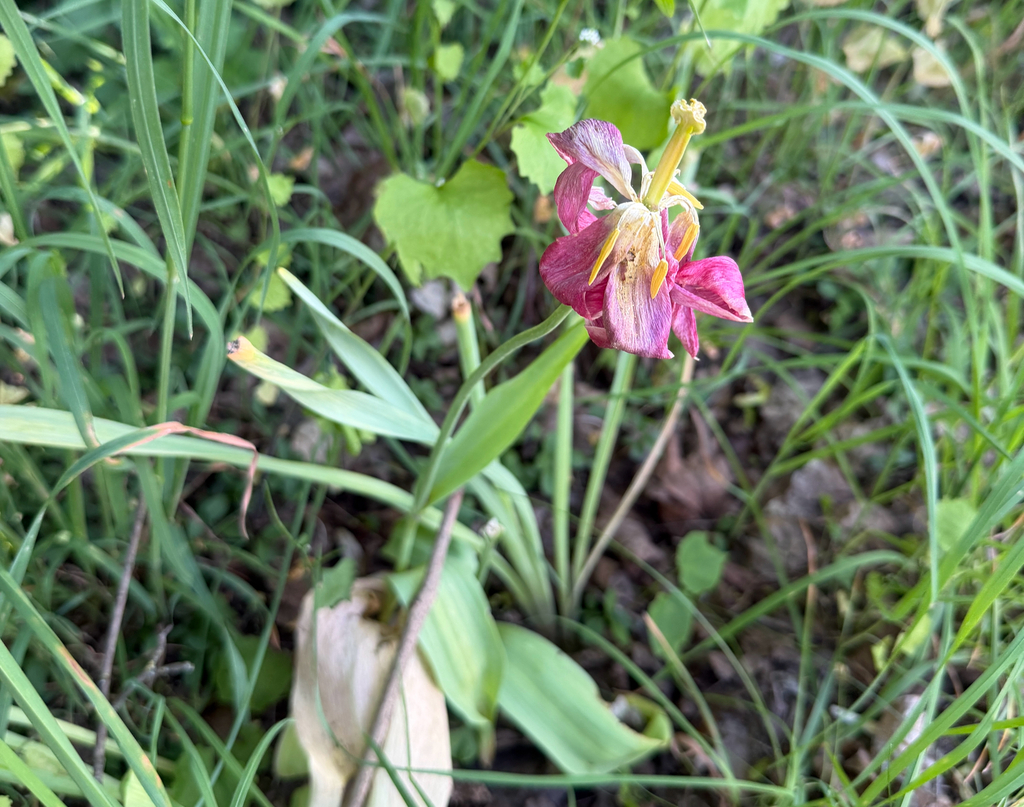
© Roberto Cirio · iNaturalist · CC BY 4.0
Scientific Classification & Quick Facts
Classification
Known For
Detailed measurements for this species are still being verified.
Colchicum autumnale, the Autumn Crocus, defies the spring blooming habit most gardeners expect from crocus-like flowers. Instead, it erupts in flower during autumn’s cooling months, when much of the herbaceous world is retreating underground. This deciduous perennial native to meadows and woodlands across Europe and western Asia has spread to cultivation worldwide, appearing in 17 countries across multiple continents. Its conservation status remains Least Concern, reflecting its resilience and widespread distribution in suitable habitats.
The species belongs to the family Colchicaceae, a group of autumn-flowering bulbous plants often mistaken for true crocuses (genus Crocus, family Iridaceae). What distinguishes Colchicum autumnale is not merely its timing but its complex life cycle: leaves emerge and die back the following spring, leaving no visible plant during the growing season when flowers have already come and gone. This temporal inversion makes it a paradox in temperate gardens, offering color when few other perennials dare to bloom, yet remaining cryptic and leafless during the months most plants are in full growth.
Identification and Appearance
Colchicum autumnale is a herbaceous perennial with a distinctive growth pattern and delicate flowers. The plant produces long, lance-shaped leaves that reach up to 25 centimetres in length, though these emerge after flowering has finished, appearing in spring rather than autumn. The flowers themselves are the plant’s most striking feature, blooming in isolation on slender stems with an open face measuring 4–7 centimetres across.
Flowers and Reproductive Structure
Each flower comprises six tepals (petal-like segments) that are typically pale lilac to purple-pink, sometimes nearly white, arranged in a cup-shaped bloom. The flower’s interior displays six stamens with distinctive orange anthers and three white styles. A remarkable aspect of Colchicum autumnale is the position of its ovary—at the moment of fertilisation, the ovary remains below ground level, hidden within the corm (the bulb-like underground storage organ), while the flower develops above the soil. This unusual arrangement means that the developing fruit does not become visible until the following spring, when the foliage emerges and the fruiting ovary rises closer to the surface.
Distribution and Habitat
Colchicum autumnale is native to central and western Europe, with its range concentrated in the Alpine and pre-Alpine regions. The species occurs across 17 countries, with the strongest populations documented in Austria (97 records), Germany (68 records), and the Netherlands (39 records). Additional populations are found in the Czech Republic, Hungary, France, Switzerland, Italy, Slovenia, and Croatia, indicating a broad but distinct geographic footprint across temperate Europe.
The species shows a clear preference for temperate continental and oceanic climates typical of the Central European lowlands and mountainous terrain. While specific elevation data are not available, historical records and field observations suggest Colchicum autumnale thrives from valley floors to moderate elevations across mixed grasslands, meadows, and open woodland edges. The plant favors moist, well-drained soils where it can establish stable populations.
Seasonal activity is strongly concentrated in spring months. Peak observation records occur in April (190 records), with substantial detections in March (103 records) and February (6 records). This pattern reflects the species’ characteristic spring flowering and early vegetative growth, despite its common name referring to autumn corm development. The absence of records during summer through winter months indicates dormancy during the warm season, with emergence timed to spring conditions rather than autumn flowering as the name might suggest.
Growth and Cultivation
Growth
Colchicum autumnale is a herbaceous perennial that emerges from underground corms, the storage organs that enable the plant to survive dormant periods and regenerate each season. The plant produces elongated, strap-like leaves that typically reach 20–30 centimetres in height, growing in a basal rosette formation. These leaves appear in spring after the flowers have faded, channelling energy back into the corm for the next flowering cycle. The corms themselves are roughly spherical and buried 5–10 centimetres below the soil surface.
Growth is relatively modest and slow compared to many herbaceous perennials. The plant invests most of its energy into producing flowers rather than vegetative bulk, making it an economical choice for garden spaces where compact plant material is preferred. Established clumps gradually expand as daughter cormlets develop around the parent corm, eventually forming small colonies if left undisturbed.
Flowering
Autumn Crocus flowers in autumn, typically from September through November in temperate regions of the Northern Hemisphere. The flowers are distinctive: crocus-like blooms in shades of pink, purple, or white that emerge directly from the soil before the leaves appear. Each corm produces multiple flowers—sometimes 3 to 5 per plant—creating a striking autumnal display when other garden plants are fading. The flowers are relatively short-lived, opening during mild days and closing at night or in poor weather.
Following pollination, the plant develops seed capsules that mature underground during winter and spring. The seeds are small and dispersed by soil disturbance or by ants in some populations. Many gardeners remove spent flowers to encourage the plant to direct resources into corm enlargement rather than seed production, though allowing some seeding creates opportunities for natural colonisation.
Cultivation
Autumn Crocus thrives in well-drained soil and tolerates a wide range of soil types, from sandy to loamy substrates, provided waterlogging is avoided during dormancy. The plant prefers full sun to partial shade and benefits from at least 4–6 hours of direct sunlight daily for optimal flowering. Plant corms in late summer (July–August) at a depth of 5–10 centimetres, spacing them 10–15 centimetres apart. Once established, the species requires minimal maintenance and is highly cold-hardy in temperate and continental climates.
Water moderately during the growing season (spring and autumn), but reduce watering significantly once the leaves have died back in early summer. The plant is naturally drought-tolerant once established, as the corm stores sufficient moisture to sustain the plant through dry spells. Fertiliser is rarely necessary if the corms are planted in reasonably fertile soil; excessive nitrogen promotes leafy growth at the expense of flowers.
Conservation and Threats
Colchicum autumnale, the Autumn Crocus, holds a conservation status of Least Concern on the IUCN Red List. This designation reflects that the species is widespread across Europe and maintains stable populations across much of its native range. The species’ ability to thrive in cultivated gardens and semi-natural habitats has contributed to its secure status, though localised declines have occurred in some regions due to habitat loss.
Threats
Specific threat data for Colchicum autumnale remains limited in scientific literature, yet the species faces pressures common to European wild plants. Loss of meadow and grassland habitats through agricultural intensification, urban development, and conversion to arable farmland poses a risk to wild populations. In some areas, overcollection for horticulture has depleted local colonies, though this threat is now reduced by widespread cultivation in gardens and nurseries.
Conservation Efforts
The Autumn Crocus benefits from informal protection through its popularity in ornamental horticulture, which has reduced pressure on wild populations. Many European meadows designated as protected sites or managed under agri-environmental schemes support healthy populations of this species. Legal protections vary by country; in certain regions, collecting wild plants is restricted to prevent depletion of natural colonies.
Cultural Significance
Colchicum autumnale has a limited documented cultural record in the provided sources. The species is best known today through its pharmaceutical properties rather than through folklore, mythology, or artistic tradition. Its alkaloid colchicine, extracted from the plant’s tissues, has become a cornerstone of modern medicine and botanical research.
In contemporary usage, the plant’s primary significance lies in its role as a source material for treating gout and familial Mediterranean fever. This medical application has shaped how the species is discussed in scientific and health contexts, overshadowing any historical cultural associations that may have existed in traditional European herbalism. The autumn crocus appears in botanical gardens and wild flower surveys across its native and introduced ranges, valued by naturalists for its distinctive late-season bloom rather than for ceremonial or symbolic purposes.
Fun Facts
- Flowers bloom before leaves appear. Colchicum autumnale produces its delicate lilac-pink flowers directly from the ground in autumn, with the foliage only emerging the following spring—a peculiar timing that earned it the colloquial names ‘naked boys’ or ‘naked ladies’ in many European regions.
- It is not the source of saffron, despite its misleading common name. Called ‘meadow saffron’ in English and German-speaking countries, Colchicum autumnale has no connection to actual saffron, which is derived exclusively from Crocus sativus, a plant from an entirely different family.
- It belongs to a different plant family than true crocuses. Colchicum autumnale is classified in the family Colchicaceae, whereas true crocuses belong to Iridaceae, making them botanically unrelated despite their superficial floral resemblance.
- All parts of the plant are highly toxic. The entire plant, including the corm, contains colchicine and other alkaloids that cause severe gastrointestinal distress, cardiac arrhythmias, and potential organ damage—making accidental ingestion particularly dangerous given its visual similarity to edible crocus species.
- Colchicine has served medicinal purposes for centuries. Despite its toxicity, the alkaloid colchicine extracted from Colchicum autumnale has been used medically to treat gout and familial Mediterranean fever, though modern pharmaceutical preparations use synthetic or semi-synthetic derivatives with safer dosing profiles.
- It is widespread across European meadows and grasslands. Colchicum autumnale thrives in moist meadows and woodland edges from Britain and Scandinavia south to the Alps and Balkans, where autumn blooms create striking carpets of colour in otherwise dormant landscapes.
- The plant’s autumn flowering is an adaptation to avoid spring competition. By blooming when other plants are dormant and pollinating insects are scarce, Colchicum autumnale exploits a niche ecological window, ensuring successful reproduction in crowded meadow ecosystems.
Ecology
Growing Conditions
Edibility
Conservation Status
LC (Least Concern) · NT · VU · EN · CR · EW · EX
Photo Gallery
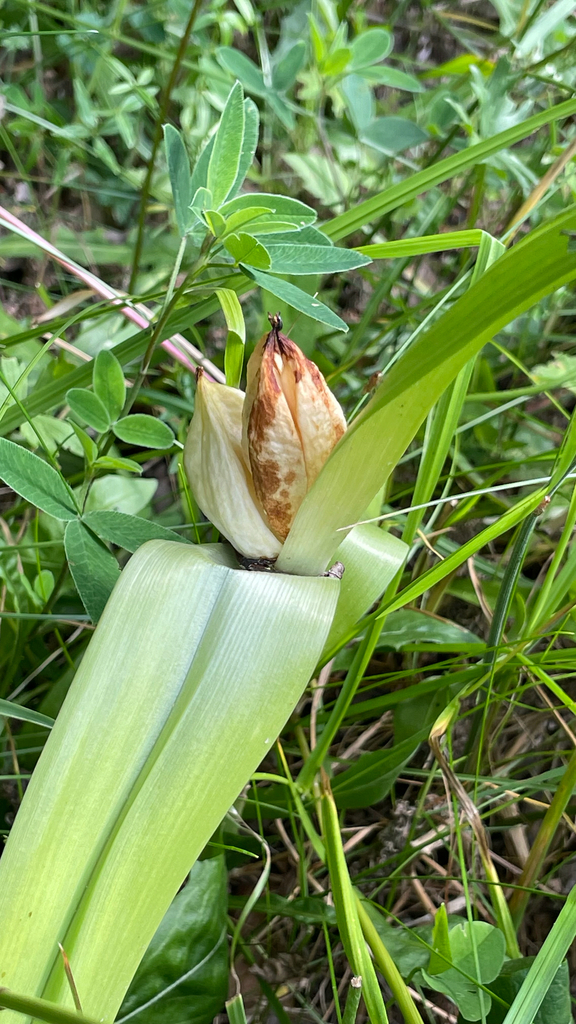
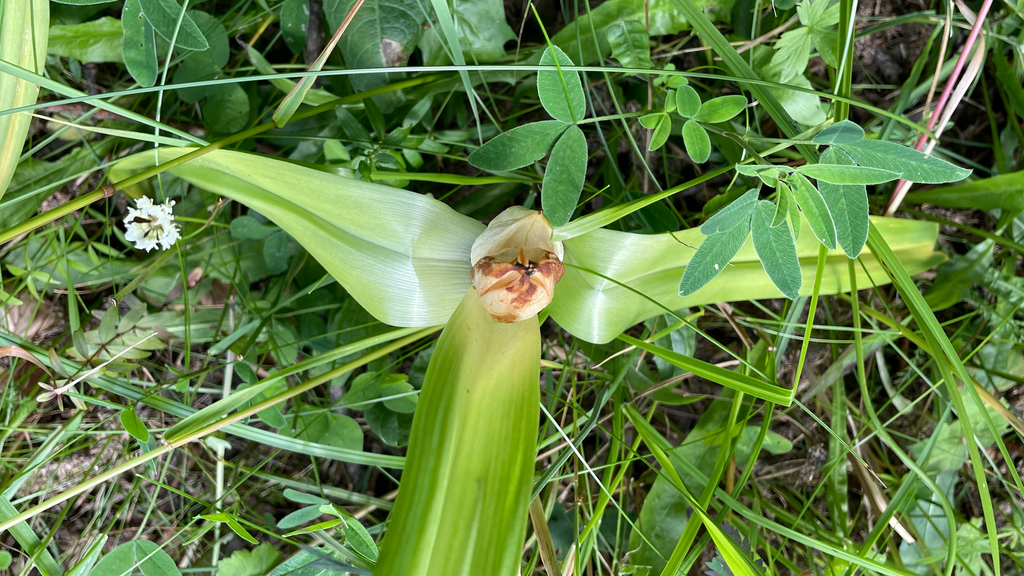
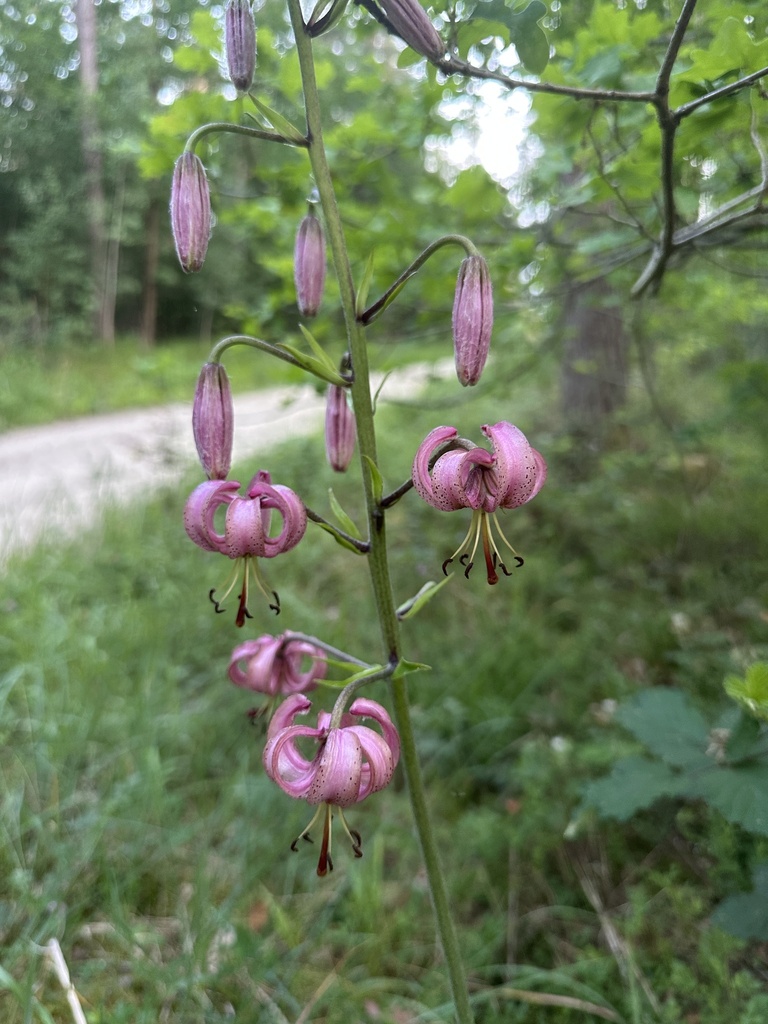
Roberto Cirio · CC BY 4.0
Related Species
Was this profile helpful?