
Liliopsida · Liliales
Madonna Lily
Lilium candidum
Also known as: White Lily, white lily
© Roman · iNaturalist · CC BY 4.0
Scientific Classification & Quick Facts
Classification
Known For
Detailed measurements for this species are still being verified.
The Madonna Lily stands among the most recognizable and historically significant flowering plants in human culture. With its pristine white trumpet-shaped flowers and powerful fragrance, Lilium candidum has graced gardens, religious artwork, and ceremonial arrangements for millennia. This bulbous perennial belongs to the Liliaceae family and occurs across at least 23 countries, primarily throughout the Mediterranean region and temperate zones of Europe and Asia.
Despite its global prominence in horticulture, the species carries an Unknown conservation status, reflecting both its widespread cultivation and the mysteries surrounding its natural ecology. What makes the Madonna Lily especially compelling is the tension between its iconic status in art and gardening and the relative scarcity of detailed scientific knowledge about its wild populations and ecological requirements.
Identification and Appearance
Lilium candidum is a striking herbaceous perennial that grows from a bulb positioned at ground level. The plant reaches a typical height of 1.2 metres, though vigorous specimens may extend to 2 metres tall. Unlike most lily species, the Madonna Lily exhibits a distinctive winter growth pattern: it produces a basal rosette of leaves during the colder months, which subsequently die back as summer approaches. A leafy floral stem then emerges in late spring, bearing the plant’s characteristic flowers.
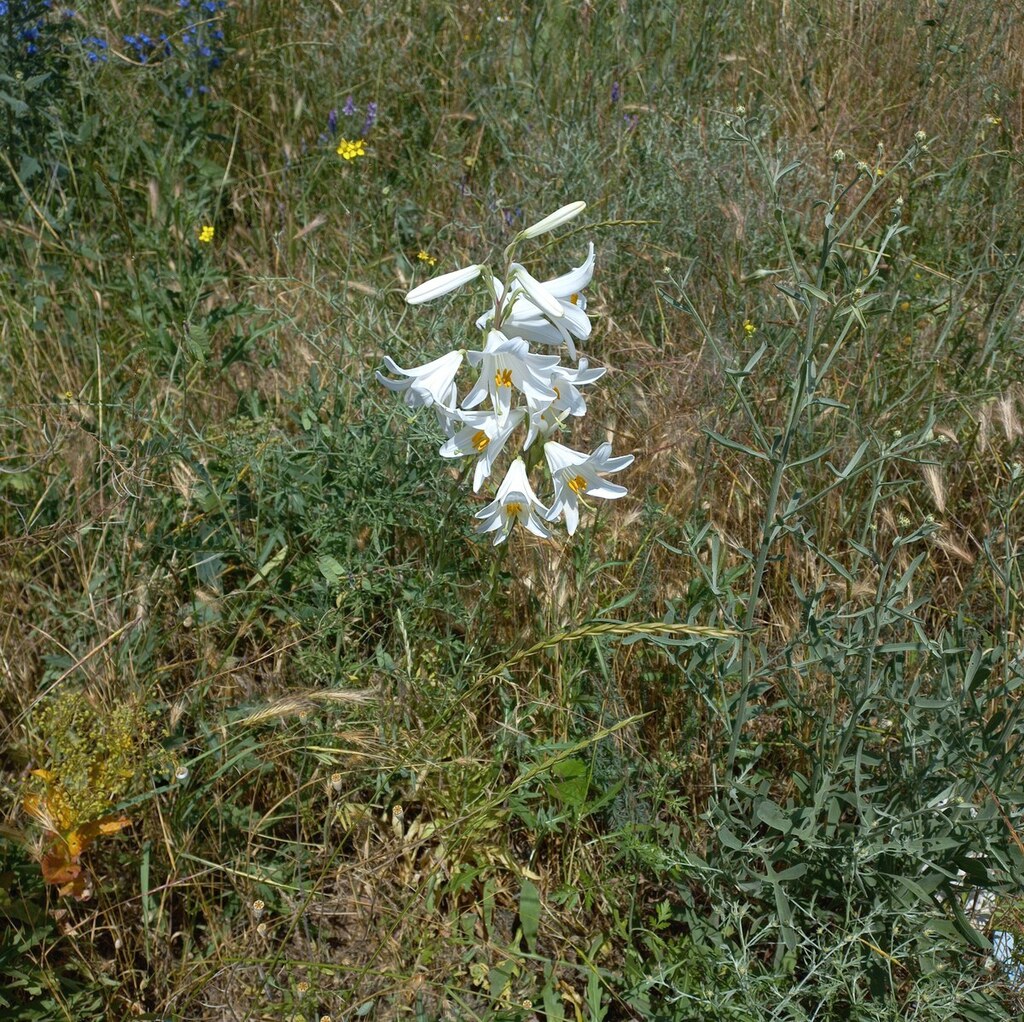
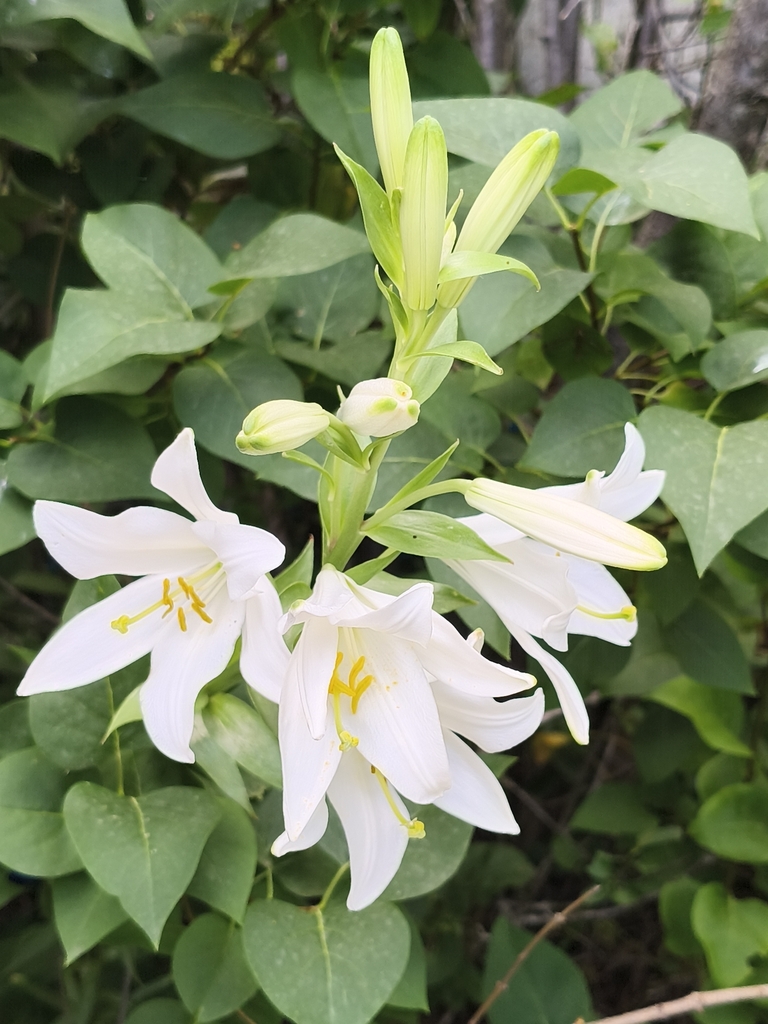
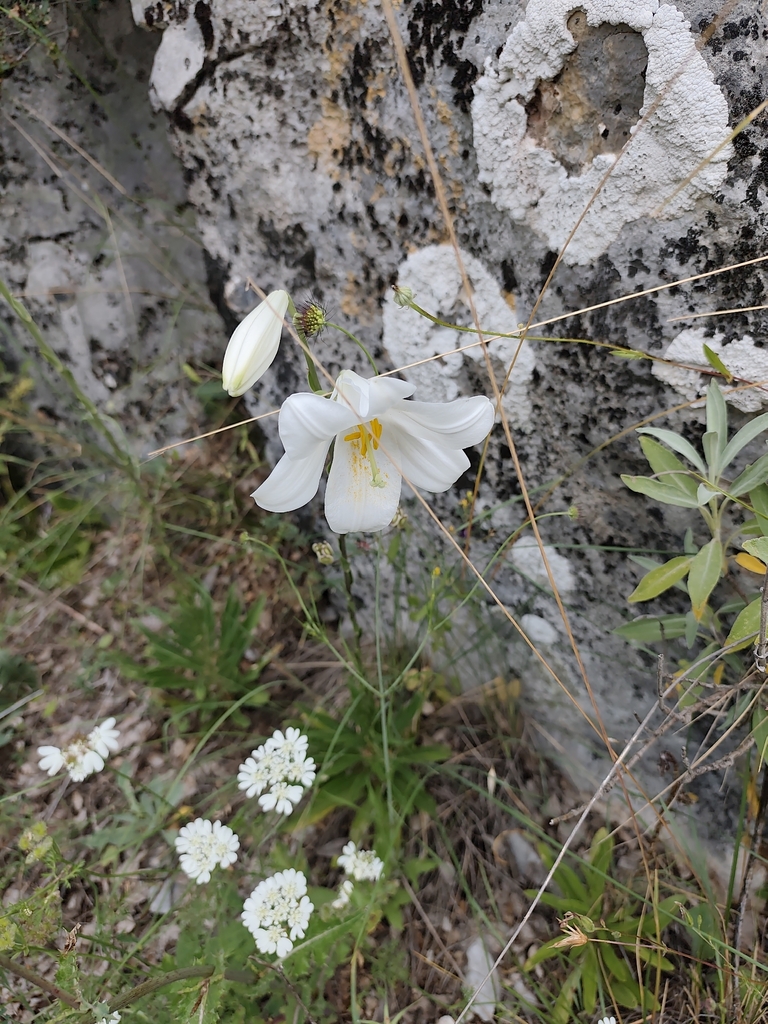
The flowers are the most visually distinctive feature, appearing in mid to late summer with pure white petals and throats distinctly tinted yellow. The blooms emit a sweet, powerful fragrance that intensifies in warm conditions. Each flower displays the typical six-petalled structure characteristic of true lilies, with the waxy texture and colour providing an almost luminous quality in garden settings. The combination of pristine white colouration with the golden throat creates striking visual contrast.
Distribution and Habitat
Lilium candidum is primarily distributed across the Mediterranean region and parts of western Europe, with occurrence records in 23 countries overall. GBIF records show the species is most prevalent in Israel (87 records), followed by France (44), Italy (38), Spain (28), and Greece (26). Additional populations are documented in Portugal, Croatia, Sweden, Turkey, and Austria, indicating a range that extends from southern Mediterranean zones northward into temperate Europe.
The Madonna Lily occurs across a wide elevation gradient, from sea level (10.7 metres) to high foothill zones (950.77 metres), with an average elevation of 378 metres. This vertical range suggests the species tolerates conditions from coastal lowlands through mid-elevation rocky slopes and hillsides typical of Mediterranean and temperate landscapes.
Seasonal presence shows a pronounced spring peak, with May recording the highest activity (159 observations), preceded by increases in March and April. Occurrences drop sharply from June onward, reflecting the species’ flowering and fruiting cycle during late spring. Scattered winter records (January through March and November–December) likely represent cultivated or overwintering populations rather than active growth phases.
Growth and Cultivation
Growth
Lilium candidum, the Madonna Lily, is a herbaceous perennial that grows from a basal bulb. The plant produces a rosette of lance-shaped leaves at ground level during autumn and winter, a distinctive feature that distinguishes it from many other lily species. In spring, a tall flowering stem emerges, typically reaching 0.9 to 1.5 metres in height, with leaves arranged alternately along its length. The bulbs are relatively small and white, with a unique structure that differs markedly from other lilies—they lack a protective papery tunic and remain partially exposed in the soil.
Flowering
The Madonna Lily produces pure white, trumpet-shaped flowers that are highly fragrant and among the most culturally significant blooms in European horticulture. Flowers typically appear in late spring to early summer, arranged in loose clusters of 5 to 20 blooms per stem. Each flower consists of six tepals with golden stamens and a distinctive pistil, opening fully in daylight and releasing a sweet, intense fragrance. After pollination, the plant develops elongated seed capsules that mature over several weeks, dispersing numerous small, flat seeds.
Cultivation
Madonna Lilies thrive in well-drained soil and prefer a slightly alkaline to neutral pH environment. They require full sun exposure—at least 6 to 8 hours of direct sunlight daily—to flower reliably. Planting should occur in autumn, with bulbs positioned so their tips remain just above soil level; this unusual planting depth prevents rot and accommodates the plant’s basal leaf rosette. Water moderately during the growing season, but allow soil to dry somewhat between waterings once flowering begins.
These lilies are relatively hardy in temperate climates and tolerate cool winters well, though they perform best where winter temperatures remain above −10 °C. Summer moisture must be managed carefully; excessive water during the dormant period can cause bulb decay. Feed with a balanced, low-nitrogen fertiliser in early spring as growth resumes. Once flowering concludes and foliage yellows, allow the plant to dry back naturally before removing dead material. Many gardeners leave bulbs undisturbed for several years, as established clumps flower more prolifically than recently planted stock.
Conservation and Threats
Lilium candidum has not been formally assessed by the International Union for Conservation of Nature (IUCN) and therefore lacks an official Red List designation. However, the species benefits from a notably positive population trend, with populations increasing in many regions where it is cultivated and naturalized. This improvement reflects both deliberate horticultural efforts and the plant’s successful establishment in gardens and heritage landscapes across Europe and beyond.
Threats
Although the Madonna Lily is currently expanding in distribution, it faces two significant pathogenic threats that can severely compromise individual plants and reduce their ornamental or horticultural value. The species is especially susceptible to Botrytis fungus, a destructive pathogen that causes gray mold on leaves, flowers, and bulbs. This fungal disease thrives in humid conditions and can rapidly spread through a collection if infected plants are not isolated. Management requires careful attention to air circulation, removal of affected foliage, and fungicidal treatments in severe cases.
Beyond Botrytis, Lilium candidum is prone to several virus diseases common to lilies, including Lily Symptomless Virus (LSV) and Lily X Virus (LXV). These viral infections typically cause mottling, streaking, or distortion of leaves and flowers, and may reduce plant vigor or bulb productivity. Viruses spread through aphid vectors and contact with contaminated tools, making prevention through insect management and strict hygiene essential for maintaining healthy populations in cultivation.
Conservation Efforts
No formal global conservation programme has been established for the Madonna Lily, as the species is not currently threatened with extinction. However, specialized horticultural organizations and botanical gardens maintain reference collections and propagate disease-tested stock to preserve genetic diversity and reduce the spread of pathogens. Gardeners and commercial growers play an indirect conservation role by selecting virus-free bulbs, practicing crop rotation, and maintaining rigorous sanitation protocols.
Cultural Significance
Lilium candidum holds a prominent place in ancient Mediterranean art, particularly in Minoan civilization. The species appears frequently in Minoan frescoes, most notably in the famous Prince of the Lilies fresco housed in the palace of Knossos. Additional depictions include lilies in the House of the Lilies at Amnisos, demonstrating that the flower held significant cultural or ritual importance to these early societies.
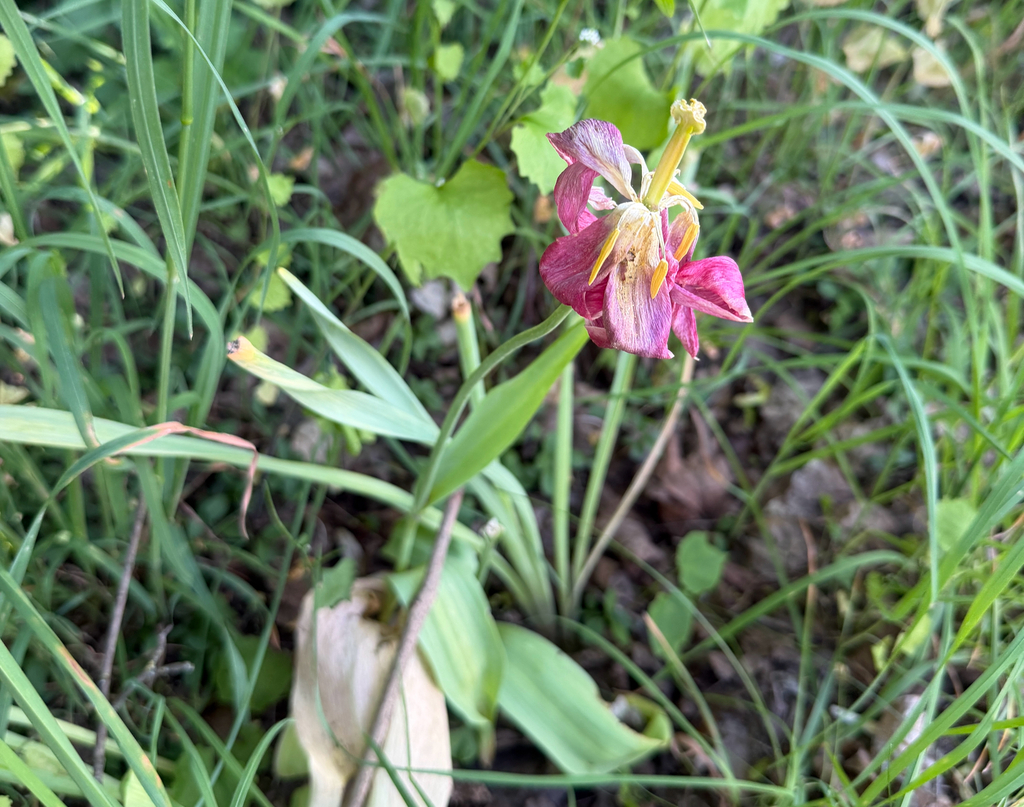
Red-coloured lilies also appear in Minoan artistic contexts, including representations on a shrine in a Xesté 3 fresco and in the Spring Fresco at Akrotiri. The specific reason these lilies were rendered in red remains unknown, and the distinction between white and red lilies in Minoan imagery may reflect either artistic convention, seasonal symbolism, or ritual differentiation that has not yet been fully decoded from the archaeological record.
Fun Facts
Lilium candidum, the Madonna Lily, has been cherished by humans for millennia and carries layers of cultural meaning that few plants can match. Beyond its ornamental appeal and symbolic resonance, this species harbours several surprising biological and horticultural quirks that challenge conventional wisdom about how to grow bulbs successfully.
- The Madonna Lily is native to the Balkans and Middle East, but over centuries of cultivation and trade it has naturalized in unexpected corners of the world, including parts of North Africa, the Canary Islands, and even Mexico.
- Counterintuitively, growing Lilium candidum from seed rather than bulblets is the most effective way to avoid virus diseases—a technique that baffles many traditional bulb growers who rely on vegetative propagation.
- This species is highly susceptible to Botrytis fungal infection and several virus diseases common to lilies, making it somewhat temperamental in humid climates despite its legendary status and long cultivation history.
- The plant holds profound symbolic significance across many cultures stretching back to antiquity, featuring in religious art, mythology, and folklore as a symbol of purity and virtue.
- Unlike many ornamental bulbs that fade from cultivation over time, the Madonna Lily has remained continuously grown for over three millennia, testament to both its beauty and the determination of gardeners to overcome its disease challenges.
Ecology
Growing Conditions
Edibility
Photo Gallery
Roman · CC BY 4.0
Related Species
Was this profile helpful?