
Squamata
Grass Snake
Natrix natrix
Least ConcernAlso known as: Common Grass Snake, Culebra de collar, Cyprus Grass Snake, European Grass Snake
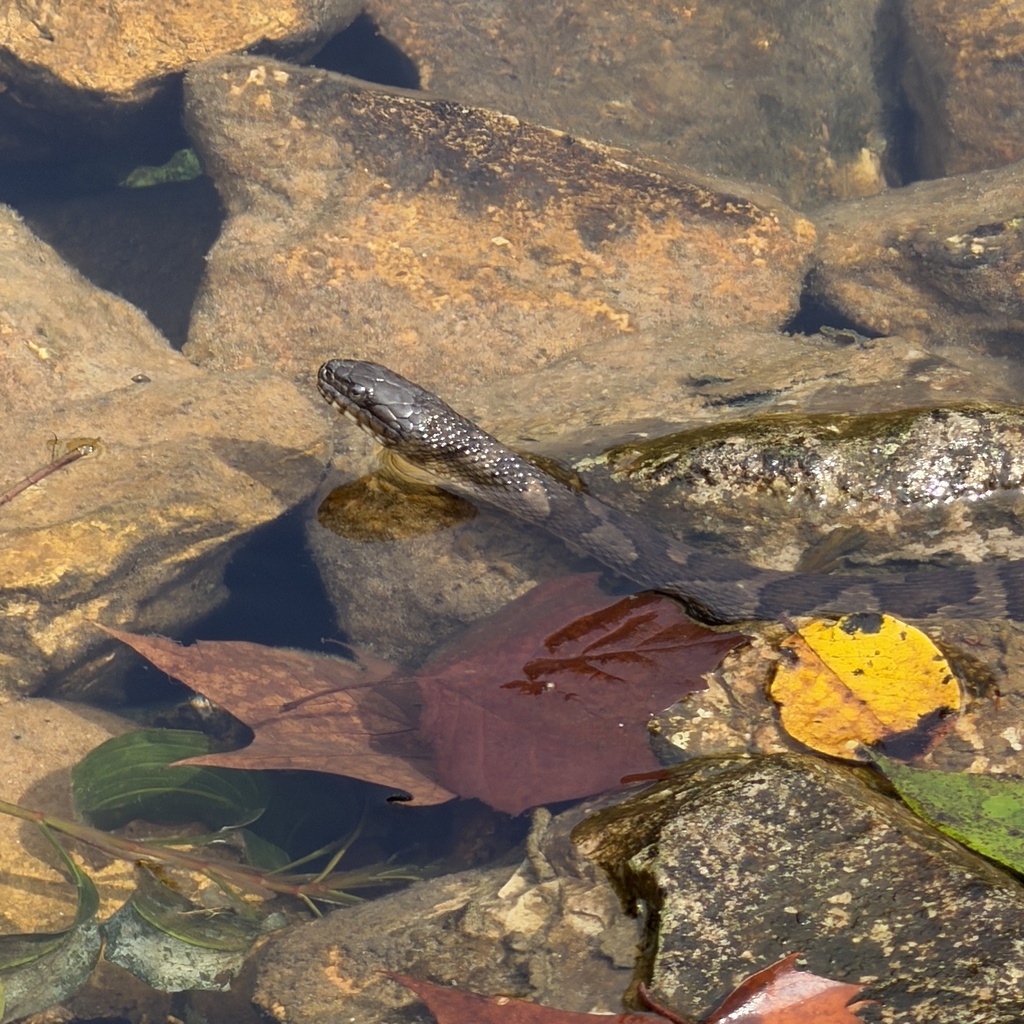
© Conway Hawn · iNaturalist · CC BY 4.0
Scientific Classification & Quick Facts
Classification
At a Glance
The Grass Snake is one of Europe’s most widespread reptiles, a sleek and agile hunter equally at home in wetlands, grasslands, and gardens across a vast geographic range. Found in at least 25 countries spanning from Britain to the Caucasus, Natrix natrix thrives in temperate and subtropical zones where water and vegetation converge. Its adaptability and resilience have earned it a Least Concern conservation status, making it a symbol of reptile success in human-modified landscapes.
Despite their name, Grass Snakes are skilled swimmers that hunt fish, frogs, and aquatic invertebrates with surprising efficiency. Their elongated bodies, typically reaching 60–100 centimetres, and keeled scales give them a distinctive ridged appearance that sets them apart from smoother snake species. What truly makes this colubrid remarkable is not a single spectacular trait, but rather its ecological flexibility—it survives in fragmented habitats where many reptiles decline, and its life history reveals complex behaviors tied to hibernation, basking, and reproduction across seasonal extremes.
Identification and Appearance
The grass snake is a medium-sized snake typically dark green or brown in colour, though individuals can range from grey to black depending on geography and environmental conditions. The most distinctive feature is a characteristic yellow or white collar positioned directly behind the head, which gives rise to its alternative name, the ringed snake. This bright marking provides reliable field identification even at a distance. The underside is whitish or pale grey with irregular black markings that form a useful diagnostic pattern when examining the ventral surface.
Adults regularly exceed 1 metre in length, with some specimens growing considerably longer. The maximum recorded weight is 94.2 grams. In colder regions, darker colour morphs are more prevalent, likely reflecting a thermal advantage—darker pigmentation absorbs solar radiation more efficiently, aiding thermoregulation in cooler climates. This geographic variation in coloration makes grass snakes highly adaptable across their broad range, though the distinctive collar remains constant across all populations.
Size and Build
The grass snake has a relatively slender body and smooth scales, allowing it to move with fluid grace through dense vegetation. While specific measurements for length and height ranges are not documented in current records, the species is considered a medium-sized European snake, distinctly smaller than adders but larger than slow worms. Juveniles emerge from eggs at a fraction of adult size and require several years to reach their full length.
Distribution and Habitat
Natrix natrix is distributed across Europe, with records confirmed in 25 countries. The species shows strongest occurrence in central and northern European regions, with Germany recording the highest number of observations (57), followed by Austria (41), Russia (38), and Sweden (37). Denmark, Romania, Ukraine, Poland, Norway, and Croatia also support established populations, indicating a broad continental range spanning from Scandinavia to the Black Sea region.
The grass snake inhabits a variety of freshwater and semi-aquatic environments, including ponds, marshes, ditches, and slow-moving streams where amphibian prey is abundant. The species also frequents damp grasslands, reed beds, and riparian vegetation adjacent to water bodies. Its presence is not restricted to lowlands; however, specific elevation data for this species are not currently available. The snake is highly adaptable and occurs in both natural wetlands and human-modified landscapes such as farmland and gardens, provided suitable moisture and food resources remain accessible.
Seasonal activity patterns show a pronounced spring peak, with March recording 177 observations—substantially higher than any other month. Observations in February (14) and April (105) suggest emergence from winter dormancy during early spring, when warming temperatures and increasing amphibian breeding activity trigger feeding and dispersal. The absence of records from May through December in the dataset likely reflects reduced observer activity and detection rates during warmer months or winter torpor, rather than true absence from these periods.
Biology and Behavior
Behavior
Grass snakes are diurnal and semi-aquatic, spending much of their time in or near water where they hunt and shelter. They are highly active during warm months, basking in the sun to regulate body temperature before entering periods of reduced activity in colder seasons. These snakes are generally docile and inoffensive; when threatened, they rely on escape rather than aggression. A distinctive defensive behavior is the production of a foul-smelling musk from anal glands, which deters predators. They will also flatten their body and hiss when cornered, though they rarely bite.
Grass snakes often gather in communal hibernation sites during winter, sometimes congregating in large numbers within suitable refuges such as compost heaps, log piles, or underground cavities. This gregarious overwinter behavior likely reduces exposure to freezing temperatures and predation. During summer months, individual snakes maintain loose home ranges centered on productive foraging areas, though they do not exhibit strong territorial defense. Juveniles disperse widely after hatching, seeking suitable microclimates and food sources.
Diet
Grass snakes are specialized ophiophagous and ichthyophagous predators, feeding almost exclusively on amphibians and fish. Frogs and toads make up the bulk of their diet, particularly common frog tadpoles during spring and early summer when amphibian populations are most abundant. They also consume smooth newts, common newts, and other aquatic larvae. Fish are taken opportunistically, especially in water-rich habitats where small fish populations are accessible.
Hunting occurs primarily in shallow water or at the water’s edge, where snakes glide quietly through vegetation to ambush prey. They use chemoreception and visual cues to locate food, striking swiftly when a meal is encountered. A single grass snake can consume dozens of tadpoles or small frogs in a productive season. Feeding frequency declines markedly in autumn as body temperature drops and metabolic demand decreases.
Reproduction
Grass snakes breed in late spring and early summer following emergence from hibernation. Males locate females using pheromone trails and engage in courtship behaviors, with multiple males sometimes pursuing a single female. Mating typically occurs in May and June. Females reach sexual maturity at approximately 3 to 4 years of age, while males mature slightly earlier.
Gravid females deposit elongate, leathery eggs in warm, humid microhabitats—most commonly in decomposing plant matter, compost heaps, manure piles, or dense leaf litter where ambient temperature supports embryonic development. Clutches typically contain 8 to 40 eggs, though 15 to 20 is most common. Incubation lasts 5 to 10 weeks depending on temperature; warmer conditions accelerate development. No parental care is provided after egg-laying. Hatchlings emerge in late summer or early autumn at 12 to 20 centimeters in length and immediately forage independently. With proper conditions, grass snakes can live over 20 years in the wild.
Conservation and Threats
Natrix natrix, the Grass Snake, holds a conservation status of Least Concern on the IUCN Red List. This classification reflects a species with a wide geographic range, a large and stable global population, and no immediate threats severe enough to warrant a higher risk category. Encouragingly, population trends across much of its range are increasing, indicating recovery in regions where conservation efforts have taken hold.
Threats
Grass Snakes face few acute threats at the continental scale, yet local pressures remain significant in parts of their range. Habitat loss and degradation—particularly the destruction of wetlands, ponds, and reed beds where they hunt and breed—pose the most consistent challenge. Drainage of wetland areas for agriculture and urban development directly reduces available breeding habitat and foraging grounds. Road mortality remains a secondary but localized concern in densely populated regions, where infrastructure fragments populations and increases vehicle strikes during dispersal and breeding movements.
Conservation Efforts and Legal Protections
Across much of Europe, Grass Snakes benefit from legal protection under national wildlife legislation and the EU Habitats Directive. Many European countries classify them as protected species, prohibiting collection and trade. Habitat restoration projects—including the creation and management of ponds, wetland reserves, and buffer zones around breeding sites—have supported population recovery in several nations. Conservation-focused amphibian and reptile organizations actively monitor populations and work to reduce road impacts through wildlife crossing infrastructure.
Cultural Significance
The grass snake occupies a nuanced position in European cultural memory, shaped largely by its non-venomous nature and common presence in gardens and wetlands. Unlike many serpents in Western tradition, Natrix natrix has escaped the symbolic baggage of danger or evil that characterizes more feared snake species. Its harmless disposition and tendency to inhabit human-modified landscapes—from farmland to suburban gardens—has allowed it to exist in a space of relative cultural neutrality across much of its range.
In practical terms, grass snakes have long been tolerated or even welcomed by rural and agricultural communities in Europe, particularly in regions where they help control rodent and amphibian populations. Historical records and local knowledge systems in Britain, Central Europe, and Russia document the species as a familiar presence rather than a subject of mythological elaboration. The absence of extensive folklore or symbolic significance—compared to adders or vipers in the same regions—reflects both the snake’s benign interaction with humans and the cultural preoccupation with perceived threats over unremarkable coexistence.
Contemporary cultural engagement with grass snakes remains modest, centred primarily on natural history education and herpetological interest rather than deep symbolic meaning. The species appears in modern nature writing and amateur naturalist traditions as a subject of observation and study, embodying the everyday wildlife of temperate Europe.
Fun Facts
- The grass snake is a paradox among predators: despite being classified as a generalist, it feeds almost exclusively on amphibians, making it one of Europe’s most specialized hunters despite its adaptable nature. This narrow dietary focus explains why the species is never found far from water.
- Unlike many of its colubrid relatives, the grass snake remains entirely non-venomous, relying instead on speed and agility to capture its prey. This absence of venom is unusual given that other snakes in its family have evolved sophisticated toxins for subduing prey.
- The grass snake is truly semi-aquatic, with equal proficiency in water and on land—a rarity among European snakes. It hunts tadpoles and frogs in ponds and streams, then retreats to dry grassland to rest and thermoregulate, switching between both worlds seamlessly.
- Grass snakes have an extraordinarily wide geographic range stretching across Eurasia, from Britain to Japan, despite their specialization on amphibians. This expansive distribution across diverse climates and habitats is remarkable for a species so dependent on a single food source.
- When threatened, the grass snake performs a dramatic bluff display: it flattens its body, hisses loudly, and strikes with its mouth open—all without possessing any venom or ability to deliver a truly harmful bite. This theatrical defense often deters predators more effectively than actual weaponry.
- Grass snakes are highly aquatic hunters that can remain submerged for extended periods while stalking amphibians in murky water. Their large eyes and excellent vision allow them to locate prey in conditions where other predators would struggle.
- Female grass snakes migrate considerable distances to reach communal egg-laying sites, sometimes traveling over a kilometre to deposit their eggs in warm, decomposing vegetation such as compost heaps or rotting wood. These traditional nesting grounds may be used by multiple generations across decades.
Conservation Status
LC (Least Concern) · NT · VU · EN · CR · EW · EX
Photo Gallery
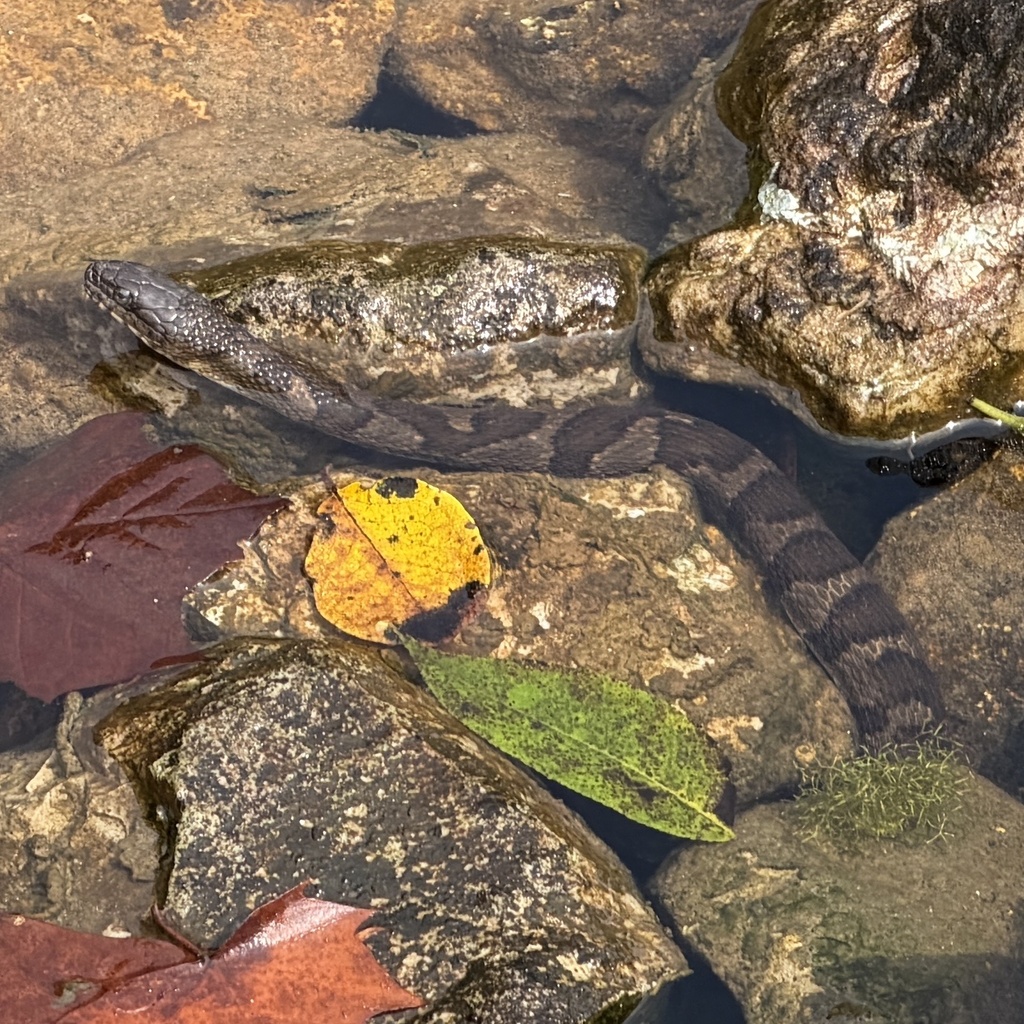
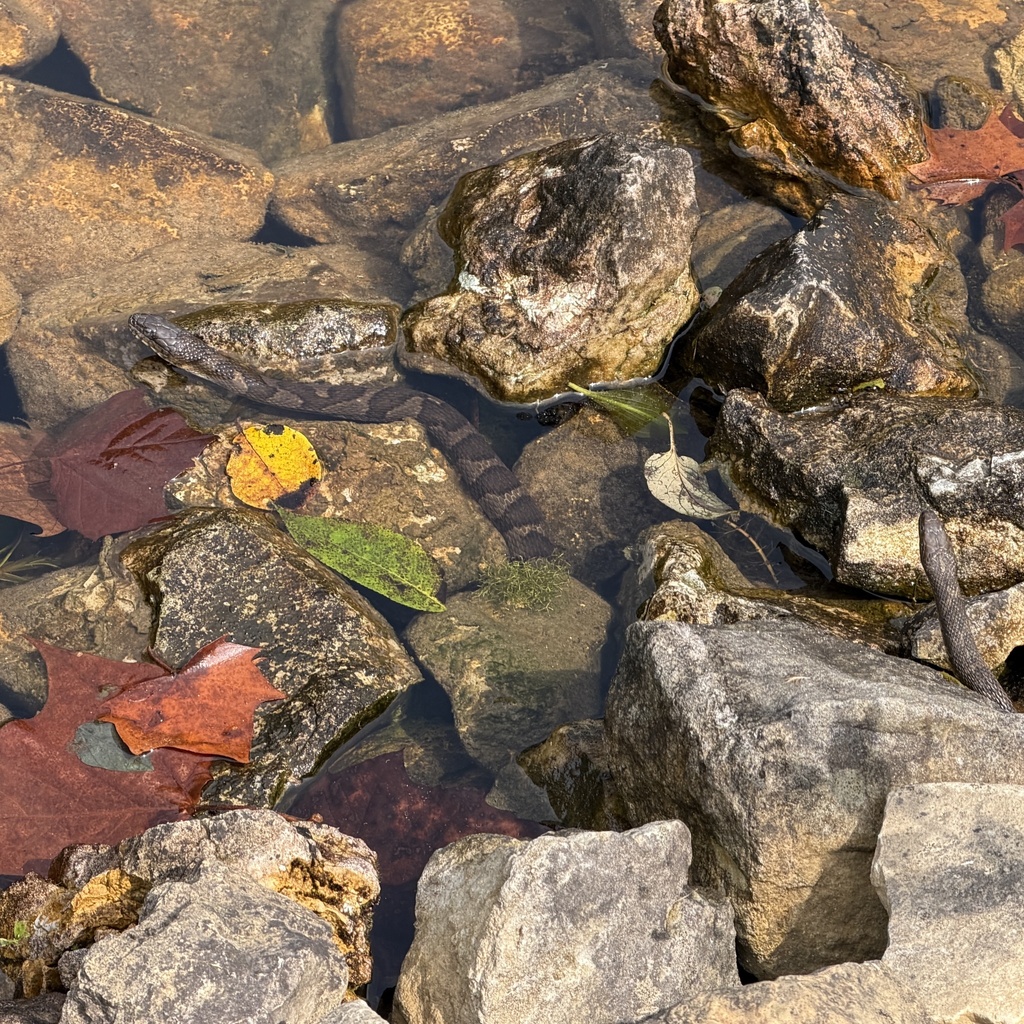
Conway Hawn · CC BY 4.0
Related Species
Was this profile helpful?