
Squamata
Komodo Dragon
Varanus komodoensis
VULNERáVELAlso known as: Komodo Island Monitor, Komodo Monitor, Ora
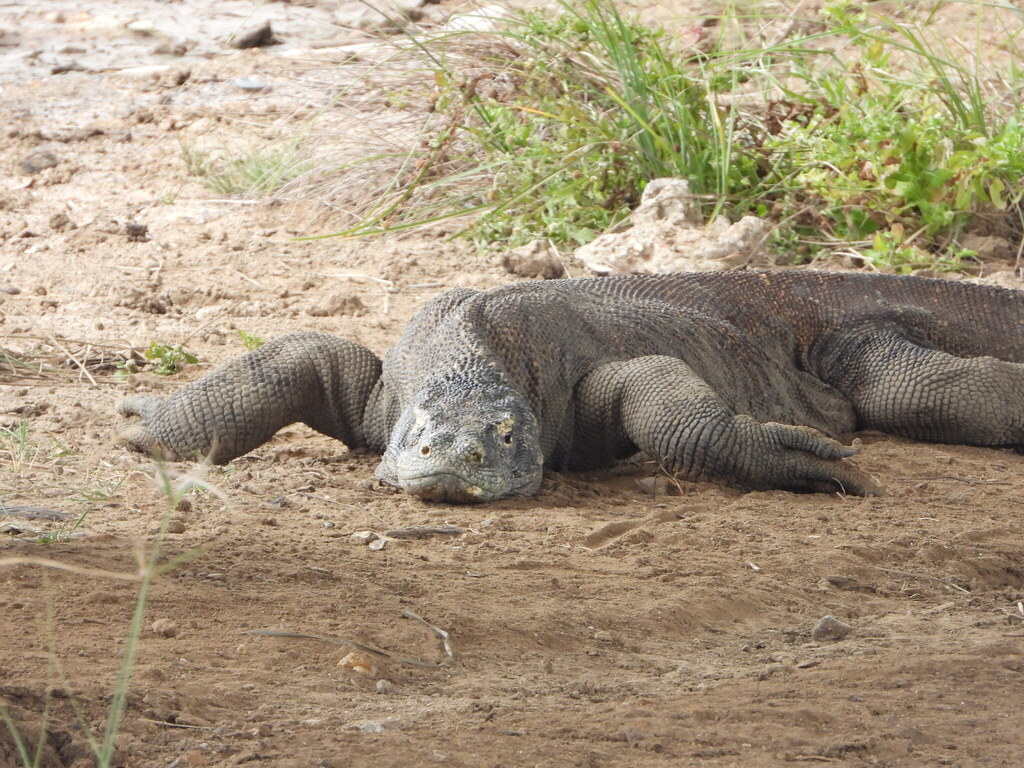
© no rights reserved · iNaturalist · CC0 1.0
The Komodo dragon is the world’s largest living lizard—a apex predator that dominates the volcanic islands of Indonesia with a physique and hunting prowess matched by few reptiles on Earth. This formidable member of the family Varanidae stalks its island home with an almost prehistoric presence, weighing up to 70 kilograms and stretching over 3 metres in length. Its range is confined to a single country: Indonesia, where it exists as one of the most iconic and endangered reptiles in the world.
Listed as Endangered by the IUCN, Komodo dragons face mounting pressure from habitat loss, climate change, and declining prey populations. Yet despite these threats, they remain a window into an ancient world—a living remnant of the Varanidae lineage that has survived millions of years of environmental change. Understanding their biology, behaviour, and ecological role is essential not only for their survival but for the health of the unique island ecosystems they inhabit.
Identification and Appearance
The Komodo dragon is the world’s largest living lizard, a massive predator distinguished by its robust build, muscular limbs, and powerful tail. In the wild, adults typically weigh around 70 kilograms, though captive specimens often exceed this mass. According to Guinness World Records, males average 79 to 91 kilograms and measure 2.59 metres in length, while females are smaller at 68 to 73 kilograms and 2.29 metres long. This sexual dimorphism is marked, with males consistently outweighing and outsizing females.
Coloration and Physical Features
Komodo dragons display dark colouration ranging from blackish-grey to dark brown, sometimes with lighter patches or bands across the body. Their skin is thick and heavily scaled, providing protection during combat with prey and rivals. The head is broad and flattened, with a prominent jaw capable of delivering powerful bites. Their legs are short but muscular, equipped with sharp claws used for gripping prey and climbing. The tail, nearly as long as the body, serves as a balance organ during movement and as a weapon during combat.
Distinctive Identification Features
Several characteristics make the Komodo dragon unmistakable in its habitat. The head tapers slightly toward the snout, and the mouth extends far back on the skull. Rows of sharp, serrated teeth line both jaws, adapted for tearing flesh. The eyes are positioned laterally and relatively small for the creature’s size. Dorsally, the body is covered in keeled scales arranged in regular rows, creating a textured, reptilian appearance. The digits are webbed, particularly visible on the hind feet, reflecting an ancestor that may have inhabited coastal or semi-aquatic environments.
Distribution and Habitat
Varanus komodoensis has an extremely restricted range, occurring only in Indonesia, where GBIF records document 300 confirmed observations. The species is endemic to a small cluster of volcanic islands in the Lesser Sunda Islands, primarily Komodo, Rinca, Flores, and Gili Motang. This island-bound distribution makes the Komodo Dragon one of the world’s most geographically limited large predators.
The species inhabits dry tropical savanna and monsoon forest environments across its island range. Komodo Dragons favour open scrubland with sparse vegetation and rocky terrain, where they can thermoregulate in the warm, exposed conditions. They also occur in drier transitional zones between forest and grassland, demonstrating tolerance for variable habitat types within their confined range. Elevation data for this species are not currently quantified in primary records, though the dragons are found at varying heights across the undulating topography of their island homes.
Seasonal patterns show marked variation in observation frequency, with peak activity recorded during April (46 observations), likely corresponding to the dry season when prey availability and thermoregulation opportunities are optimal. Observation numbers drop significantly during the southern hemisphere winter months of July and August (14 and 10 observations respectively), reflecting reduced activity during cooler periods. This pattern indicates strong seasonality in the species’ detectability and behaviour, though year-round presence on the islands is documented.
Biology and Behaviour
Behavior
Komodo dragons are solitary reptiles that spend most of their lives alone, gathering only to breed and feed. As ectotherms, they are primarily diurnal hunters, most active during daylight hours when they can absorb solar heat and maintain high body temperatures. Some nocturnal activity occurs, but it remains secondary to their day-focused lifestyle. They inhabit hot, dry environments—preferring open grassland, savanna, and tropical forest at low elevations—where they can thermoregulate efficiently.
Individual Komodo dragons display distinct personality differences; some individuals present as bolder hunters, while others, particularly females, tend toward shyer temperaments. When hunting or evading threats, they can sprint rapidly in brief bursts at speeds up to 20 kilometres per hour, giving them a tactical advantage over prey and potential competitors. Despite their solitary nature, they maintain awareness of one another within shared territories, with dominance hierarchies influencing access to food and mates.
Diet
Komodo dragons are obligate carnivores that hunt a wide range of prey across their island habitats. They consume smaller reptiles, birds, and mammals, but their size allows them to tackle much larger quarry. They are also opportunistic scavengers, feeding on carrion when available. Large adults can consume prey as massive as wild boar and water buffalo, swallowing entire animals or large portions whole thanks to their flexible jaws and expandable stomachs.
Reproduction
Komodo dragons breed seasonally, with females reaching sexual maturity at around 8–9 years of age. After mating, females lay clutches of 4–30 leathery eggs in burrows or abandoned megapode nests, then provide no further parental care. Incubation lasts approximately eight to nine months, with hatchlings emerging independently and immediately vulnerable to predation and cannibalism from larger dragons. Lifespan in the wild extends to approximately 30 years, allowing individuals to accumulate considerable size and hunting experience over their lifetime.
Conservation and Threats
The Komodo dragon is classified as Endangered on the IUCN Red List, reflecting a decreasing population trend. This status indicates the species faces a high risk of extinction in the wild and requires urgent intervention to prevent further decline.
Threats
Multiple pressures threaten Komodo dragon populations across their Indonesian island habitats. Loss of prey due to poaching of large ungulates—primarily deer and wild boar—has directly reduced food availability for the lizards. The species itself faces illegal poaching, and unregulated tourism, while generating local revenue, creates disturbance and stress in critical habitats. It is widely assumed that Komodo dragons disappeared from Padar island following the collapse of ungulate populations caused by hunting.
Climate change presents an escalating long-term threat. Rising temperatures and aridification, combined with sea level rise, will degrade the low-lying valleys and coastal habitats that Komodo dragons depend on. Unlike other species on the islands, Komodo dragons do not range into higher-altitude refugia. Projections indicate suitable habitat could decline by 8.4% to 71% by 2050 depending on the climate scenario modelled. However, some scientists have disputed these predictions, so uncertainty remains about the precise magnitude of climate impacts.
Conservation Efforts
International legal protection is in place: Komodo dragons are listed under Appendix I of CITES, which prohibits commercial international trade in specimens or skins. The species is found primarily within Komodo National Park, a protected area that provides sanctuary, though enforcement of anti-poaching measures remains challenging. Captive breeding programmes exist but face obstacles—wild-caught individuals are highly susceptible to infection, parasitic disease, and stress in captivity, and reproduction rates in zoos remain low. Rapid climate change mitigation at global and regional scales is essential for long-term survival of wild populations.
Cultural Significance
The Komodo dragon holds a distinctive place in the indigenous knowledge systems of Flores, Indonesia, where it coexists with other monitor lizards in coastal regions. Local communities possess specific Florenese folk nomenclatures for large lizards, classifications that reflect centuries of observation and interaction with Varanus komodoensis. These naming systems illuminate not only how indigenous peoples understood and categorized the species, but also provide clues to its historical distribution across the region. The dragon’s presence in local knowledge extends beyond simple taxonomy—it carries possible symbolic significance within Florenese culture, though the full scope of this symbolism remains embedded in traditional worldviews that have evolved alongside the species.
In the modern era, the Komodo dragon transitioned from a creature known primarily to local communities into an icon of global conservation and scientific interest. The landmark ecological research conducted by curator Walter Auffenberg in the late 1960s catalyzed international awareness of the species and established the scientific foundation for contemporary conservation efforts. This shift transformed the Komodo dragon into a symbol of unique and threatened biodiversity, making it central to discussions about protecting Indonesia’s remarkable fauna. The species now represents both a living legacy of indigenous ecological knowledge and a focal point for modern wildlife preservation, bridging local cultural understanding with international conservation initiatives.
Fun Facts
The Komodo Dragon is the largest living lizard on Earth, a prehistoric-looking reptile that dominates the remote islands of eastern Indonesia. These massive reptiles have captured human imagination for centuries, and their biology reveals why they remain one of nature’s most formidable hunters.
- Komodo Dragons are found nowhere on Earth except five Indonesian islands: Komodo, Rinca, Flores, Gili Dasami, and Gili Motang. This extreme geographic restriction makes them one of the world’s most localised large predators.
- The majority of the global population survives within Komodo National Park in eastern Indonesia, making this protected area critical for the species’ survival. Loss of this single reserve would be catastrophic for the entire species.
- Despite their intimidating size and ancient appearance, Komodo Dragons belong to the family Varanidae—the same family as smaller monitor lizards found across Africa, Asia, and Australia. They represent an extreme evolutionary endpoint of this diverse group.
- A single Komodo Dragon can consume up to 80% of its body weight in a single meal, allowing it to gorge on large prey and then fast for weeks or months while digesting. This feeding strategy is essential for survival on islands with unpredictable prey availability.
- Komodo Dragons hunt using ambush tactics rather than pursuit, relying on their powerful hind legs to accelerate from a stationary position. Their bite delivers venom that lowers blood pressure in prey, making larger animals easier to overpower.
- Female Komodo Dragons can reproduce without males through a process called parthenogenesis, producing offspring genetically identical to themselves. This reproductive flexibility provides a survival advantage in isolated island populations with fluctuating numbers.
Ecology
Habitats
Diet
Behavior
Conservation Status
LC · NT · VU · EN · CR · EW · EX
Photo Gallery
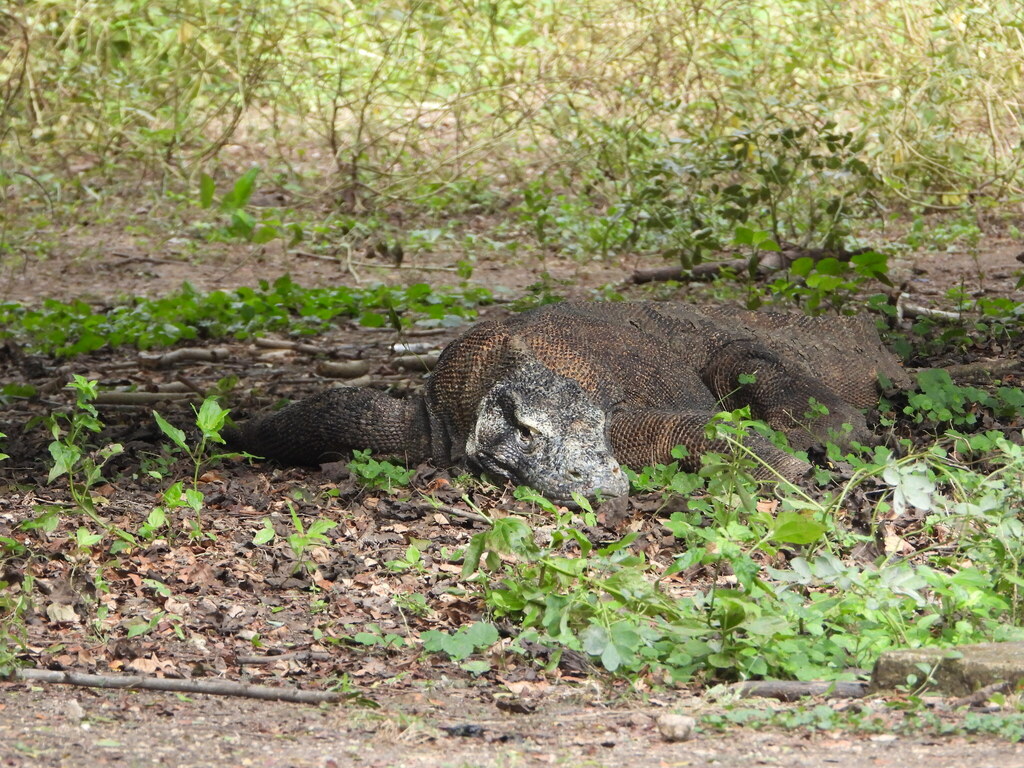
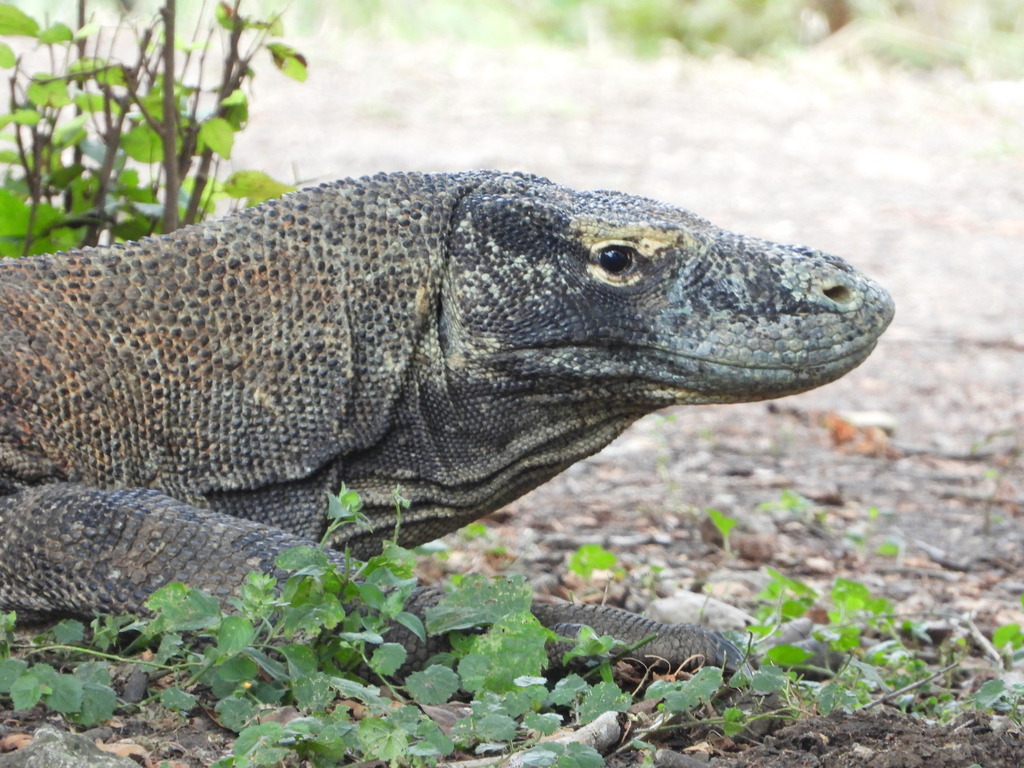
no rights reserved · CC0 1.0
Related Species
Was this profile helpful?